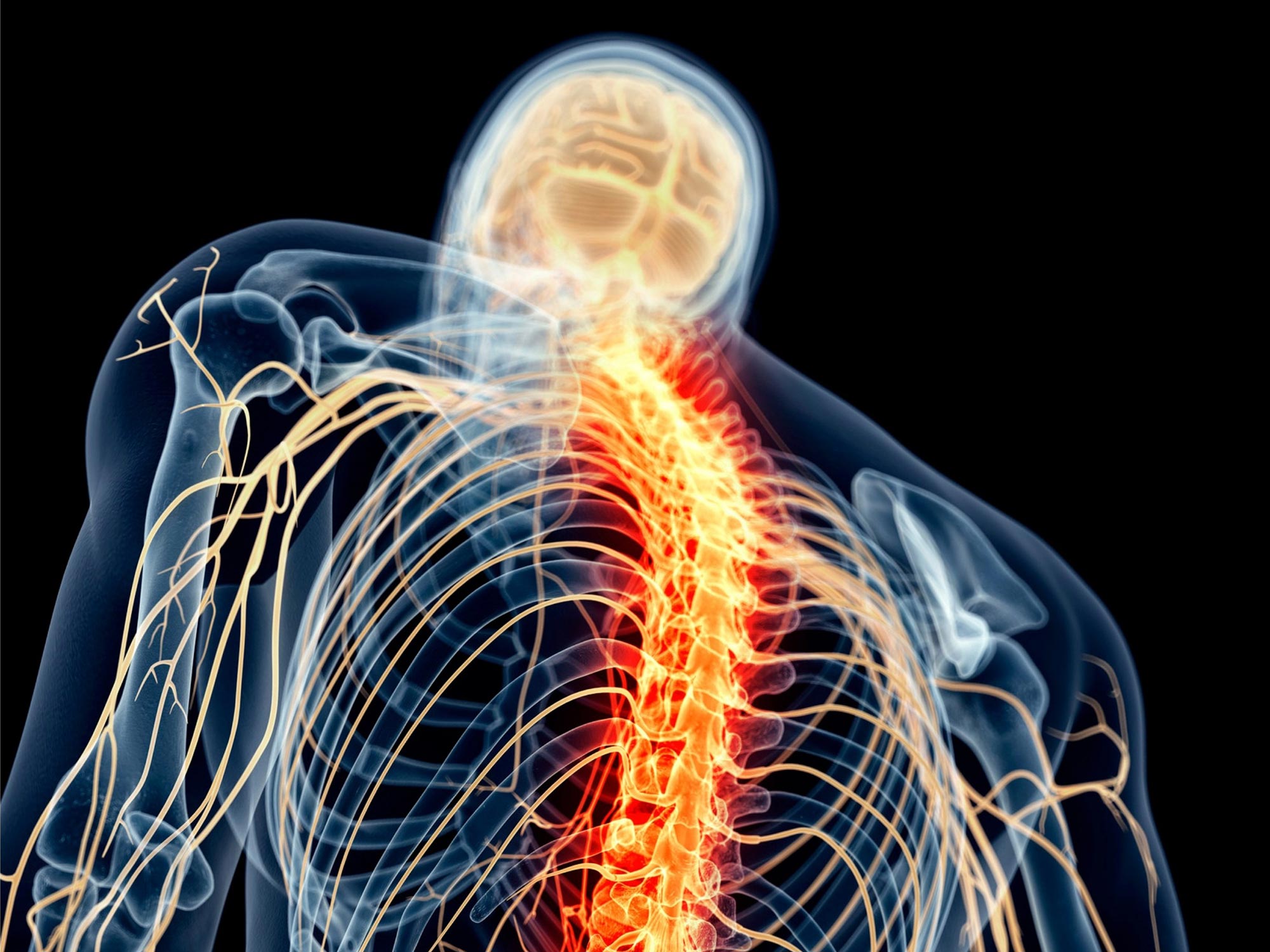
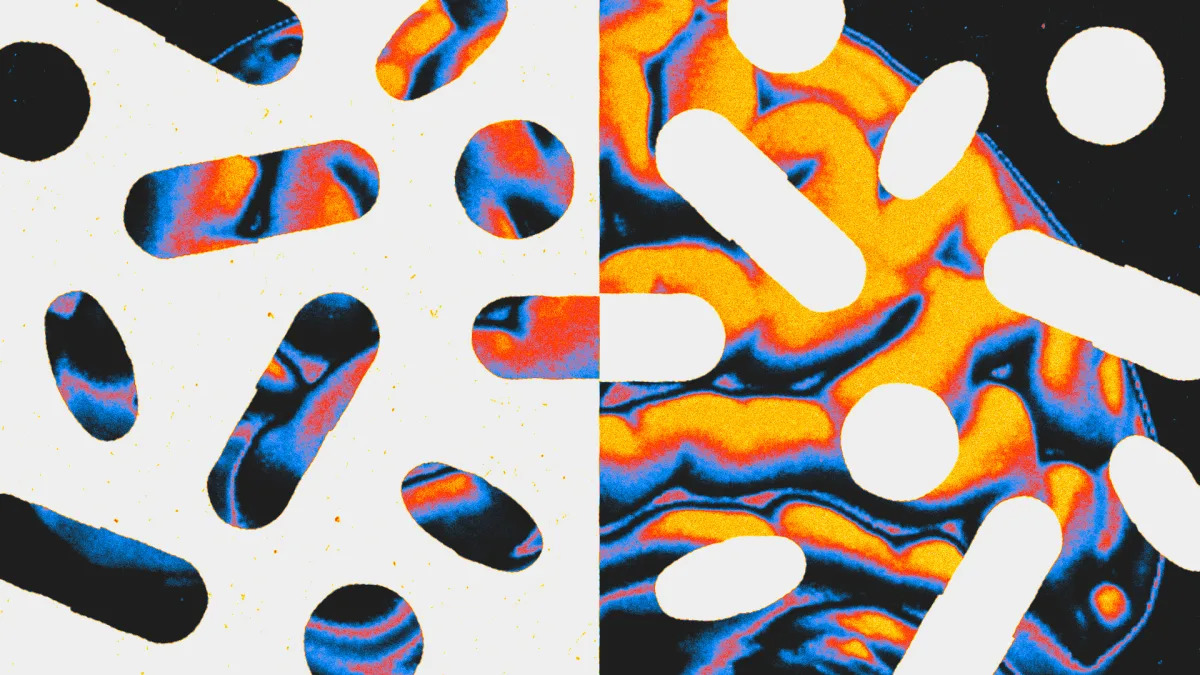
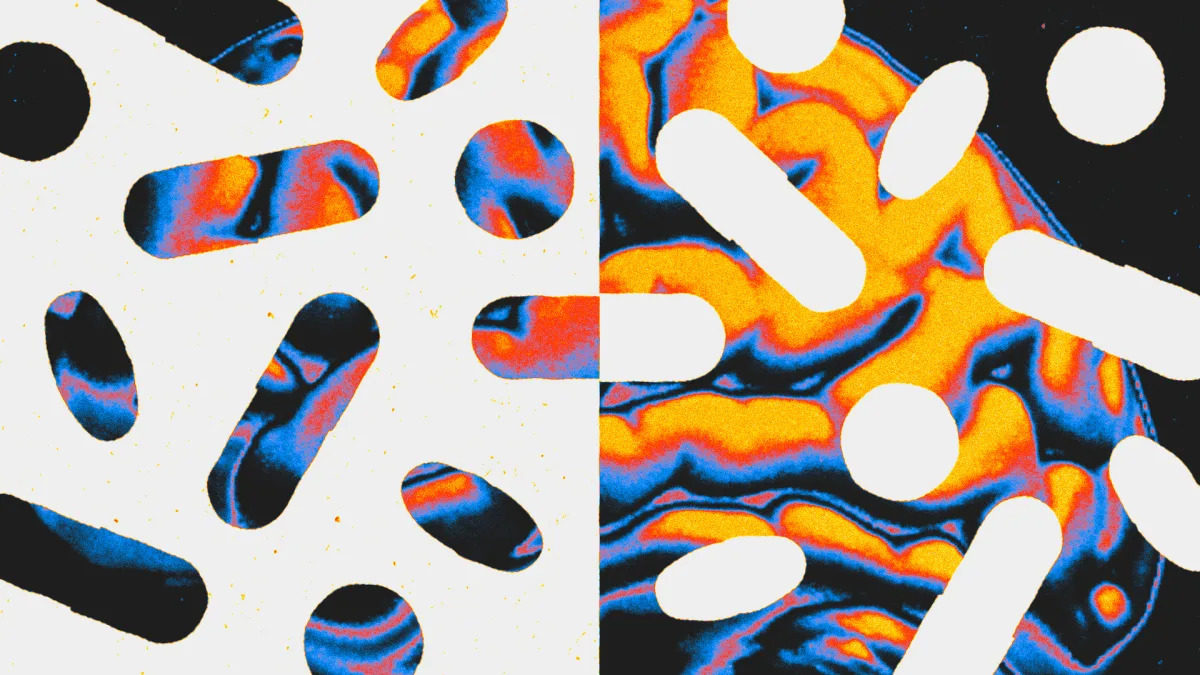
Scientists have discovered a detailed 'pain map' in the human brainstem that activates differently depending on the body part experiencing pain, paving the way for targeted, opioid-free pain treatments.
Dr. Sanjay Gupta explores the body's natural painkillers, such as endorphins and the endogenous opioid system, highlighting how mind-body techniques, lifestyle choices, and emerging medical treatments can effectively manage pain beyond medications. He emphasizes the importance of understanding and harnessing these internal systems, along with cautious use of NSAIDs and new drug developments, to improve pain relief and healing.
A Sonos firmware update was initially believed to have no impact on sound quality, but it was later revealed that small DSP improvements did enhance bass and lower frequencies, making the speakers sound better, though some perceived the change as a placebo effect.
The article explores some of the enduring mysteries in science, such as the placebo effect, quantum entanglement, and superposition, highlighting the limitations of scientific understanding and the importance of curiosity and wonder in scientific pursuit.
New research reveals that the mental health benefits of exercise are more complex than previously thought, with factors like context, type of activity, and placebo effects playing significant roles. Leisure activities like sports and gym workouts are linked to better mental health, but work-related or household chores may not provide the same benefits and can sometimes be detrimental. The study emphasizes that social and economic factors are more influential in addressing mental health issues than exercise alone, and highlights disparities in who benefits from physical activity.
Anna Hill, who suffered from severe migraines for nine years, reports significant improvement after undergoing controversial brain surgery to remove a benign pineal cyst. Despite skepticism from many neurosurgeons who consider the procedure risky and potentially driven by the placebo effect, a recent NHS clinical trial found that 90% of patients experienced lasting benefits. The surgery, performed by a small number of specialists, remains contentious due to its risks and the debate over its efficacy.
Dr. Abbie Maroño highlights two fascinating aspects of human behavior: the significant role of unconscious processes in decision-making and the profound impact of thoughts on biology. Unconscious influences guide many of our daily actions, while positive and negative self-talk can affect stress hormone levels. The placebo effect further demonstrates how belief can lead to real biological changes, underscoring the connection between mind and body.
While there is no scientific evidence directly linking oysters to increased libido, they are high in zinc, which is associated with improved testosterone levels and essential for male fertility. Oysters also contain an amino acid that may support testosterone production, but results are inconsistent in humans. The placebo effect may also play a role in the belief that oysters are an aphrodisiac. Other foods like watermelon, beets, and strawberries are also considered aphrodisiacs, and experts recommend eating light and avoiding excessive alcohol consumption for better sexual performance.
Dr. Max Pemberton discusses the controversy surrounding the use of homeopathy in cancer treatment, expressing skepticism about its scientific basis but acknowledging the potential benefits of the placebo effect. He argues that while homeopathy may not have a genuine pharmacological effect, it can still help patients through the power of the mind. Pemberton suggests that homeopathic treatments should be available on the NHS, particularly for patients who do not respond well to conventional medicine. Additionally, he addresses the potential psychological impact of airport weigh-ins and discusses a Finnish study on antidepressant use following relationship break-ups, divorce, and bereavement.
The "Sleepy Girl Mocktail," a viral homemade drink on TikTok, combines tart cherry juice and magnesium powder as a potential sleep aid, but experts remain skeptical about its effectiveness. While tart cherry juice contains a small amount of melatonin, studies on its sleep-inducing effects are limited. Similarly, the impact of magnesium on sleep is inconclusive, with potential benefits for those with restless leg syndrome. Experts suggest that any perceived benefits from the mocktail may be due to the placebo effect, but the ritual of preparing and drinking it could contribute to a calming bedtime routine, especially for those seeking alternatives to alcohol for better sleep.
A study published in Scientific Reports suggests that coherent breathing, a popular relaxation technique, may not offer significant psychological benefits beyond a placebo effect. The study, involving 400 participants, found no measurable difference in stress reduction, anxiety, depression, wellbeing, or sleep disturbance between those practicing coherent breathing and those using a placebo breathing exercise. While the findings are intriguing, the study's limitations include the remote delivery of the intervention and the standardized nature of the breathing practice, which may not fully capture the potential of coherent breathing. The lead researcher hopes to continue investigating the psychophysiological effects of breathwork and establish a dedicated breathwork research lab.
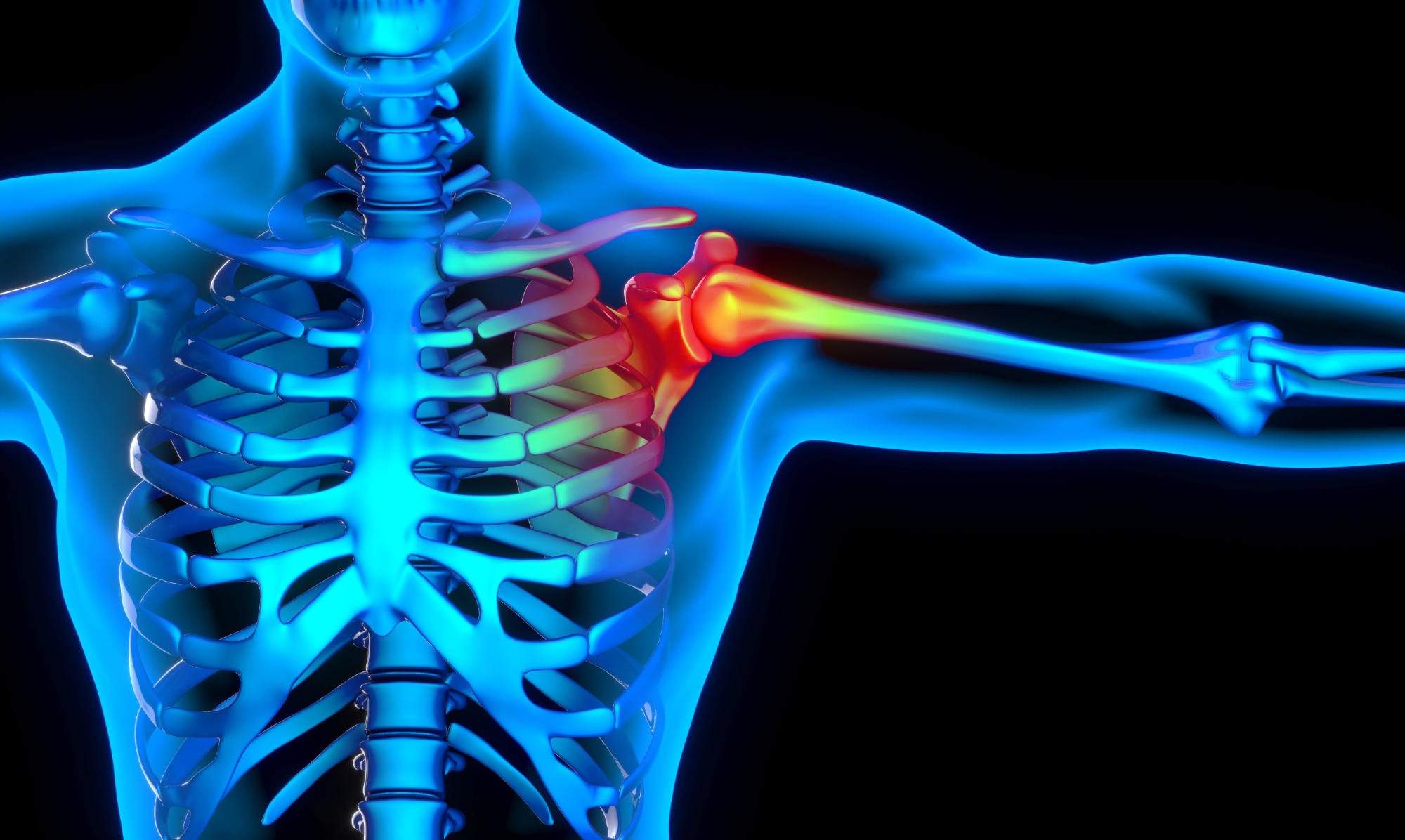
A recent clinical trial published in The BMJ challenges the effectiveness of saline injections combined with ultrasound-guided lavage for treating shoulder calcific tendinopathy. The study found that this commonly used treatment offers no significant advantage over a placebo. The researchers suggest a critical reconsideration of existing treatment guidelines and the exploration of alternative approaches. While the use of ultrasound-guided lavage or subacromial corticosteroid injection may still provide short-term pain relief, further studies are needed to assess treatment response and explore other options.
A recent study at Stanford University accidentally discovered the power of the placebo effect while researching the antidepressant effects of ketamine. Participants who received a placebo reported the same positive results as those who received the actual drug. The placebo effect, which occurs within the same brain mechanisms as opiates or ketamine, has been found to improve various health conditions such as pain, depression, and symptoms of IBS. Factors such as genetics, psychological tendencies, cultural beliefs, and the doctor-patient relationship can influence the placebo response. Transparent use of placebos, along with empathetic communication from healthcare providers, may offer non-drug treatments with the potential to reduce reliance on medications with negative side effects. While the stigma around placebos may prevent them from being used as interventions, the research highlights the importance of doctors showing more empathy and spending more time with patients.
A recent study at Stanford University accidentally discovered the power of the placebo effect while researching the antidepressant effects of ketamine. Participants who received a placebo reported the same positive results as those who received the actual drug. The placebo effect, which occurs within the same brain mechanisms as opiates or ketamine, has been found to improve various health conditions such as pain, depression, and symptoms of IBS. Factors such as genetics, psychological tendencies, cultural beliefs, and the doctor-patient relationship can influence the placebo response. Transparent use of placebos, along with empathetic communication from healthcare providers, may offer non-drug treatments with the potential to reduce reliance on medications with negative side effects. While the stigma around placebos may prevent them from being used as interventions, the research highlights the importance of doctors showing more empathy and spending more time with patients.
A Stanford study has found that both ketamine and placebo treatments can reduce depression symptoms in patients, suggesting that positive expectations may play a crucial role in treatment outcomes. The researchers conducted a unique trial where participants with moderate to severe depression were given either ketamine or a placebo during routine surgery while under general anesthesia. Surprisingly, both groups experienced significant improvements in depression symptoms, with scores on the depression rating scale dropping by half just one day after treatment. The researchers believe that positive expectations may be a key factor in ketamine's effectiveness, highlighting the power of psychological factors in treatment. However, they also emphasize that ketamine is not just a placebo and that there may be a physiological mechanism at play. Further research is needed to understand the direct pharmacological effects of ketamine and its potential benefits beyond the placebo effect.