Tag

Optoelectronics

All articles tagged with #optoelectronics

"Light-Powered Nanoscale Control of Electrical Currents for Next-Gen Tech"

Originally Published 1 year ago — by Nature.com

Featured image for "Light-Powered Nanoscale Control of Electrical Currents for Next-Gen Tech"
Source: Nature.com

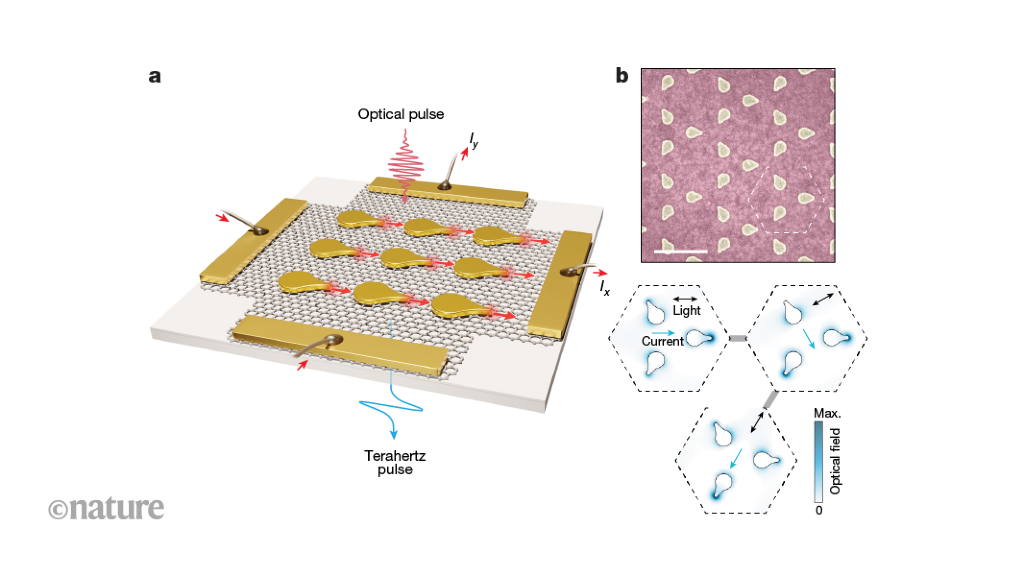
Researchers have developed an innovative class of optoelectronic metasurface that allows for precise control of electrical currents at the nanoscale using light. This breakthrough could lead to applications in terahertz science, information processing, and other fields, offering opportunities for ultrafast light-controlled charge flows.

"Invisibility Cloak: Metamaterial Chimera Vanishes Across Visible Light, Microwave, and Infrared"

Originally Published 1 year ago — by Phys.org

Featured image for "Invisibility Cloak: Metamaterial Chimera Vanishes Across Visible Light, Microwave, and Infrared"
Source: Phys.org

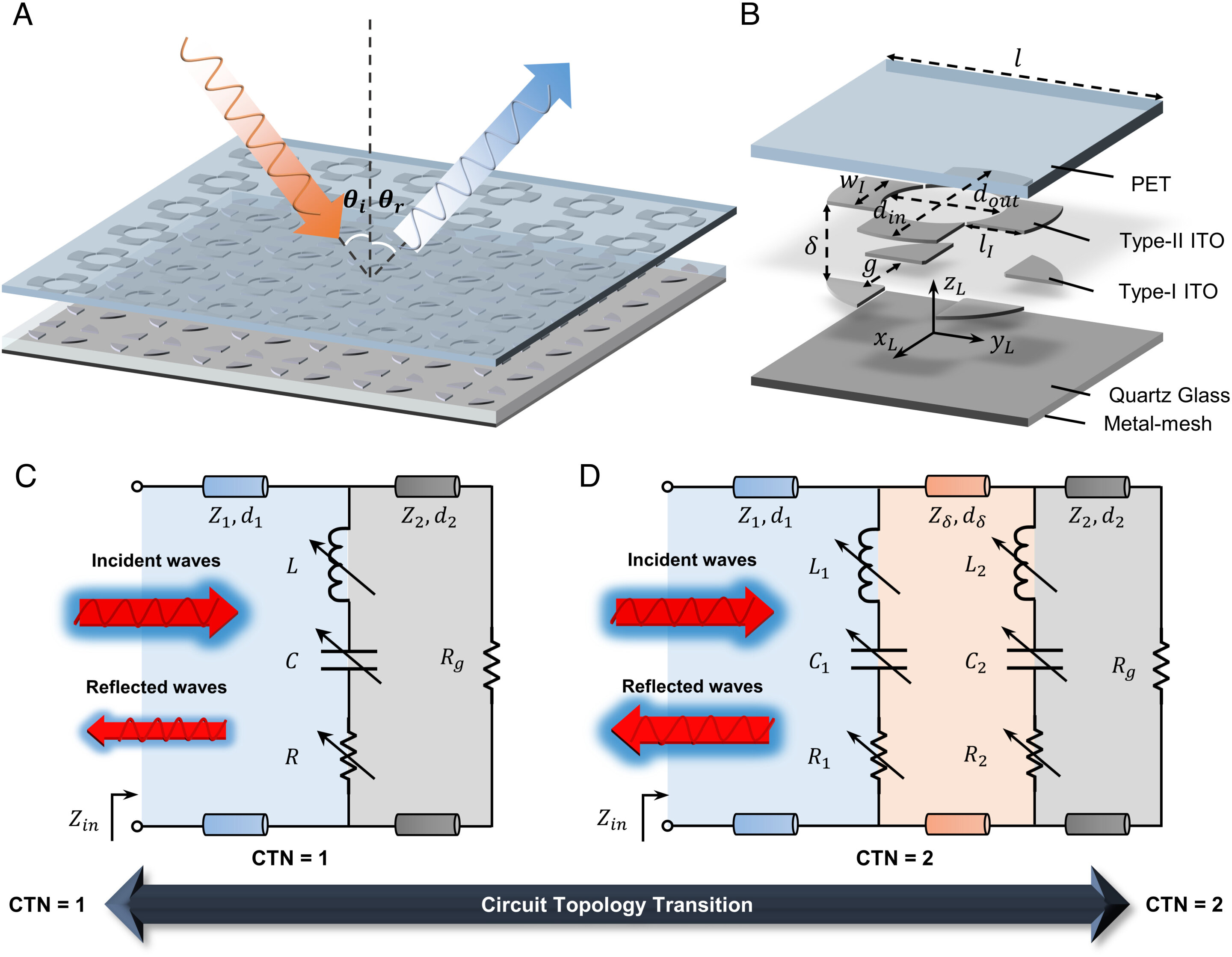
A team of engineers in China has developed a metamaterial, called a metamaterial chimera, that is nearly undetectable across visible light, microwave, and infrared spectra. Inspired by the chameleon, glass frog, and bearded dragon, the material reflects electromagnetic waves in ways that mimic these animals' abilities to blend into their surroundings, hide from predators, and remain transparent. The researchers used a five-step process to layer the material, each with its own invisibility characteristics, and found that it worked well in tests, potentially offering applications in wildlife studies and military uses.

"Chemists' Colorful Breakthrough: Organic Molecules with Potential for Light-Emitting Diodes"

Originally Published 2 years ago — by MIT News

Featured image for "Chemists' Colorful Breakthrough: Organic Molecules with Potential for Light-Emitting Diodes"
Source: MIT News

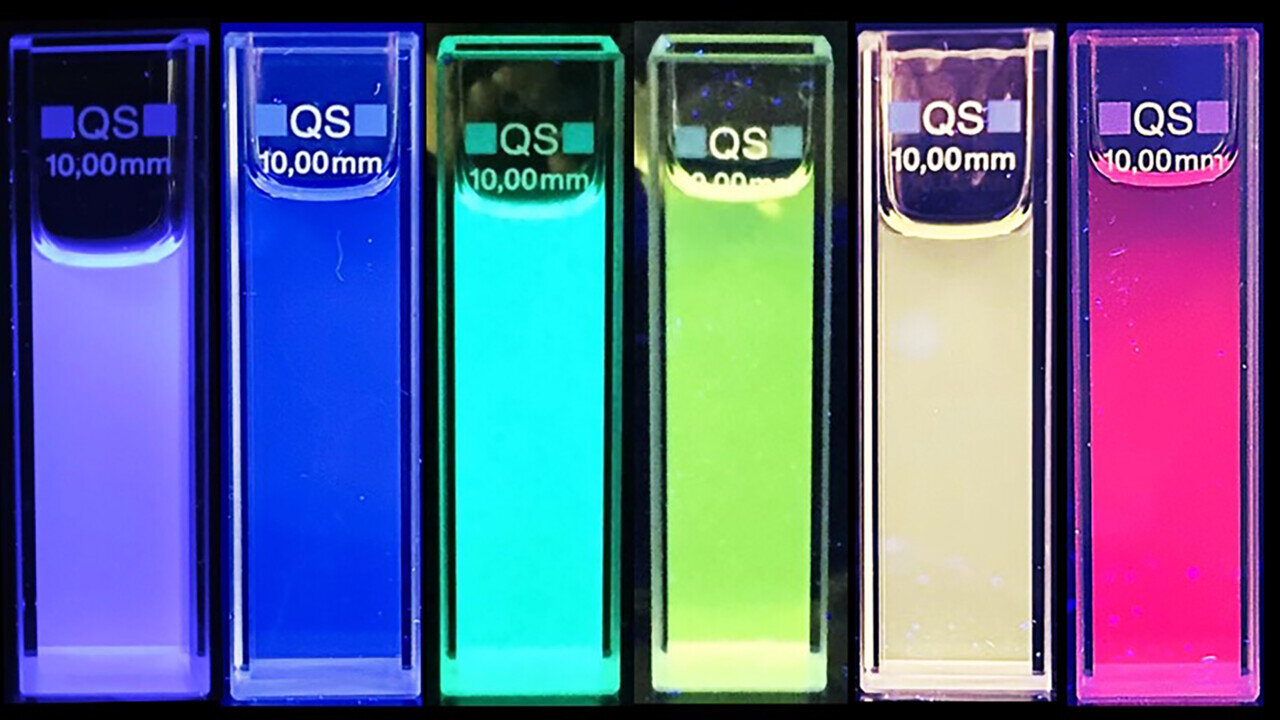
MIT chemists have developed a method to synthesize stable acenes, chains of fused carbon-containing rings that emit different colors of light. Acenes have unique optoelectronic properties that make them useful as semiconductors and organic light-emitting diodes (OLEDs). The researchers used a ligand called carbodicarbenes to stabilize the acenes, allowing them to be positively charged and improving their stability. By varying the length and chemical groups attached to the carbodicarbenes, the researchers created acenes that emit red, orange, yellow, green, or blue light. The stable acenes could have applications in imaging, light-emitting devices, and solar cells.

"Birch Leaves: A Sustainable Source for Organic Semiconductors through Pressure-Cooking"

Originally Published 2 years ago — by Phys.org

Featured image for "Birch Leaves: A Sustainable Source for Organic Semiconductors through Pressure-Cooking"
Source: Phys.org

Physicists at Umeå University, in collaboration with researchers in Denmark and China, have discovered a sustainable alternative to producing organic semiconductors for optoelectronics. By pressure-cooking birch leaves, they have produced nanosized carbon particles with desired optical properties. These "carbon dots" emit a narrow-band, deep red light and have comparable properties to commercial quantum dots used in semiconductor materials, but without heavy metals or critical raw materials. The researchers demonstrated the potential of these carbon dots in light-emitting electrochemical cell devices, showing comparable brightness to a computer screen. This method of utilizing biomass as a raw material for organic semiconductors offers a more sustainable approach to meet the increasing demand for optoelectronic technologies.

The Dawn of Optoelectronics Chip Revolution

Originally Published 2 years ago — by SciTechDaily

Featured image for The Dawn of Optoelectronics Chip Revolution
Source: SciTechDaily

Researchers at the Max Planck Institute for the Structure and Dynamics of Matter (MPSD) have successfully integrated laser-induced superconductivity on a chip, opening up new possibilities for optoelectronic applications. Using on-chip non-linear THz spectroscopy, they observed non-linear electrical responses in K3C60 thin films and discovered critical current behavior, providing valuable insights into the physics of superconductivity in quantum materials. This breakthrough paves the way for advancements in the optical manipulation of materials and the development of new devices based on non-equilibrium superconductivity.

"MIT's Light-Based Machine-Learning System Boosts Large Language Models 100x"

Originally Published 2 years ago — by SciTechDaily

Featured image for "MIT's Light-Based Machine-Learning System Boosts Large Language Models 100x"
Source: SciTechDaily

Researchers at MIT have developed a machine-learning system based on light that demonstrates over 100-fold improvement in energy efficiency and a 25-fold improvement in compute density compared to current systems. The system, which uses micron-scale lasers, could pave the way for machine-learning programs that are several orders of magnitude more powerful than existing models like ChatGPT, while consuming significantly less energy. The technology could enable the deployment of large-scale optoelectronic processors in decentralized edge devices, such as cell phones, and accelerate machine-learning tasks. The researchers anticipate that the system could be scaled for commercial use within a few years.

"Light-based Machine Learning System Boosts Efficiency and Power of Large Language Models"

Originally Published 2 years ago — by MIT News

Featured image for "Light-based Machine Learning System Boosts Efficiency and Power of Large Language Models"
Source: MIT News

Researchers at MIT have developed a machine-learning system that uses light-based computations instead of electrons, potentially enabling machine-learning programs that are orders of magnitude more powerful and energy-efficient than current models. The system, demonstrated using hundreds of micron-scale lasers, achieved over 100-fold improvement in energy efficiency and a 25-fold improvement in compute density compared to state-of-the-art digital computers. The technology could pave the way for large-scale optoelectronic processors capable of running advanced machine-learning tasks on small devices like cellphones. The researchers anticipate further substantial improvements and expect the system to be commercially scalable within a few years.

"Revolutionary Ballpoint Pen: Writing with Customizable LEDs"

Originally Published 2 years ago — by Phys.org

Featured image for "Revolutionary Ballpoint Pen: Writing with Customizable LEDs"
Source: Phys.org

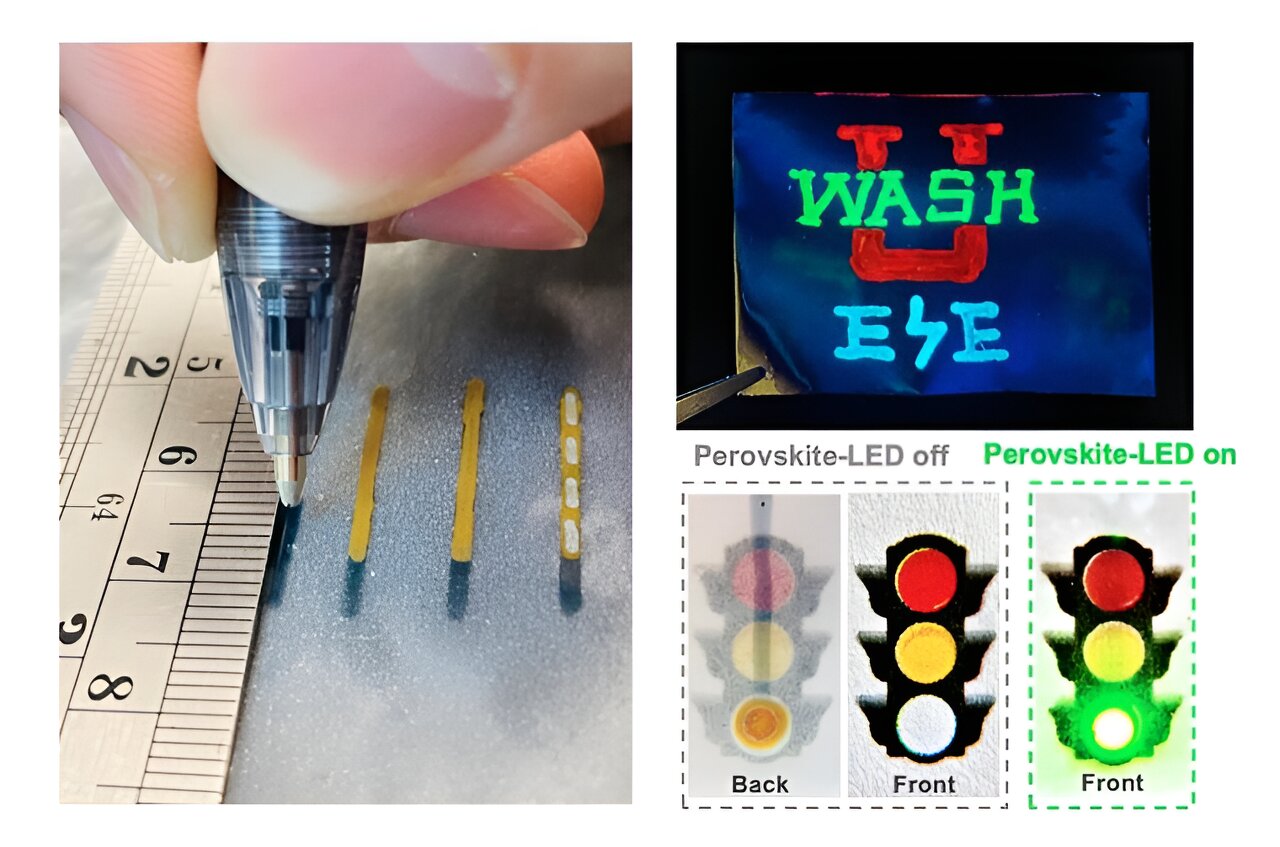
Researchers at the McKelvey School of Engineering have developed ink pens that allow individuals to handwrite flexible, stretchable optoelectronic devices on various materials, including paper, textiles, rubber, plastics, and 3D objects. The pens use specially designed inks made of conductive polymers, metal nanowires, and perovskites to create multicolor LEDs and photodetectors. This innovative handwriting approach enables the creation of functional devices quickly, easily, and cheaply, opening up possibilities for personalized wearables, disposable electronics, and next-generation wearable electronics. The technology has potential applications in education, smart packaging, medical sensors, and more, and could democratize electronic manufacturing.

Nano-Devices Revolutionize Light Sources with Switchable Colors

Originally Published 2 years ago — by The Jerusalem Post

Featured image for Nano-Devices Revolutionize Light Sources with Switchable Colors
Source: The Jerusalem Post

Researchers at the Hebrew University of Jerusalem have achieved a significant breakthrough in color switching for nanocrystals, allowing for fast and instantaneous color changes. By developing an "artificial molecule" made of two coupled semiconductor nanocrystals, the team was able to achieve dynamic color switching without losing brightness. This discovery has potential applications in displays, lighting, optical fiber-communication networks, sensors, and quantum-communication technologies. The nanomaterial breakthrough holds promise for inspiring future innovations in the field of optoelectronics.

"Breakthrough: Eco-friendly Nanomaterial Set to Transform Electronics"

Originally Published 2 years ago — by Phys.org

Featured image for "Breakthrough: Eco-friendly Nanomaterial Set to Transform Electronics"
Source: Phys.org

Researchers from the Instituto de Carboquímica of the Spanish National Research Council (CSIC) have developed a new hybrid nanomaterial that combines a conductive polymer called polythiophene with graphene oxide. This material has the ability to efficiently convert light into electricity and vice versa, making it promising for applications in optoelectronic devices such as smart device screens and solar panels. The synthesis of this environmentally friendly material using water as a solvent could lead to more sustainable electronic device manufacturing. The discovery holds potential for advancements in flexible screens, portable electronic devices, and organic solar cells, offering improved efficiency, reduced weight, enhanced flexibility, and greater sustainability.

MIT's Breakthrough: Growing Precise Arrays of nanoLEDs with Optoelectronics Nanotechnology

Originally Published 2 years ago — by SciTechDaily

Featured image for MIT's Breakthrough: Growing Precise Arrays of nanoLEDs with Optoelectronics Nanotechnology
Source: SciTechDaily

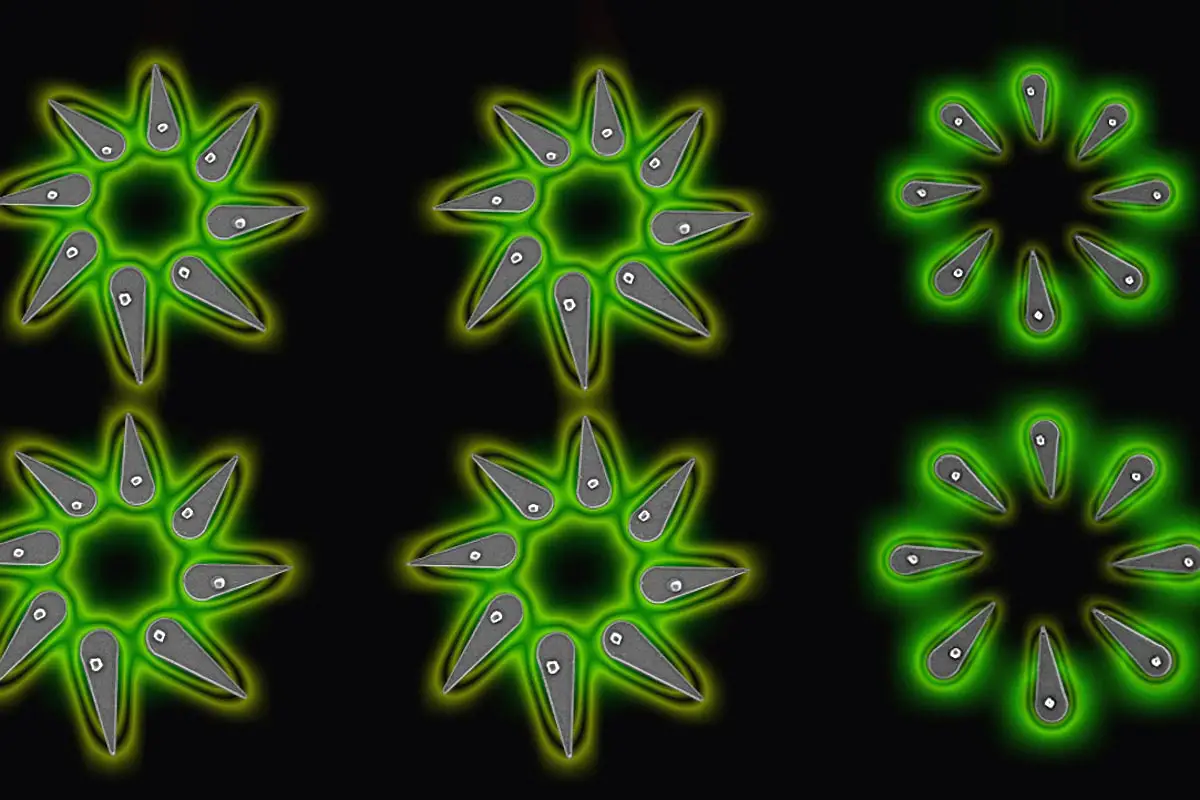
Researchers at MIT have developed a technique for growing halide perovskite nanocrystals with precise control over their location and size, eliminating the need for damaging fabrication techniques. This breakthrough method enables the integration of these delicate materials into nanoscale devices, such as nanoLEDs, opening up possibilities for advancements in optical communication, computing, and high-resolution display technology. The scalable and versatile technique allows for the fabrication of arrays of nanoscale light-emitting diodes (nanoLEDs), which could have applications in various fields, including optical communication, computing, quantum light sources, and high-density displays for augmented and virtual reality.

"Revolutionary Porous Materials: Advancing Electronics and Photocatalysis"

Originally Published 2 years ago — by Phys.org

Featured image for "Revolutionary Porous Materials: Advancing Electronics and Photocatalysis"
Source: Phys.org

Researchers at KAUST have developed a simple and reproducible technique for creating highly porous poly(aryl thioether) materials, which have potential applications in photocatalysis and optoelectronics. The material, made through a polycondensation reaction, exhibits a high surface area and pore size of less than a nanometer. It has shown promise in removing organic micropollutants and toxic mercury ions from water. The researchers aim to collaborate with the electronics industry and water treatment facilities to further explore the material's potential.

Imaging Near-Field Surface Plasmon Polaritons Launched by Nano-Emitters.

Originally Published 2 years ago — by physicsworld.com

Featured image for Imaging Near-Field Surface Plasmon Polaritons Launched by Nano-Emitters.
Source: physicsworld.com

Researchers at the University of Pennsylvania have used tip-enhanced nanospectroscopy to study surface plasmon polaritons (SPPs) in nano-emitters in the near field. The technique allowed the team to visualize spatial and spectral properties of the propagating SPPs, which could lead to exciting new practical plasmonic devices. The researchers found that the electric-field intensity varied periodically as the distance between the tip and the nanoplatelet was increased, confirming the presence of a standing wave and demonstrating how the nanoplatelet and tip act as a kind of cavity.

"Advancements in Optical Imaging and Forces with Helical Polymers and Fiber Frameworks"

Originally Published 2 years ago — by Nature.com

Featured image for "Advancements in Optical Imaging and Forces with Helical Polymers and Fiber Frameworks"
Source: Nature.com

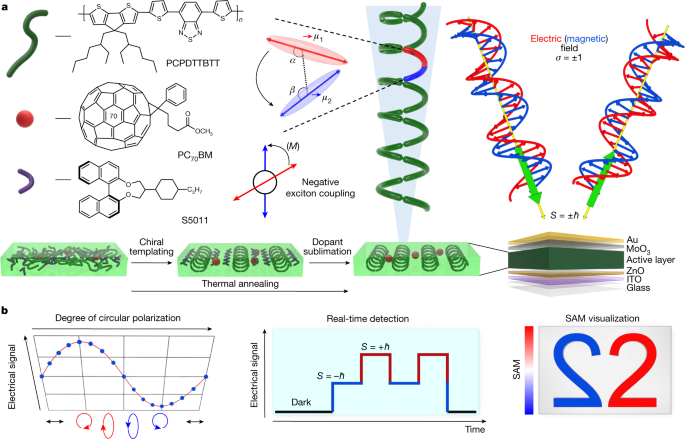
Researchers have developed helical polymers that can detect dissymmetric circularly polarized light, which has potential applications in optoelectronics and photodetection. The polymers were designed with alternating donor-acceptor units that induce a helical structure, allowing them to interact with circularly polarized light in a chiral manner. The researchers demonstrated the ability of the polymers to detect circularly polarized light in the near-infrared region, which is important for applications such as telecommunications and biological imaging.

Longer-lasting exciton breakthrough in quantum information science.

Originally Published 2 years ago — by Phys.org

Featured image for Longer-lasting exciton breakthrough in quantum information science.
Source: Phys.org

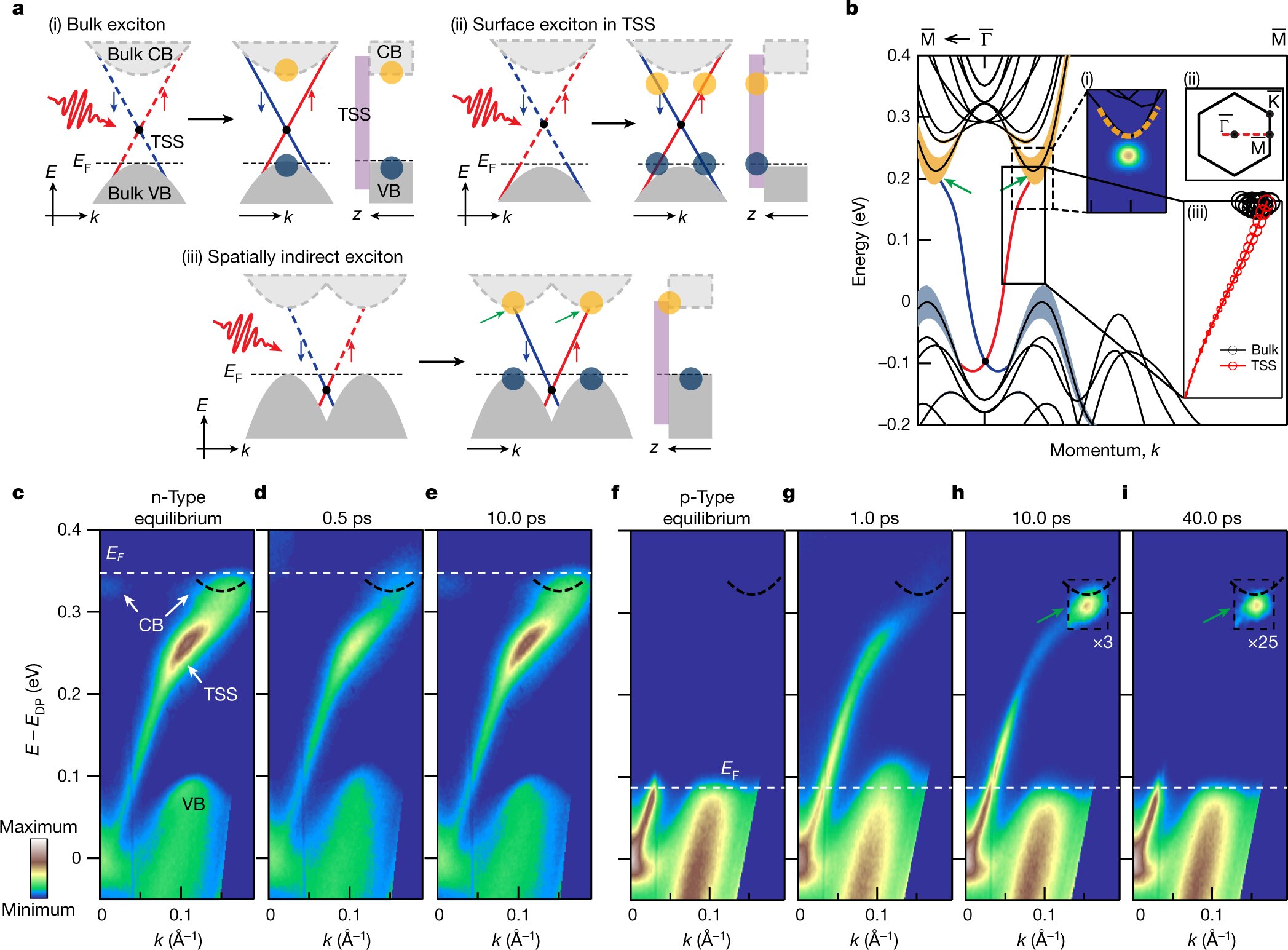
Scientists have created a long-lived exciton in a topological material using time-, spin-, and angle-resolved photoemission spectroscopy. The exciton is robust to disorder and retains the special spin properties inherent to topological surface states. This breakthrough opens up new research directions for optoelectronics and quantum computing, as longer exciton lifetimes and new ways of transferring information that don't rely on the charge of electrons are needed.