Tag

Pheromones

All articles tagged with #pheromones

science-and-technology1 year ago

Researchers Discover Rats' Ability to Move Objects Remotely

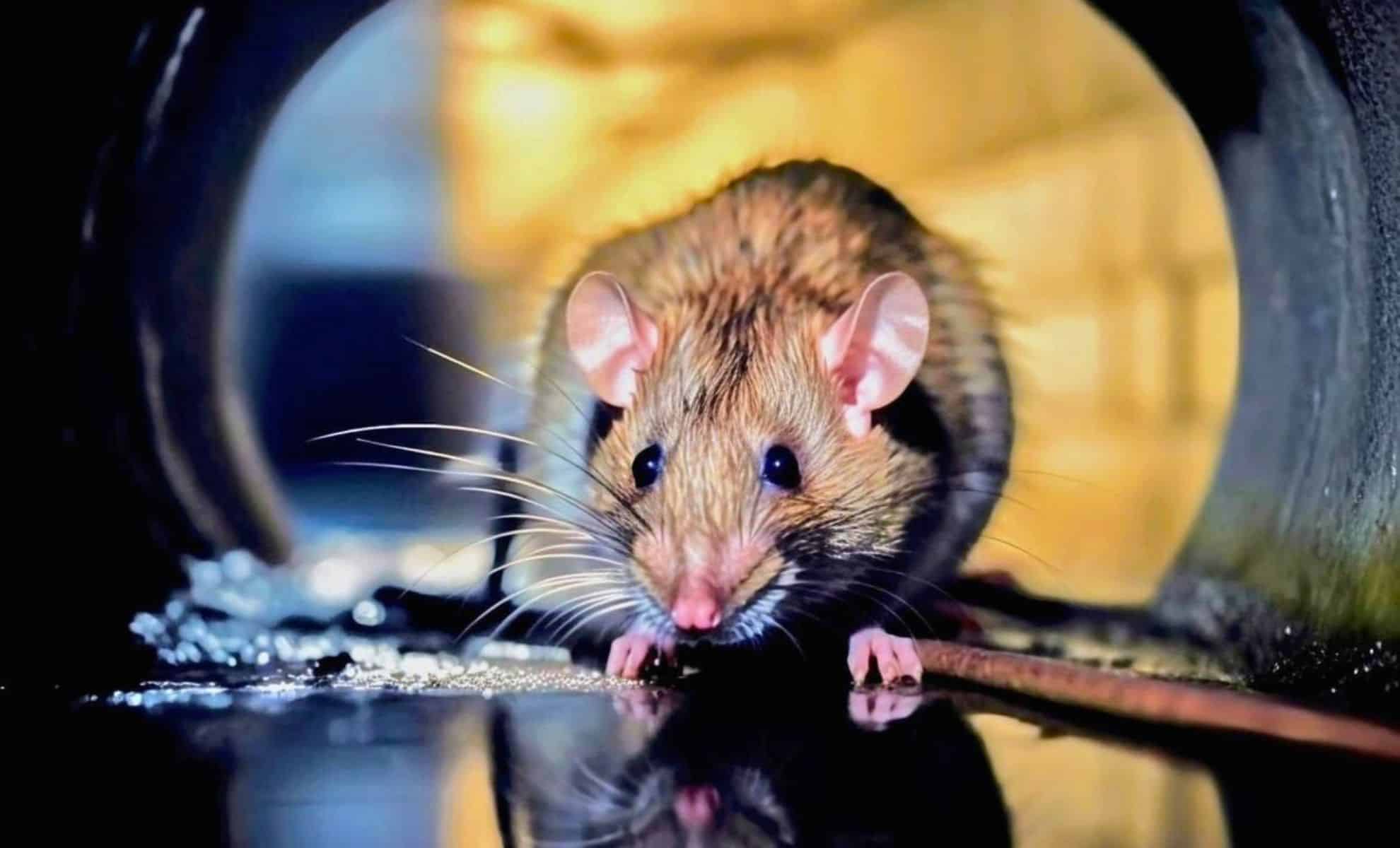
Researchers from Harvard University and the University at Buffalo have discovered that rats can manipulate matter at a distance using ultrasonic vocalizations, challenging traditional views of animal biology. These high-frequency sounds, ranging from 22 kHz to 80 kHz, allow rats to move microscopic particles, enhancing their ability to detect pheromones for communication and survival. This phenomenon not only highlights an evolutionary adaptation in rats but also suggests potential technological applications in fields like medical diagnostics and sensory enhancement.
science-and-nature1 year ago

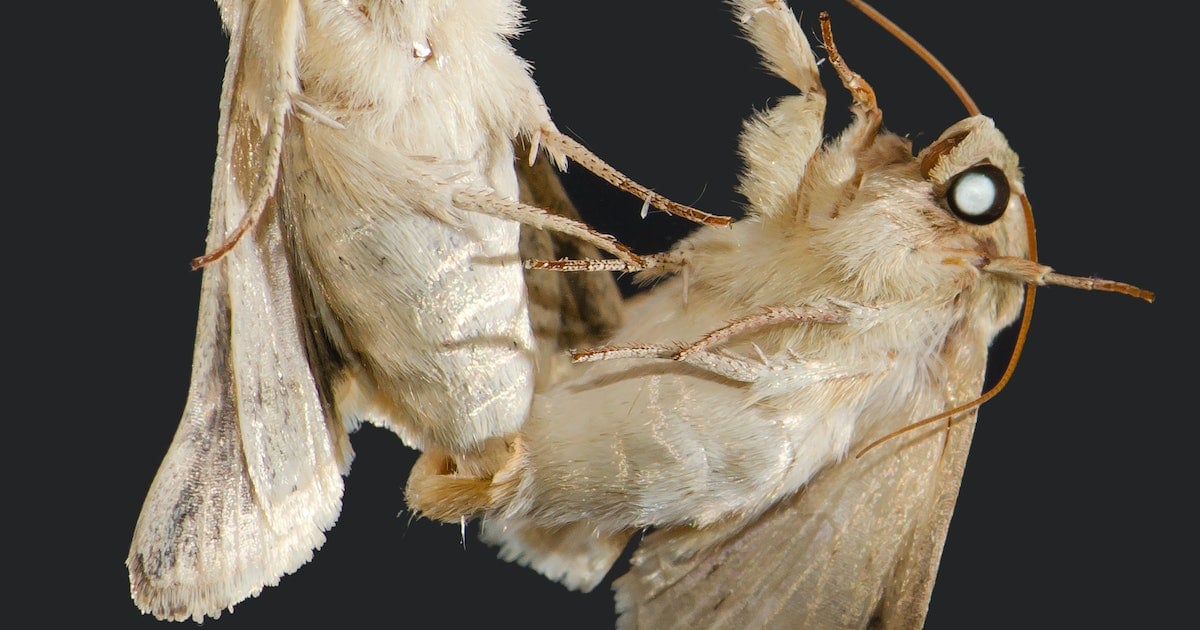
Unveiling the Mystery of the Australian Horror Moth's Tail

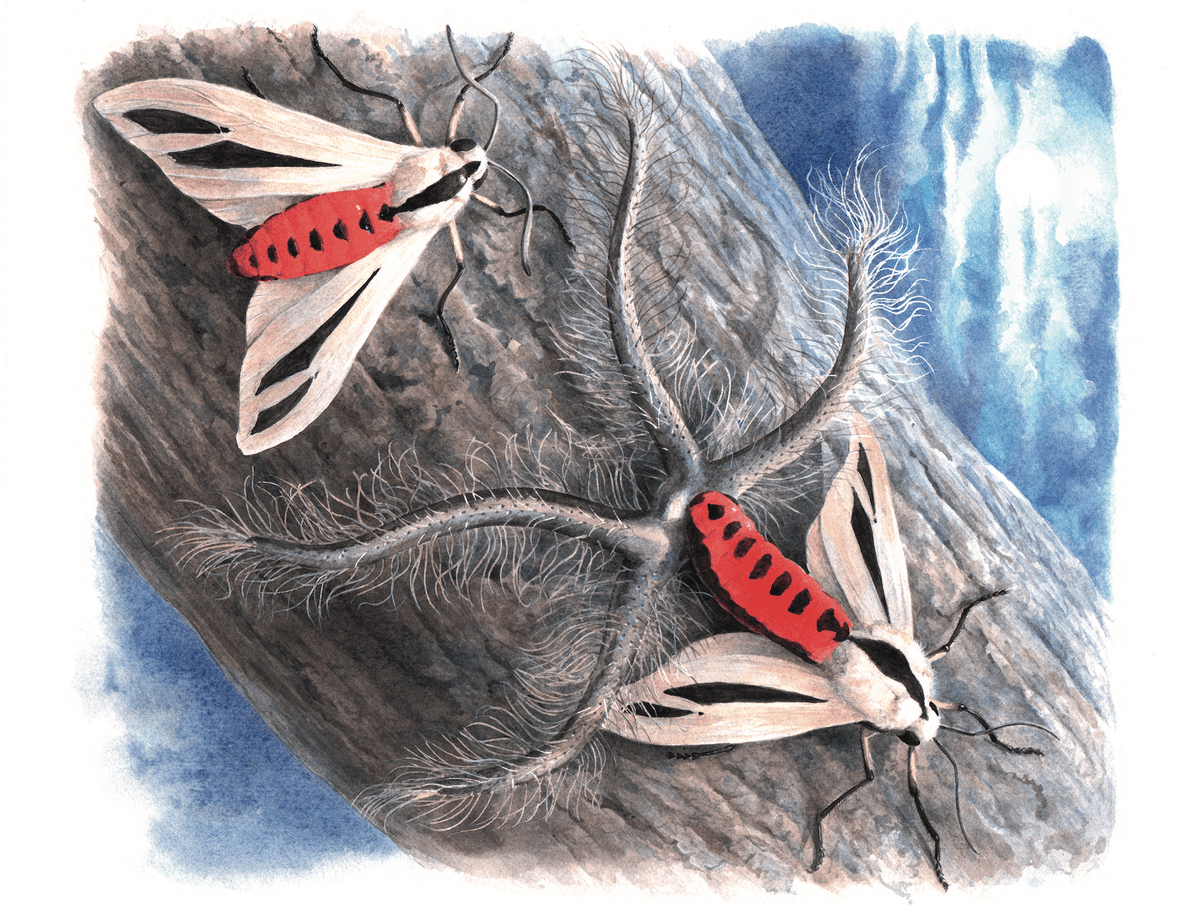
The male Australian horror moth, also known as the Baphomet moth, is notable for its unique appendages called coremata, which are long, fluffy organs used in mating rituals. These coremata, which can be larger than the moth itself, are inflated to release pheromones that attract females and deter rival males. The size and effectiveness of these appendages are influenced by the moth's diet as a caterpillar, highlighting a form of sexual selection.

health-and-science1 year ago

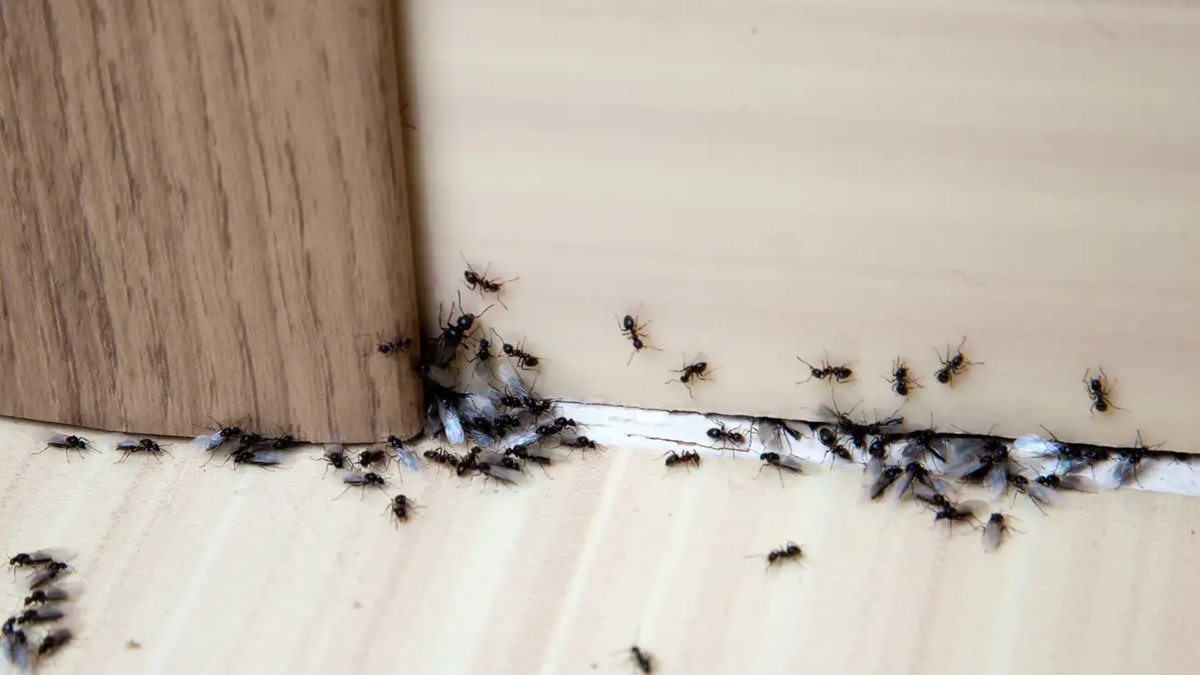
"Ant Pheromones: A Natural Defense Against Tick Bites for Hikers"

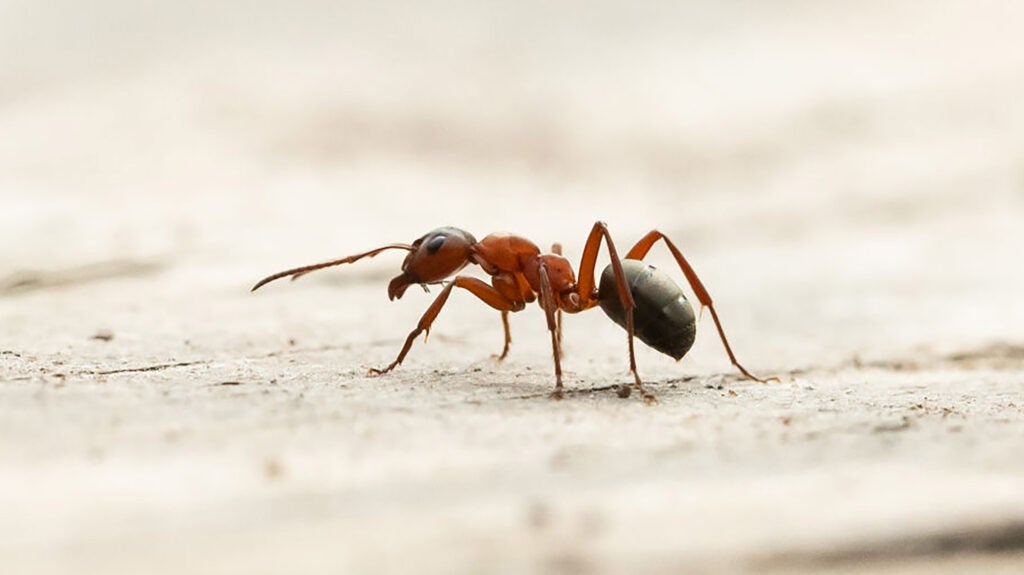
A new study suggests that ticks can be repelled by the pheromones produced by ants, leading researchers to work on synthetically replicating these ant excretions as a tick repellent. The synthetic pheromones are virtually undetectable by the human nose and could potentially be used in spray-on repellents or added to materials to create environmental barriers for ticks. The researchers have filed a provisional patent and are working with industrial sponsors to develop this into a usable product, while also exploring the possibility of combining ant pheromones with other repellent compounds for increased effectiveness.

biology1 year ago

"Crafty Spider Tactics for Luring Prey"

Spiders have evolved various crafty techniques to lure in their prey, including using their looks, scent, and touch to trick unsuspecting invertebrates. Some spiders create intricate webs with thick white silk bands to attract prey, while others use bright colors and patterns to mimic flowers and dazzle insects. Certain spiders rely on scent signals or pretend to be stuck in their prey's web to lure them out, while others imitate the mating behavior of their prey's potential mate. These complex behaviors showcase the impressive and diverse ways in which spiders use lures to capture their food.

home-and-lifestyle2 years ago

Top Plugin Traps for Effective Pest Control

Plugin traps with pheromones are an effective solution for dealing with flying pests such as houseflies, gnats, and fruit flies. Brands like Zevo offer reliable options. For outdoor spaces, the Dynatrap captures wasps, flies, mosquitos, and yellow jackets without harming bees. Ultrasonic pest repellers, like the Loraffe, can help repel ants, roaches, and rodents without the need for repeated treatments. While these solutions may be more expensive, they consistently deliver results and do not harm beneficial insects like bees.

science2 years ago

Decoding the Alluring Scent of Male Moth Pheromones

Scientists have identified the complex chemical cocktail that comprises the aphrodisiac pheromone in male moths, specifically the tobacco budworm moth. The pheromone includes a combination of alcohols, aldehydes, acetates, carboxylic acids, aliphatic polyunsaturated hydrocarbons, and plant compounds such as methyl salicylate (MeSA), which is also found in spearmint gum. The male moth's diet is the source of these compounds. The study suggests that MeSA increases a male moth's chances of mating, and female moths are tuned in to this chemical signal when choosing a mate.

environment2 years ago

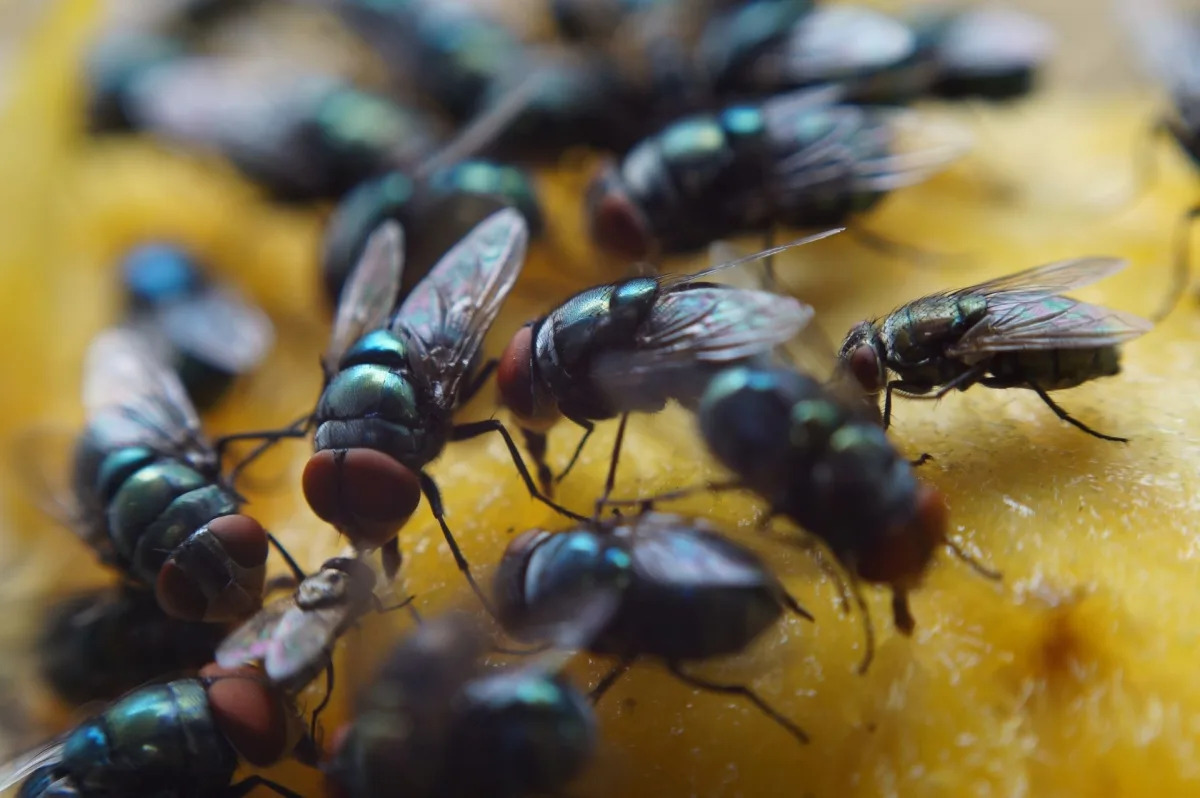
Newly Discovered Side Effect of Air Pollution Raises Concerns

Air pollution is disrupting the pheromones of flies, causing them to mate with the same sex and leading to a decline in reproduction. The increase in ozone levels caused by air pollution is responsible for the degradation of pheromones. This disruption could have a significant impact on other insects, including vital pollinators such as bees and butterflies. The only solution is to reduce pollutants in the atmosphere, which requires efforts from both large corporations and individuals.

science2 years ago

The Remarkable Communication Abilities of Ants

Ants have a specialized communication processing center in their brains that can interpret danger-signaling pheromones from other ants, according to a study published in the journal Cell. The researchers used an engineered protein called GCaMP to scan the brain activity of clonal raider ants that were exposed to danger signals. The study suggests that ants have evolved extremely complex olfactory systems compared to other insects, which allows them to communicate using many different types of pheromones that can mean different things.

science2 years ago

Chemical discovered to prevent locust cannibalism

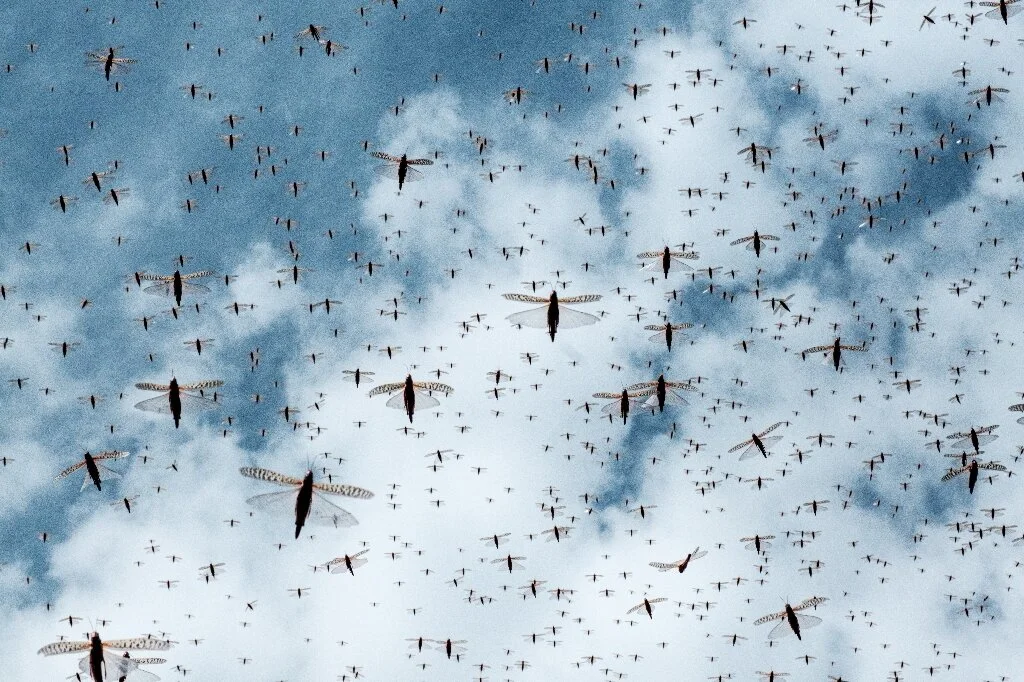
Scientists have discovered a pheromone emitted by locusts that helps them avoid being cannibalized when in a swarm. The chemical, phenylacetonitrile (PAN), was found to repel other locusts in behavioral tests. Future methods of locust control could use technology that tips the delicate balance between the mechanisms that cause migratory locusts to group together versus compete with one another.

science2 years ago

Sex Perfume: The Future of Pest Control?

Researchers at the Earlham Institute have used precision gene engineering techniques to turn tobacco plants into solar-powered factories for moth sex pheromones, which can be used to trap or distract male insects from finding a mate, replacing the need for expensive and toxic chemical pesticides. The production of these molecules can be efficiently managed so as not to hamper normal plant growth. The team fine-tuned the production of the pheromones by introducing molecular switches to precisely regulate their expression, allowing them to control both the timing and level of gene expression. The team hopes their work will pave the way to routinely using plants to produce a wide range of valuable natural products.

health2 years ago

The Link Between Smells and Aging: A New Study's Findings.

Exposure to female odors and pheromones can cause weight loss and extend the life spans of mice, according to a study by researchers at the University of Otago. The study highlights the impact of sensory cues on metabolism, aging, and the potential of olfactory signals to induce widespread changes across the body. The findings may have potential implications for humans.