Health officials warn residents in King County, Washington, about the possibility of rats appearing in toilets after recent heavy rains and flooding, and provide tips for safely removing them or contacting pest control if needed.
Minneapolis is ranked as the ninth 'rattiest' city in the U.S. based on new data from Orkin, indicating a rise in rodent activity compared to the previous year, and is the only Minnesota city on the list, which includes several Midwestern cities and Los Angeles at the top.
The article humorously details various infestations and pest issues faced by staffers at The Autopian, including bats, ants, mice, and invasive ducks, along with their experiences and solutions for managing these problems.
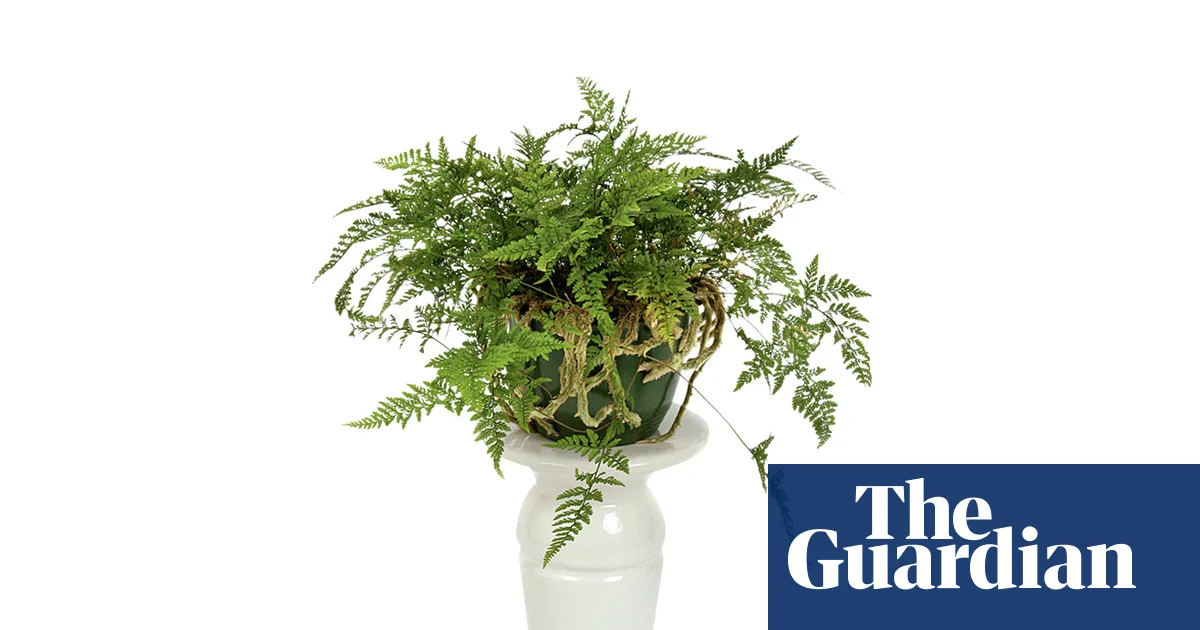
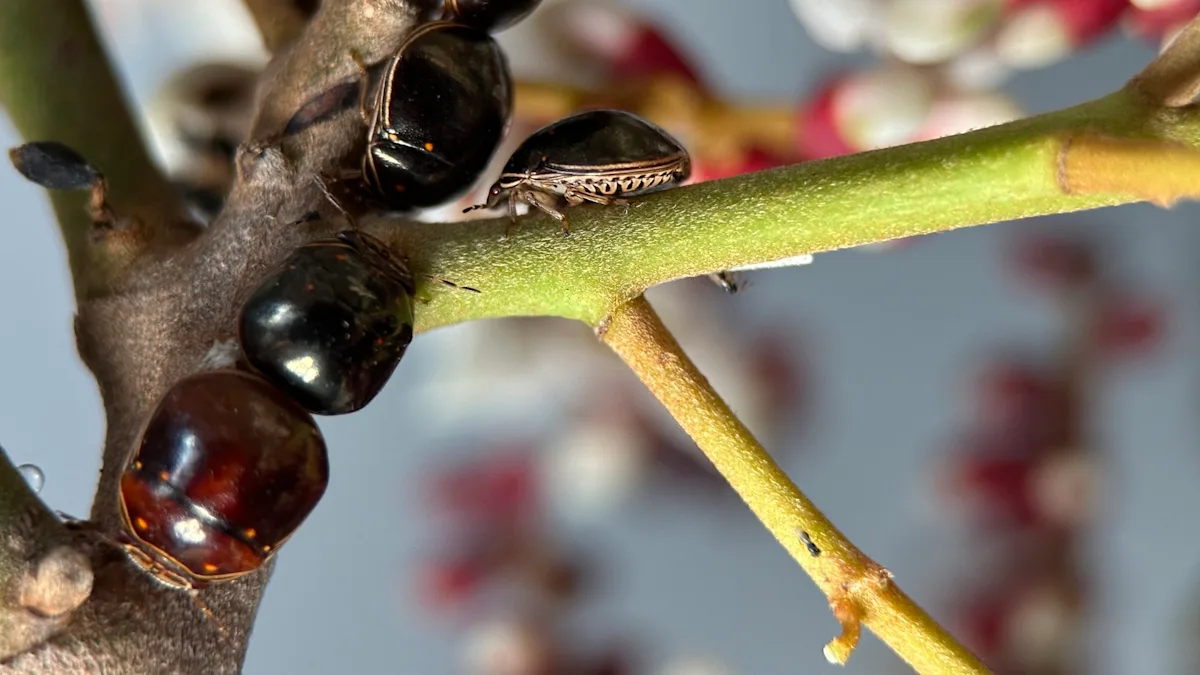
The brown lumps on the rabbit’s foot fern are likely scale insects, which can be treated with neem oil or insecticidal soap, and prevention involves quarantine, regular inspection, and maintaining good airflow.
Amazon shoppers recommend a $35 solar ultrasonic mole repellent that emits sounds to deter moles, gophers, and snakes, helping to protect lawns without harm or chemicals. Many users report noticeable improvements in lawn health and ease of use, though it may not be a long-term solution for severe infestations.
Scientists have found that azuki bean beetles, a pest affecting legume crops, lay larger male eggs under stress from increased temperatures and CO2 levels, influenced by Wolbachia bacteria, which could worsen crop damage in a changing climate. This discovery highlights the need for targeted pest management strategies that consider environmental impacts and microbial interactions to protect food supplies without harmful chemicals.
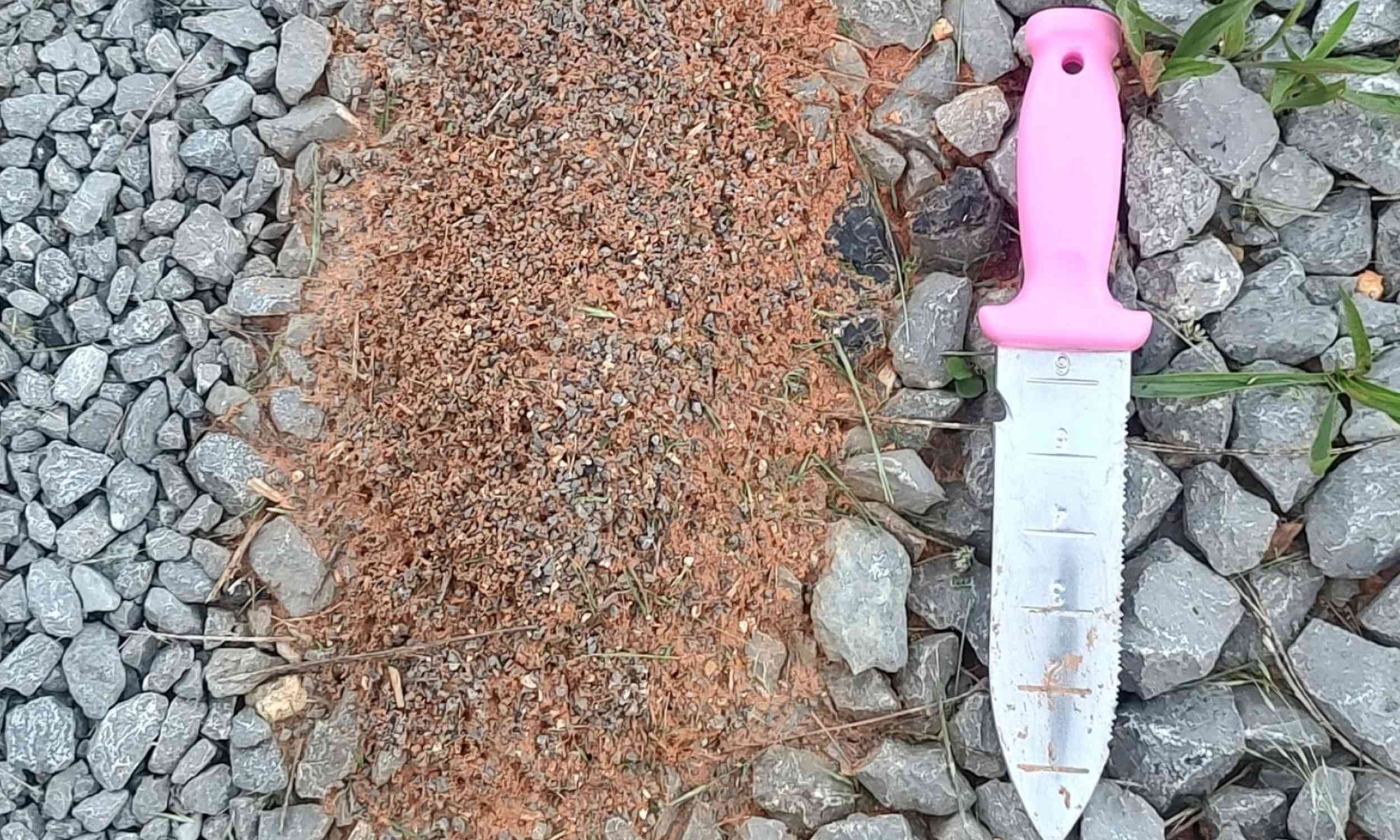
A new hybrid fire ant, dubbed the 'Frankenstein ant,' is rapidly spreading across the U.S., thriving in various climates and terrains due to its adaptability and genetic advantages, posing threats to plants, humans, and livestock. Efforts to manage its spread include quarantine measures, treatment protocols, and public awareness campaigns.
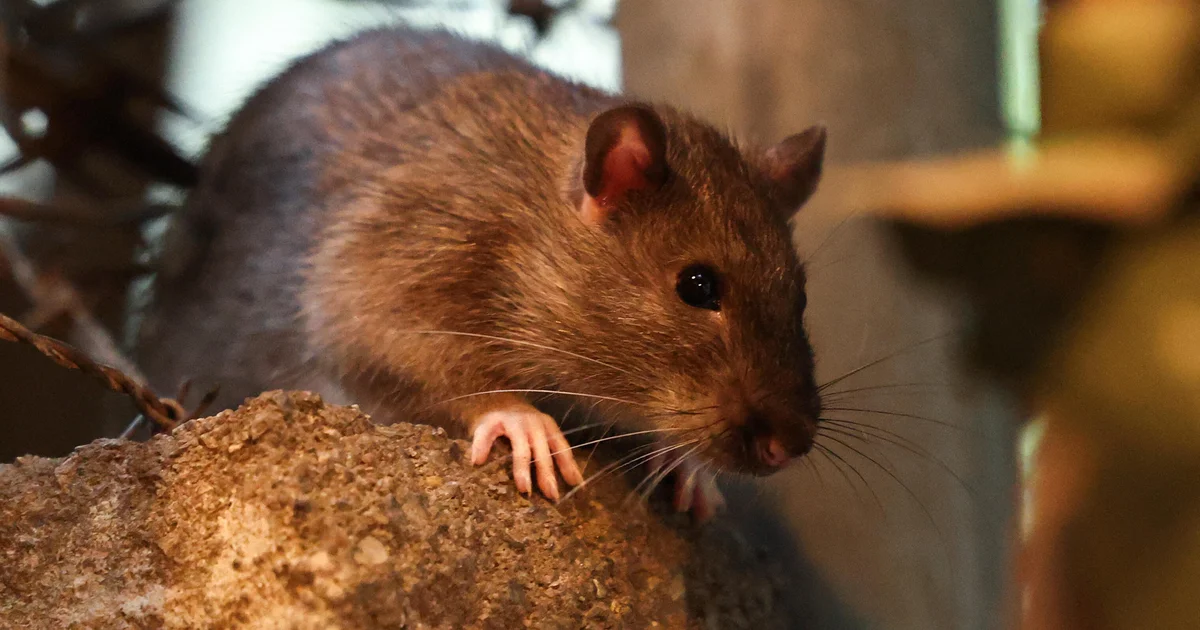
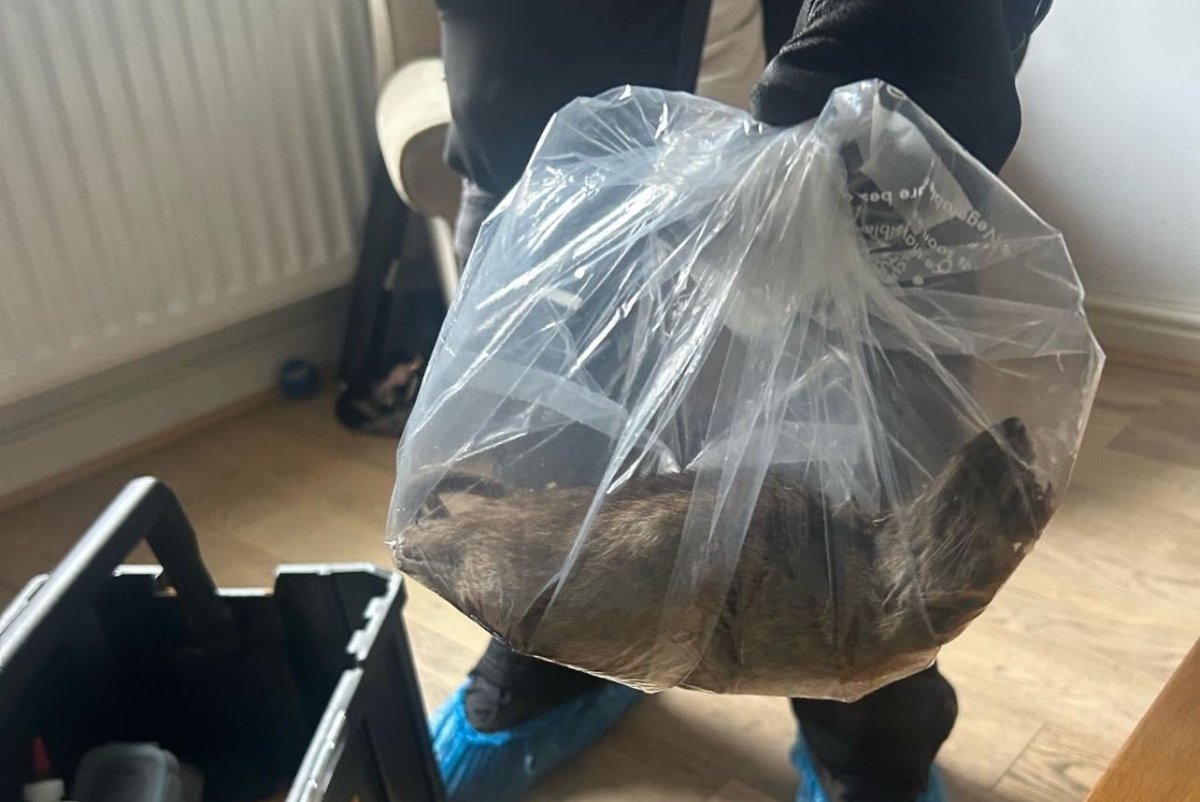
In North Yorkshire, England, a 22-inch rat was removed from a home, highlighting a worsening rodent infestation in the area. Local officials are calling for increased pest control efforts and funding to address the problem.
The article provides three organic methods to deter sweat bees from your yard: planting fragrant herbs like mint and eucalyptus, mulching exposed ground to prevent burrowing, and keeping the yard tidy to reduce shelter. These strategies aim to make the environment less attractive to sweat bees, which are pollinators but can sting when attracted to human sweat, especially around outdoor seating areas.
To reduce mosquito presence in your garden, avoid planting water hyacinth, bamboo, fountain grass, hostas, and taro, as these plants create ideal breeding environments for mosquitoes due to their moisture-retentive properties and shaded, damp conditions. Employing other pest control methods, such as removing standing water and using natural repellents, can further help keep mosquitoes at bay.
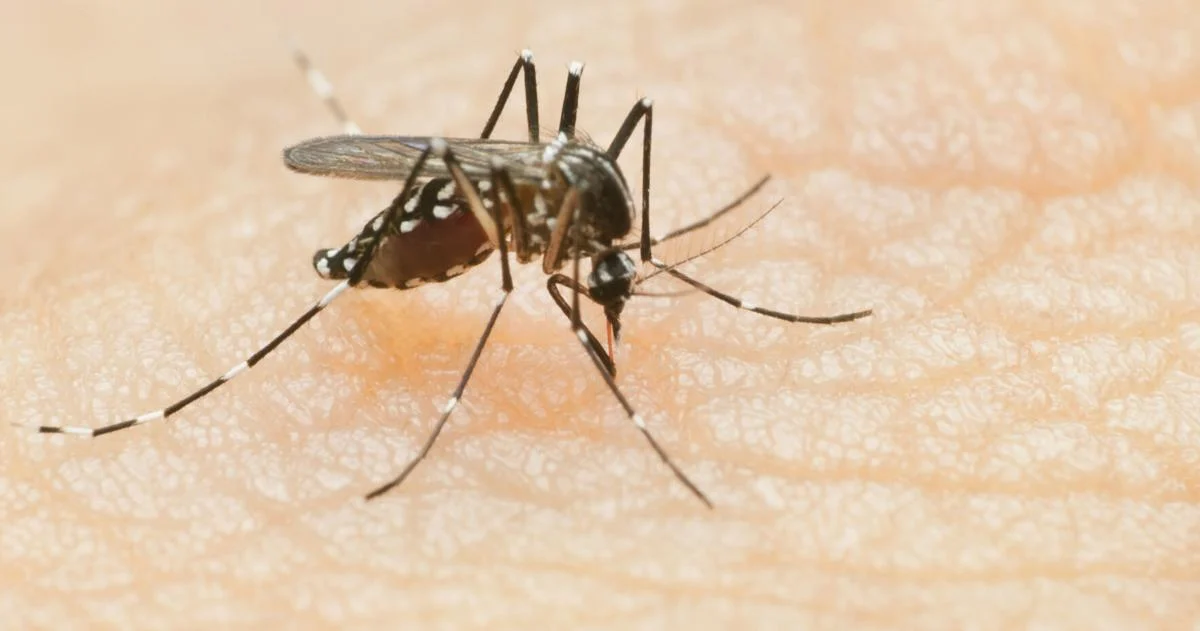
Myrtle Beach, along with Greenville and Columbia, South Carolina, ranks among the top 50 U.S. cities for mosquito infestations in 2025, according to pest control reports, highlighting the importance of proactive mosquito control measures to prevent disease transmission and reduce nuisance bites during the peak season from April to October.
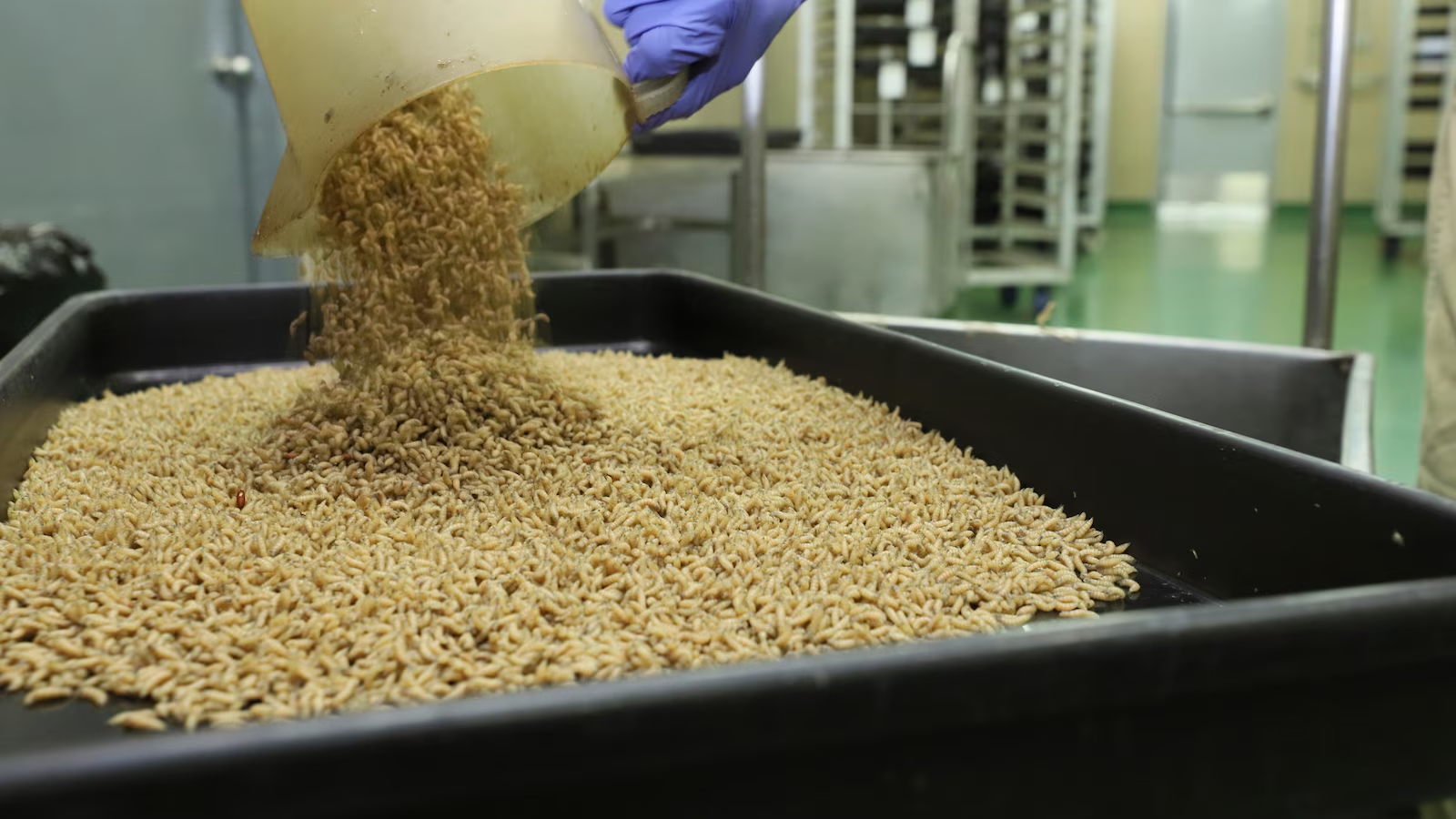
The US plans to breed and release billions of sterile flies to combat the flesh-eating screwworm pest threatening livestock and wildlife, using environmentally friendly methods that have previously eradicated the pest in North America.
The U.S. plans to breed and release billions of sterile flies to combat the flesh-eating screwworm fly, a pest threatening livestock and wildlife, using environmentally friendly methods that have historically been effective in eradication efforts, with new facilities planned in Mexico and Texas to prevent re-infestation.
The article discusses seven plants—marigolds, lavender, geraniums, painted daisies, milkweed, garlic, and peppermint—that can help prevent or control grub infestations in gardens by repelling or attracting pests, promoting soil health, and maintaining ecological balance.
Planting specific plants like daffodils, alliums, garlic, marigolds, and mint can naturally deter moles from damaging flowerbeds by emitting strong scents or chemicals that irritate or confuse these underground critters, providing an effective and eco-friendly pest control method.