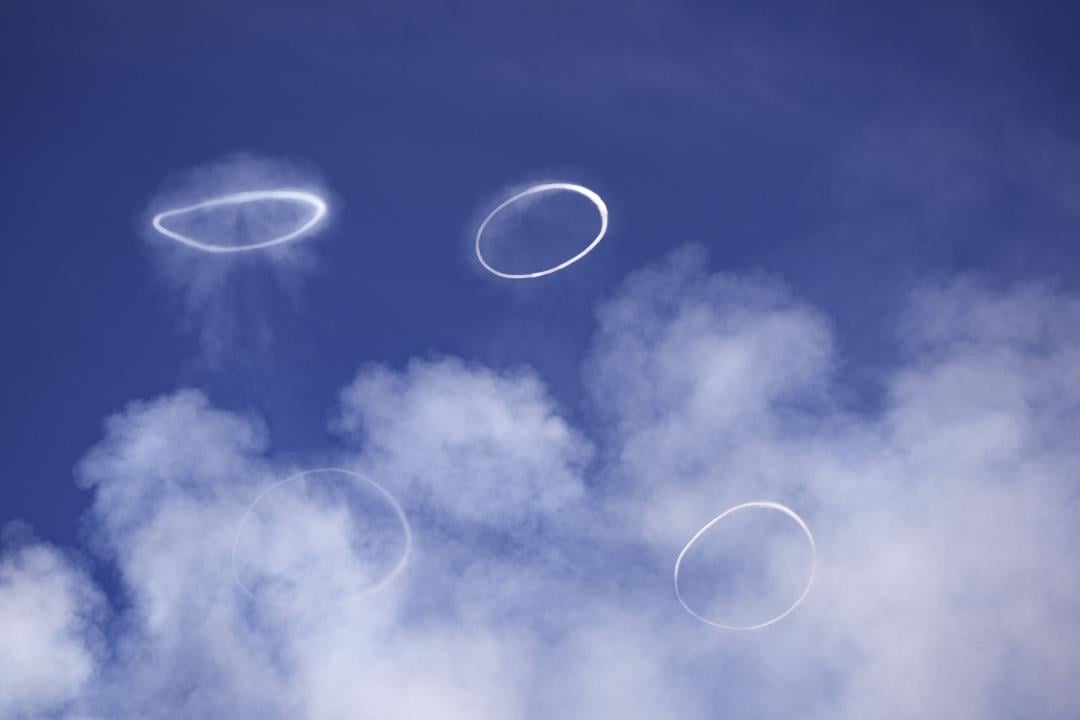
Italy's Mount Etna recently produced perfectly circular volcanic vortex rings, some with a pink hue, a phenomenon first observed in 1724 and now seen at various volcanoes worldwide. The rings are formed by a combination of fast gas release from gas bubbles at the top of the magma conduit and regularity in the shape of the emitting vent, and are composed of roughly 80% water vapor and 20% sulfur dioxide and carbon dioxide. Etna's unique crater shape contributes to the rings' circular nature, and the recent quantities of rings produced were described as "unprecedented" by a Sicilian volcanologist.
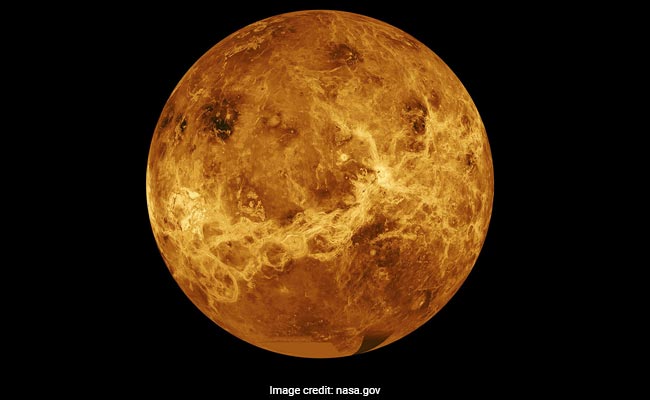
Photographer captures rare green flash from Venus in the night sky above Sweden, attributed to the cold atmosphere and sharp gradient in air temperatures acting like a prism. The phenomenon, more common at sea when the Sun is low on a clear horizon, lasted about a second and has gone viral on social media. Similar green flashes are emitted by the Sun when it rises above the horizon due to refraction, where the bending of light causes it to change speed as it passes from one medium to another.
Physicists at the Technical University of Denmark have unraveled the physics behind a perplexing "magnet levitation" phenomenon, where the fast rotation of one magnet causes another nearby magnet to levitate, challenging traditional physics laws. Through a series of experiments, they discovered how a spinning magnet can induce levitation in a secondary magnet without requiring stability, shedding light on a previously puzzling concept.
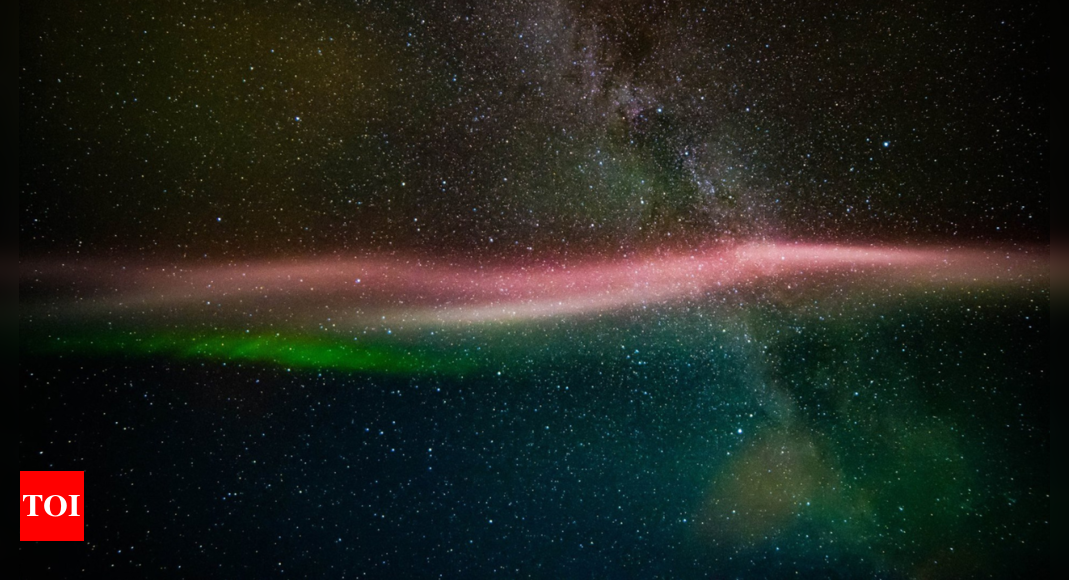
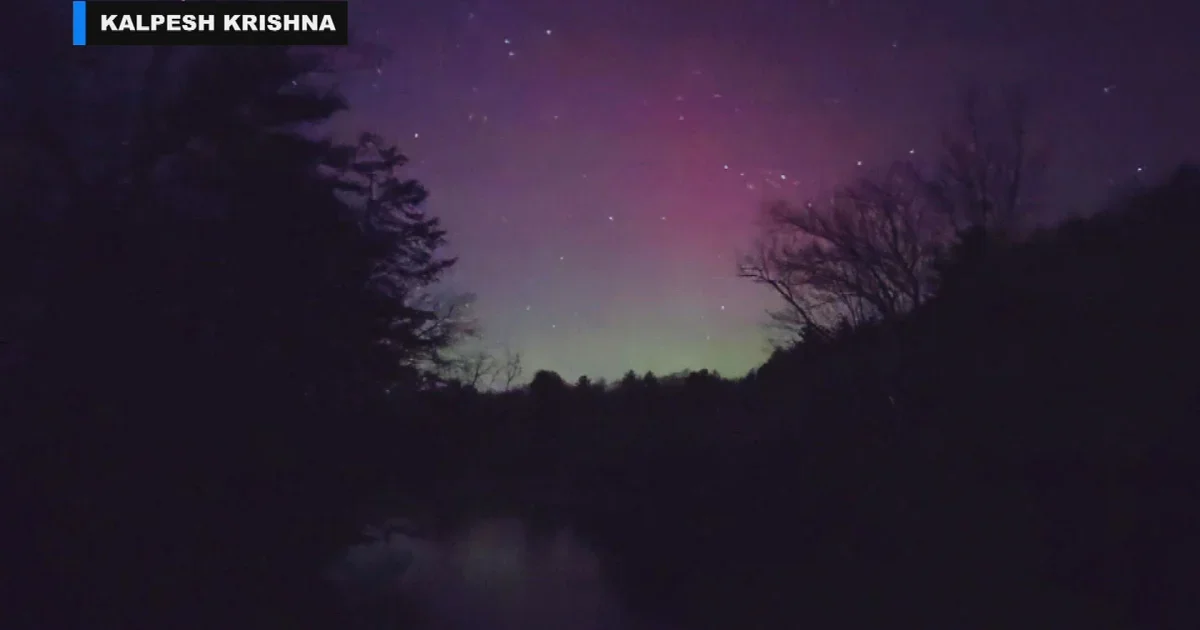
With increased solar activity, a rarely seen light display called Steve has become more visible in the northern and southern latitudes. Unlike aurorae, Steve appears further south and can be seen as a purple and green light ribbon in the sky. It lasts for 20 minutes to an hour and sometimes has a "picket fence" appearance. Steve is associated with auroras but is not classified as one. New research suggests that Steve's streaks occur when charged particles are heated up high in the atmosphere, outside the auroral zone.
People are sharing examples of the Mandela Effect phenomenon on social media, where they recall certain details differently from what is commonly accepted. Examples include misremembering movie quotes, historical events, brand names, and even the geography of South America. These shared experiences have sparked discussions about collective consciousness and the fallibility of human memory.
A mysterious fireball was spotted in the sky over central Kentucky, leaving witnesses puzzled. Multiple people reported seeing the object, which appeared suspended in the sky for a few minutes before gradually moving. Speculations range from it being a fireball caused by a meteor entering the atmosphere to a fragment of a satellite. University of Kentucky Professor of Physics and Astronomy, Tom Troland, stated that it is difficult to determine the exact nature of the object.
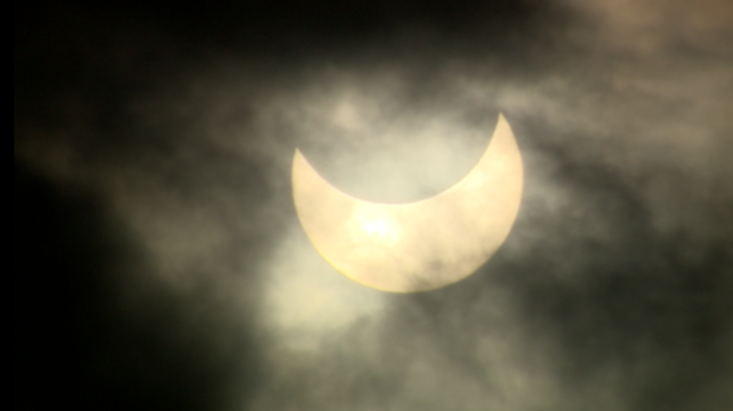
A solar eclipse swept across the western hemisphere, captivating crowds in Sacramento as they gazed towards the sun. This was considered the last significant eclipse in the area for many decades, with the next partial eclipse occurring in April 2024 but being much smaller in comparison. After April 2024, the next eclipse over Sacramento won't be until 2071.
Engineers at Lehigh University have discovered a phenomenon where magnetized sand flows uphill, defying conventional wisdom about granular materials. The research, published in Nature Communications, challenges our understanding of how these materials behave. By using equations that describe the flow of granular materials, the researchers were able to confirm that the particles were indeed moving uphill, contrary to the force of gravity.
Researchers have been investigating the phenomenon of jamais vu, the opposite of déjà vu, where something familiar feels unreal or novel. In a lab setting, participants were asked to repeatedly write the same word, and 70% of them stopped because things began to feel strange or jamais vu. The study suggests that jamais vu serves as a signal that something has become too automatic or repetitive, helping us "snap out" of our current processing and providing a reality check.
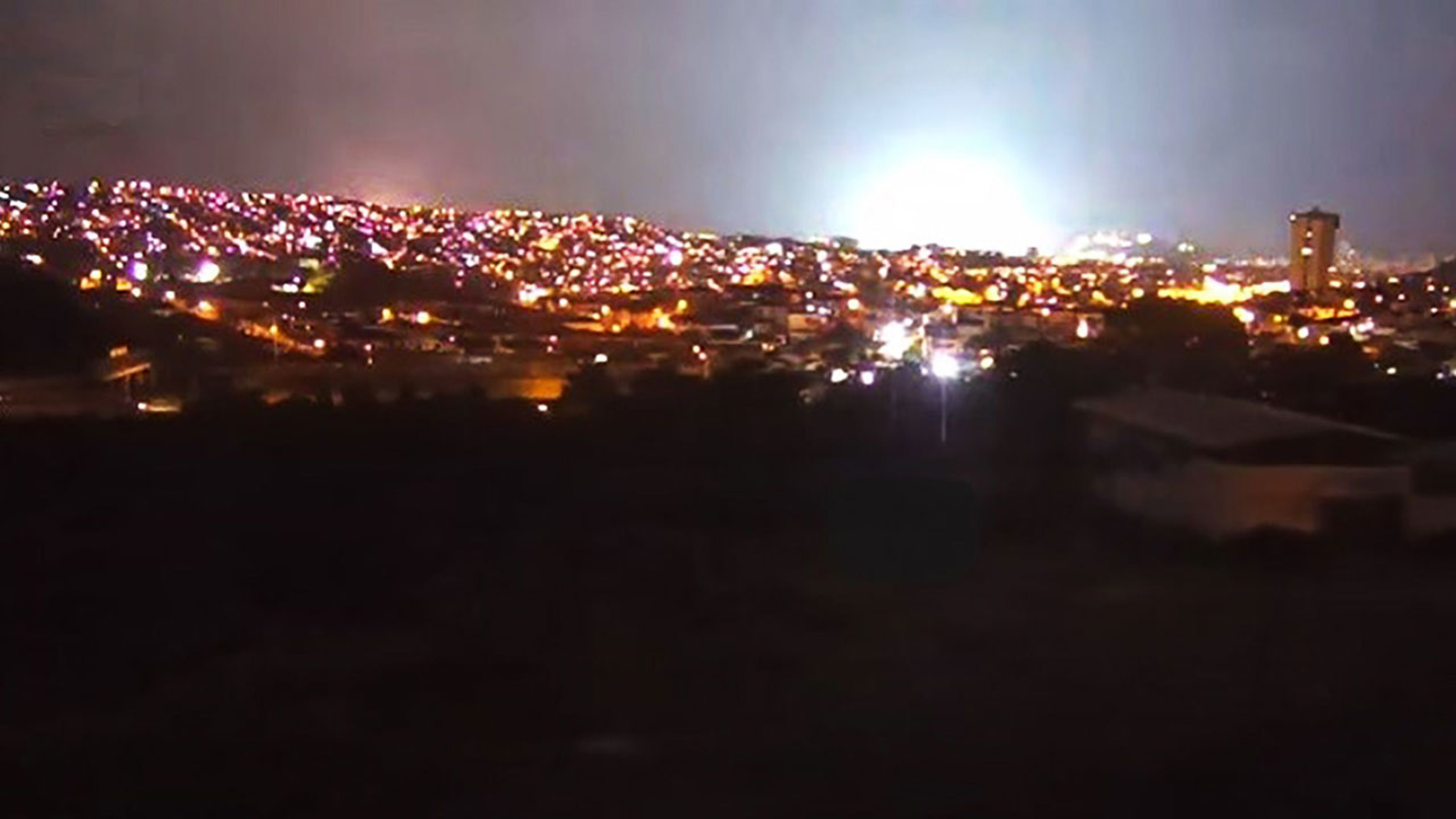
Videos capturing "earthquake lights" before a recent earthquake in Morocco have sparked interest among scientists. These mysterious outbursts of bright, dancing lights in various colors have been reported for centuries, dating back to ancient Greece. While there is no consensus on what causes them, researchers have gathered information on earthquake lights associated with trustworthy reports dating back to 1600. Possible explanations include the breaking apart of crystals in rocks under mechanical stress, static electricity from rock fracturing, and radon emanation. Scientists hope to unlock the mysteries of earthquake lights to potentially aid in earthquake forecasting.
Strange lights, known as earthquake lights, have been reported for centuries and were recently captured on video before a 6.8-magnitude earthquake in Morocco. Scientists have long been puzzled by these lights, which can take various forms such as lightning-like flashes or glowing spheres. While there is no consensus on the cause, theories include the generation of electricity from stressed rocks and static electricity from rock fracturing. Researchers have found that earthquake lights are more likely to occur before or during seismic events and are often observed within tectonic plates and near rift valleys. The hope is that further study of earthquake lights could potentially aid in forecasting major earthquakes.
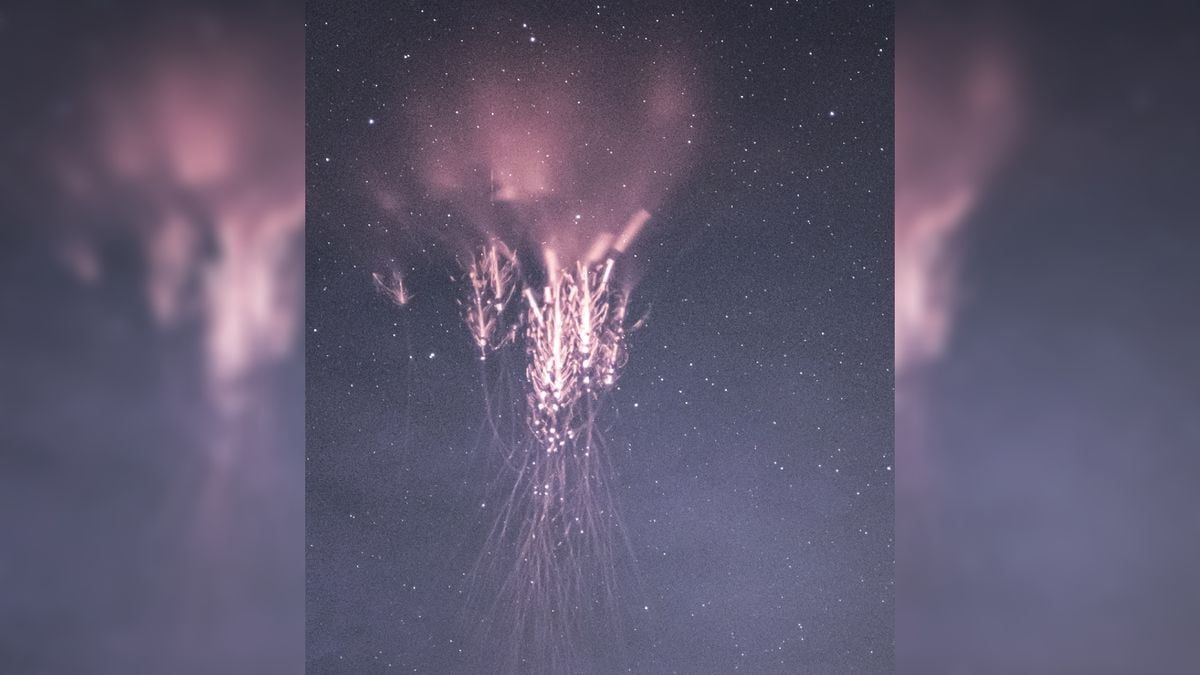
An astronomer in Slovakia captured an ultra-detailed photo of a rare type of upward-shooting red lightning known as a sprite during a thunderstorm. The sprite, resembling a gigantic jellyfish, measured over 31 miles across and lasted only a fraction of a second. Sprites are created when electrical discharges from lightning shoot upward, creating long strands of plasma in the ionosphere. They are difficult to photograph due to their fleeting nature, but advancements in technology have made it easier to capture these rare phenomena. The exact mechanism behind sprites is still unclear, but scientists believe they may be triggered by disturbances in atmospheric plasma caused by tiny objects like meteors.
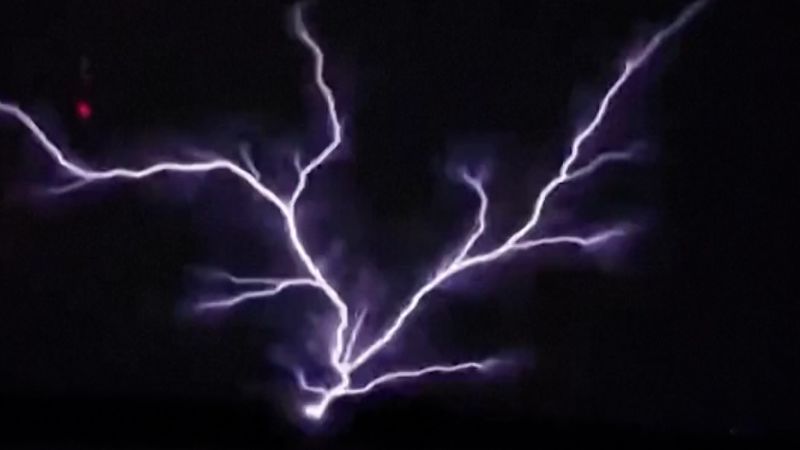
St. Elmo's fire is a rare phenomenon characterized by bright flashes of apparent lightning that can occur during thunderstorms. Pilots captured footage of this phenomenon while evacuating from a Florida airbase. St. Elmo's fire is caused by excess electrons and an electric field within storm clouds, often concentrated around pointy objects. While it is not dangerous on its own, it can indicate the presence of storms and the potential for actual lightning strikes. Sailors historically considered it a sign of good luck, but caution is advised, and mariners are advised to seek shelter when St. Elmo's fire is observed.
Coloradans will have the opportunity to witness the Northern Lights on Sunday night as the phenomenon could be seen over the northern hemisphere and the northern part of Colorado late into the evening. The best view will be between 10 pm and 2 am away from city lights. The Aurora Borealis is a natural occurrence when electrons from the sun collide with the Earth's upper atmosphere, and this can happen about once a month when solar flares or storms peak.
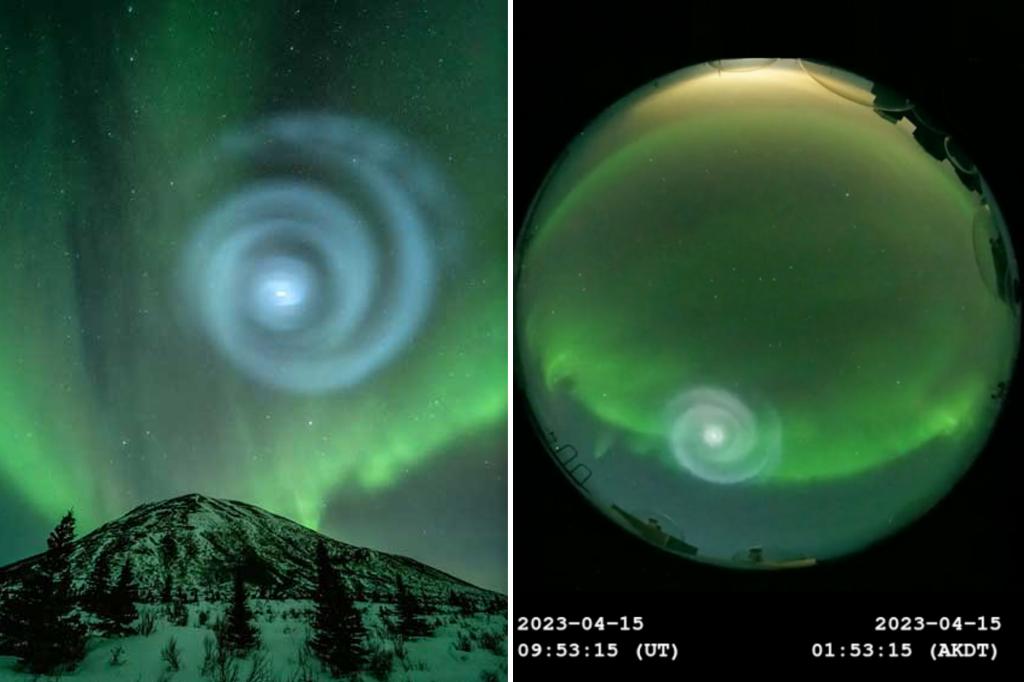
A strange and bright spiral appeared in the northern lights over Alaska on Saturday, which was later identified as rocket engine exhaust from a SpaceX Transporter-7 mission that launched on the Falcon 9 about three hours earlier in California. The phenomenon was caused by water vapor in the exhaust from the second stage engine freezing and catching high-altitude sunlight, creating a spiral galaxy-like display. Local photographers were initially bewildered by the sight but later enjoyed the feeling of the unknown.