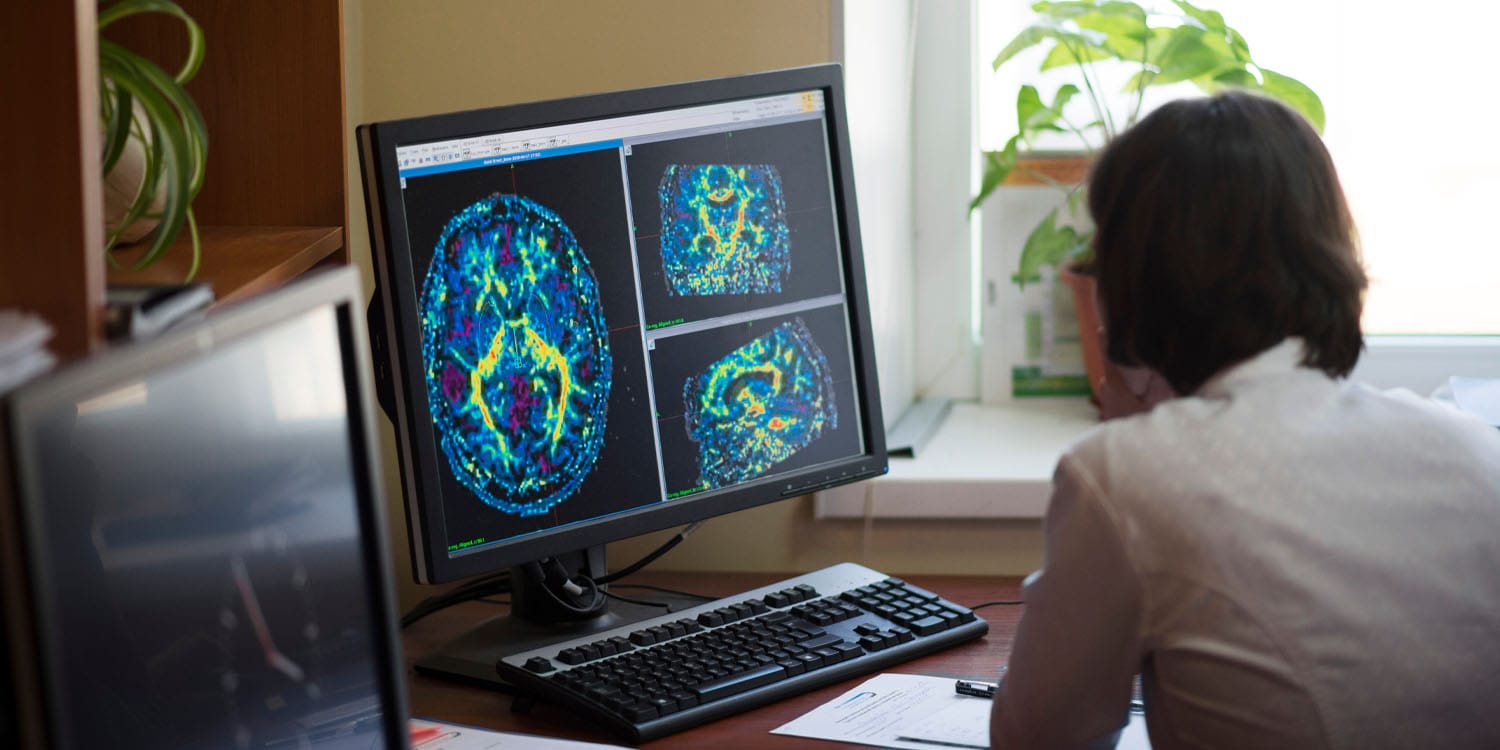
Scientists have identified two new biological subtypes of multiple sclerosis using AI, blood tests, and MRI scans, which could lead to more personalized and effective treatments for patients by better understanding disease progression and tailoring therapies accordingly.

Scientists have discovered that beta-HPV, a common virus previously thought to only contribute to skin cancer indirectly, can directly drive cancer growth by integrating into the DNA of tumor cells, especially in immunocompromised individuals. A case study of a woman with an inherited immune disorder showed that her cancer was caused by the virus, which was successfully treated with a stem cell transplant, highlighting the importance of personalized cancer therapies and the role of immune health in cancer development.
A study from Intermountain Health found that personalized vitamin D3 treatment, which adjusts doses based on blood levels, can halve the risk of a second heart attack in patients who have already suffered one, highlighting the potential of targeted vitamin D management for cardiovascular health.
A study shows that traditional Chinese medicine, specifically Yueju Pill, may predict and improve depression treatment outcomes by analyzing brain network patterns, offering a potential personalized approach to managing major depressive disorder.
A study published in The Lancet analyzing over 58,000 participants found that antidepressants cause a wide range of physiological side effects, including weight changes and heart rate variations, highlighting the importance of personalized treatment plans.
Steve Brown, after being misdiagnosed with mild gastritis, used AI-driven medical tools to identify and treat his aggressive blood cancer early, demonstrating how AI can augment traditional healthcare by providing personalized insights, improving diagnosis accuracy, and enabling proactive patient participation in treatment decisions.
A study reveals that beta-HPV, previously thought to only worsen UV damage, can directly cause skin cancer by integrating into human DNA, especially in immunocompromised individuals, highlighting the potential for targeted treatments and a new understanding of skin cancer development.
A review in the European Heart Journal suggests that while CPAP machines can benefit high-risk sleep apnea patients by reducing heart attack and stroke risks, they may increase cardiovascular risks in those with milder sleep apnea who do not experience daytime sleepiness, highlighting the need for personalized treatment approaches.
Researchers are exploring personalized treatments for sleep apnea, especially in patients with Ehlers-Danlos syndrome (EDS), which affects connective tissue and increases airway collapse risk. Advances include targeted therapies like HGNS and drug combinations that improve muscle tone, with future diagnostics potentially using AI to tailor treatments more effectively. Understanding the role of matrix proteins like collagen could lead to broader, more effective therapies for diverse sleep apnea subtypes.
A study suggests brain imaging can identify individuals with trauma-related symptoms who are most likely to benefit from MDMA treatment, showing that those with heightened brain reactivity to threats experience significant neural and behavioral changes, paving the way for personalized psychiatry approaches.
Researchers have developed an AI tool that predicts which men with prostate cancer will benefit from the drug abiraterone, potentially expanding its use and enabling more personalized treatment plans, thereby improving outcomes and reducing unnecessary side effects.
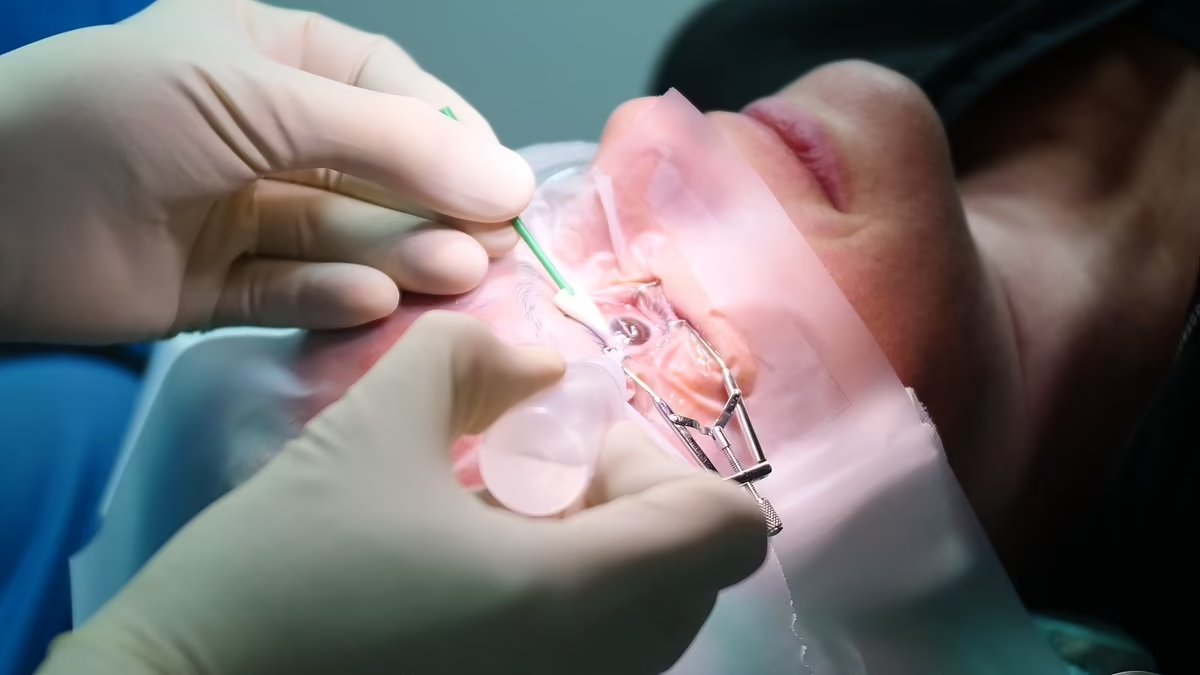
A new personalized laser eye surgery, performed for the first time in the UK, uses 3D digital clones of patients' eyes to achieve 'super-vision' better than 20/20. The technology, called 'Eyevatar', allows surgeons to perfect the procedure virtually before actual surgery, resulting in improved vision outcomes. Trials show a 100% success rate for achieving 20/20 vision, with some patients reaching 20/12.5 or even 20/10 vision. This innovative approach could become the standard for corrective eye surgery, offering enhanced night vision and reducing the need for glasses.
Cancer remains a leading cause of death, with increasing diagnoses among younger patients. Standard cancer treatments often prove ineffective, leading to uncertain outcomes. Functional precision medicine, which involves testing drugs on tumor samples to identify the most effective treatments, has shown promising results in improving outcomes for cancer patients, particularly in children. This approach, combined with DNA analysis and artificial intelligence, holds potential for providing personalized cancer treatments and is being further studied in clinical trials to help more patients access tailored therapies.
A large UK study of over 650 patients has identified distinct inflammation patterns in the blood of long COVID sufferers, indicating ongoing immune system activation long after initial hospitalization and correlating with different symptom types. The findings suggest potential for targeting these immune responses with existing drugs, such as IL-1 antagonists and JAK inhibitors, offering hope for new treatments. The study highlights the complexity of long COVID and the need for personalized treatment approaches, emphasizing the importance of understanding its immune mechanisms and paving the way for future clinical trials.
A groundbreaking study mapping brain changes in nearly 1,300 individuals with various mental illnesses has revealed the remarkable diversity of brain alterations associated with conditions such as major depression and schizophrenia. By utilizing innovative statistical methods, the research team identified individual differences in brain volume deviations and uncovered connectivity patterns within brain circuits. This approach offers new insights into personalized treatment targets for different disorders, indicating that certain brain circuits may be preferentially involved in specific mental illnesses, but effective targets may only apply to a subset of individuals.