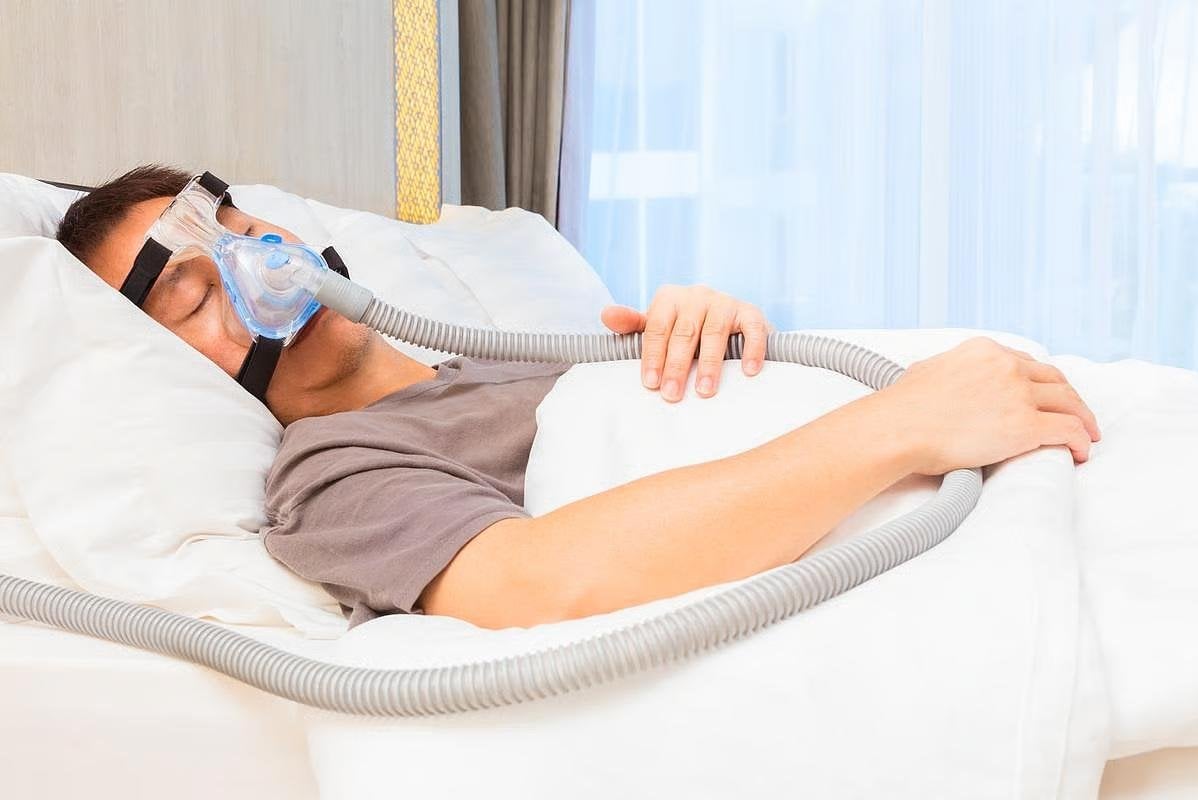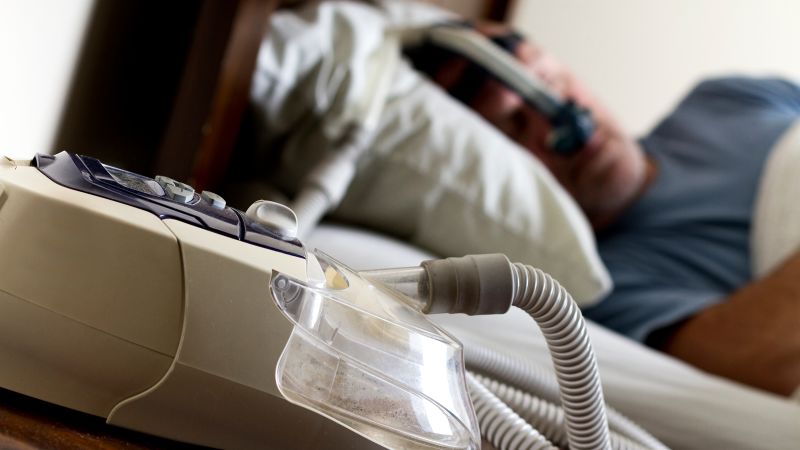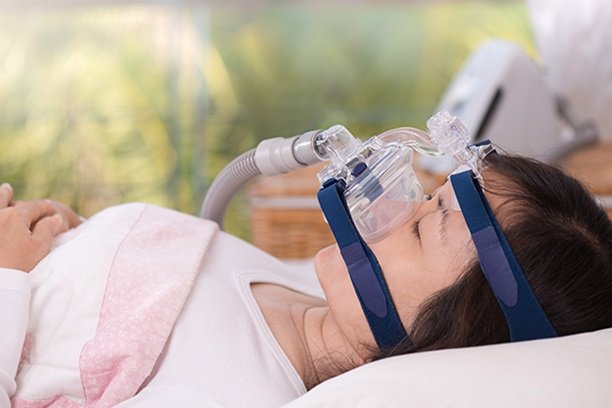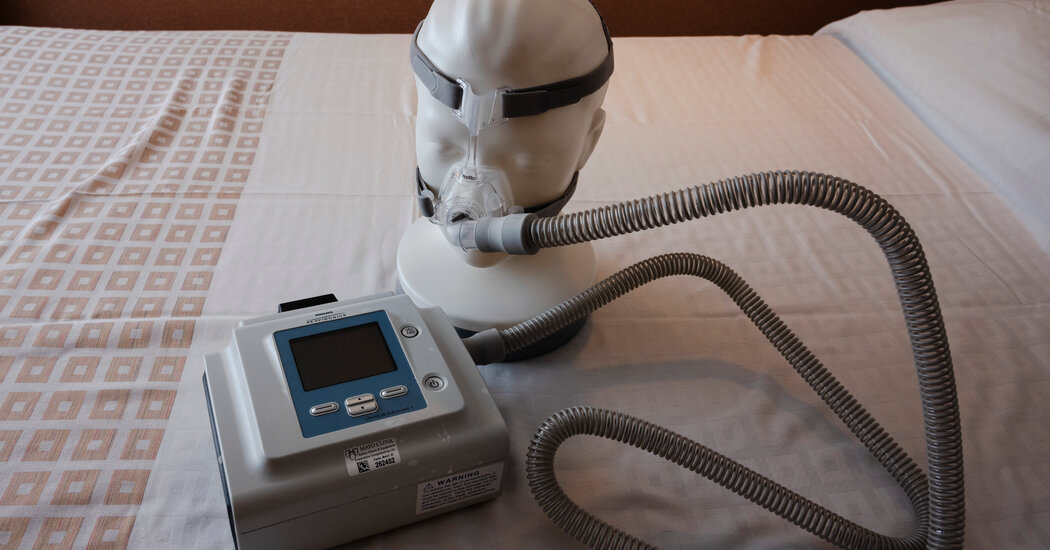
A review in the European Heart Journal suggests that while CPAP machines can benefit high-risk sleep apnea patients by reducing heart attack and stroke risks, they may increase cardiovascular risks in those with milder sleep apnea who do not experience daytime sleepiness, highlighting the need for personalized treatment approaches.
Sleep apnea, a condition affecting nearly a billion people worldwide, often requires the use of CPAP machines, which many find challenging to use. Alternatives and advancements, such as personalized masks, telehealth support, and new medications like tirzepatide, are emerging. Lifestyle changes, including weight loss and sleep hygiene, can also help manage the condition. Surgical options and oral devices offer additional solutions, while ongoing research aims to improve treatment efficacy and expand available options.
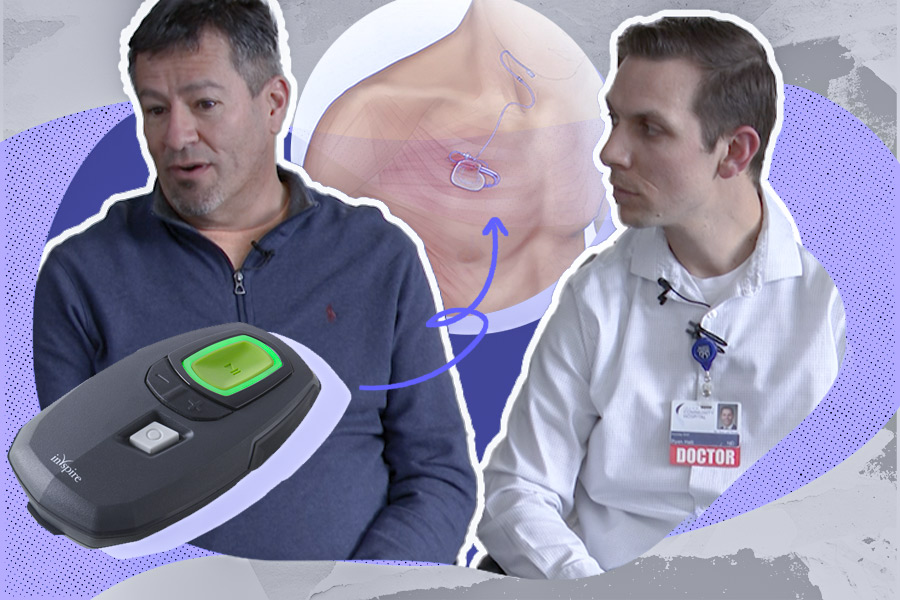
A new study found that an implantable hypoglossal nerve stimulator for obstructive sleep apnea works best for people who are overweight but not severely obese, with a BMI of up to 32. The device, which costs between $50,000 and $100,000, is approved for people with a BMI of up to 40, but the study suggests that for those with a BMI over 32, the device might be unsuccessful up to 75% of the time. The implant was also found to be less successful for people who sleep on their backs. The device, which is an alternative to CPAP, has been implanted in 60,000 people worldwide and is activated at night to stimulate the tongue and keep the airway open. The study highlights the importance of selecting the right candidates for this treatment, especially those who have struggled with CPAP.
A new study suggests that individuals with sleep apnea symptoms may be more likely to experience memory or thinking problems, although it did not determine whether the disorder causes cognitive decline. The research, based on a nationally representative sample of U.S. adults, found that proactive measures in screening and managing sleep apnea are needed, with effective treatments such as CPAP machines readily available to help. Sleep apnea is associated with a high risk of developing cognitive impairment, and addressing conditions like sleep apnea is crucial for maintaining cognitive health.
Philips Respironics has suspended sales of all its breathing machines in the United States following a settlement with the FDA over ongoing issues with the devices, including reports of foam and potentially toxic gases being released into consumers' airways. The company must meet a list of standards in a "multiyear" plan before it can resume business in the U.S. and will continue to repair existing devices. The FDA has pushed back on some of the company's updated claims and the agreement is pending finalization and filing with the court.
Sleep apnea is a common sleep disorder that causes frequent breathing pauses while you sleep. Treatment might include lifestyle changes, oral appliances, positive airway pressure, adaptive ventilation devices, and more. Continuous positive airway pressure (CPAP) can successfully treat most sleep apnea cases, including mild ones. Surgery might be an option for people with sleep apnea when other therapies have failed. Lifestyle changes might help with milder cases of sleep apnea.
Although CPAP machines are the gold standard in treating sleep apnea, other treatments such as nasal and oral mandibular advancement devices, oral appliance therapy, and surgical options should be considered. Sleep quality plays a vital role in overall health, and physicians have several tools to identify sleep apnea. Poor sleep quality can have wide-ranging implications on medical conditions such as diabetes, heart disease, obesity, cognitive function, mental health, and mortality. Patients can improve their sleep quality by maintaining regular wake and sleep times, keeping their bedrooms quiet, dark, and cool, and avoiding caffeine late in the day.
Idaho Falls resident Paul Lopez, who was diagnosed with sleep apnea, found relief with a new device called Inspire, which stimulates the tongue and palate to open up the airway. The device is a breakthrough obstructive sleep apnea treatment option for those who cannot use Continuous Positive Airway Pressure (CPAP) therapy. The medical procedure lasts about two hours and consists of one incision under the jaw where an electrode is placed. Lopez says there is a huge difference between his quality of life before and after Inspire.