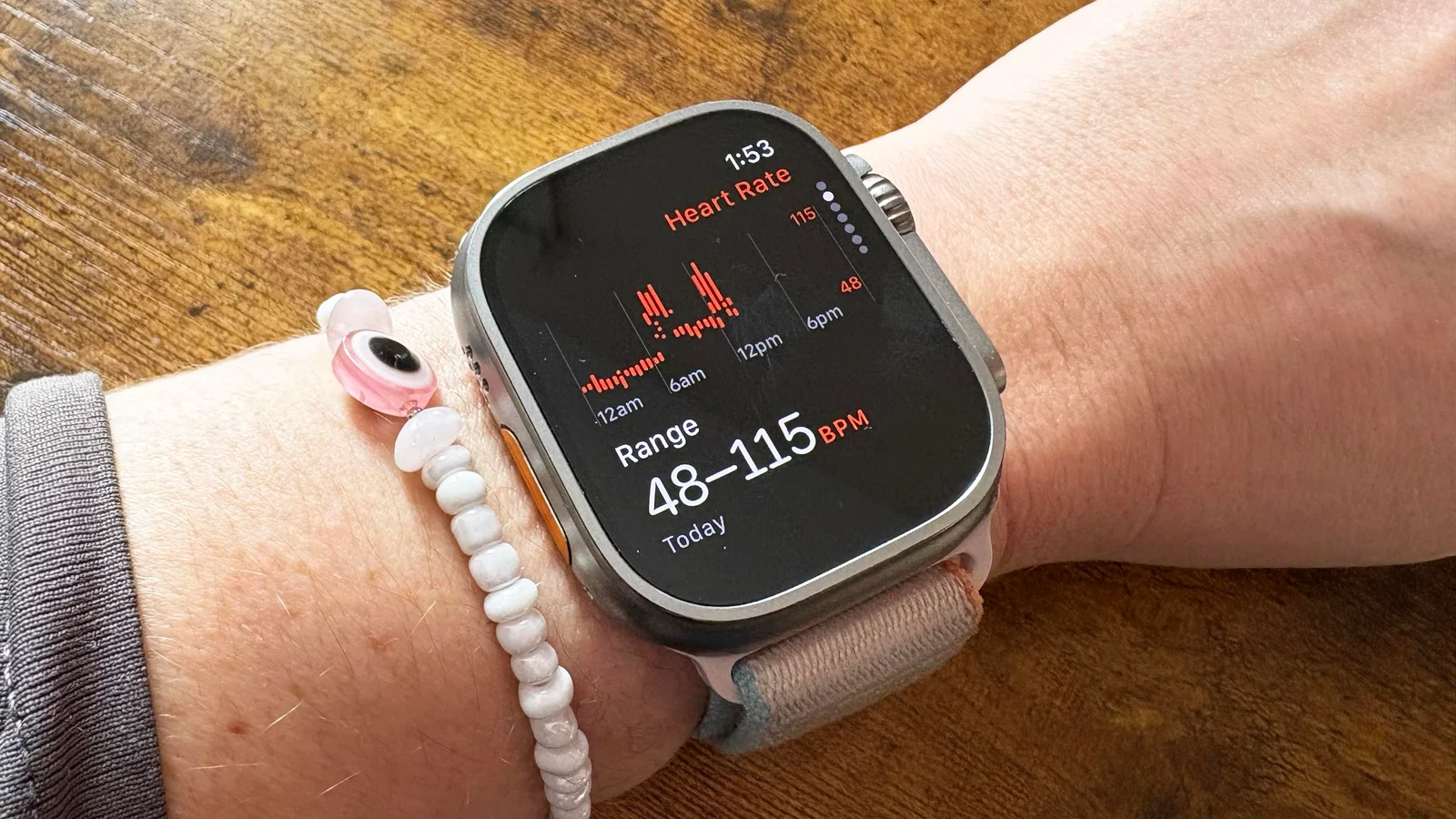
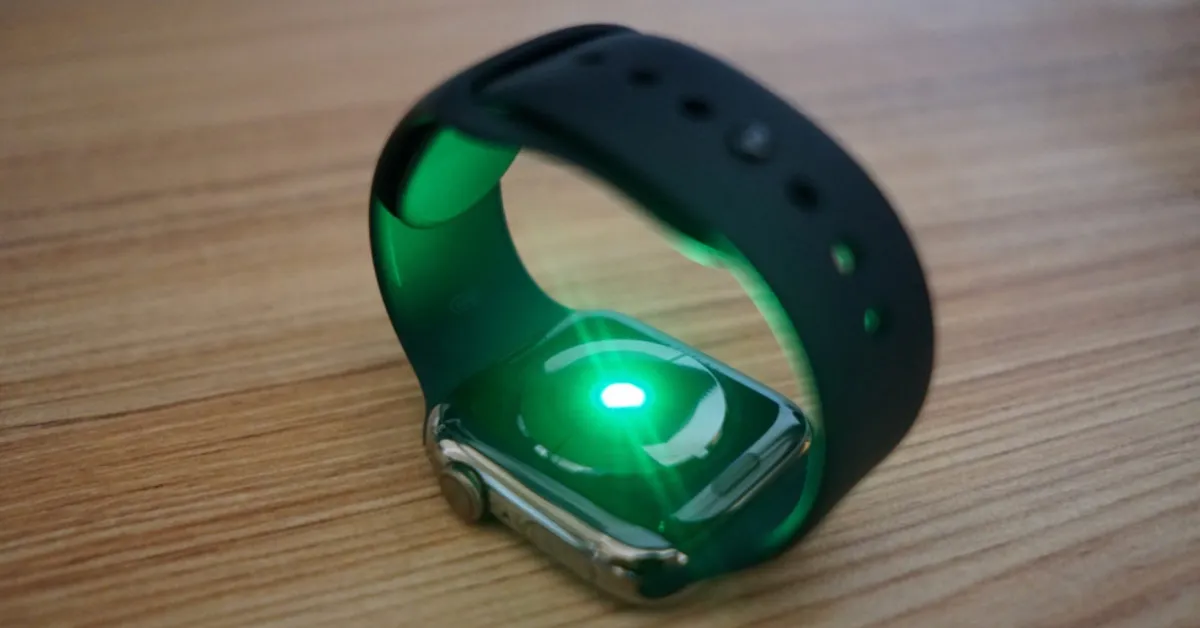
The article outlines five practical settings you can adjust on your Apple Watch to improve heart-rate measurements, emphasizing a snug wrist fit and proper calibration so readings are more reliable during workouts and everyday wear.
Experts say monitoring your heart rate helps you train safely and efficiently. For most people, aim for about 50-85% of max heart rate, with zone targets such as 50-60% for walking, 60-75% for steady cardio, 60-80% for weightlifting, and 80-95% for HIIT. Resting heart rate (roughly 60-100 bpm for most, 40-50 bpm for well-trained individuals) reflects fitness level, while unusually high or low values can signal overtraining, dehydration, bradycardia, or other issues. Wearable monitors simplify tracking, and techniques like diaphragmatic nasal breathing, proper warm-ups, hydration, nutrition, and adequate sleep can help lower HR and improve recovery. If your numbers stay off over time, consult a professional.
The article discusses common physical symptoms of anxiety, such as rapid heart rate, chills, shortness of breath, nausea, and tingling, and emphasizes the importance of recognizing these signs for proper treatment and management, including mindfulness practices and consulting healthcare professionals.
A Harvard study suggests that combining heart rate and step count data into a new metric called DHRPS provides a more accurate assessment of cardiovascular fitness and disease risk than steps alone. The study found that higher DHRPS scores are associated with increased risk of chronic diseases, emphasizing the importance of monitoring both heart rate and activity levels for better health insights.
A comprehensive study published in The Lancet highlights that antidepressants can cause significant physical changes such as weight gain, blood pressure, and heart rate variations, emphasizing the need for personalized treatment plans and shared decision-making between doctors and patients.
A study published in The Lancet analyzing over 58,000 participants found that antidepressants cause a wide range of physiological side effects, including weight changes and heart rate variations, highlighting the importance of personalized treatment plans.
A 64-year-old endurance athlete with a low resting heart rate (47-48 bpm) is advised that while a low heart rate can be normal in athletes, it may pose risks if symptoms like fatigue or fainting occur. An ECG and thyroid tests are recommended, and treatment with a pacemaker might be necessary if symptoms or very low rates develop, but otherwise, continued exercise is encouraged.
Australian researchers propose a new metric called 'heartbeat consumption,' which counts daily heartbeats like calories, to better monitor training and health. The study found athletes have lower daily heartbeats due to lower resting heart rates, but elite cyclists may consume more heartbeats during intense races, highlighting the potential for this metric to optimize training and prevent overexertion. However, further validation and research are needed before it becomes a standard feature on smartwatches.
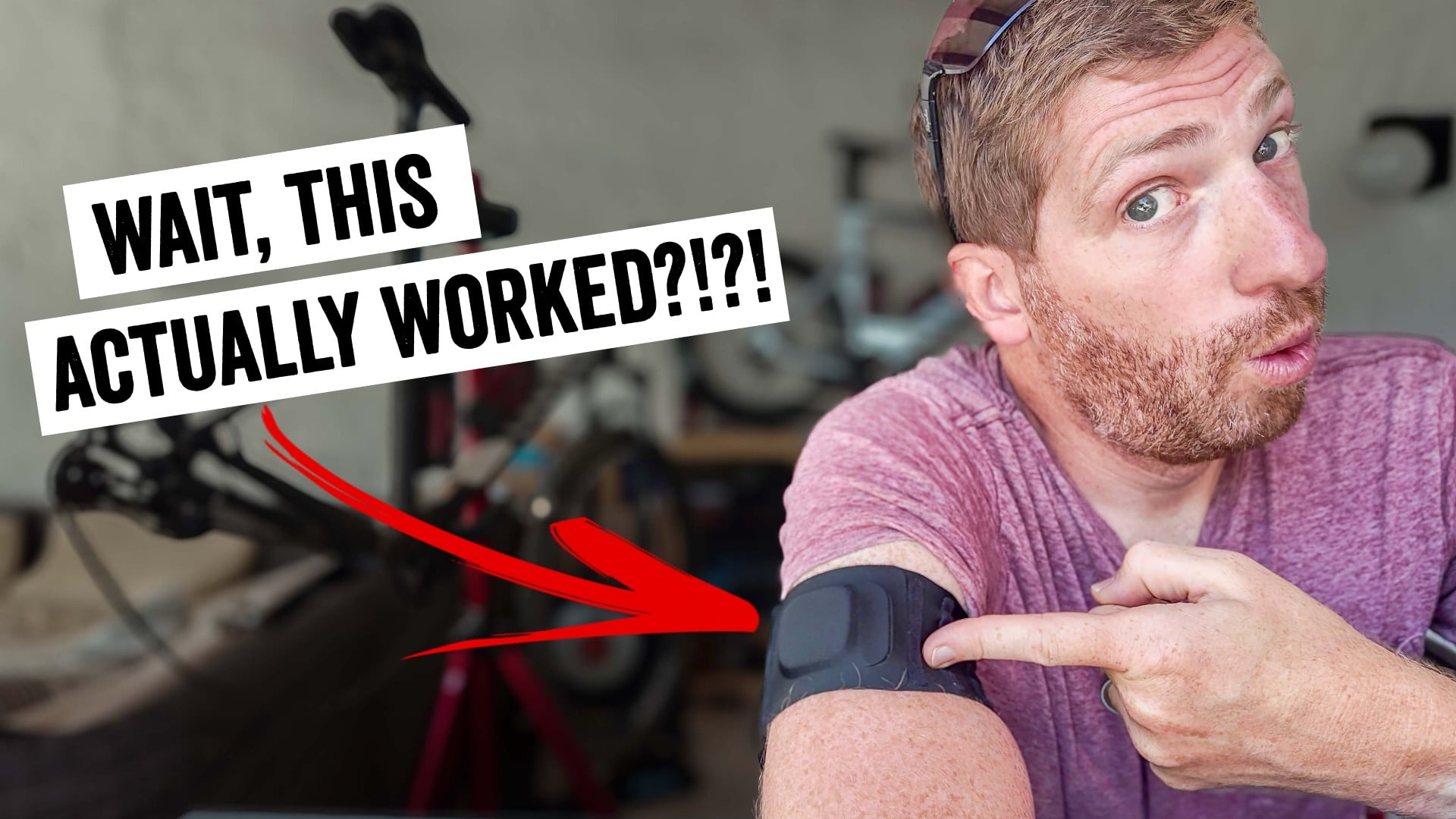
A comprehensive 24-hour test reveals that the Garmin Index Sleep Monitor can effectively track sleep and various health metrics throughout the day when worn continuously, though it lacks features like step counting and automatic exercise recognition. The device's battery life is impressive, and it can independently provide sleep and heart rate data, but it doesn't replace a full activity tracker or smartwatch for all fitness metrics.
A new study published in the journal Thorax reveals that consuming alcohol before sleeping on long-haul flights can significantly lower blood oxygen levels and increase heart rates, even in healthy individuals. The research, conducted by the German Aerospace Center, found that these effects are exacerbated by the low air pressure in airplane cabins, potentially posing serious risks for people with pre-existing medical conditions. Experts advise against drinking alcohol while flying to avoid these health risks.
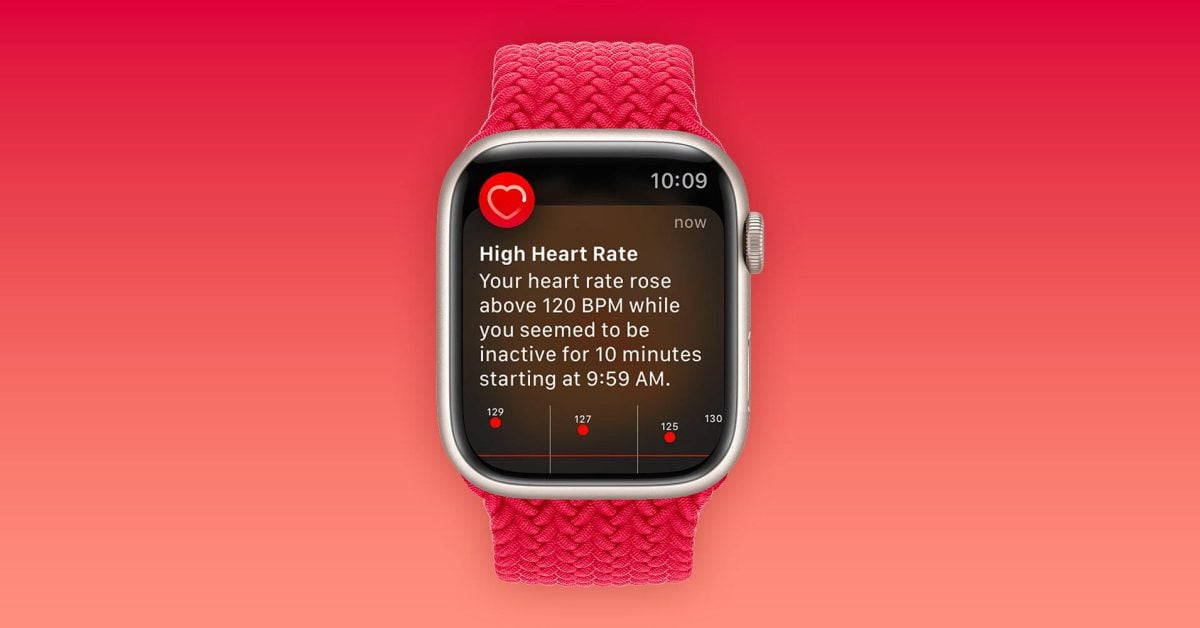
A woman from Kentucky credits her Apple Watch with saving her and her baby's life after receiving high heart rate notifications. Veronica Williams noticed she was feeling short of breath and called her doctor, who advised her to go to the emergency room. She ended up having an emergency c-section and was diagnosed with a rare form of myocarditis. Williams spent a month in the hospital and received continued care, and both she and her baby are now doing well. Apple Watch heart rate notifications can be managed through the Apple Watch app on an iPhone.
To maximize fat burning during exercise, it is important to find your fat-burning zone, which is the level of exercise that keeps your heart rate within about 10 percent of the pace that primarily burns fat. This can be determined through lab testing, using a heart-rate monitor and math, or by exercising at a pace that feels easy and sustainable for at least 45 minutes. Generic fat-burning zone charts found in gyms are not accurate for individuals. It is also important to watch what you eat after exercise to avoid replacing the burned fat.
Catching up on sleep over the weekend does not fully restore cardiovascular health after sleep loss during the week, according to a study by researchers from Penn State University. The study found that when sleep is restricted to five hours per night during the week, it negatively impacts heart rate and blood pressure. Despite having the opportunity to rest more on the weekend, participants' cardiovascular systems did not fully recover. The findings suggest that longer periods of sleep recovery may be necessary to recover from consecutive nights of sleep loss.
A study conducted by researchers at Penn State suggests that sleeping in on weekends cannot fully compensate for the cardiovascular damage caused by sleep deprivation during the workweek. The study found that heart rate and blood pressure worsened over the course of the week when participants only slept for five hours per night. Even after two nights of recovery sleep, these measures did not return to baseline levels. The findings highlight the importance of getting sufficient sleep consistently for maintaining heart health and overall well-being.
Apple Watch records heart rate data for various categories like resting, walking, workouts, and HRV. Users can view their heart rate data on their Apple Watch and iPhone. On the iPhone, users can find the heart rate history in the Health app under the Browse tab and Heart section. The data can be viewed hourly, daily, weekly, monthly, and yearly. The heart rate history includes highlights such as ECG, blood pressure data, heart rate notifications, and Cardio Recovery numbers.