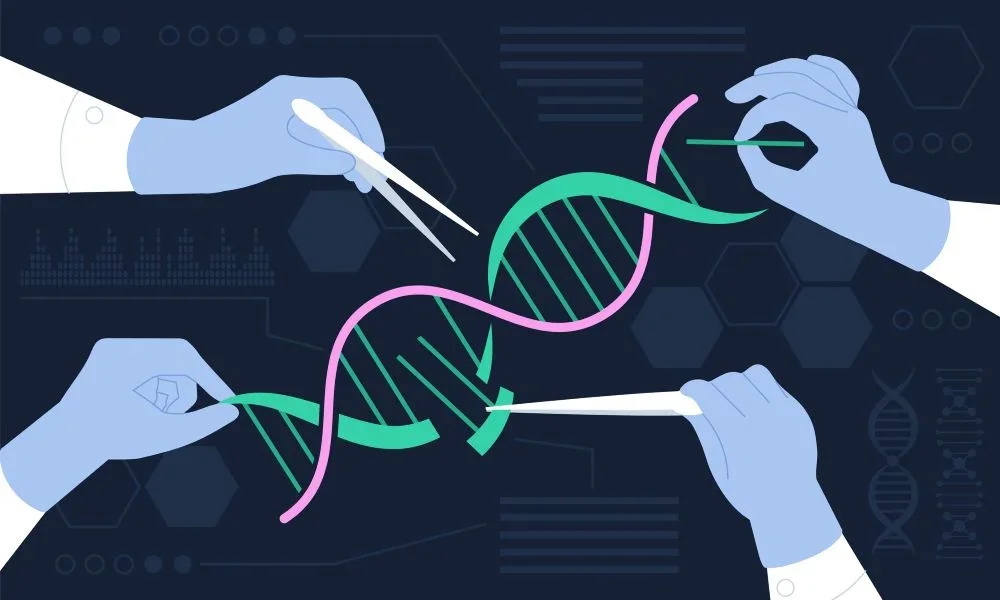
The FDA unveiled a new plausible mechanism pathway to approve medicines crafted for patients’ individual mutations, moving the idea from preview into formal policy and potentially enabling gene-editing–based and other targeted therapies for rare diseases.
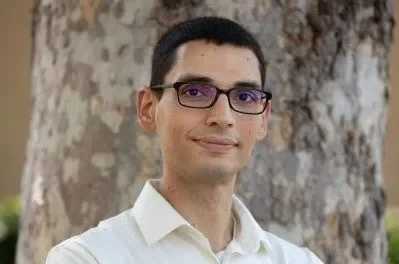
A UC San Diego professor introduces 'survival epidemiology,' a field focused on identifying factors that help people live longer after a disease diagnosis rather than just preventing disease, using large electronic health records to tailor treatments and improve outcomes. The approach ties to Cuomo's broader work, including the Nutritional Epidemiology Risk-Survival Paradox, which suggests some factors linked to higher disease risk may enhance survival after diagnosis.
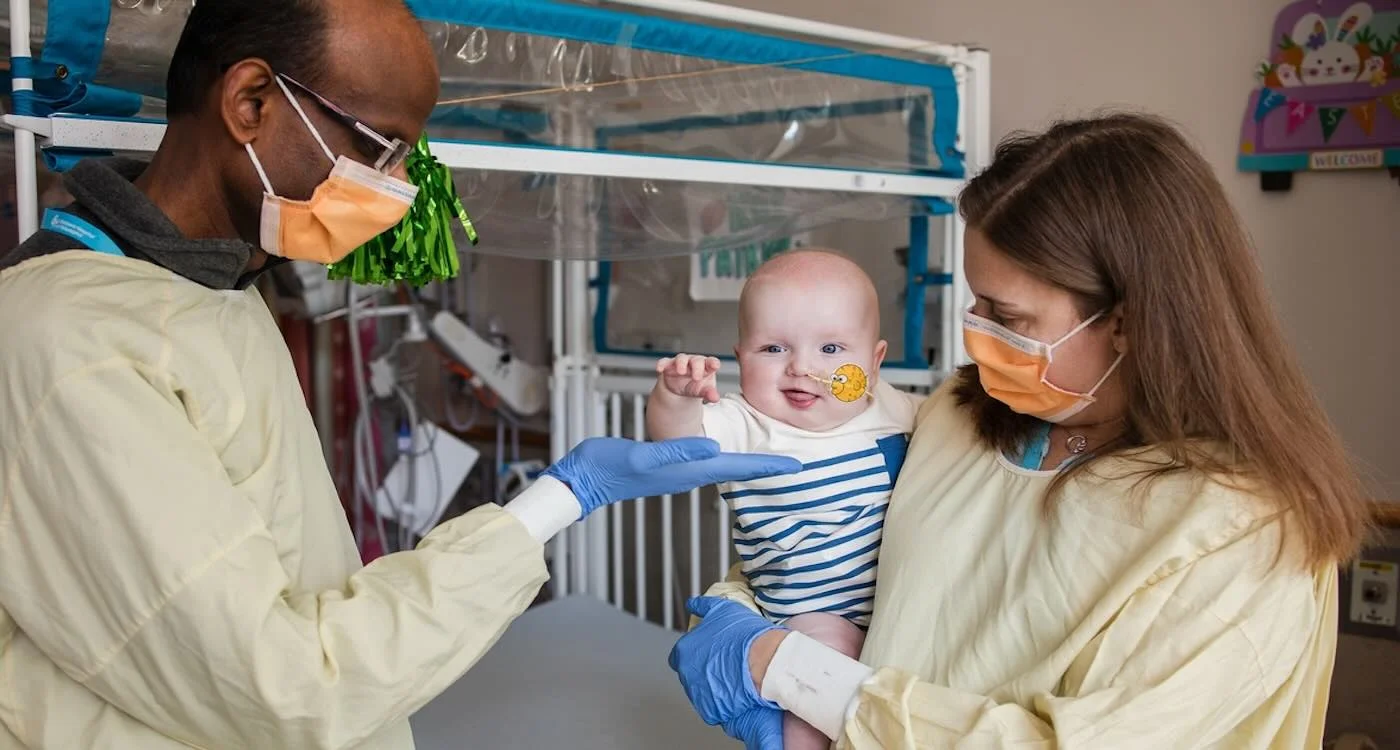
Researchers at Children’s Hospital of Philadelphia and the University of Pennsylvania developed a bespoke base-editing CRISPR therapy delivered to the liver to fix a CPS1 gene variant in a newborn with a rare metabolic disorder. After a first infusion in early 2025 and subsequent doses, the child has tolerated treatment with no adverse effects, has been able to halt medications and gradually reintroduce protein, and is thriving per a New England Journal of Medicine report; the approach is experimental and not FDA-approved, but signals a path toward patient-specific gene therapies that could be scalable to individual needs.
A McGill-led study using AI, brain imaging and UK Biobank data identifies five chronotype subtypes—three night owls and two early birds—each linked to distinct health and behavioral patterns, suggesting personalized sleep guidance beyond simple night-owl/early-bird categorizations.
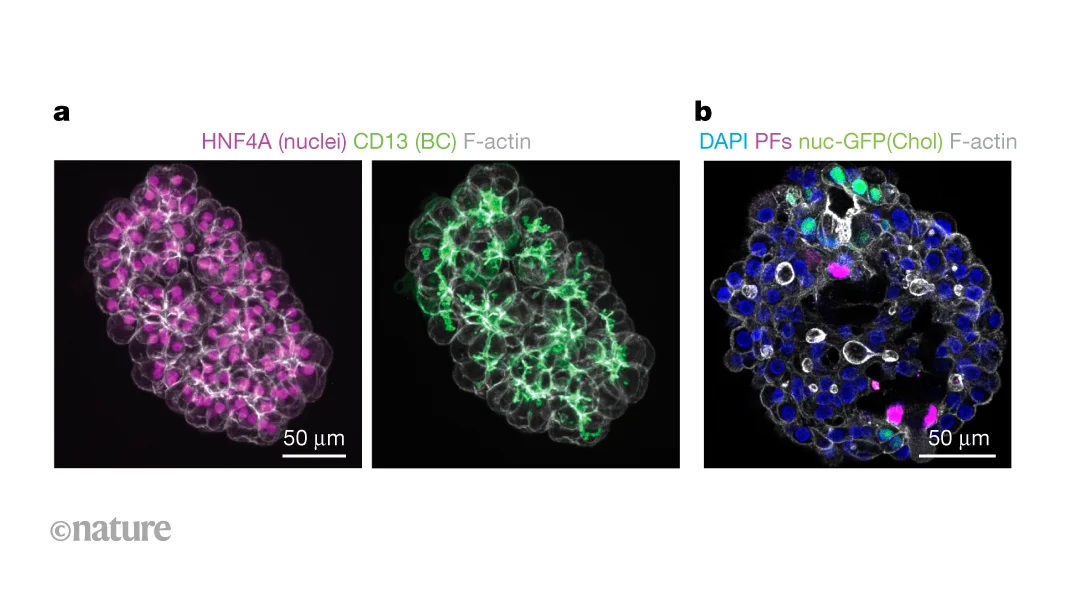
Researchers combine multiple donor liver cell types to form in vitro liver assembloids that recapitulate periportal tissue, moving toward miniature human livers for faster drug testing and personalized therapies.
Moderna and Merck report promising results for a patient-tailored mRNA cancer vaccine paired with Keytruda in high-risk melanoma. The vaccine, designed from a patient’s tumor mutations (neoantigens), reduced recurrence or death by 49% versus immunotherapy alone and demonstrated durable immune memory over five years, signaling a potential breakthrough for personalized cancer vaccines and future skin-cancer prevention.
In a Phase 2 trial of 157 high‑risk stage 3/4 melanoma patients, Moderna and Merck’s personalized mRNA vaccine (mRNA-4157) plus Keytruda reduced recurrence or death at five years by about 49% versus Keytruda alone. Earlier two- and three-year data showed similar risk reductions (44% and 49%). Safety was similar between groups, with fatigue, injection-site pain, and chills most common. Full data aren’t yet published; a Phase 3 trial is underway and more data from this program are expected.
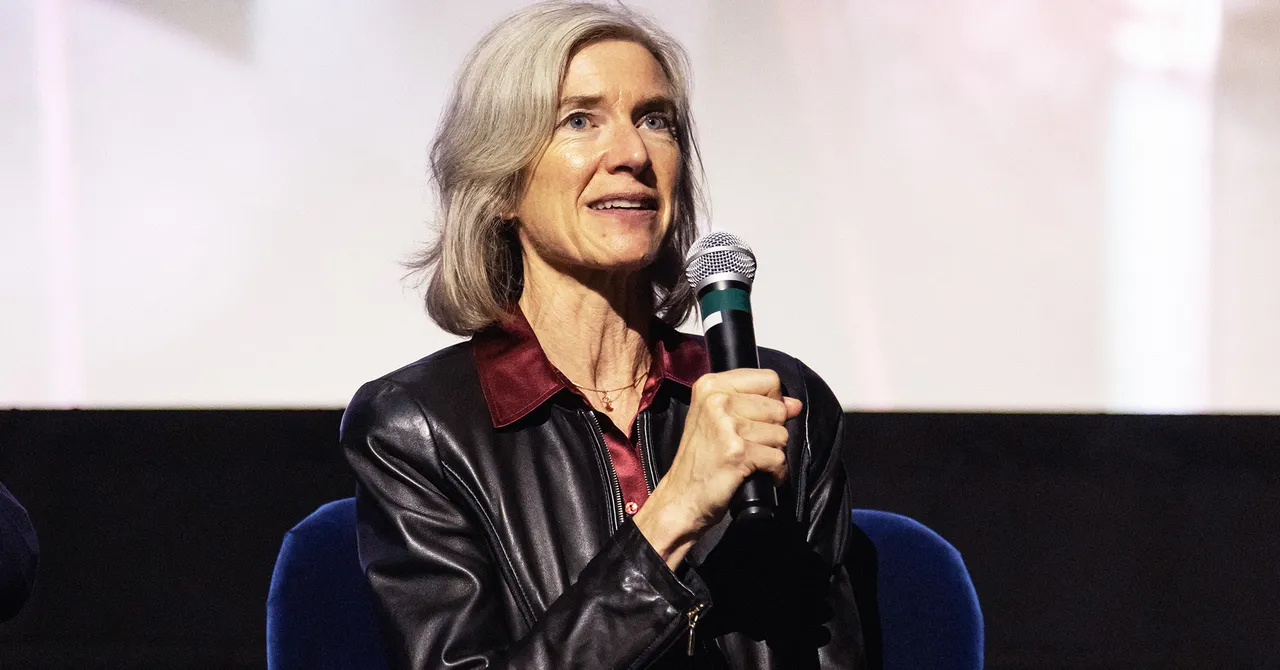
Jennifer Doudna's startup Aurora Therapeutics aims to scale personalized gene-editing treatments for rare diseases like PKU using CRISPR technology and a new FDA pathway that expedites approval for bespoke therapies based on limited patient data.
Menlo Ventures has invested $16 million in Aurora Therapeutics, co-founded by CRISPR pioneer Jennifer Doudna and Fyodor Urnov, to develop personalized CRISPR therapies targeting rare diseases like PKU, leveraging recent regulatory and technological advances to make treatments for ultra-rare conditions more feasible.
A prominent gene editing researcher from UC Berkeley, Fyodor Urnov, and venture capitalist Johnny Hu are launching a startup to scale personalized CRISPR medicines, aiming to treat ultra-rare genetic mutations and overcome regulatory and commercial challenges.
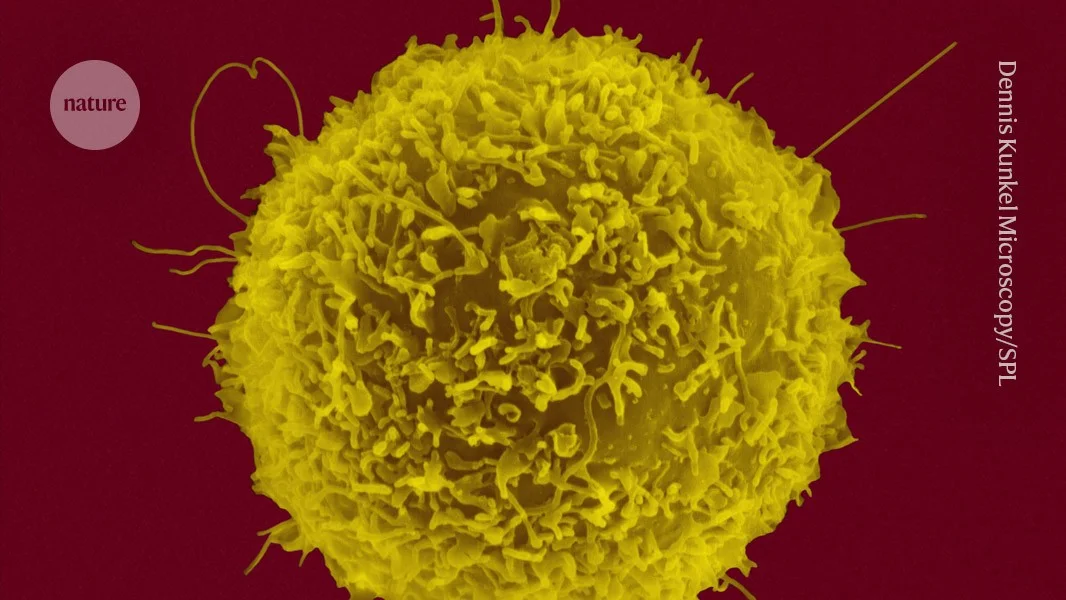
A comprehensive immune cell atlas from over 400 Chinese individuals reveals significant genetic and functional differences compared to European and Japanese populations, highlighting the importance of diverse data sets for personalized medicine and understanding immune variation across populations.
Researchers have developed mini brain organoids from patient cells that exhibit distinct electrical activity patterns, enabling accurate identification of schizophrenia and bipolar disorder, which could lead to improved diagnosis and personalized treatment options.
Siddhartha Mukherjee advocates for treating metabolism as a primary target in cancer therapy, emphasizing tumor-informed dietary interventions combined with drugs to improve outcomes and prevent resistance, moving towards precision nutrition as a complement to pharmacology.
A study from Intermountain Health shows that personalized, monitored vitamin D3 supplementation after a heart attack can reduce the risk of a second attack by 50%, emphasizing the importance of targeted treatment to achieve optimal blood levels of vitamin D.
Vitamin D deficiency is linked to increased heart disease risk, and personalized supplementation guided by regular blood testing can significantly reduce recurrent heart attacks, emphasizing the importance of tailored approaches over standard dosing for optimal cardiovascular health.