Tag

Parasitic Worms

All articles tagged with #parasitic worms

Flying Parasitic Worms Use Superpower to Ambush Prey in Midair

Originally Published 2 months ago — by Gizmodo

Featured image for Flying Parasitic Worms Use Superpower to Ambush Prey in Midair
Source: Gizmodo

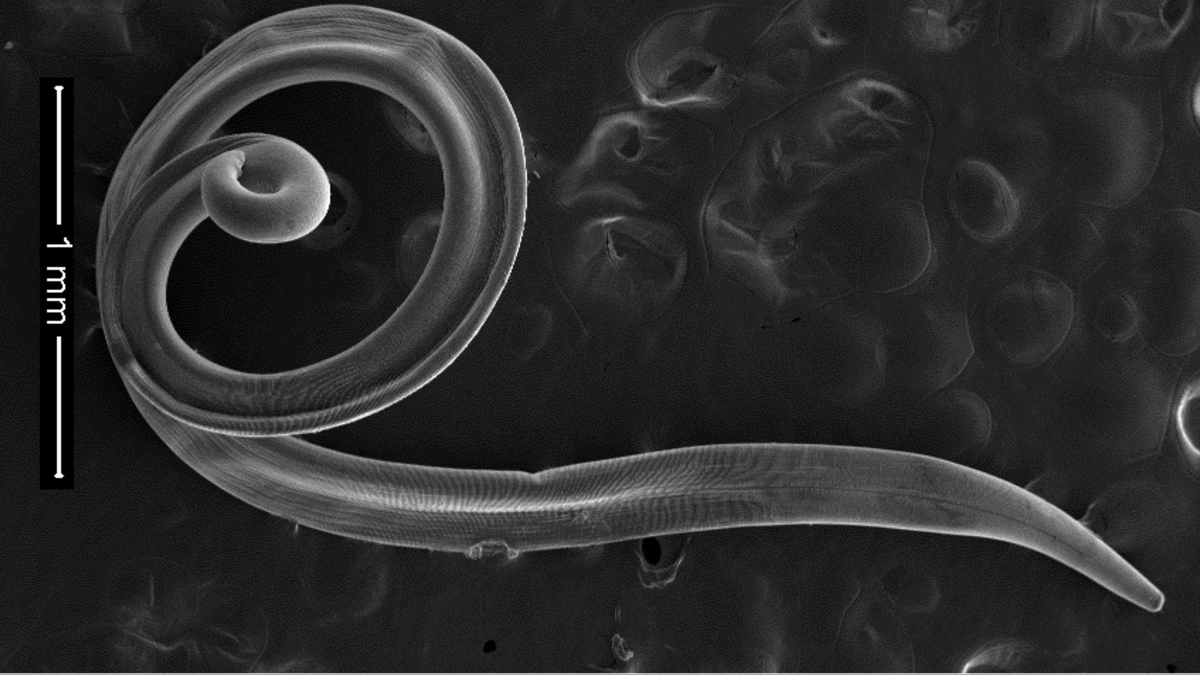
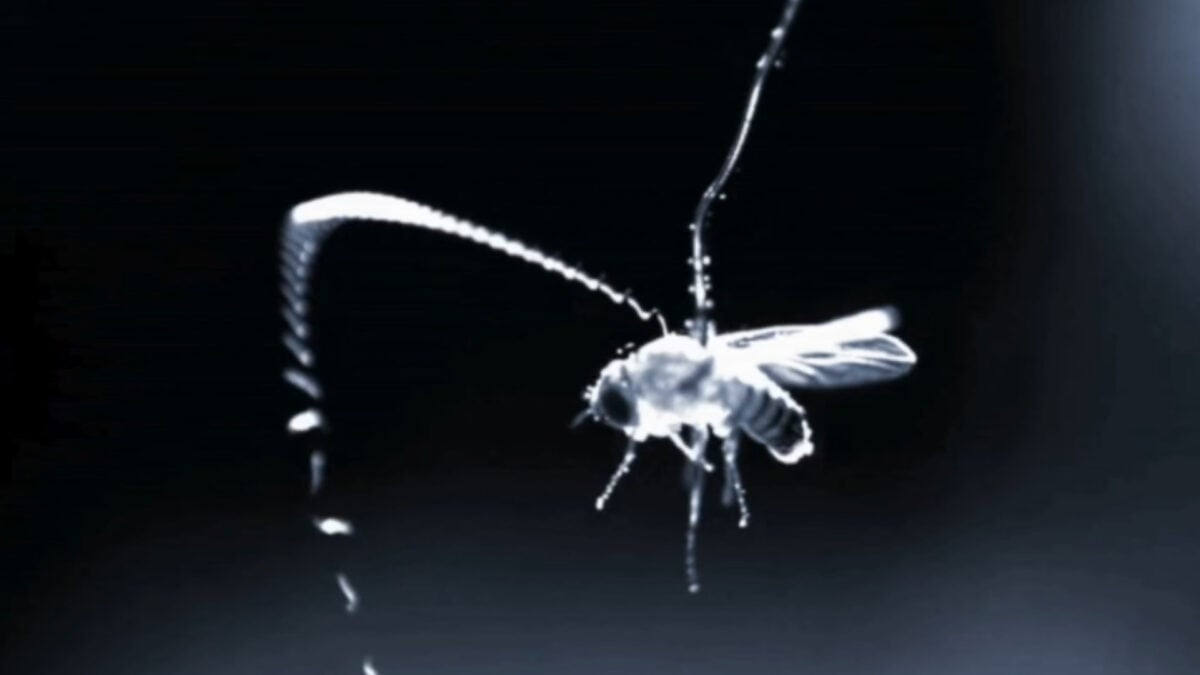
Researchers discovered that a tiny parasitic roundworm, S. carpocapsae, uses static electricity to ambush prey midair by jumping up to 25 times its body length, leveraging electrostatic forces to increase landing success, revealing fascinating insights into the physics and biology of microscopic predators.
Live Worms Found Under Woman's Eyelid in China

Originally Published 1 year ago — by Livescience.com

Featured image for Live Worms Found Under Woman's Eyelid in China
Source: Livescience.com

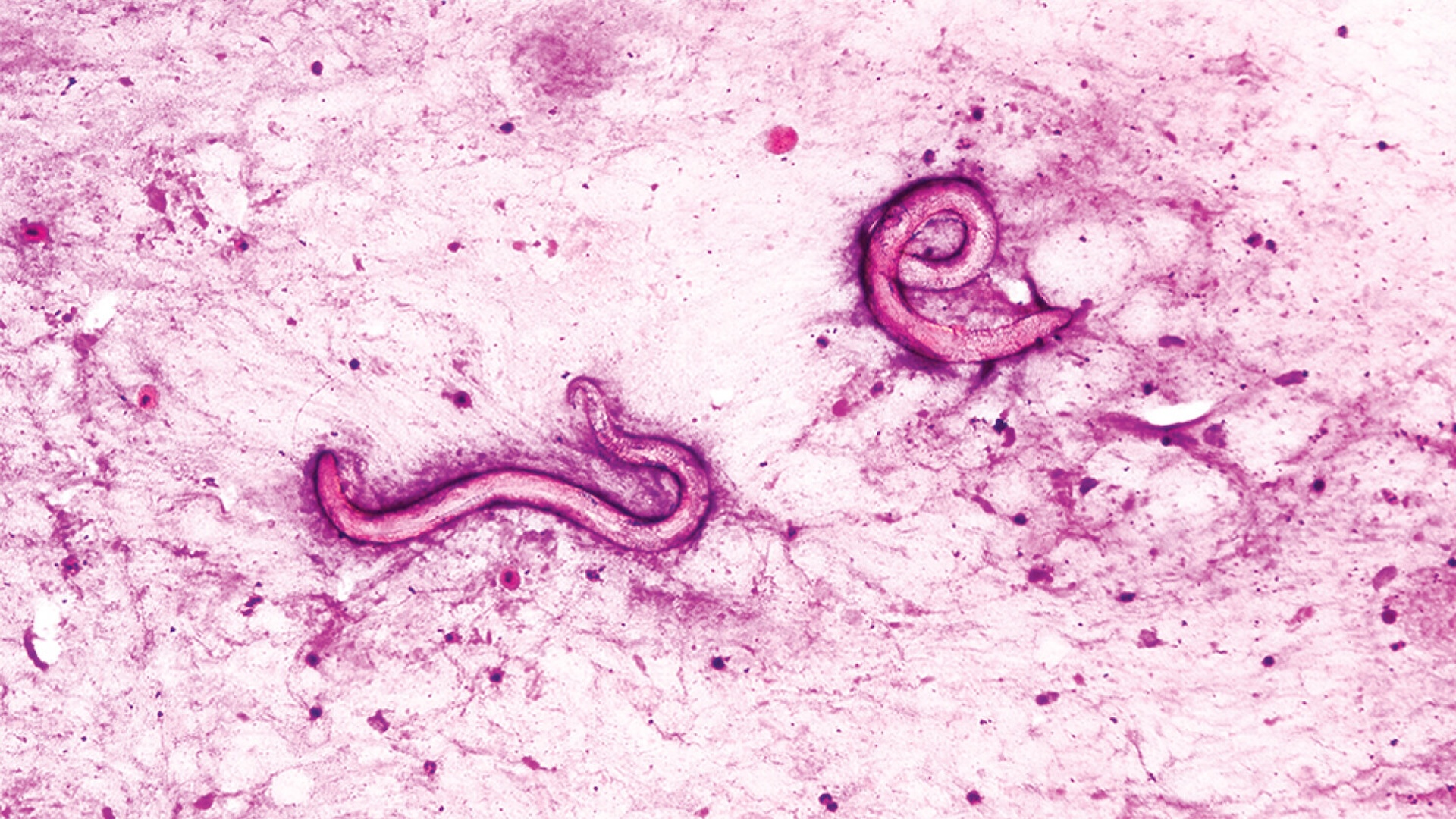
In a rare medical case in Beijing, doctors discovered four live parasitic worms, identified as Thelazia callipaeda or Oriental eye worms, under a woman's eyelid. The woman initially sought medical help for eye irritation, and upon reexamination, the worms were found and removed. Thelaziasis, the disease caused by these worms, is typically transmitted by flies and is rare in humans. The woman, who had a cat with an eye disease, recovered after treatment with an antibiotic eye ointment.

Parasitic Worms Lead Praying Mantises to Roads, Study Finds

Originally Published 1 year ago — by The Mainichi

Featured image for Parasitic Worms Lead Praying Mantises to Roads, Study Finds
Source: The Mainichi

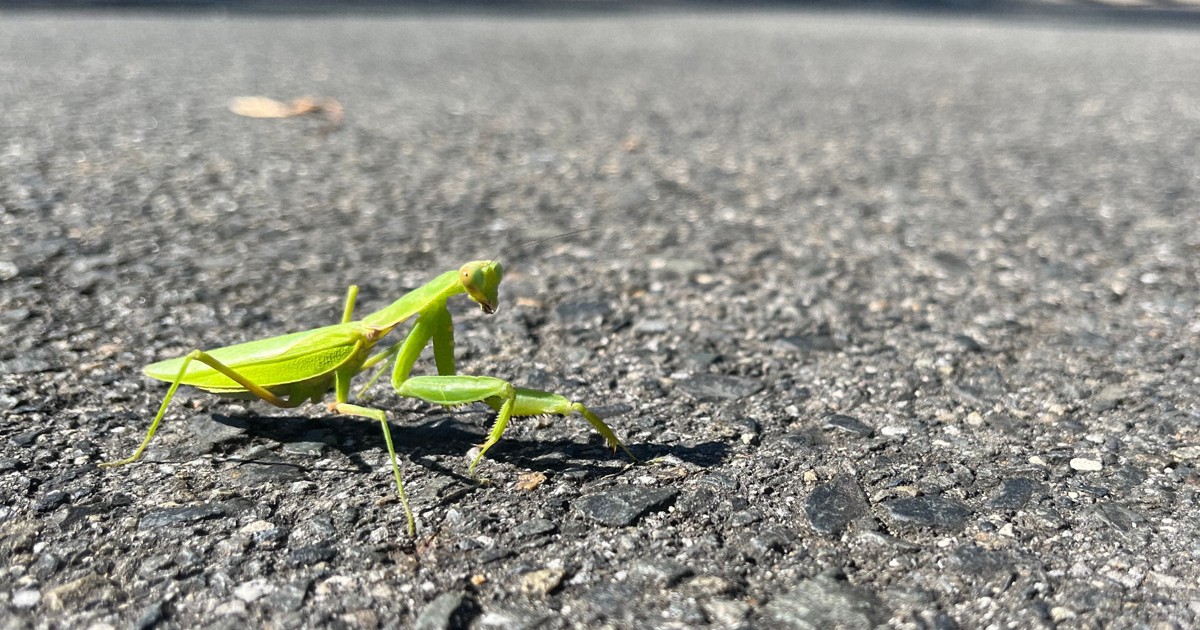
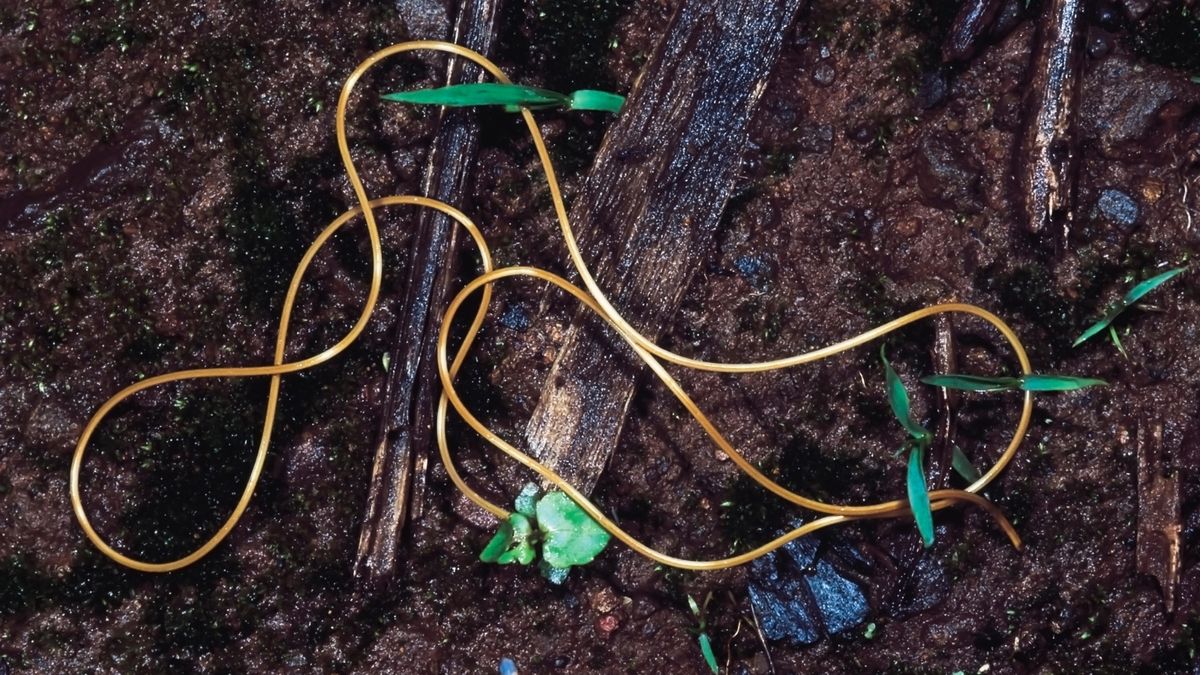
Researchers from Kyoto University have discovered that parasitic horsehair worms manipulate infected praying mantises into mistaking asphalt roads for water surfaces, leading to their deaths. The worms, which hatch in water and grow inside mantises, cause the insects to seek out horizontally polarized light, similar to that reflected by water. Experiments showed that infected mantises are more attracted to asphalt, which reflects similar light, resulting in a high infection rate among mantises found on roads. This study highlights the complex interaction between parasites and their hosts, influenced by human environments.

Family Contracts Worms from Undercooked Bear Meat: CDC

Originally Published 1 year ago — by East Idaho News

Featured image for Family Contracts Worms from Undercooked Bear Meat: CDC
Source: East Idaho News

A family reunion in South Dakota turned into a health scare when several members fell ill after consuming undercooked black bear meat, which was contaminated with Trichinella parasites. Despite freezing the meat for 45 days, the parasites survived, leading to trichinellosis in six family members, three of whom were hospitalized. The CDC emphasizes the importance of thoroughly cooking game meat to an internal temperature of at least 165 degrees Fahrenheit to kill parasites.

"Family Hospitalized After Eating Parasitic Bear Meat"

Originally Published 1 year ago — by WKRC TV Cincinnati

Featured image for "Family Hospitalized After Eating Parasitic Bear Meat"
Source: WKRC TV Cincinnati

A family reunion in South Dakota led to six people developing parasitic roundworm infections after consuming black bear meat harvested in Saskatchewan, with three requiring hospitalization. The CDC emphasizes the importance of thoroughly cooking game meat to avoid such infections. All affected family members have since recovered.

Family Contracts Parasitic Worms from Black Bear Meat: CDC

Originally Published 1 year ago — by CNN

Featured image for Family Contracts Parasitic Worms from Black Bear Meat: CDC
Source: CNN

A family reunion in South Dakota turned into a health scare when several members fell ill after consuming undercooked black bear meat, which was contaminated with Trichinella parasites. Despite freezing the meat for 45 days, the parasites survived, leading to trichinellosis in six family members, three of whom were hospitalized. The CDC emphasizes the importance of thoroughly cooking game meat to prevent such infections.

"Undercooked Bacon Leads to Brain Infestation: Man's Shocking Discovery"

Originally Published 1 year ago — by Livescience.com

Featured image for "Undercooked Bacon Leads to Brain Infestation: Man's Shocking Discovery"
Source: Livescience.com

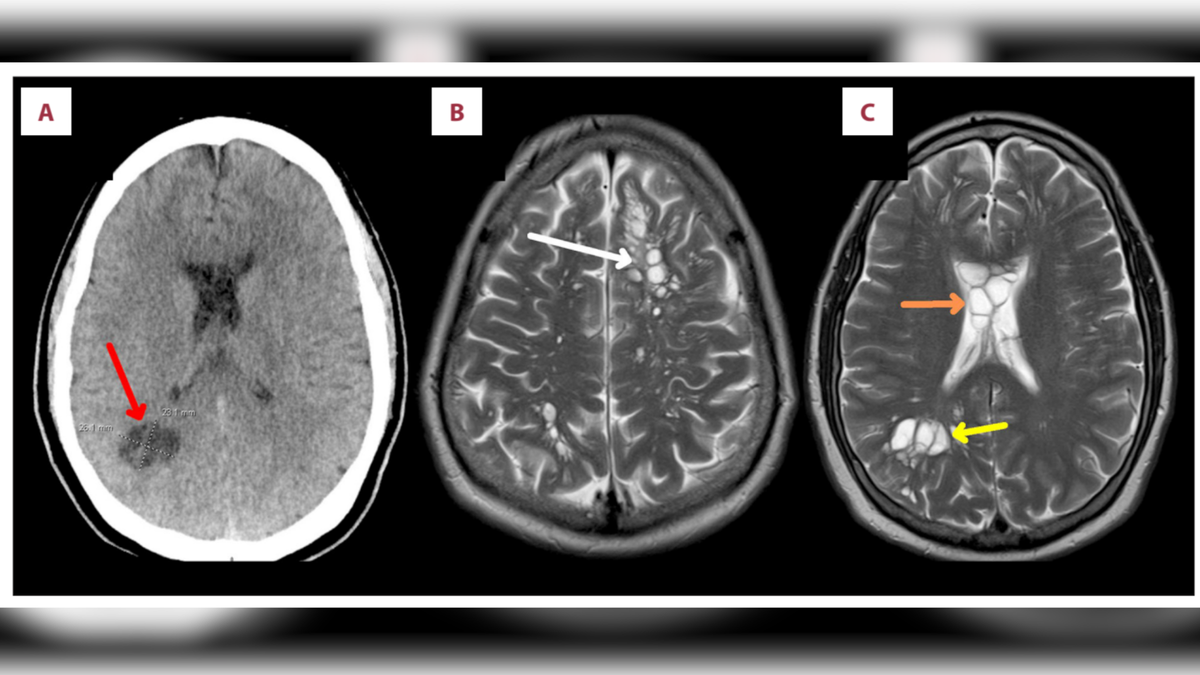
A man in the U.S. was found to have parasitic worms in his brain, likely due to consuming undercooked bacon. The tapeworm larvae caused a condition called neurocysticercosis, leading to severe migraines and other symptoms. Prompt treatment with anti-parasitic and anti-inflammatory drugs successfully reduced the size of the parasitic lesions and improved the man's headaches. The case serves as a rare reminder of the potential risks associated with consuming undercooked pork and the importance of proper food preparation and hygiene.

Parasitic Worm Manipulates Host's Genes for Mind Control

Originally Published 2 years ago — by Livescience.com

Featured image for Parasitic Worm Manipulates Host's Genes for Mind Control
Source: Livescience.com

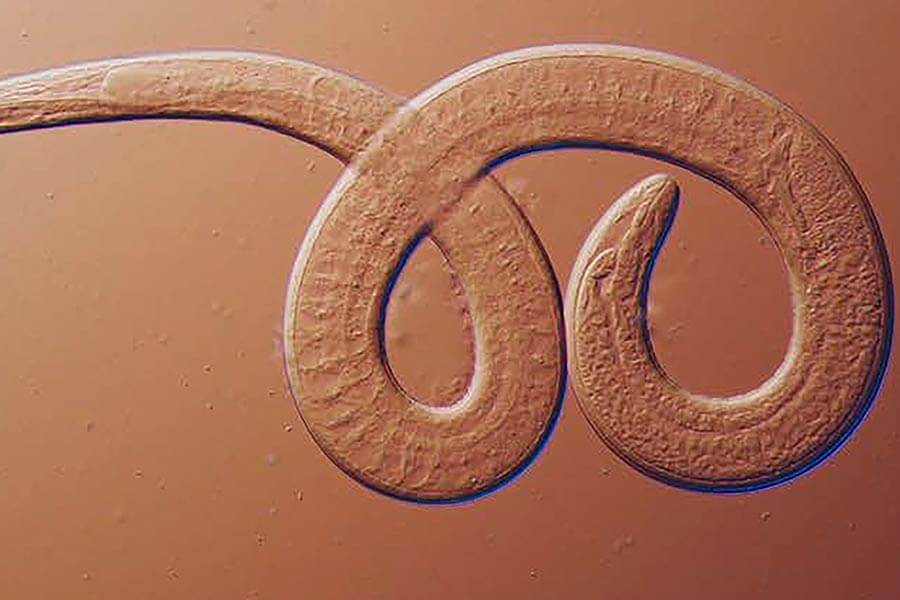
Scientists have discovered that parasitic horsehair worms, which manipulate their praying mantis hosts to walk into water and drown themselves, steal their hosts' genetic code to control their minds. By using a molecule that causes the mantises to march towards light shimmering off water, the worms hijack their hosts and eventually free themselves. The researchers found that the worms change the expression of thousands of their own genes, while the mantises' gene expressions remain unchanged. This suggests that the worms use the mantises' genes to make their own proteins, acquired through horizontal gene transfer. The study provides insights into the mechanisms of host manipulation and evolutionary adaptation.

"The Surprising Truth Behind the Mysterious Jellyfish: 1,020 Worms with a Unique Purpose"

Originally Published 2 years ago — by Defector

Featured image for "The Surprising Truth Behind the Mysterious Jellyfish: 1,020 Worms with a Unique Purpose"
Source: Defector

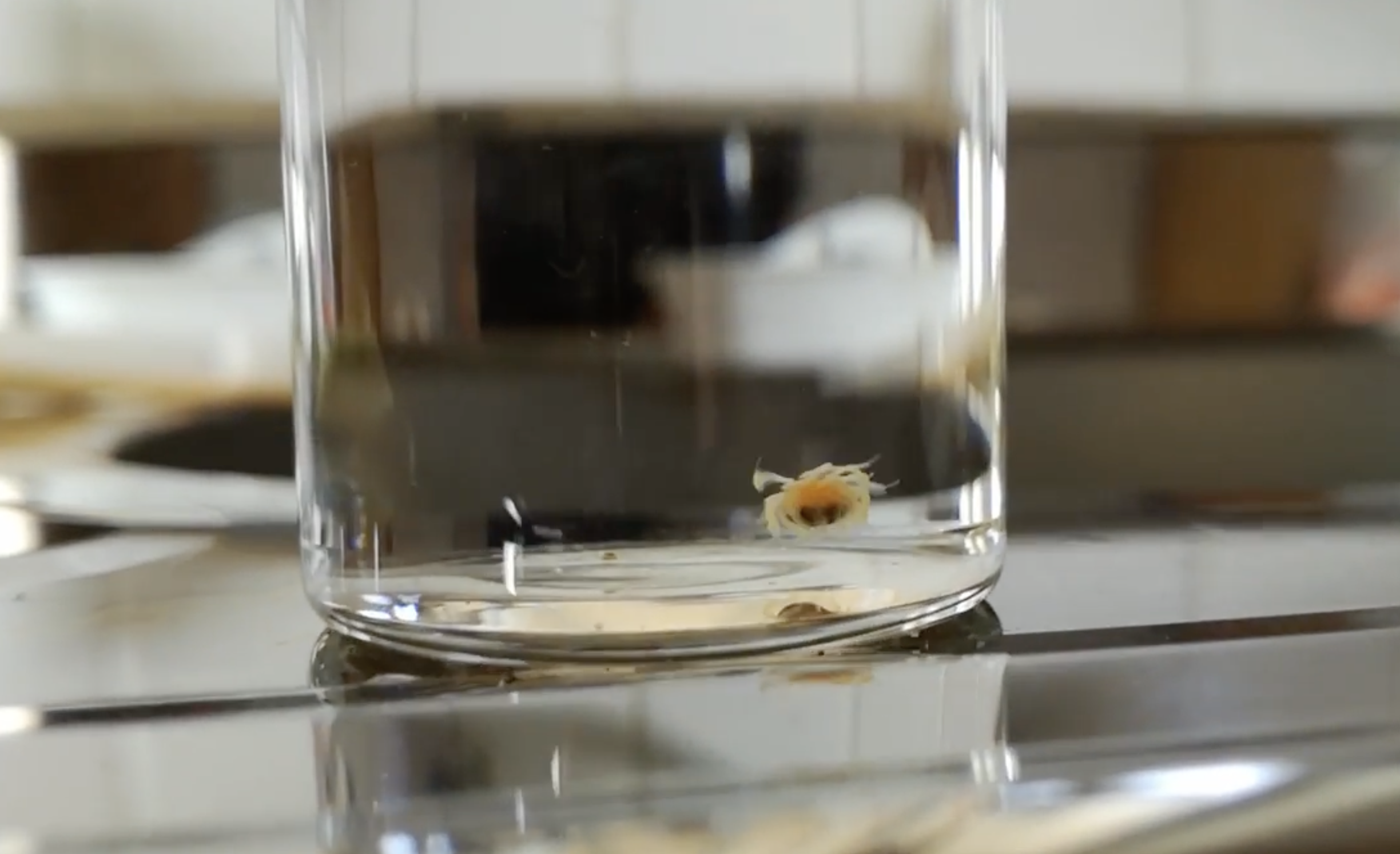
A mysterious jellyfish-like creature spotted off the shores of Okinawa, Japan, has been identified as a cluster of 1,020 parasitic worms called trematodes. The creature, resembling a jellyfish with tentacles, is actually an aggregation of two types of cercariae, the larval forms of trematodes. These worms have developed a strategy of mimicking prey to increase their chances of being eaten by their target hosts. The researchers suggest that the aggregation helps the worms swim and may increase the number of parasites swallowed in a single gulp. The discovery of this unique case of polymorphism in parasitic flatworms raises questions about the division of labor and reproductive strategies within the colony.

Unveiling the Brain-Controlling Ant Parasite's 'Zombie Switch'

Originally Published 2 years ago — by Gizmodo

Featured image for Unveiling the Brain-Controlling Ant Parasite's 'Zombie Switch'
Source: Gizmodo

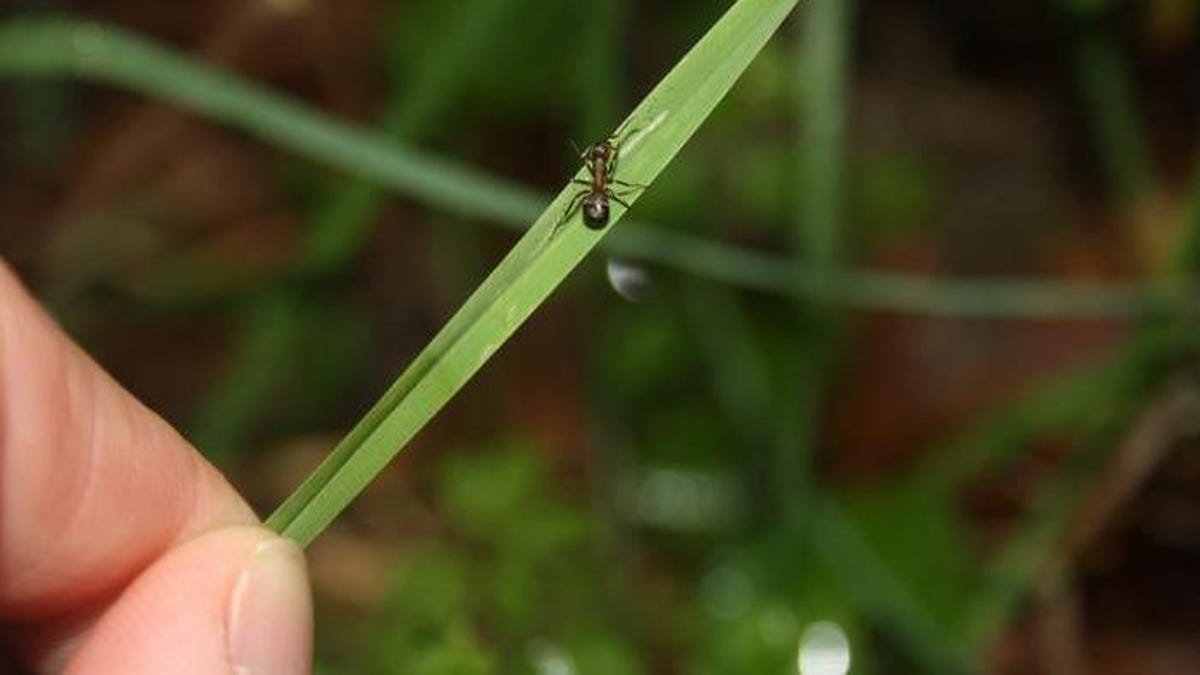
Scientists have discovered that lancet liver fluke parasites, which infect ants and manipulate their behavior, have a "zombie switch" that controls the ants' actions. The parasites compel the ants to climb up blades of grass to be eaten by larger animals, but when the weather gets too hot, the ants are coerced to climb back down. Temperature was found to be the most influential factor in the ants' behavior, with the worms puppeteering them mostly at night and in the morning. The study highlights the complexity of parasite behavior and the need for further research to understand the mechanisms behind the brain hijacking of ants.

"Parasitic Worms Transform Shrimp into Vibrant Orange 'Zombies'"

Originally Published 2 years ago — by Ars Technica

Featured image for "Parasitic Worms Transform Shrimp into Vibrant Orange 'Zombies'"
Source: Ars Technica

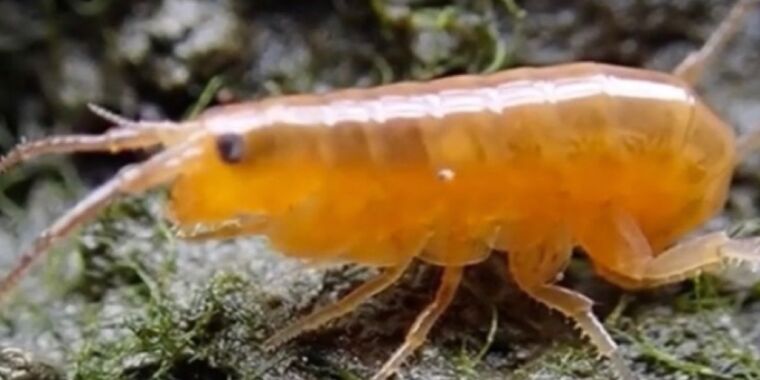
Biologists at Brown University have sequenced the DNA of brown shrimp infected with a parasitic worm, shedding light on the molecular mechanisms behind the changes in the shrimp's behavior and color. The infected shrimp, which turn bright orange, become sluggish and spend more time in exposed areas of salt marshes, making them vulnerable to predation by birds. The study found that the infection activates gene transcripts associated with pigmentation and sensory perception, while suppressing immune response genes. This manipulation by the parasitic worm provides an evolutionary advantage, increasing its chances of spreading and reproducing. Understanding these host-parasite interactions can have implications for managing pathogens in humans and other organisms.

"Terrifying Traffic Jam Caused by Giant Worms Roaming Inside Man's Body"

Originally Published 2 years ago — by Ars Technica

Featured image for "Terrifying Traffic Jam Caused by Giant Worms Roaming Inside Man's Body"
Source: Ars Technica

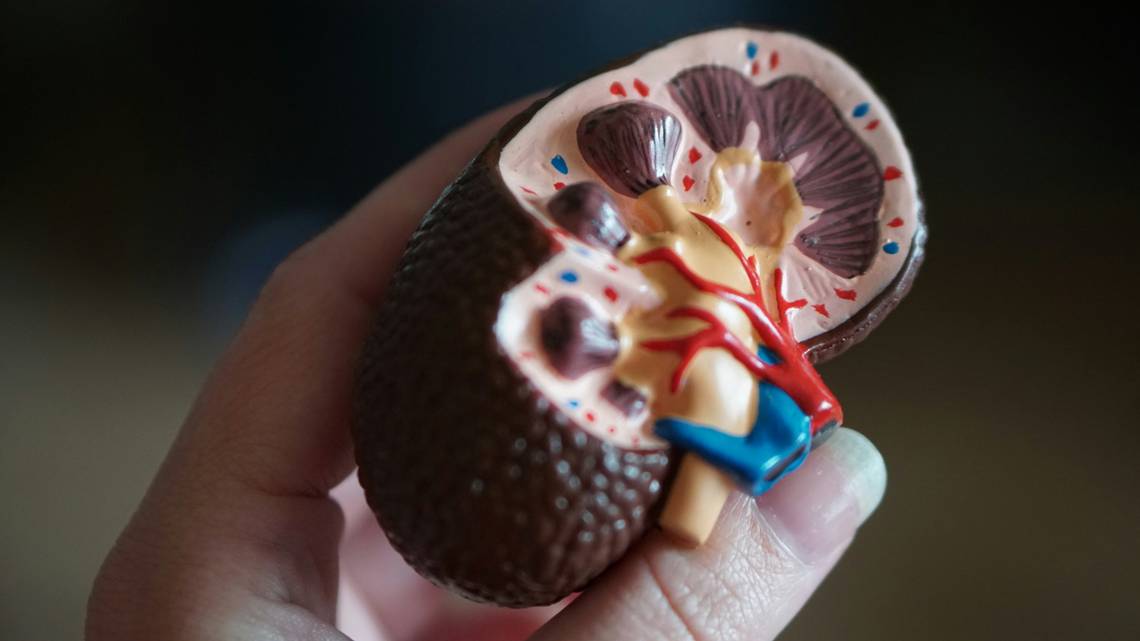
Doctors in Colombia extracted three large intestinal worms from a 75-year-old man's bile duct, causing a rare and dangerous condition called biliary ascariasis. The worms, Ascaris lumbricoides, are commonly found in humans and can infect up to 1.2 billion people worldwide. The man presented with symptoms of fever, pale stools, and abdominal pain, and imaging revealed the presence of worms in his bile duct. The doctors successfully removed the worms and treated the man with medication, leading to an improvement in his symptoms.