Tag

Host Manipulation

All articles tagged with #host manipulation

science-and-environment2 years ago

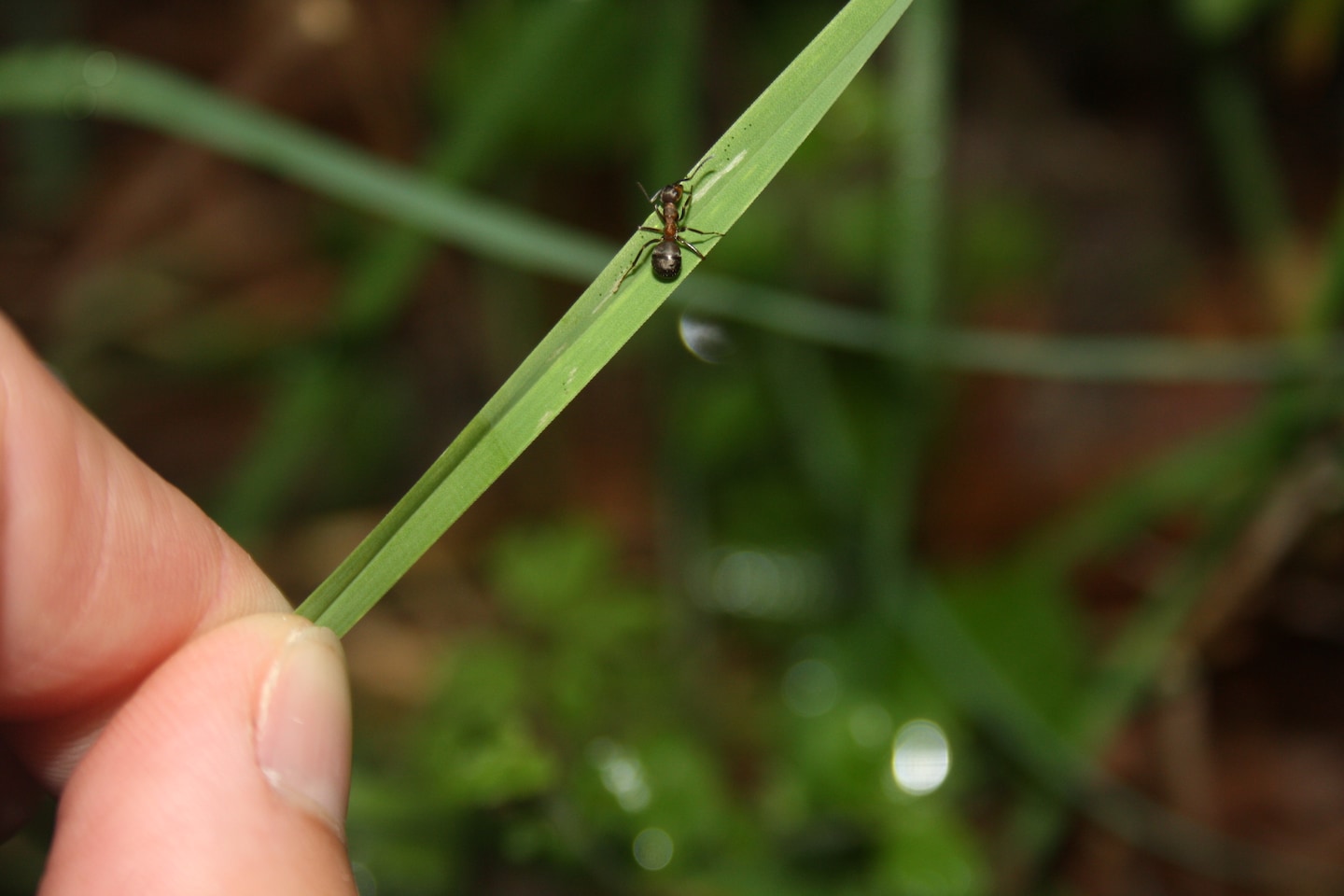
"Mind-Controlled: How a Parasitic Worm Turns Ants into Zombies"

Researchers have studied the lancet liver fluke, a parasitic flatworm that turns ants into zombies, to understand how parasites manipulate host behavior. The fluke infects ants, migrates to their brain, and causes them to climb to the top of a blade of grass, where they are more likely to be eaten by grazing animals. The worms then settle in the animal's liver, lay eggs, and continue their life cycle. The study found that air temperature plays a role in the ants' behavior, with cooler temperatures triggering the ants to remain attached to the grass. Understanding parasite behavior could enhance knowledge about their sophistication and potential implications for human infections.
biology2 years ago

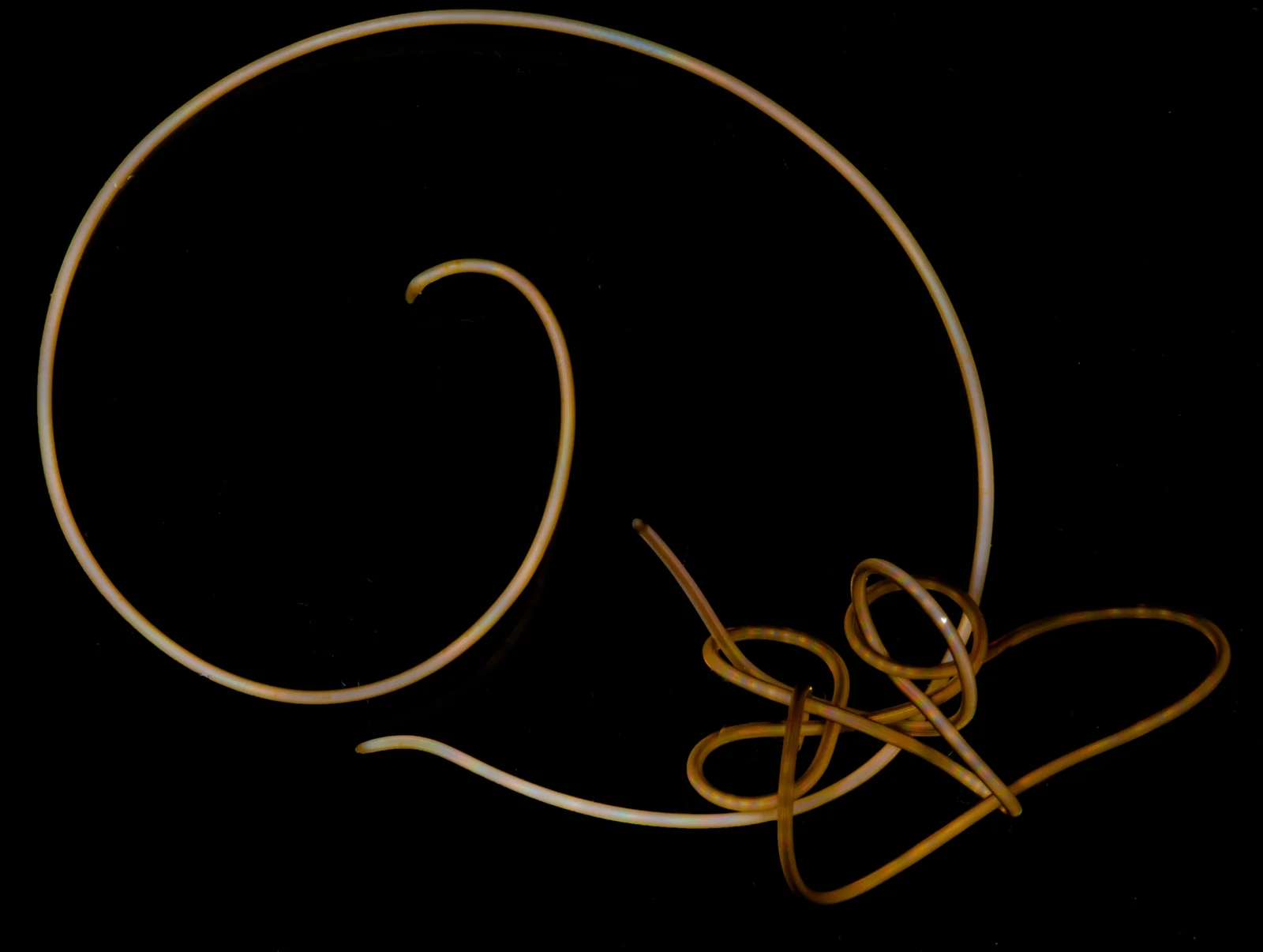
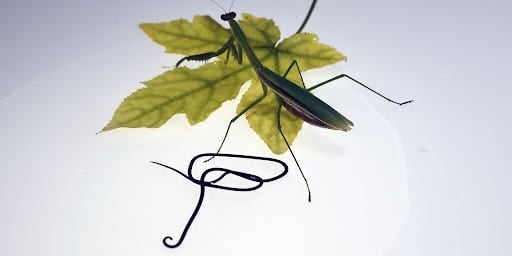
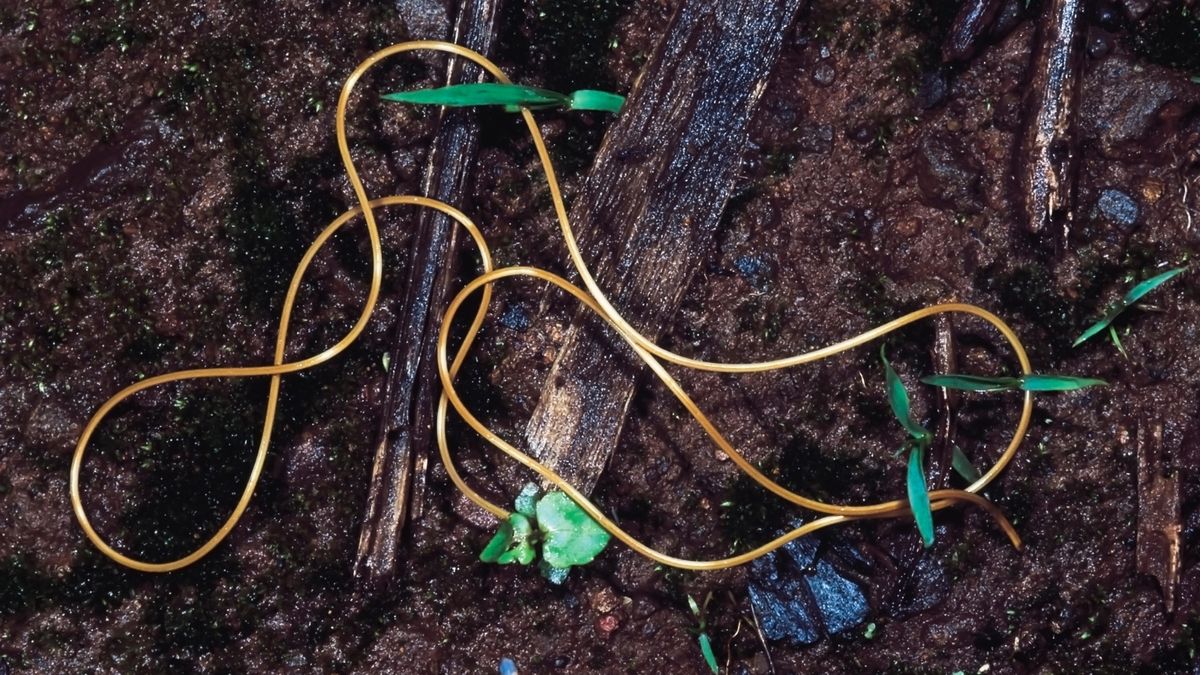
"Mind-bending revelation: Hairworms manipulate mantis hosts' brains"

Scientists have discovered that horsehair worms, parasitic creatures that control their host's brain and drive them to water where they drown, achieve this mind control by stealing DNA from their host. The worms mimic chemicals in the host's body that act like neurotransmitters, allowing them to manipulate the host's behavior. Researchers found that the worms undergo genetic changes when manipulating their host, suggesting that they steal copies of the host's DNA through horizontal gene transfer. This ability to steal genetic material is usually seen in viruses, making the hairworms one of the larger and more complex organisms to demonstrate this ability. Fortunately, there are no reports of hairworms brainwashing humans, as they can only control their favorite species of host, such as mantises.

biology2 years ago

Parasitic Worm Manipulates Host's Genes for Mind Control

Scientists have discovered that parasitic horsehair worms, which manipulate their praying mantis hosts to walk into water and drown themselves, steal their hosts' genetic code to control their minds. By using a molecule that causes the mantises to march towards light shimmering off water, the worms hijack their hosts and eventually free themselves. The researchers found that the worms change the expression of thousands of their own genes, while the mantises' gene expressions remain unchanged. This suggests that the worms use the mantises' genes to make their own proteins, acquired through horizontal gene transfer. The study provides insights into the mechanisms of host manipulation and evolutionary adaptation.

biology2 years ago

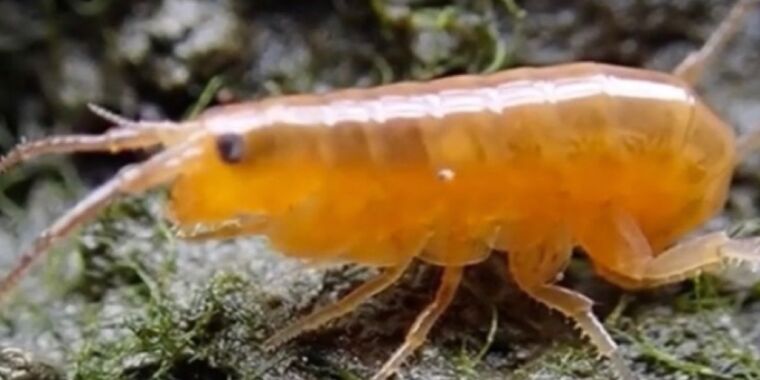
"Parasitic Worms Transform Shrimp into Vibrant Orange 'Zombies'"

Biologists at Brown University have sequenced the DNA of brown shrimp infected with a parasitic worm, shedding light on the molecular mechanisms behind the changes in the shrimp's behavior and color. The infected shrimp, which turn bright orange, become sluggish and spend more time in exposed areas of salt marshes, making them vulnerable to predation by birds. The study found that the infection activates gene transcripts associated with pigmentation and sensory perception, while suppressing immune response genes. This manipulation by the parasitic worm provides an evolutionary advantage, increasing its chances of spreading and reproducing. Understanding these host-parasite interactions can have implications for managing pathogens in humans and other organisms.

biology2 years ago

Unique Parasitic Worms Defy Genetic Norms, Baffle Researchers

Hairworms, parasitic worms known for their ability to manipulate the behavior of their hosts, have been found to be missing about 30% of the genes responsible for the development of cilia, hair-like structures found in almost all other animals. The missing genes were found in both freshwater and marine hairworm species, indicating that this evolutionary change occurred in their common ancestor. The discovery raises questions about the impact of the lack of cilia on hairworms and whether it is related to their parasitic behavior. The study could also help scientists understand common threads in the behavior of organisms capable of "mind control."

biology2 years ago

Parasites: Evolution's Hijackers on Earth

Parasites have the ability to manipulate their hosts in ways that benefit the parasite, often to the detriment of the host. This is known as adaptive host manipulation hypothesis. While some parasites change the physical appearance of their hosts, others alter their behavior. Parasites and hosts engage in an evolutionary arms race, with the parasite developing adaptations to infect hosts and the host increasing resistance and tolerance to parasites. Understanding how parasites manipulate their hosts could have implications for treating and preventing diseases.