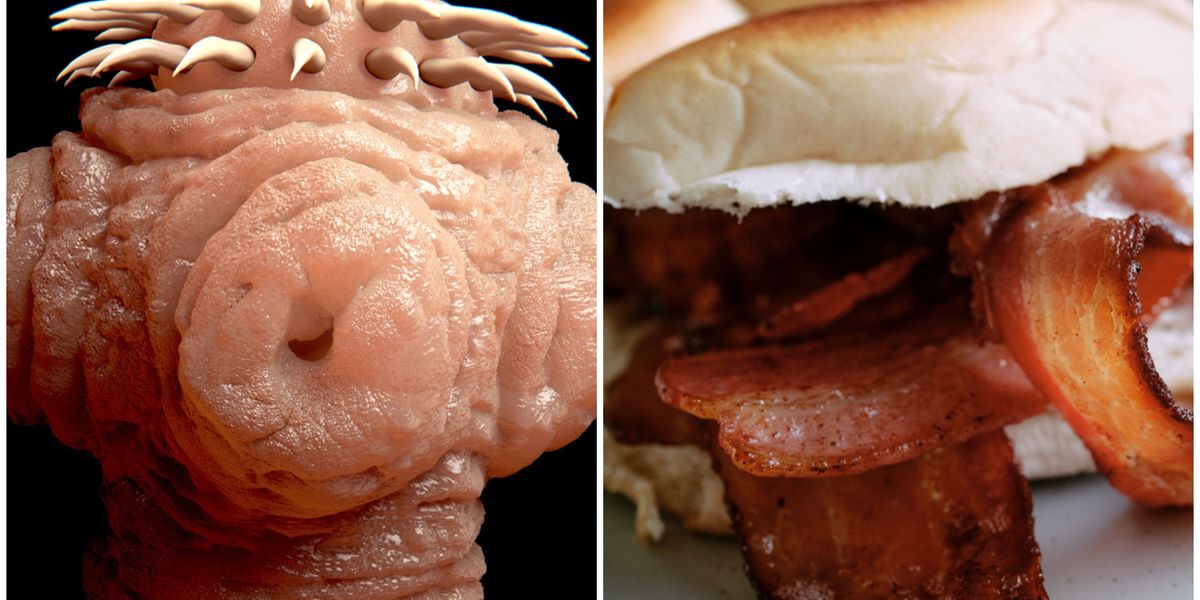
A 52-year-old man developed brain cysts caused by tapeworm larvae, linked to his habit of eating undercooked bacon, highlighting the health risks associated with consuming contaminated pork and the importance of food safety standards.
Neurologists warn against consuming improperly canned foods, large reef fish like barracuda, and undercooked pork due to risks of neurotoxins and parasites that can harm the nervous system, emphasizing food safety and awareness of endemic areas.
A man in Florida experienced worsening migraines, which were eventually diagnosed as being caused by tapeworm cysts in his brain, likely due to poor hygiene and undercooked pork consumption. The tapeworm likely entered his brain after reverting to its cyst form and traveling through the bloodstream. This condition, called neurocysticercosis, can lead to seizures and epilepsy if untreated. The man is now recovering with a dual treatment of anti-parasite and anti-inflammatory drugs, highlighting the importance of proper pork cooking and good hygiene practices.
A 52-year-old Florida man's worsening migraines were linked to tapeworm eggs found in his brain, attributed to his lifelong preference for undercooked bacon consumption. Neurologists diagnosed him with neurocysticercosis, a rare parasitic infection of the brain strongly linked to pork consumption. The man was treated with antiparasitic and anti-inflammatory medications, and researchers emphasized the importance of proper handwashing and the potential risks associated with undercooked pork consumption.
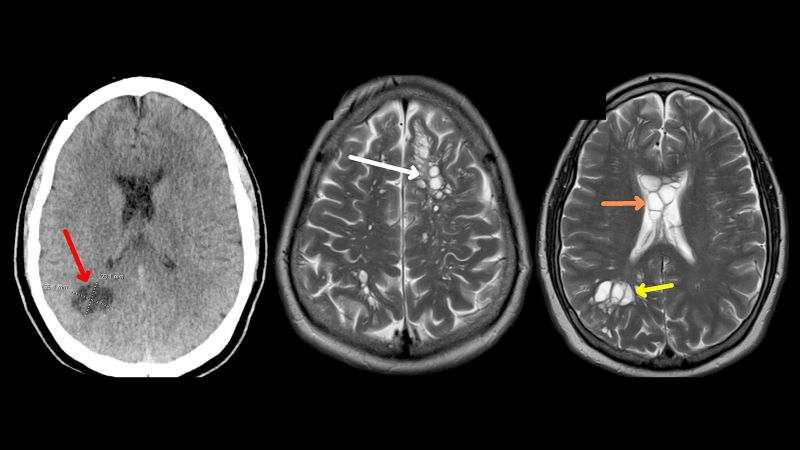
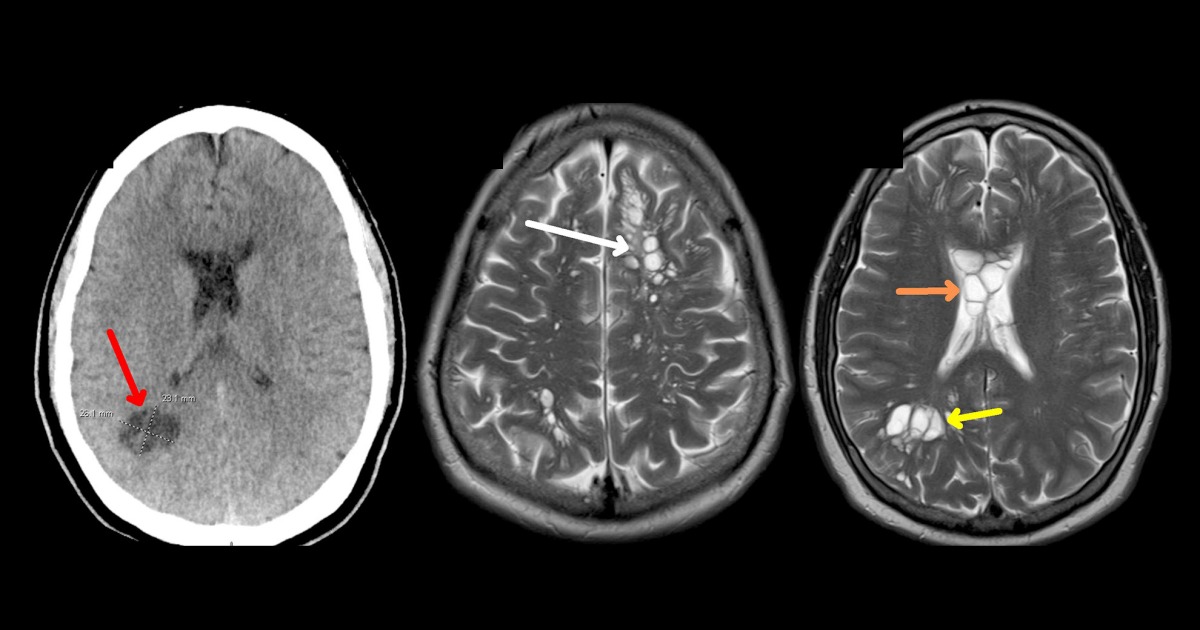
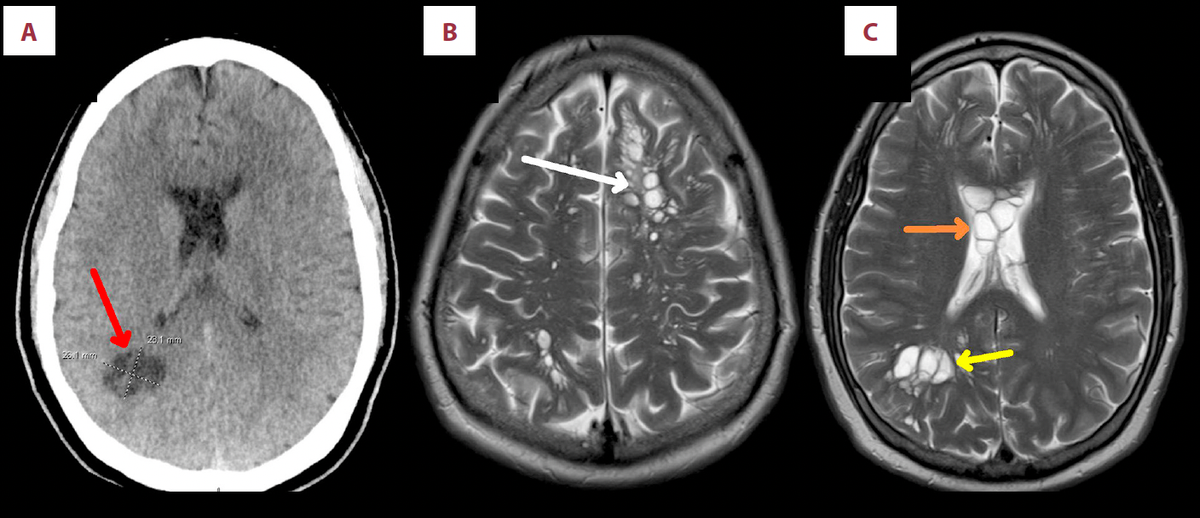
A Florida man suffering from worsening migraines was found to have tapeworm larvae in his brain, likely originating from his habit of eating undercooked bacon. The 52-year-old's CT scan revealed multiple cysts in his brain, initially suspected to be a rare neurologic condition, but further tests showed the cysts were parasitic tapeworm larvae causing neurocysticercosis. The man's history of eating undercooked bacon led doctors to believe he contracted the parasite through "autoinfection." After treatment with steroids and anti-parasitic agents, his headaches improved, highlighting the importance of cooking meat to safe temperatures and proper handwashing to prevent such infections.
A 52-year-old American man with a history of consuming undercooked pork presented with severe migraines, leading to the discovery of tapeworm larvae in his brain. The condition, neurocysticercosis, is caused by ingesting eggs found in the feces of humans with taeniasis. The patient was successfully treated with anti-inflammatory and anti-parasitic medications after admitting to a lifelong preference for undercooked pork. The case highlights the rare but potential risk of neurocysticercosis from autoinoculation due to improper handwashing after contracting taeniasis.
A 52-year-old man in the US developed worsening migraines, which were later found to be caused by tapeworm larvae in his brain, likely due to his consumption of undercooked bacon. He was diagnosed with neurocysticercosis, a parasitic infection caused by pork tapeworm larvae, and successfully treated with anti-parasitic medication. Neurocysticercosis is contracted when a person ingests tapeworm eggs, and symptoms may include epilepsy, headache, dizziness, and stroke. The disease is most prevalent in areas with poor sanitation and free-ranging pigs, and is considered a Neglected Parasitic Infection by the CDC.
A 52-year-old man in the U.S. discovered that his worsening migraines were caused by parasitic tapeworm larvae in his brain, likely contracted from eating undercooked bacon. Diagnosed with neurocysticercosis, a rare parasitic tissue infection, the man's habit of consuming lightly cooked, non-crispy bacon was identified as the probable source of the infection. The patient was successfully treated with anti-parasitic and anti-inflammatory medications, leading to regression of brain lesions and improvement in headaches. This case may have public health implications, as infected pork is historically uncommon in the U.S., and symptoms of neurocysticercosis can range from headaches to seizures and can be fatal.
A Florida man's persistent migraines led to the discovery of tapeworm eggs in his brain, likely caused by his habit of consuming undercooked bacon. The man was treated with antiparasitic and anti-inflammatory medications and is on the road to recovery. Neurocysticercosis, the condition caused by the tapeworm infection, is highly rare in the U.S. and can lead to seizures and hospitalization. The CDC is ramping up efforts to identify and treat patients with tapeworm infections to reduce the economic burden on healthcare.
A 52-year-old man in the US developed tapeworm larva in his brain, likely from consuming undercooked bacon, leading to neurocysticercosis. Despite no recent travel to endemic areas or contact with pigs, the man's habit of eating undercooked bacon and poor hand hygiene likely caused the infection. The case highlights the increasing frequency of such infections in developed countries and the importance of considering neurocysticercosis in evaluating acute changes in migraines.
A Florida man's severe migraines were found to be caused by tapeworm cysts in his brain, likely contracted from eating undercooked bacon. The rare condition, neurocysticercosis, can lead to a range of neurological problems and is a leading cause of seizures worldwide. The man was successfully treated with steroids and antiparasitic medication, reducing his headaches and brain lesions.
A man in the U.S. was found to have parasitic worms in his brain, likely due to consuming undercooked bacon. The tapeworm larvae caused a condition called neurocysticercosis, leading to severe migraines and other symptoms. Prompt treatment with anti-parasitic and anti-inflammatory drugs successfully reduced the size of the parasitic lesions and improved the man's headaches. The case serves as a rare reminder of the potential risks associated with consuming undercooked pork and the importance of proper food preparation and hygiene.
A 52-year-old man in Florida suffering from chronic migraines was found to have tapeworm eggs in his brain, causing significant swelling and cysts. The parasite likely entered his body through undercooked bacon consumption, leading to a diagnosis of neurocysticercosis. Despite not having recently traveled abroad, the man's case highlights the potential risks of consuming contaminated food. He was treated with anti-inflammatory and antiparasitic medications to address the infection and swelling.
A 52-year-old man in Florida suffering from chronic migraines was found to have tapeworm eggs in his brain, causing significant swelling and cysts. The parasite likely entered his body through undercooked bacon consumption, leading to a diagnosis of neurocysticercosis. Despite not having recently traveled abroad, the man's doctors believe his preference for soft bacon may have been the source of the infection. He was treated with anti-inflammatory and antiparasitic medications to address the swelling and eliminate the tapeworm eggs.
A Florida man suffering from chronic migraines was diagnosed with neurocysticercosis, a parasitic infection caused by tapeworm eggs in his brain, likely contracted from consuming undercooked bacon. The patient's cysts and migraines improved after receiving anti-inflammatory and antiparasitic medications, and the case was published in the American Journal of Case Reports.