NASA's new report outlines a strategic plan for Mars exploration over the next two decades, emphasizing the need for paradigm shifts to address core questions about Mars' habitability and potential life. The plan suggests more frequent, lower-cost missions, leveraging commercial partnerships, and exploring challenging terrains. It highlights the importance of international collaboration and innovative public-private partnerships to maintain leadership in Mars exploration, with human missions potentially starting in the late 2030s.
Philippines President Ferdinand Marcos Jr. expressed dissatisfaction with the current direction of diplomatic efforts with China regarding the South China Sea issue, stating that a "paradigm shift" is needed. Marcos emphasized that traditional methods of diplomacy have yielded little progress and called for a joint position among countries involved in the situation. The Philippines aims to avoid violent conflict and will continue engaging in dialogue with its partners. Last week, tensions escalated between Manila and Beijing over a ship collision near a disputed shoal in the South China Sea. China's foreign ministry expressed willingness to manage differences through dialogue and consultation.
A new study published in the journal EMBO Reports proposes a cell-based theory of consciousness, suggesting that consciousness is not limited to complex organisms like humans and animals, but is inherent in all life forms, including plants, bacteria, and amoebas. The theory challenges the conventional thinking that consciousness is solely a product of the brain and argues that it originated with the first cells that emerged billions of years ago. The implications of this theory extend beyond consciousness and could potentially reshape our understanding of life, intelligence, and even artificial intelligence. The researchers hope for a paradigm shift in evolutionary biology.
The European Space Agency (ESA) and European spaceflight are undergoing a paradigm shift, with a focus on competition and commercial input. The ESA Council has announced two major projects: a competition for new launch vehicles to follow Ariane 6 and Vega-C, and the development of a new cargo vehicle for transport to and from the International Space Station (ISS) by 2028. The ESA aims to rectify the current "European launcher crisis" and increase cost-effectiveness and resilience. The agency will serve as the anchor customer, and the joint implementation of these projects will be prepared for the next Council Meeting in 2025.
Kellogg is splitting into two parts, with the company spinning off its North America cereal division into a new company named WK Kellogg, while focusing on the more attractive snacking segment under the renamed company Kellanova. Executives from Kellogg and Post expect the cereal industry to continue its gradual decline, with sales ranging from flat to down by a low single-digit percentage per year. This move reflects the changing consumer preferences away from traditional breakfast cereals and towards healthier options, marking a paradigm shift in the breakfast food industry.
A new approach to dementia care is emerging with the rise of "dementia villages" that integrate patients into the surrounding community. These villages, such as the Hogeweyk in the Netherlands, provide a more home-like environment for residents with severe dementia, allowing them to freely move about and interact with fellow patients and staff. As the number of dementia cases continues to increase globally, experts are calling for a paradigm shift in senior care to create more inclusive communities that normalize life for those with a dementia diagnosis. While these models have gained traction in Europe and Australia, the challenge lies in creating a society that fully includes and supports individuals with dementia.
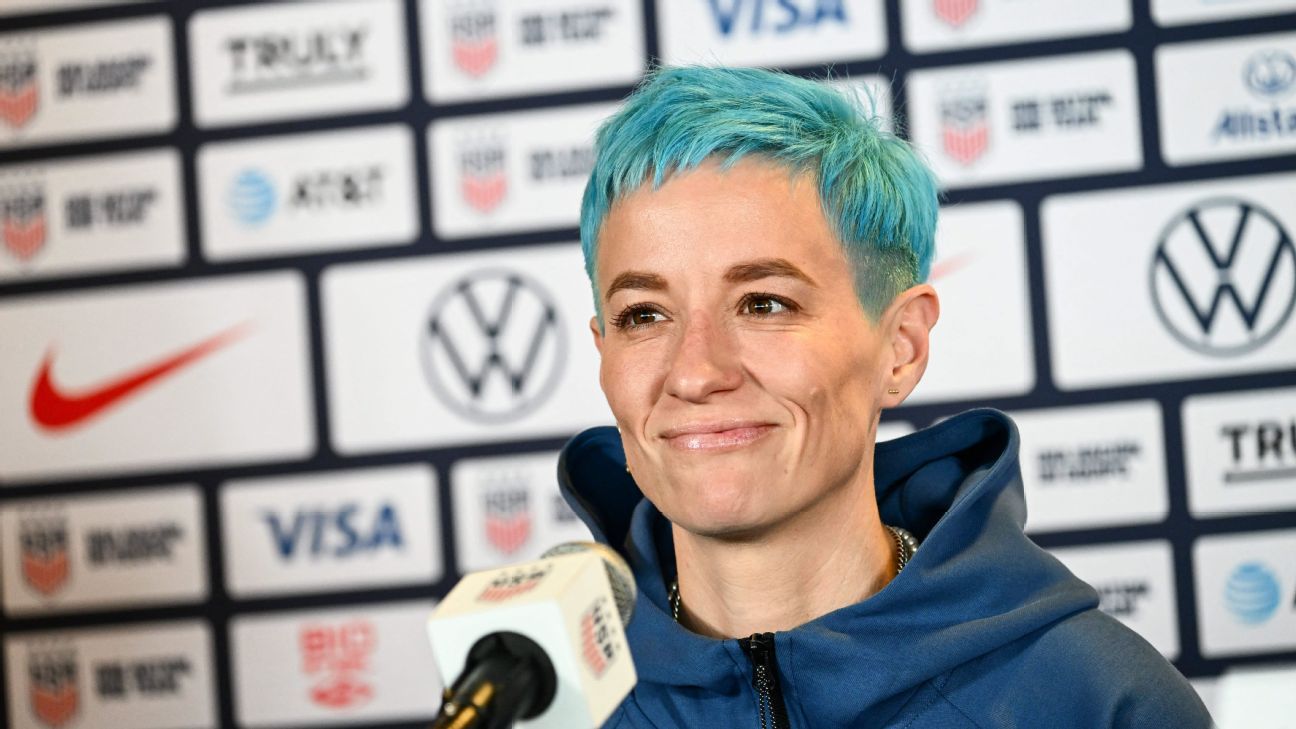
USWNT forward Megan Rapinoe believes that the upcoming Women's World Cup is a global paradigm shift for women's sports, but acknowledges that there are still challenges in achieving equality. Rapinoe highlights the progress made in terms of equal prize money and better benefits for women's teams, but expresses frustration over other teams still struggling for equality. She emphasizes the importance of fan support and media attention for the success of women's sports, stating that equality is good for business. The USWNT aims to win their third consecutive title with a mix of experienced players and newcomers, while the captaincy remains undecided.