The article urges readers to empty and inventory their medicine cabinets, discard expired or unused items, and keep only essential medicines, organizing them by expiration date to simplify home care and improve safety.
The government shutdown has temporarily halted some telehealth and hospital-at-home services for seniors on Medicare, with programs expiring due to lack of congressional funding, leading to discharges and reduced access, though most other Medicare and Medicaid services continue as normal. Congress needs to pass new legislation to restore these services, which have bipartisan support but are costly to make permanent.
A Philadelphia jury awarded $14 million to the family of an Alzheimer's patient who died after falling under the care of Bayada Home Health Care, citing negligence by the aide. The case highlights concerns over home-care quality and legal accountability, with Bayada planning to challenge the verdict.
A systematic review suggests that soup, especially chicken soup, may help speed up recovery from colds and flu by reducing symptoms and inflammation, though more research is needed to confirm its effectiveness and impact on everyday outcomes. The warmth, nutrients, and anti-inflammatory ingredients in soup support comfort and immune health, making it a culturally significant and accessible home remedy for respiratory infections.
A study of nearly 400,000 older adults receiving home care across Canada, Finland, and New Zealand found that lonely seniors had an 18-23% lower risk of dying within a year compared to non-lonely peers, challenging previous assumptions that loneliness increases mortality risk. The findings suggest that declining health may lead to loneliness rather than the other way around, and that home care services might provide protective social contact. While loneliness remains a serious issue for quality of life, these results indicate that the relationship between loneliness and mortality is more complex than previously thought.
Jean Truchon, a key figure in Canada's assisted dying laws, revealed he might have chosen to live if he had received adequate home care, raising concerns about the country's approach to medical assistance in dying (MAiD). The case has sparked debate over whether patients are opting for assisted death due to insufficient care options, with experts warning of a "dangerous precedent." The situation also resonates in the UK, where similar issues in palliative care are influencing discussions on legalizing assisted dying.
US regulators are attempting to block UnitedHealth Group's proposed $3.3 billion acquisition of a home care company, citing concerns over reduced competition and potential negative impacts on the home healthcare market.
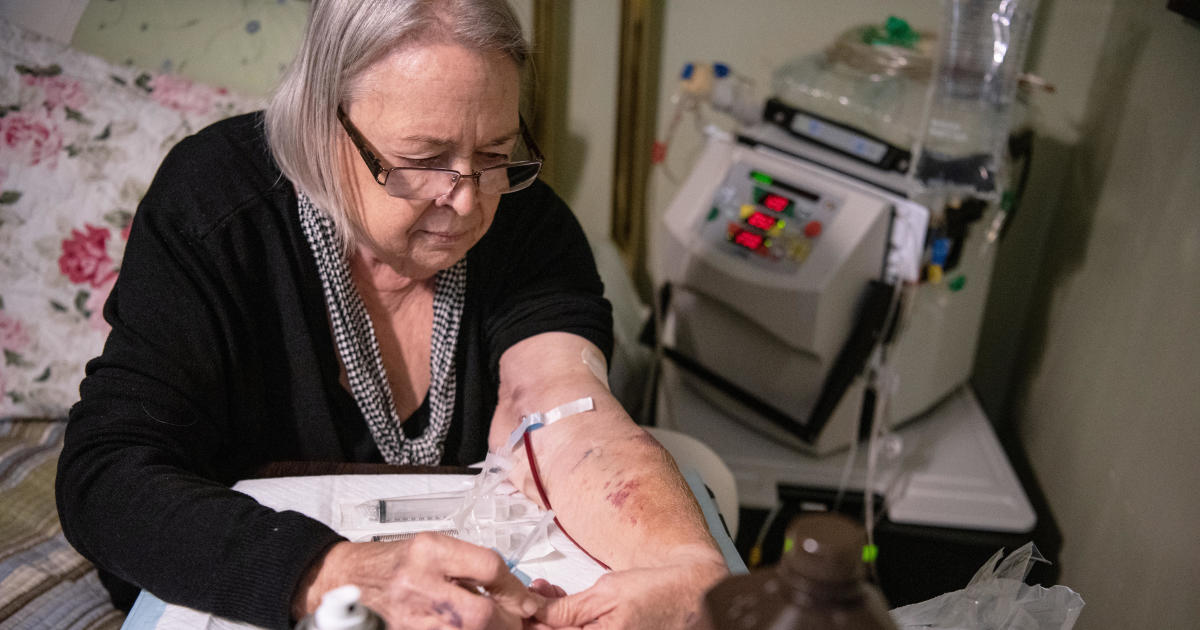
Venous needle dislodgment (VND), a rare but potentially lethal complication of hemodialysis, poses a significant risk to patients undergoing dialysis treatment. If the venous needle dislodges, the blood continues to be pumped and cleaned by the machine, but it escapes from the body, leading to rapid blood loss and potential death within minutes. While a simple solution in the form of an alarm system exists in Europe to detect blood loss and automatically shut off the dialysis pump, this technology is not widely available in the United States. The lack of automatic shut-off mechanisms in dialysis machines poses a danger to patients, both in clinical settings and at home. Experts and patient advocates emphasize the need for improved patient training and the adoption of fail-safe technologies to prevent VND and enhance patient safety in dialysis care.
A new approach to dementia care is emerging with the rise of "dementia villages" that integrate patients into the surrounding community. These villages, such as the Hogeweyk in the Netherlands, provide a more home-like environment for residents with severe dementia, allowing them to freely move about and interact with fellow patients and staff. As the number of dementia cases continues to increase globally, experts are calling for a paradigm shift in senior care to create more inclusive communities that normalize life for those with a dementia diagnosis. While these models have gained traction in Europe and Australia, the challenge lies in creating a society that fully includes and supports individuals with dementia.
President Joe Biden signed an executive order directing federal agencies to find ways to make child and elder care more affordable and accessible. The plan aims to address the rising costs of child and home care, which have become a significant burden for many families.