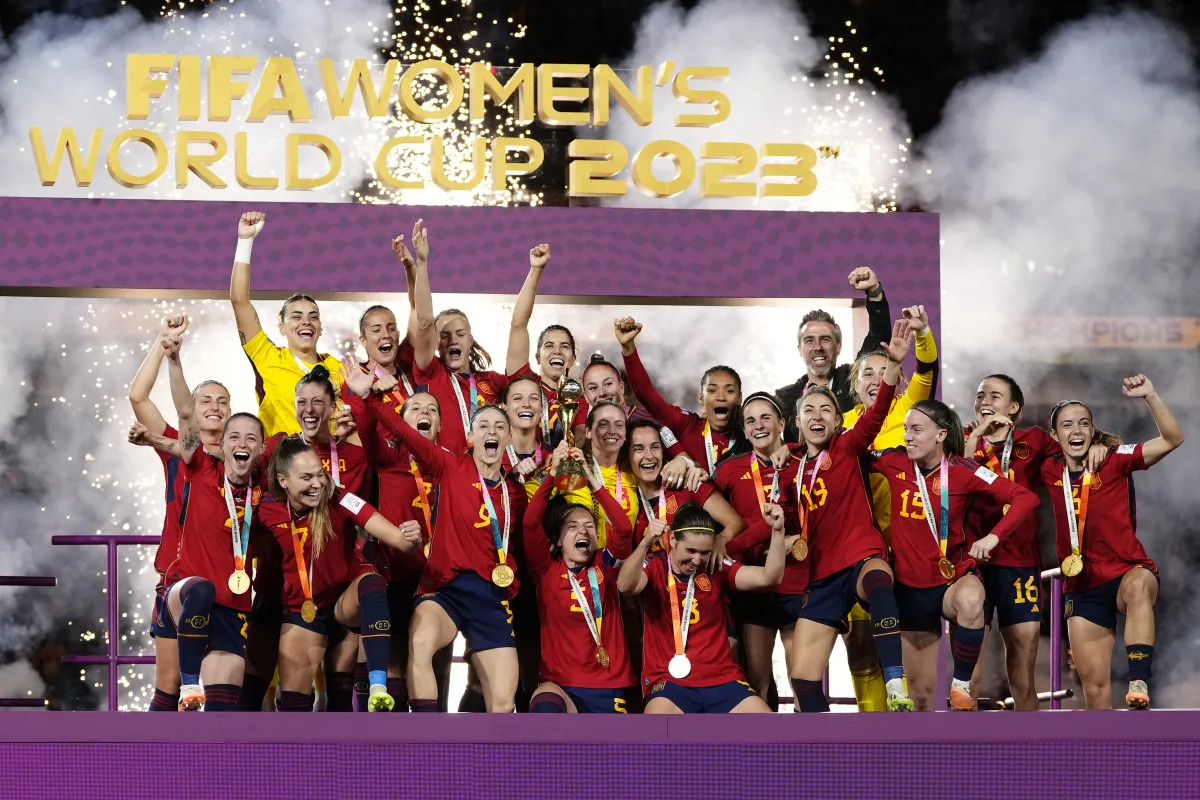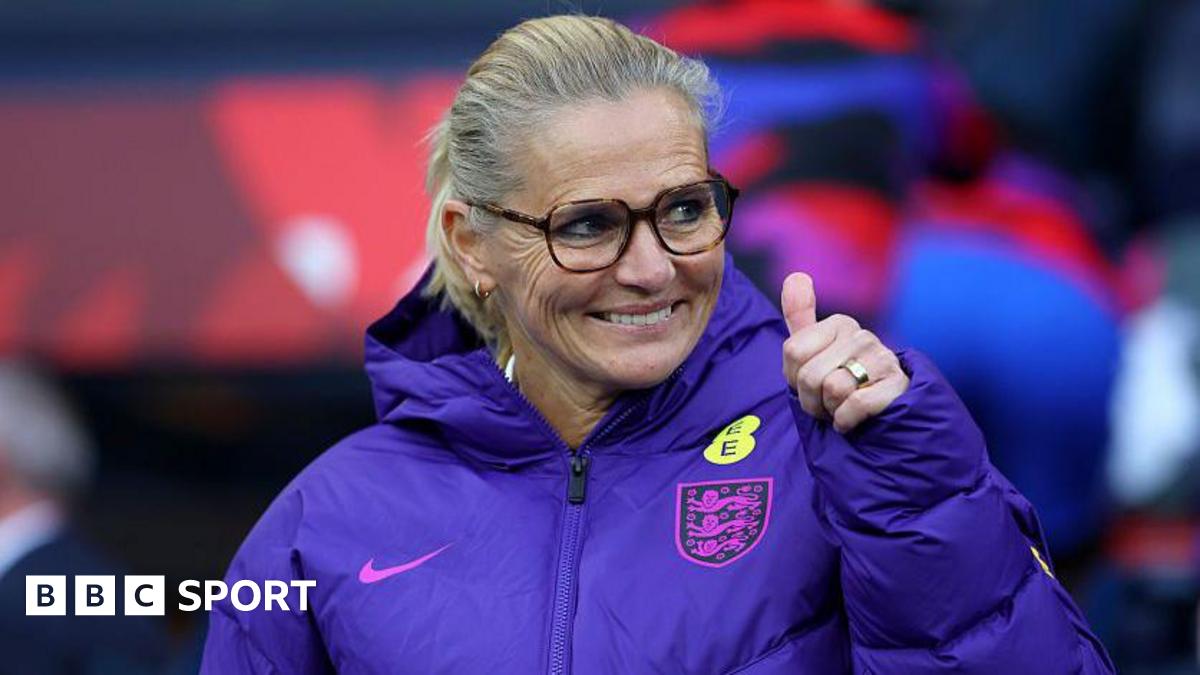
England has been drawn with Spain in their 2027 Women's World Cup qualifying group, with other UK nations facing various European opponents. The qualification process involves league-based tiers with automatic and playoff qualifications, and the top-tier winners qualify directly for the World Cup in Brazil, while others face complex playoff routes. UK teams must perform well in their groups to avoid relegation and secure playoff spots, with potential matchups against strong European teams.
India achieved a historic record chase to defeat Australia by five wickets in the ICC Women's World Cup semi-final, with Jemimah Rodrigues scoring an unbeaten century to lead India to their first final since 2017, setting up a showdown against South Africa.
U.S. Soccer is monitoring the security situation in Morocco amid ongoing protests over government spending and political unrest ahead of the U-17 Women’s World Cup, which is set to take place in Rabat. Despite the protests and violence, no travel or security changes have been made for the tournament, which features teams from 24 nations and marks the first time Morocco hosts the event. The protests are part of broader discontent over Morocco’s investments in hosting the 2030 men’s World Cup and other major football events.
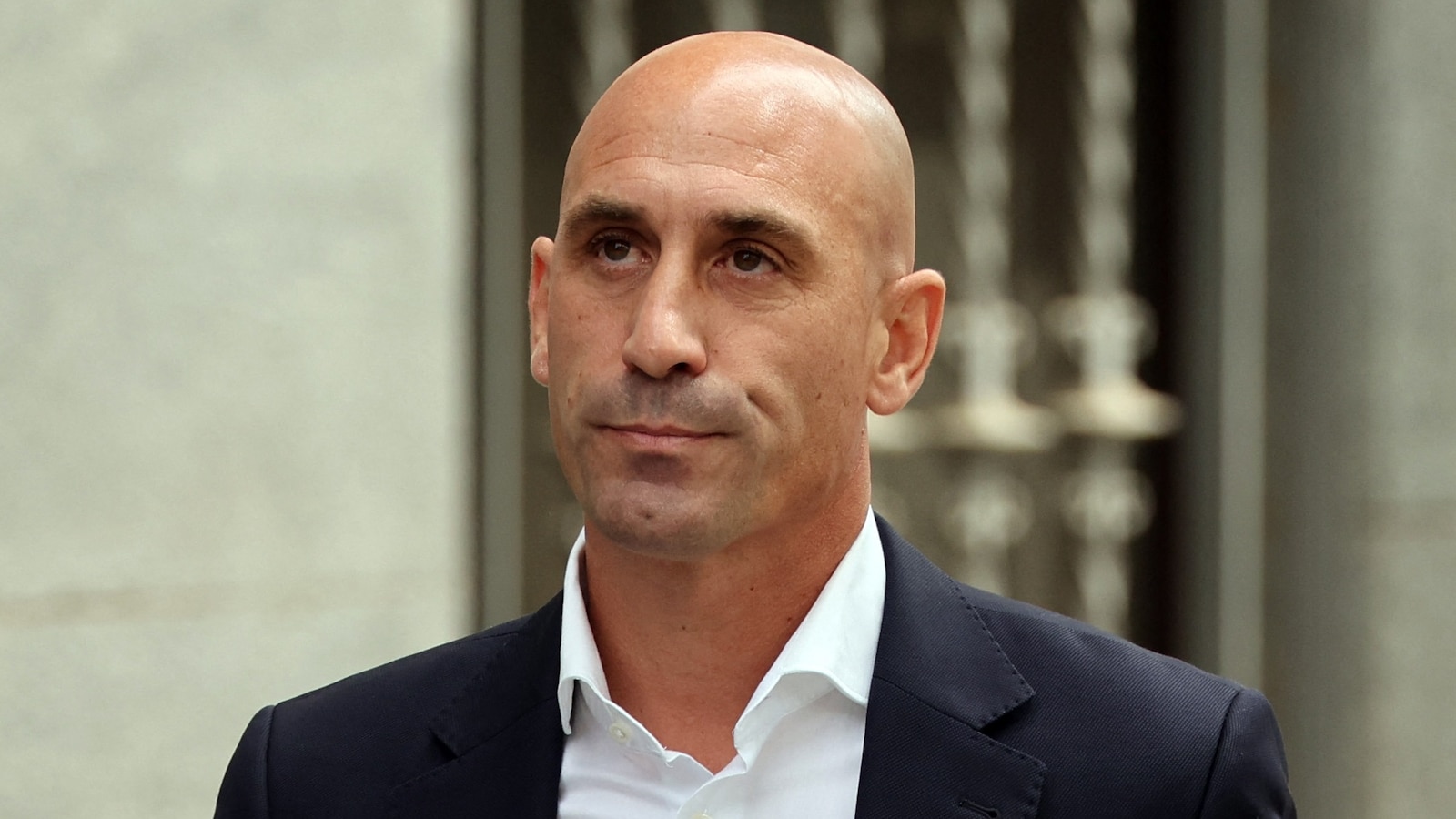
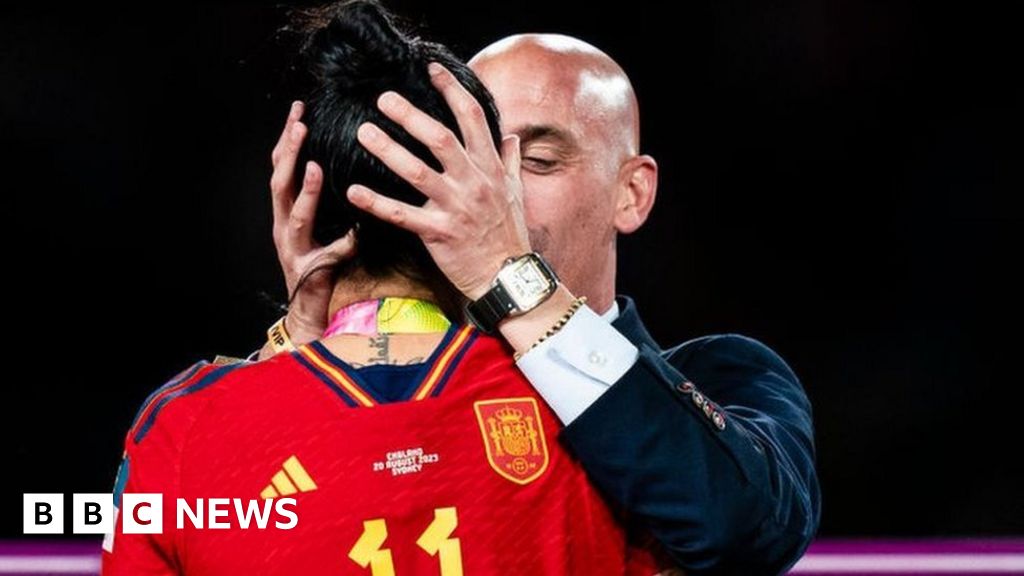
Prosecutors are seeking a two-and-a-half-year prison sentence for former Spain soccer chief Luis Rubiales over a nonconsensual kiss at the Women's World Cup last year, where he kissed Spanish soccer player Jennifer Hermoso on the lips without her consent during a trophy ceremony. Rubiales, who denies any wrongdoing, could also face a fine and be prohibited from getting near Hermoso. The trial has not yet started.
A Spanish judge has proposed that former football federation president Luis Rubiales should stand trial over the non-consensual kiss he gave to captain Jenni Hermoso during the women's World Cup presentation. Prosecutors have charged Rubiales with sexual assault and coercion, and penalties for such a kiss range from a fine to four years in prison. The incident has also involved other Spanish football executives, and the judge has ruled that they should stand trial as well. Hermoso initially indicated the kiss was consensual but later complained of being pressured by officials to make that statement, leading to Rubiales' resignation as president of the Spanish football federation and sparking global outrage at sexism in women's sports.
Sam Mewis, a key player in the 2019 Women’s World Cup-winning U.S. team, has retired due to ongoing knee and ankle injuries, leaving behind a legacy of hilarious off-field moments captured by U.S. Soccer. Known for her comedic antics with teammates, including her sister Kristie, Mewis will now lead a women’s soccer vertical at Men in Blazers. Her iconic moments include ice bath shenanigans, sister quizzes, caroling, and the famous "Having an OK Time" segment, showcasing her humor and likability both on and off the field.
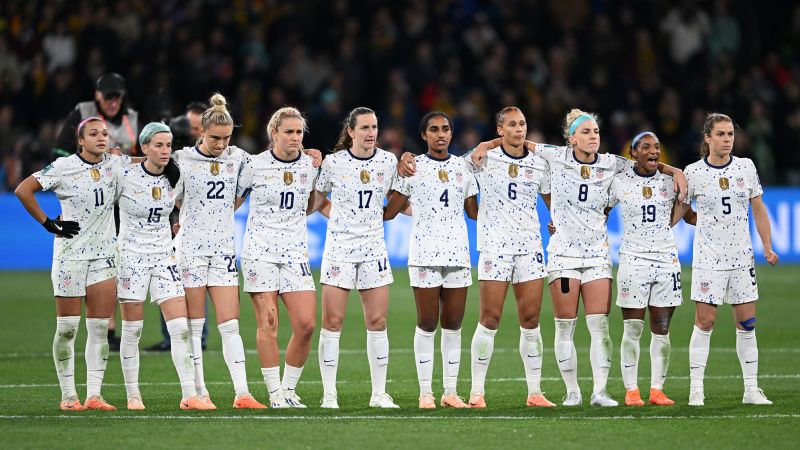
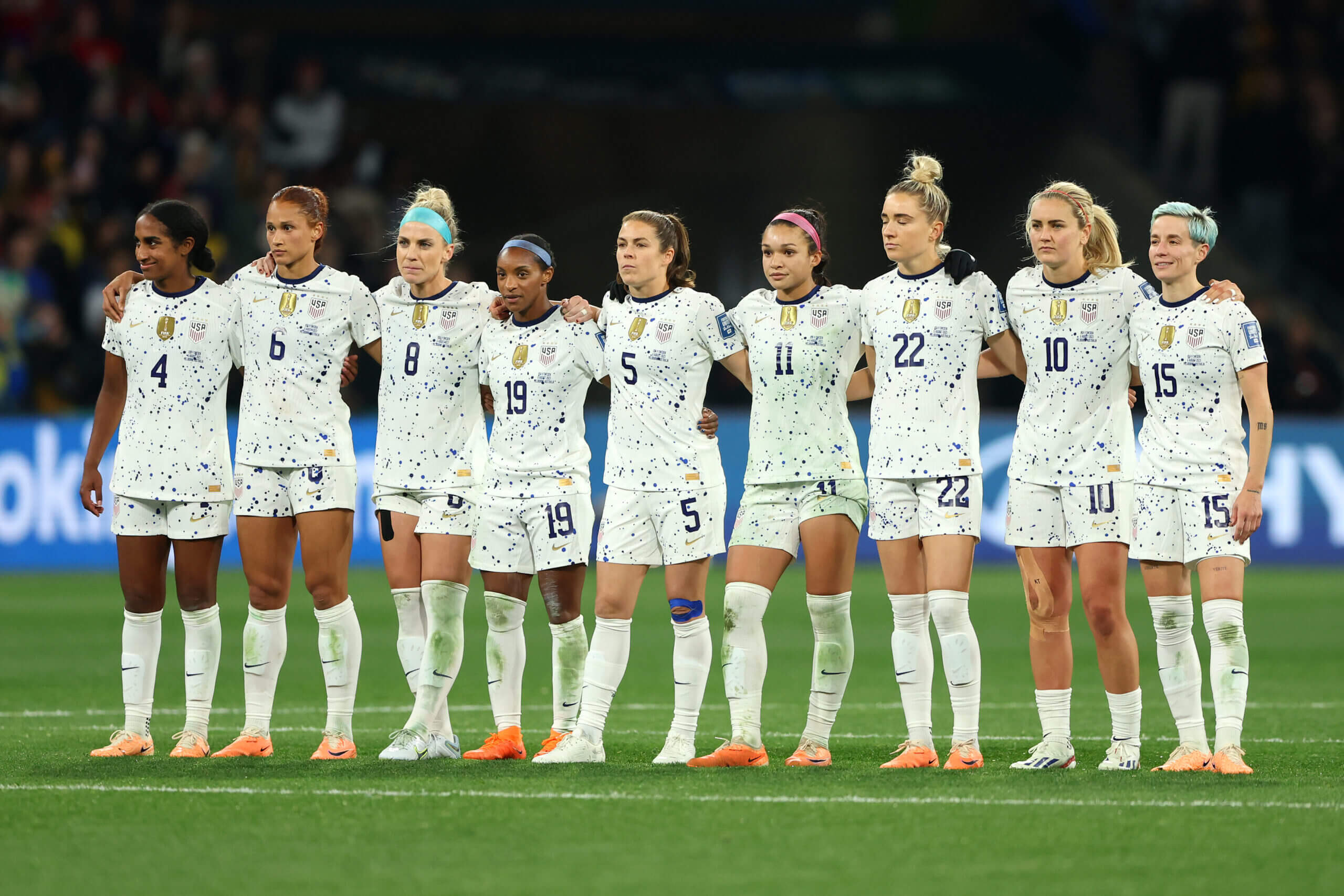
A report released by FIFA and FIFPRO reveals that players at the Women's World Cup were 29% more likely to receive online abuse compared to the men's tournament. One in five players received targeted discriminatory, abusive, or threatening messages, with almost 50% of the abusive messages being homophobic, sexual, and sexist. The FIFA Social Media Protection Service (SMPS) analyzed 5.1 million posts and comments in 35 different languages, reporting and hiding over 400,000 abusive comments. FIFPRO president David Aganzo emphasized the need for football to protect players in the toxic online environment, which affects their mental health and wellbeing.
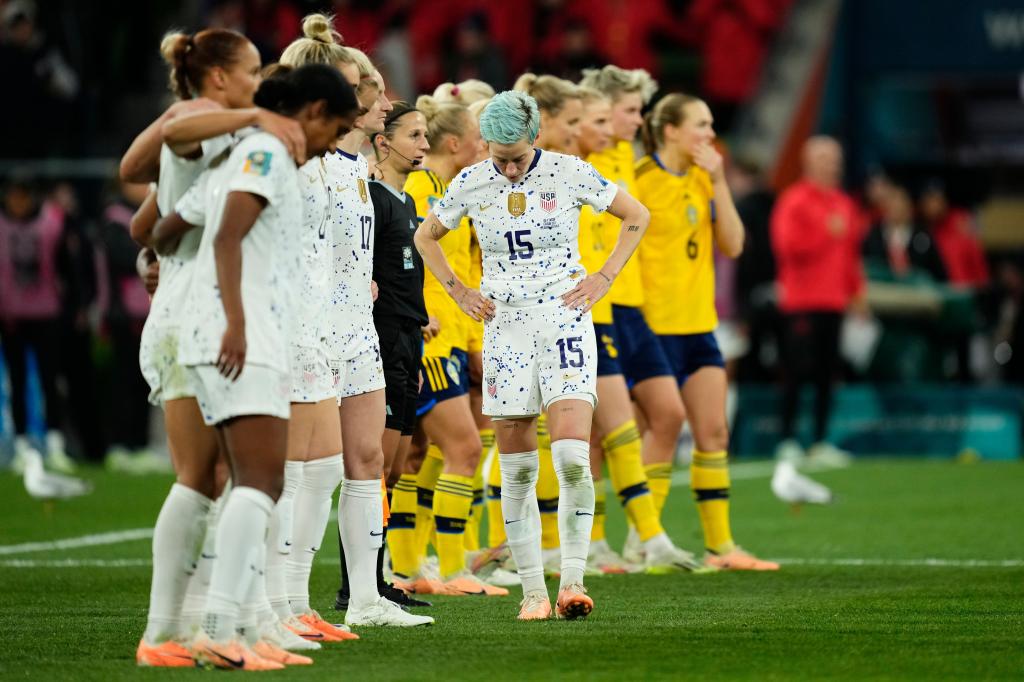
The US women's soccer team received more than double the amount of abusive messages on social media compared to any other nation during the Women's World Cup, according to a report by FIFA and FIFPRO. Factors such as the team's status as reigning champions and players perceived as not singing the national anthem contributed to the heightened abuse. The study found that one in five players at the tournament experienced discriminatory messaging, with homophobic, sexual, and sexist abuse accounting for nearly half of all messages across various platforms. FIFA and FIFPRO are using artificial intelligence to protect players from online abuse and emphasize the need for a safer online environment for athletes.
A report released by FIFA and FIFPRO reveals that one in five players at the Women's World Cup received discriminatory, abusive, or threatening messages during the tournament. The report highlights the prevalence of online abuse faced by players, with the USWNT being the most targeted team. Homophobic comments were almost double the rate compared to the 2022 men's World Cup. FIFA's social media protection service, driven by AI, flagged over 7,000 discriminatory posts or comments. The report calls for stronger moderation policies on social media platforms, continued player support, and awareness of the impact of posts from politicians.
A FIFA report reveals that the United States women's national team (USWNT) received more than twice the amount of discriminatory or threatening posts on social media compared to any other team during the 2023 Women's World Cup. Over 150 players at the tournament experienced targeted abuse, with two unidentified players from the US and Argentina receiving the highest number of abusive messages. The abuse towards the USWNT centered around their decision not to sing the national anthem before games, and there was a spike in abuse after their defeat against Portugal and subsequent exit from the tournament. The report also highlighted instances of sexism, misogyny, and anti-gay messages in the abusive content. FIFA's Social Media Protection Service has been working to reduce online abuse and hate speech, reporting and hiding over 400,000 comments in the past year.
The United States and Mexico have confirmed their joint bid to host the 2027 Women's World Cup, while Belgium, Germany, and the Netherlands have submitted a joint European bid, and Brazil has also lodged their offer. FIFA will conduct on-site inspection visits to the bidding countries in February, with the hosts expected to be appointed in May 2024. The bids focus on leveraging existing infrastructure, driving economic benefits, and ensuring sustainability. If selected, Brazil would host the first Women's World Cup in South America.
The United States and Mexico have officially submitted a joint bid to host the 2027 Women's World Cup, entering a three-way competition with Brazil and a joint bid from the Netherlands, Belgium, and Germany. The U.S. and Mexico believe their proposal would break commercial records for a women's sporting event, with high-capacity stadiums and potential revenue-sharing agreements that could benefit women's soccer globally. Brazil offers an untapped women's soccer market and existing infrastructure, while the European bid boasts excellent transportation systems and venues. FIFA is expected to release more details on the bids soon, with the final decision to be made in May 2022.
The United States and Mexico have submitted a joint bid to co-host the 2027 Women's World Cup, following their successful bid to co-host the 2026 men's World Cup with Canada. The joint bid aims to capitalize on the growth of women's sports and leverage the infrastructure and venues already in place for the men's World Cup. Belgium, Germany, and the Netherlands have also submitted a joint bid, while Brazil submitted its bid last month. FIFA will conduct on-site inspections before announcing the hosts in May 2024.
A FIFPRO poll reveals that despite the record prize money at the 2023 Women's World Cup, one-third of the players earn less than $30,000 a year from their national teams and clubs combined. Additionally, one in five players supplement their income with a second job. The survey also highlights concerns regarding player welfare, with many players feeling they did not have enough rest before the tournament and insufficient post-tournament rest. Furthermore, some players did not receive the required pre-tournament medical exams and electrocardiograms, raising concerns about adherence to FIFA regulations.
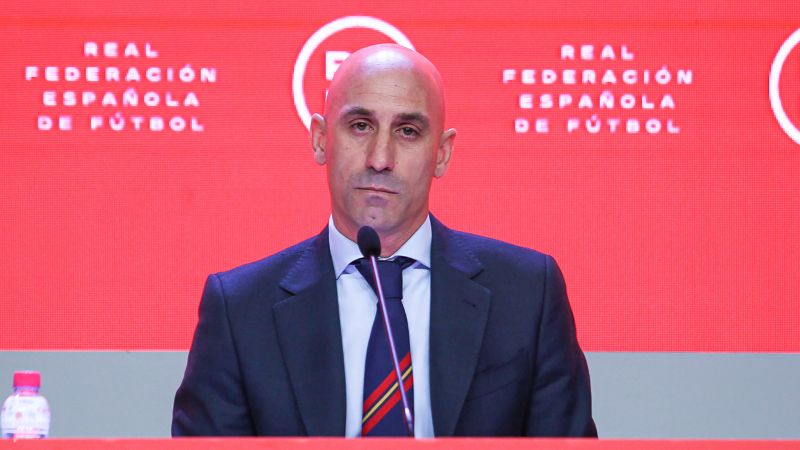
FIFA has banned Luis Rubiales, the former president of the Royal Spanish Football Federation, from all soccer-related activities for three years due to his unwanted kiss on Spain's Women's World Cup-winning player, Jennifer Hermoso. Rubiales plans to appeal the decision. The incident caused a crisis in Spanish soccer and overshadowed Spain's historic triumph. Rubiales had described the kiss as "mutual," but Hermoso denied consent. Rubiales is also under investigation for sexual assault and coercion.