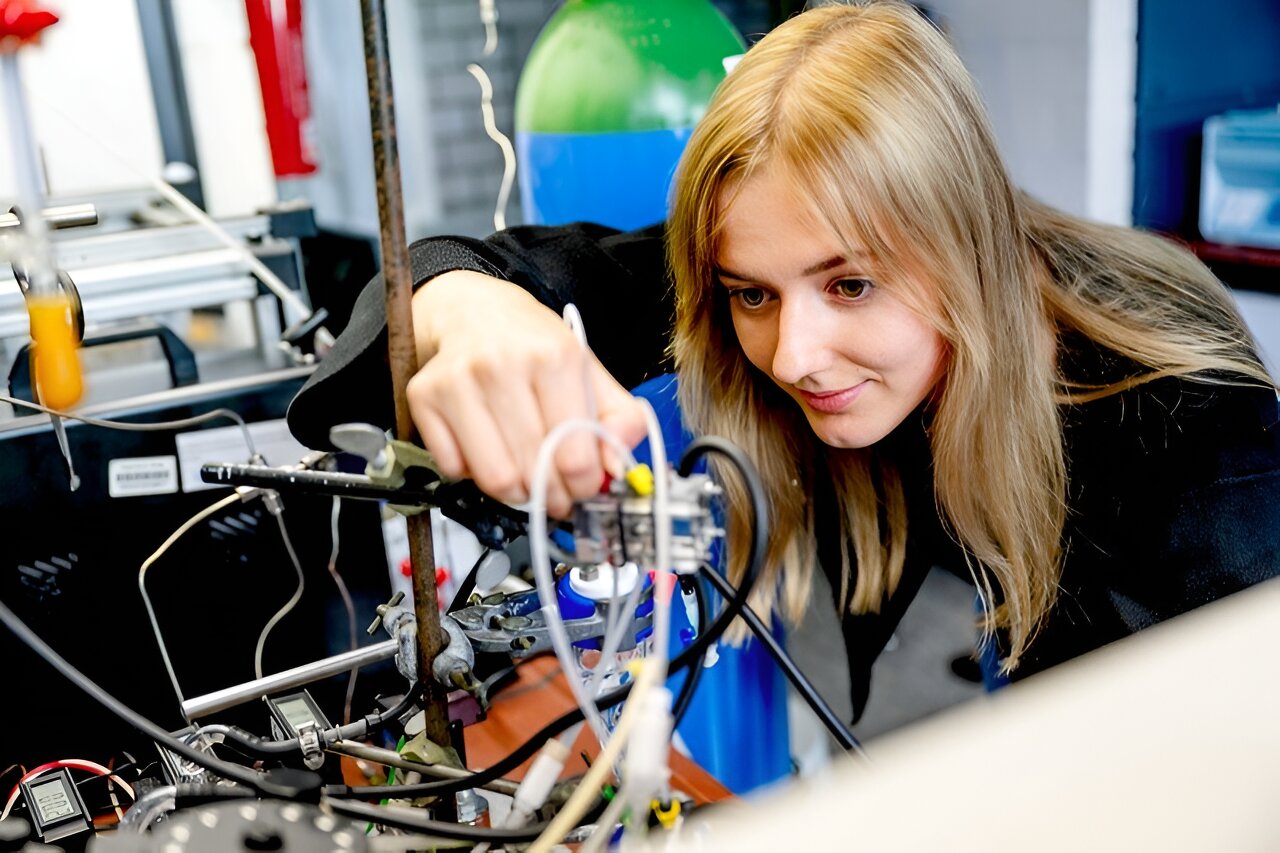
US scientists have used quantum chemistry to understand and improve ozone-generating catalysts for chlorine-free water disinfection, aiming to create safer, more sustainable water treatment systems that avoid the drawbacks of chlorine and its byproducts.
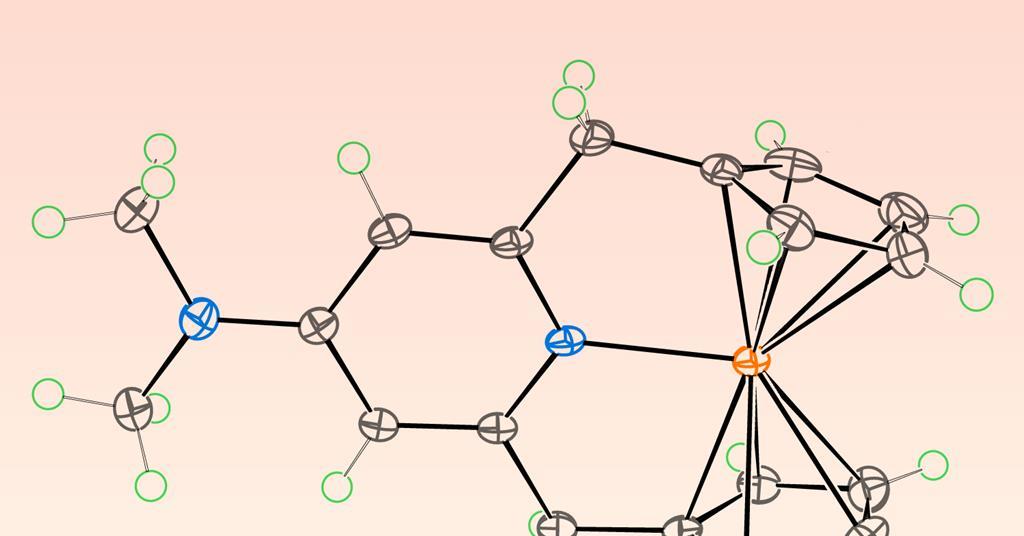
Researchers have synthesized a ferrocene derivative with 20 valence electrons, breaking the traditional 18-electron rule, and exhibiting unique redox properties that could enhance catalysts and materials. The compound's structure allows reversible oxidation states, including Fe(IV), under mild conditions, opening new avenues for chemical research and applications.
Researchers from the University Alliance Ruhr in Germany have developed a catalyst that allows the simultaneous production of hydrogen and fertilizer precursor nitrite from ammonia, combining two previously separate chemical processes. This innovative approach, which uses gas diffusion electrodes and overcomes significant thermodynamic challenges, could potentially double hydrogen yield and make ammonia a more efficient energy carrier for transport. However, the method is still in the experimental stage and far from industrial application.
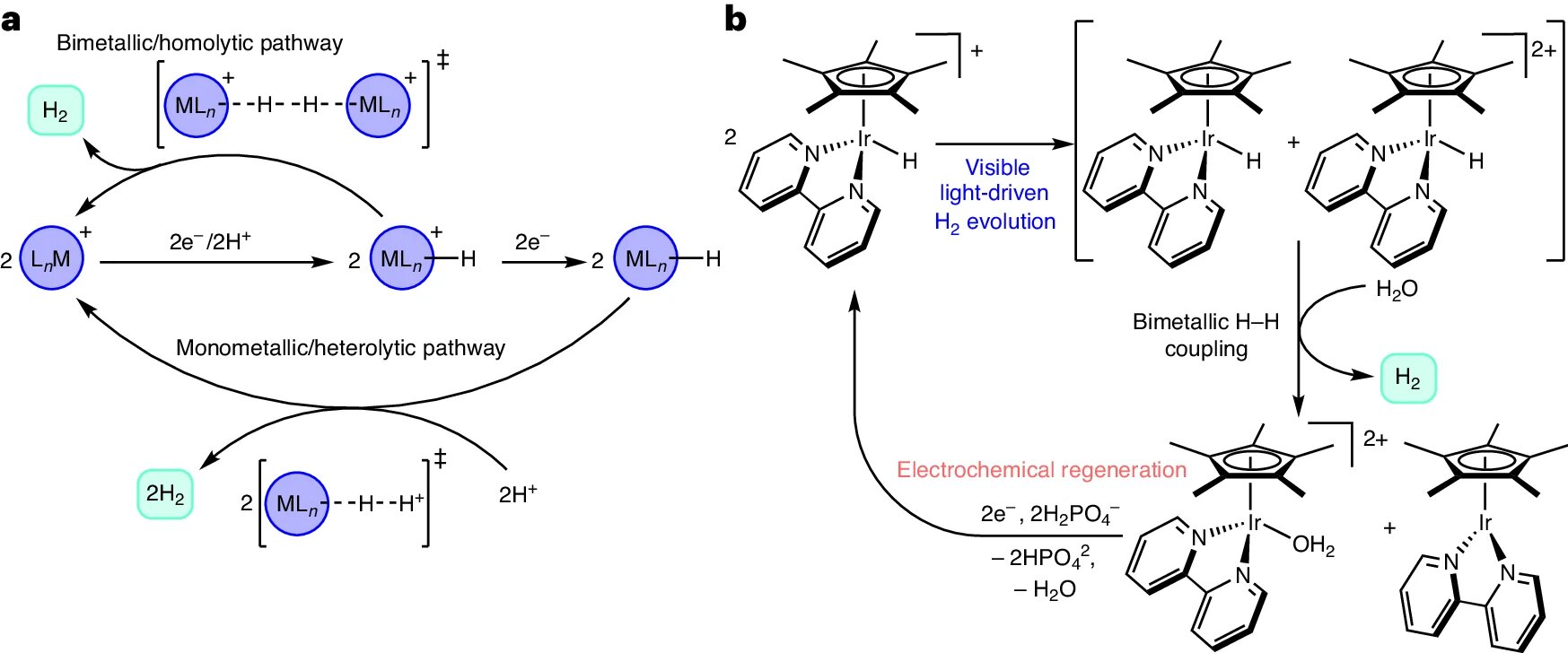
Researchers at the University of North Carolina at Chapel Hill have developed a method to use sunlight and electricity to split water into hydrogen and oxygen, potentially providing a clean energy source. The study, published in Nature Chemistry, explores a system that induces catalysts to self-assemble into globules, improving their ability to absorb light and produce hydrogen. This research could lead to the development of efficient and sustainable energy technologies, addressing the intermittent nature of solar power generation.
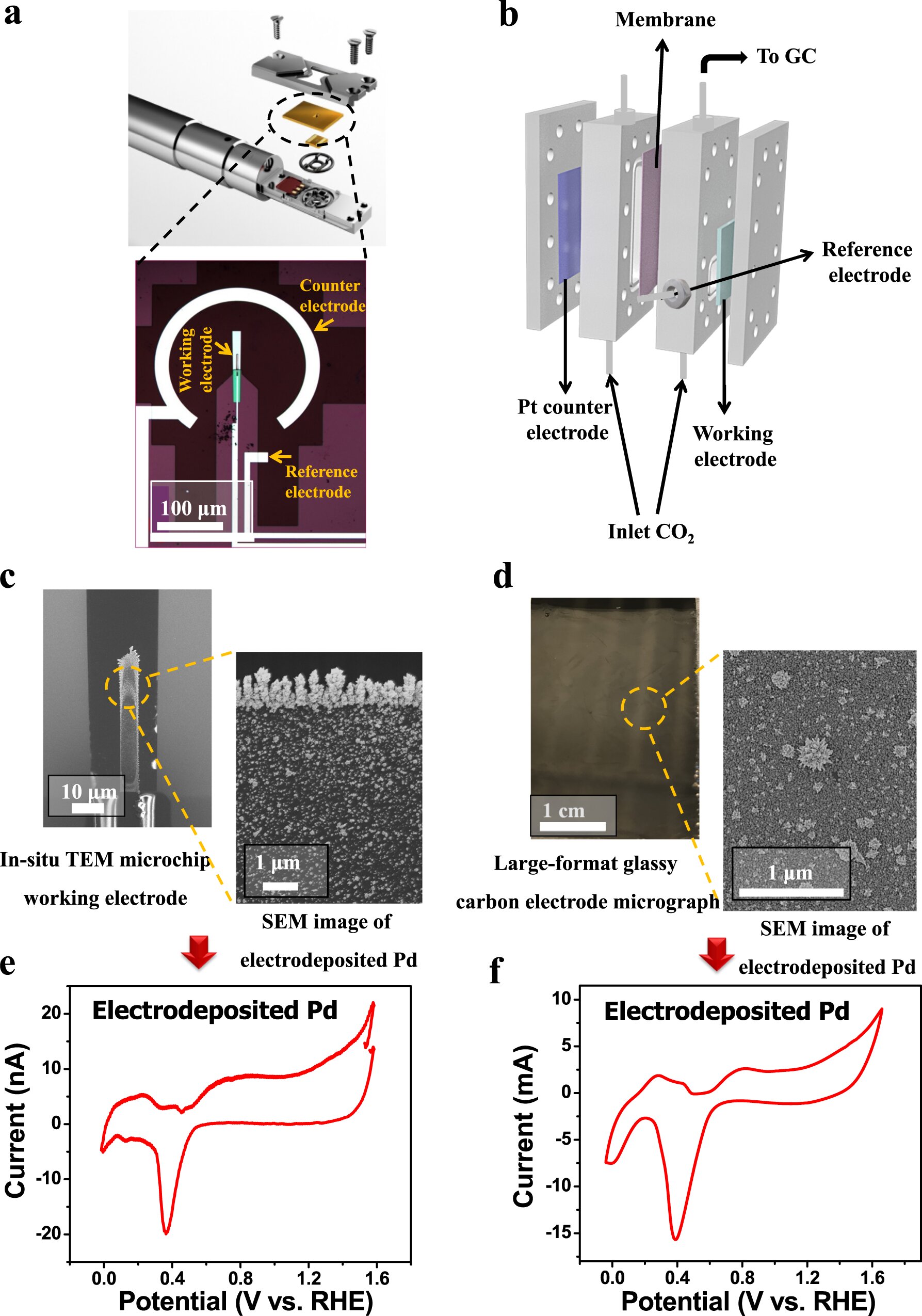
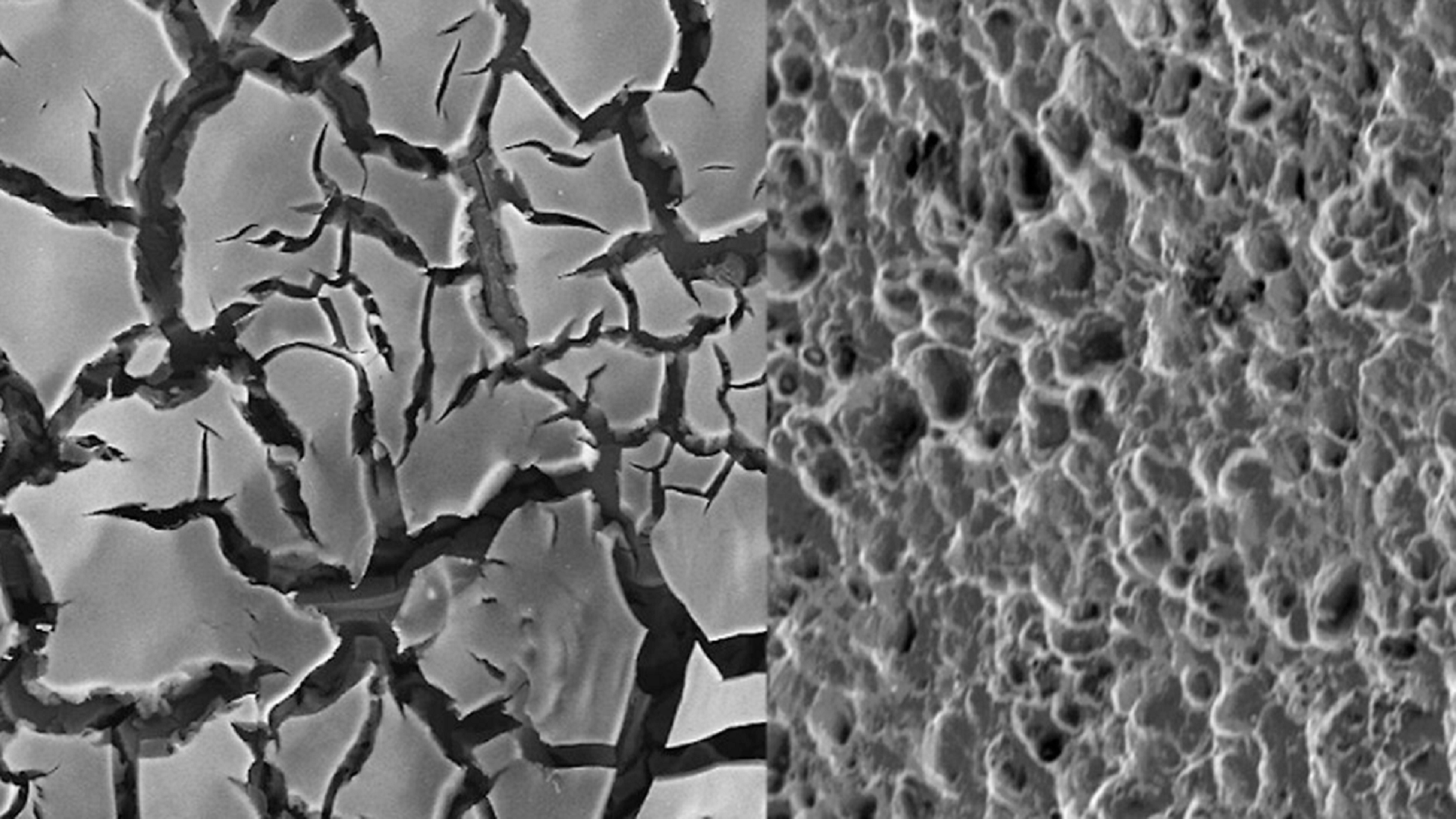
Researchers at McMaster University and Danish Technical University have uncovered the bottleneck hindering the practicality of converting carbon dioxide into usable products. Using powerful magnification equipment, they observed the nanoscale chemical reaction and discovered that catalysts restructuring rapidly under operating conditions is the main issue. The team hopes to use this information to improve the efficiency and durability of the process, potentially enabling the technology to be scaled up for commercial use in industries with high volumes of retrievable carbon dioxide.
Researchers at Caltech have developed a new method for producing propylene oxide, a common chemical feedstock, using a combination of platinum oxide and palladium oxide catalysts. This method utilizes water as a reactant, avoiding the use of toxic chemicals and producing hydrogen gas as the only byproduct. The new catalyst mixture not only makes the production process safer and more environmentally friendly but also increases the production rate by 10 times and efficiency by 13 percent. The study, published in Science, marks a significant step towards cleaner chemical manufacturing and the team is now looking to adapt this laboratory success for industrial applications.
Engineers at MIT have developed a machine learning-based approach called Automatic Surface Reconstruction that can determine the behavior of material surfaces. This method eliminates the need for intuition and provides more detailed information than conventional methods. By using active learning and a Monte-Carlo algorithm, the system can estimate variations in surface configurations and properties, even under different external conditions. The researchers' tool, AutoSurfRecon, is freely available and can be used to develop new materials for catalysts, hydrogen production, and carbon dioxide removal. The method has already identified new atomic configurations in a material that had been studied for 30 years using traditional methods.
Despite weeks of selling across the tech sector, there are two catalysts that suggest battered tech stocks could be a great buy. The first catalyst is the blowout jobs report, which did not lead to higher inflation and instead resulted in gains for stocks, including big-cap tech names. The second catalyst is the expectation of positive tech earnings in the upcoming quarter, driven by a rising contribution from AI, better base effects, and pricing power. Analysts are warming back up to tech names, seeing value in their earnings potential and the transformational growth around AI, cloud, cybersecurity, and digital ad dollars.
Researchers at Rice University have developed a method to efficiently convert carbon dioxide into methane using copper-based catalysts and electrolysis. The catalysts, made by grafting isolated copper atoms onto two-dimensional polymer templates, enabled the reduction of carbon dioxide to methane with high selectivity and efficiency. By modulating the distances between the copper atoms, the energy required for key reaction steps was lowered, resulting in faster chemical conversion. This advancement in carbon dioxide conversion technology could help close the artificial carbon cycle and contribute to sustainable energy solutions.
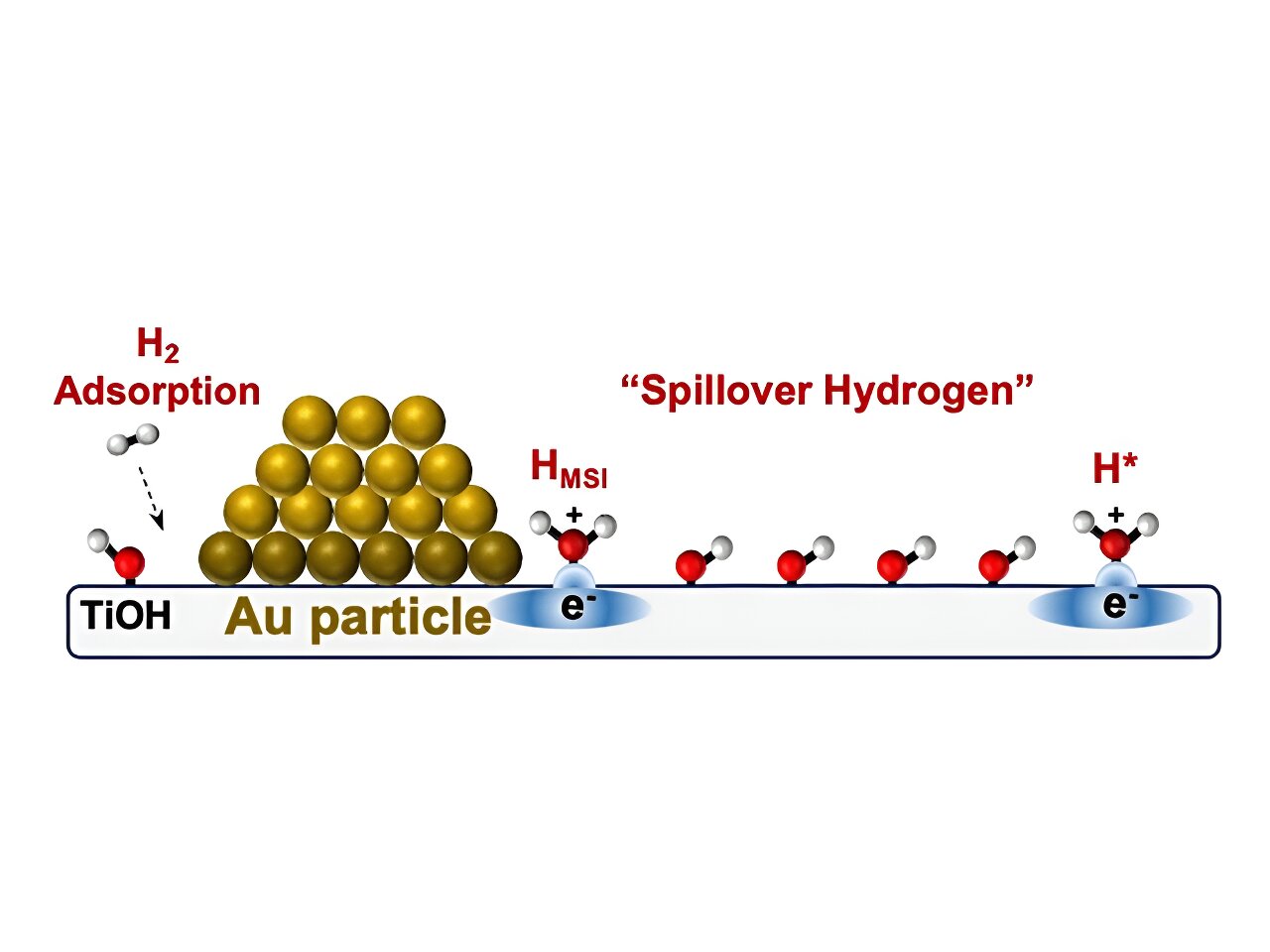
Researchers at Penn State have made a breakthrough in understanding hydrogen spillover, a phenomenon that could be key to harnessing hydrogen for clean energy. Hydrogen spillover occurs when hydrogen atom-like equivalents transfer from a metal catalyst to an oxide substrate, but until now, the mechanism behind it had not been quantified. The research team used a gold-on-titania system to demonstrate the process and measure it for the first time. They found that hydrogen molecules can be effectively split into hydrogen atoms at higher temperatures, requiring less energy. This discovery could lead to advancements in hydrogen activation and storage for clean fuel applications.
Scientists have discovered that graphene, a single layer of carbon atoms arranged in a 2D lattice, is naturally permeable to protons and allows for their accelerated movement around nanoscale wrinkles. This breakthrough challenges previous theories and has significant implications for the hydrogen economy, as it offers sustainable alternatives to costly catalysts and membranes. By replacing these with graphene, the production of green hydrogen can be advanced, reducing carbon emissions and aiding the transition to a Net Zero carbon environment. The researchers used scanning electrochemical cell microscopy to visualize proton currents through graphene membranes and found no evidence of holes in the graphene structure, confirming its intrinsic permeability. This discovery opens up possibilities for the development of low-cost catalysts for hydrogen-related technologies.
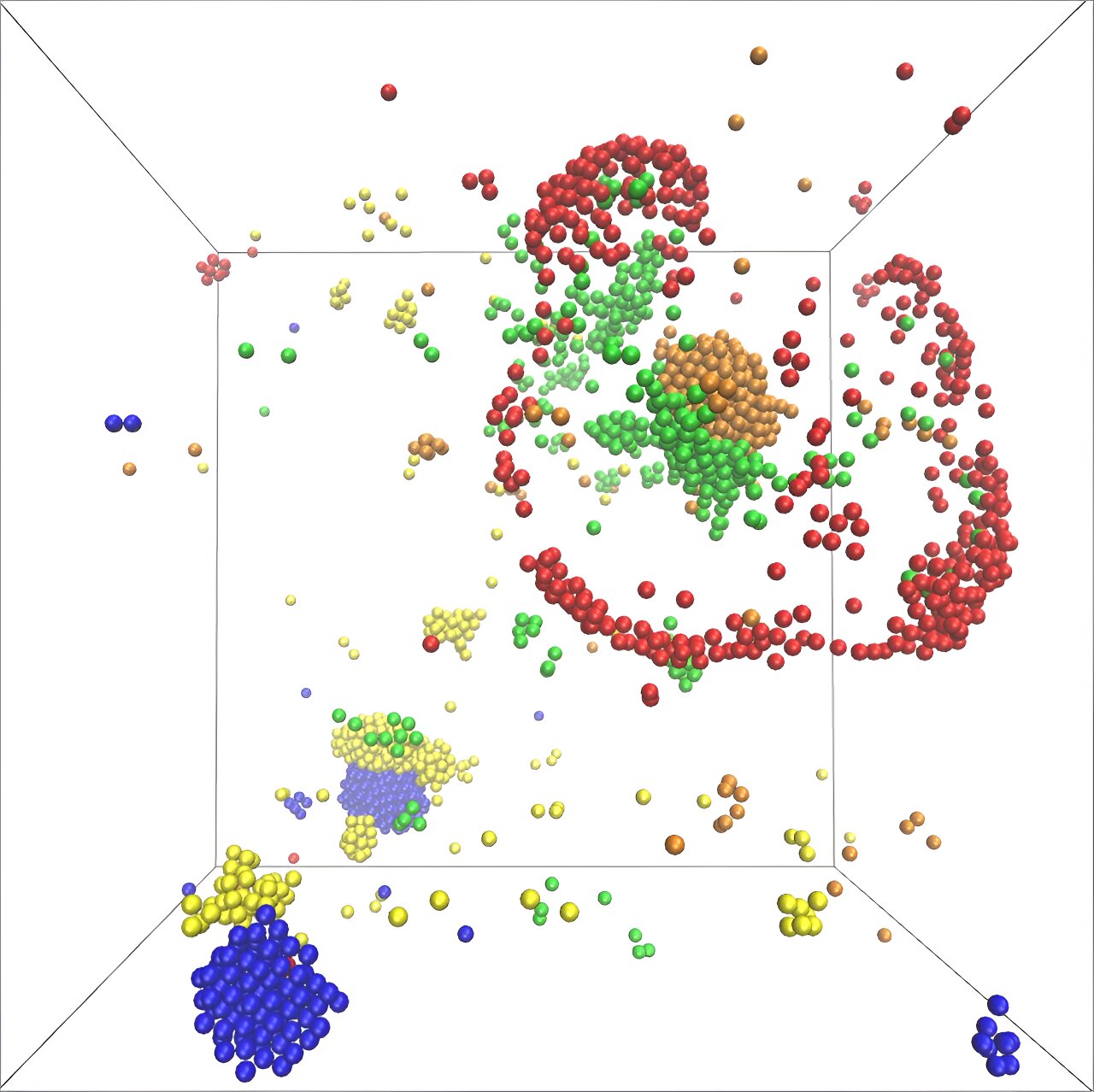
Scientists from the Max Planck Institute for Dynamics and Self-Organization have developed a model that predicts the self-organization of catalysts involved in metabolic pathways, offering a new mechanism for the origin of life. The model demonstrates how catalytic molecules can form metabolically active clusters by creating and following concentration gradients, leading to the rapid formation of dynamic functional structures. These findings contribute to our understanding of how complex life emerged from simple molecules and shed light on the formation of structures in metabolic networks.
Tesla has been hit with another downgrade, but despite this, the company is still getting a lot right. Sometimes, stock prices going up can be the catalyst for Wall Street downgrades.
U.S. stock-market investors should not expect positive economic data to significantly push the S&P 500 higher, as the current level of the index already factors in the positive catalysts. While fears of a hard landing, inflation, and a hawkish Fed have not materialized, the gains in stocks are legitimate, but the rally is likely to be exhausted in the near term. Three events that could drive the S&P 500 higher include a sharp fall in Treasury yields, stronger-than-expected earnings, and another round of AI-driven enthusiasm. However, the macro-economic environment is positive, but not risk-less, and the S&P 500 remains vulnerable to earnings disappointments at its current level.
Scientists from the University of Kansas and the U.S. Department of Energy’s Brookhaven National Laboratory have made significant progress in understanding the complete reaction mechanism for "water-splitting" catalysts, bringing us closer to generating pure hydrogen from renewable energy sources. The breakthrough could contribute to a more sustainable future by providing a cleaner and more abundant source of power for electricity generation, transportation, and industrial applications. The research findings could also have broader implications for improving other chemical processes and catalysts, potentially advancing industrial chemistry and recycling of nuclear fuels.