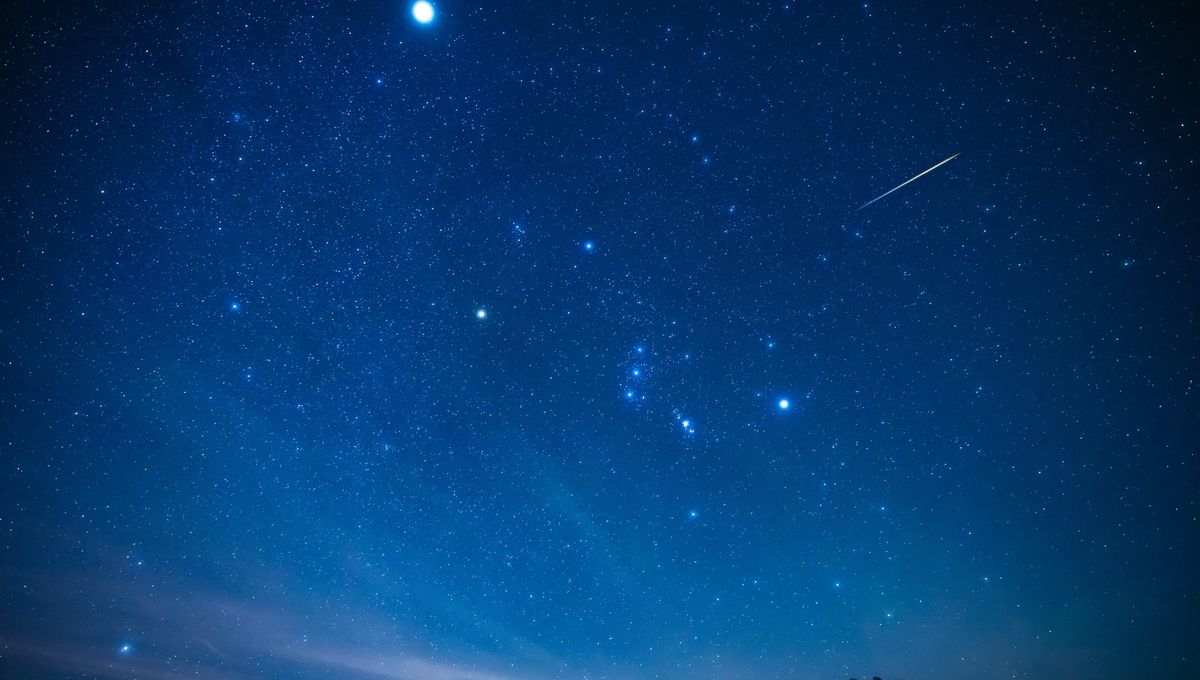
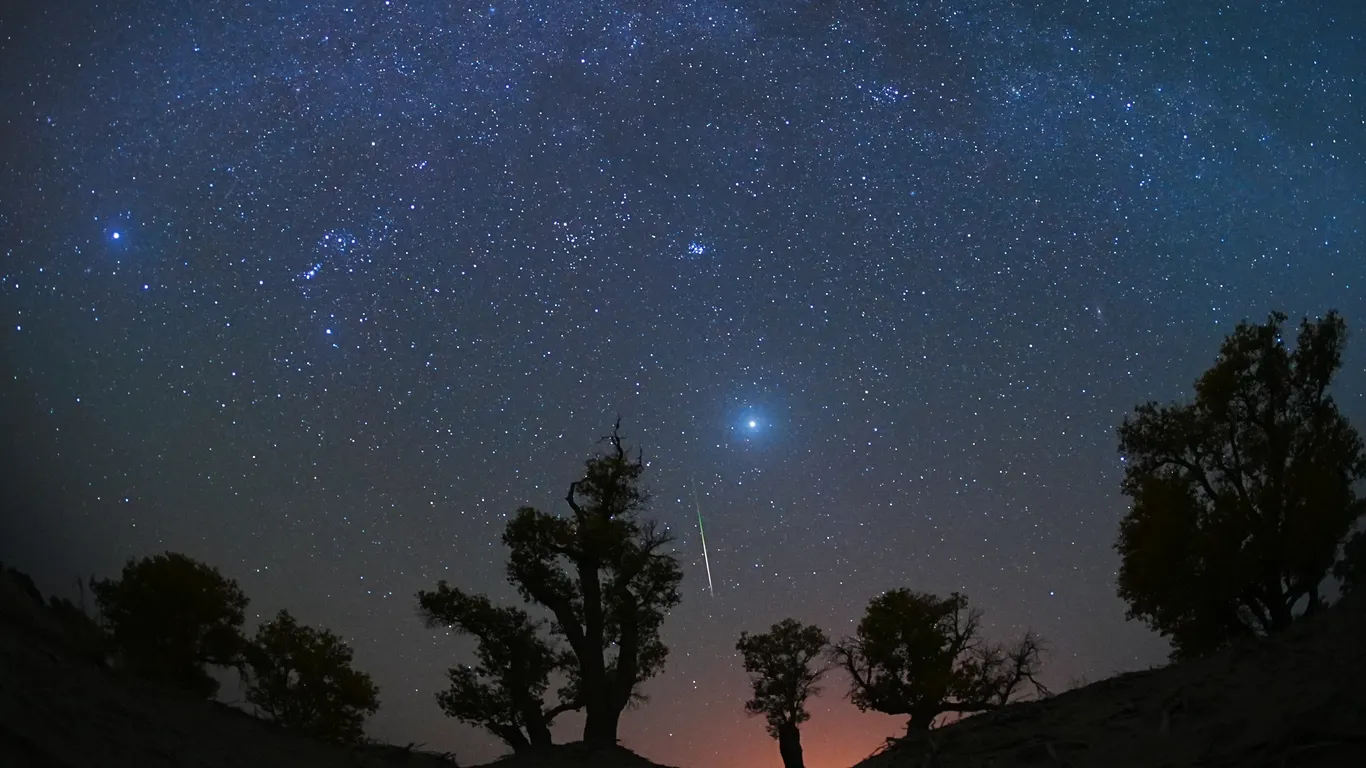
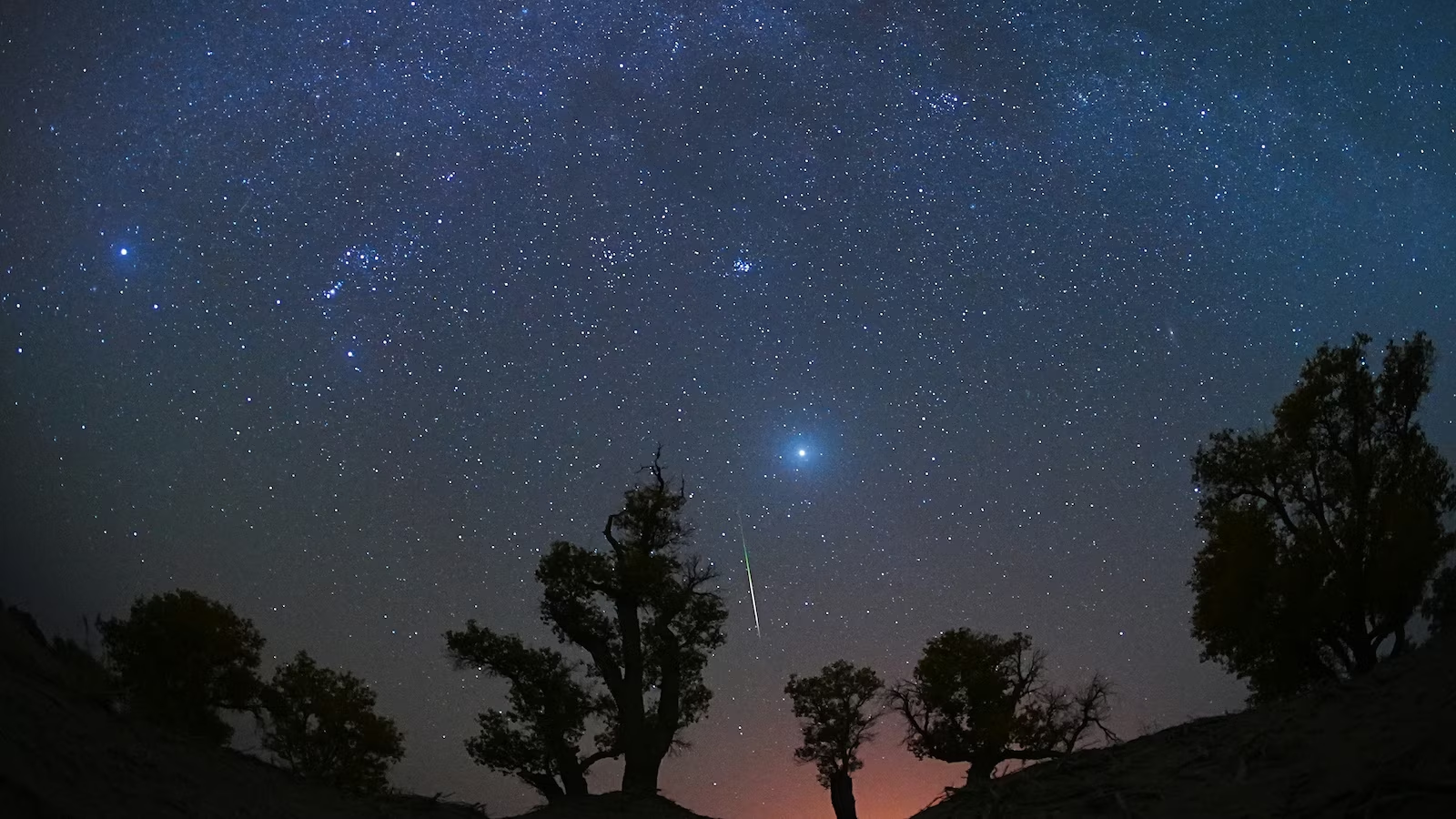
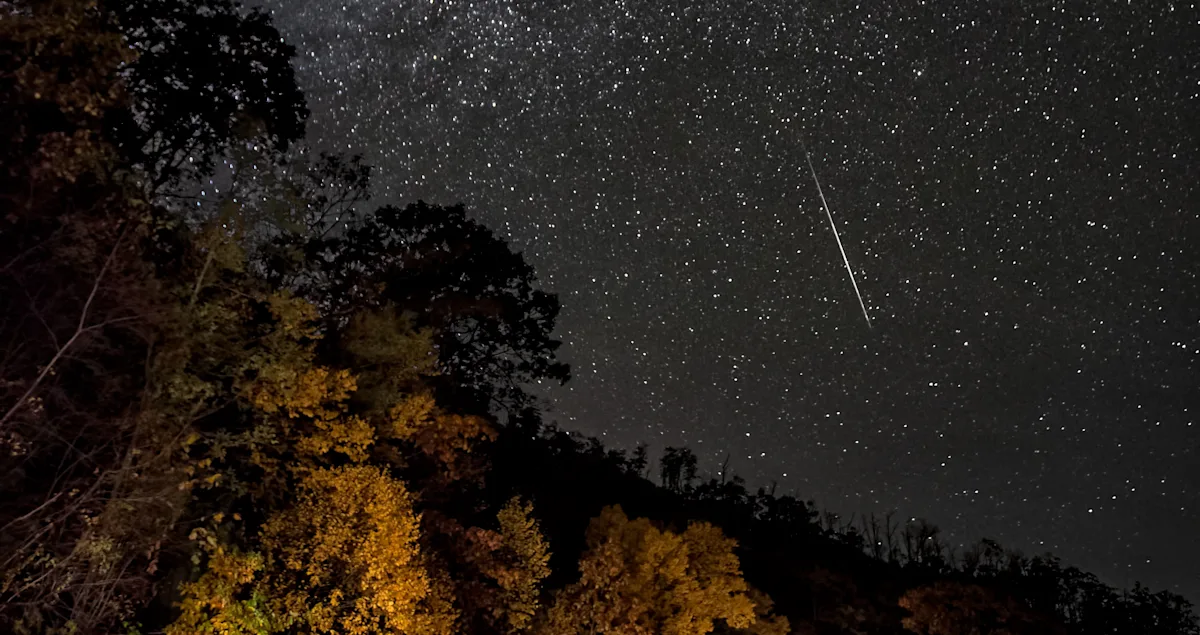
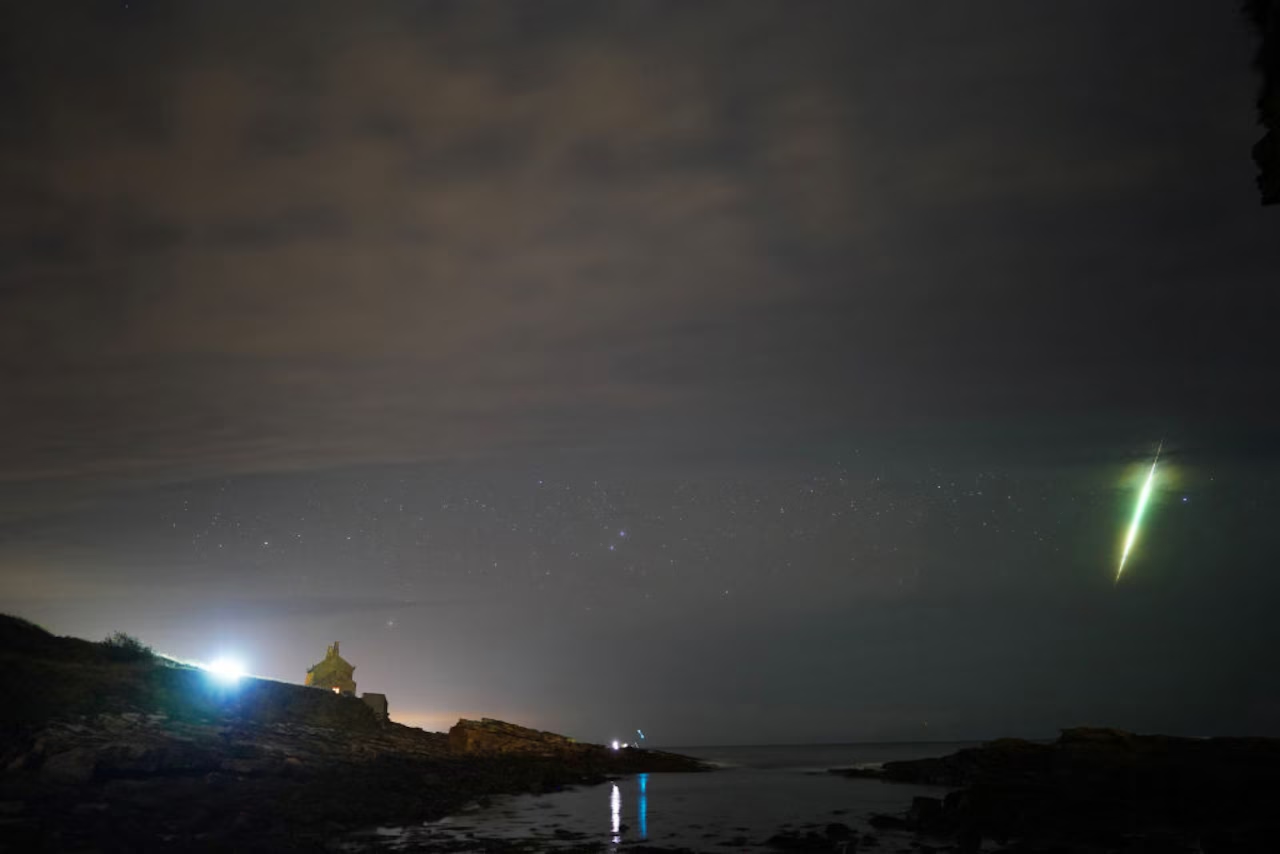
The Orionids meteor shower peaks tonight with minimal moonlight, offering a great opportunity for skywatchers to see meteors radiating from Orion, originating from debris of Halley's comet, with the best viewing conditions between midnight and dawn.
The Orionid meteor shower, peaking this week from midnight to dawn, offers a spectacular display of bright, fast meteors and fireballs, best viewed from dark, rural areas away from city lights, with optimal conditions due to the new Moon.
The Orionid meteor shower, active since early October and peaking around October 21-23, is a spectacular annual event where bright, fast meteors from Comet Halley's debris light up the night sky, visible worldwide and best observed by lying flat and looking upward after dark.
The Orionid meteor shower, originating from Halley's comet, peaks tonight and offers a spectacular display of bright, fast-moving meteors best viewed in dark, clear skies after midnight, especially in areas away from city lights.
The 2025 Orionids meteor shower peaks on the night of October 21-22, coinciding with a New Moon, making it an ideal time for stargazing. Under optimal conditions, viewers could see 10-20 meteors per hour, especially after midnight, from dark, clear skies away from light pollution. The meteors originate from debris left by Halley's Comet and appear to radiate from the constellation Orion. To enjoy the show, find a dark, safe spot, allow your eyes to adjust to the dark, and be patient.
The Orionid meteor shower, originating from debris from Halley's comet, is peaking on October 21 under a moonless sky, offering a spectacular display of up to 20 bright meteors per hour, best observed after midnight by looking towards Orion.
The Orionids meteor shower, produced by debris from Halley's comet, peaks on October 21-22 and offers a great viewing opportunity this year due to a new moon, making it ideal for stargazing from October 2 through November 7.
The Orionid meteor shower, peaking overnight Monday into Tuesday and visible from Pittsburgh, offers an ideal viewing opportunity due to its overlap with a new moon, with up to 20 meteors per hour expected, best observed outside city lights between 2 a.m. and dawn.
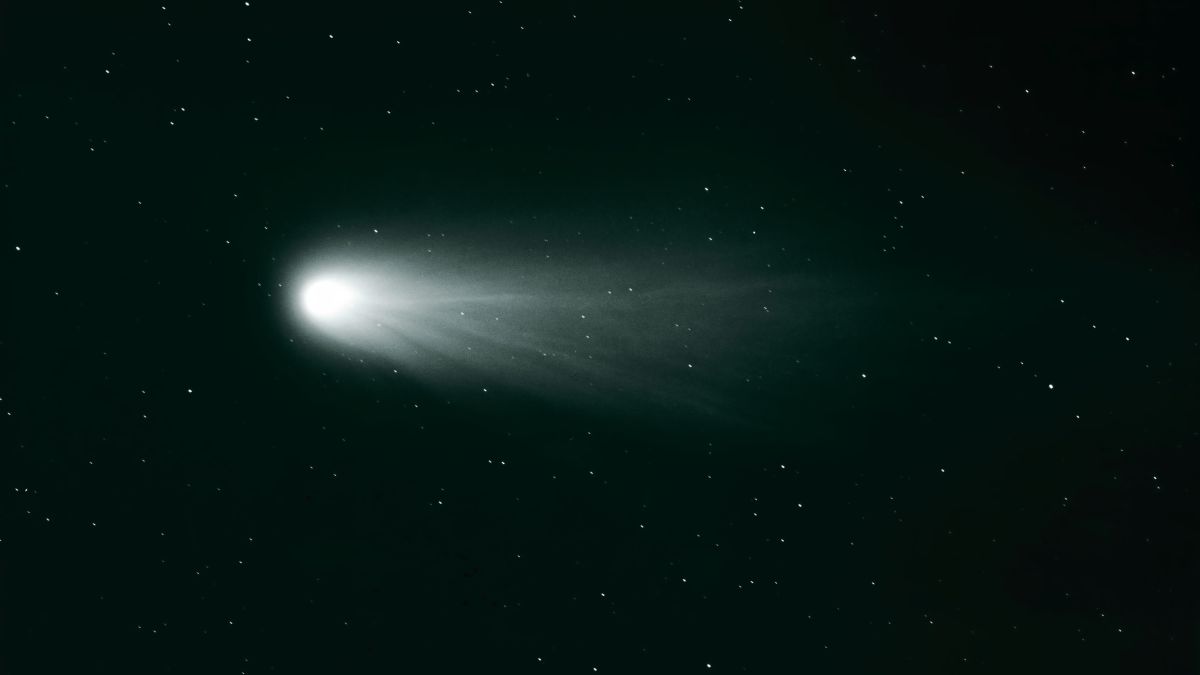
The Orionids meteor shower will peak on October 21, offering up to 20 meteors per hour during the dark moonless skies, with two comets visible in the night sky around sunset, providing a spectacular celestial display this week.
The Orionid meteor shower will be visible overnight on October 20-21, with optimal viewing conditions due to a new moon, and may be accompanied by sightings of comets Lemmon and SWAN, as well as a chance to see the Northern Lights in northern U.S. states.
A spectacular meteor shower, the Orionids, is expected to peak around midnight on October 21, offering excellent viewing conditions for sky enthusiasts, with bright fireballs and fast meteors, making it one of the year's most beautiful celestial events.
The Orionid meteor shower, caused by debris from Halley's comet, will peak with up to 20 meteors per hour during a new moon, offering an excellent stargazing opportunity until November 7, especially after midnight in clear, dark skies.
The Orionid meteor shower, caused by Halley's Comet, will peak on October 20-21, 2025, coinciding with the brightness of two newly discovered comets, Lemmon and SWAN, providing a rare and spectacular night sky event, especially during the new moon with optimal viewing conditions.
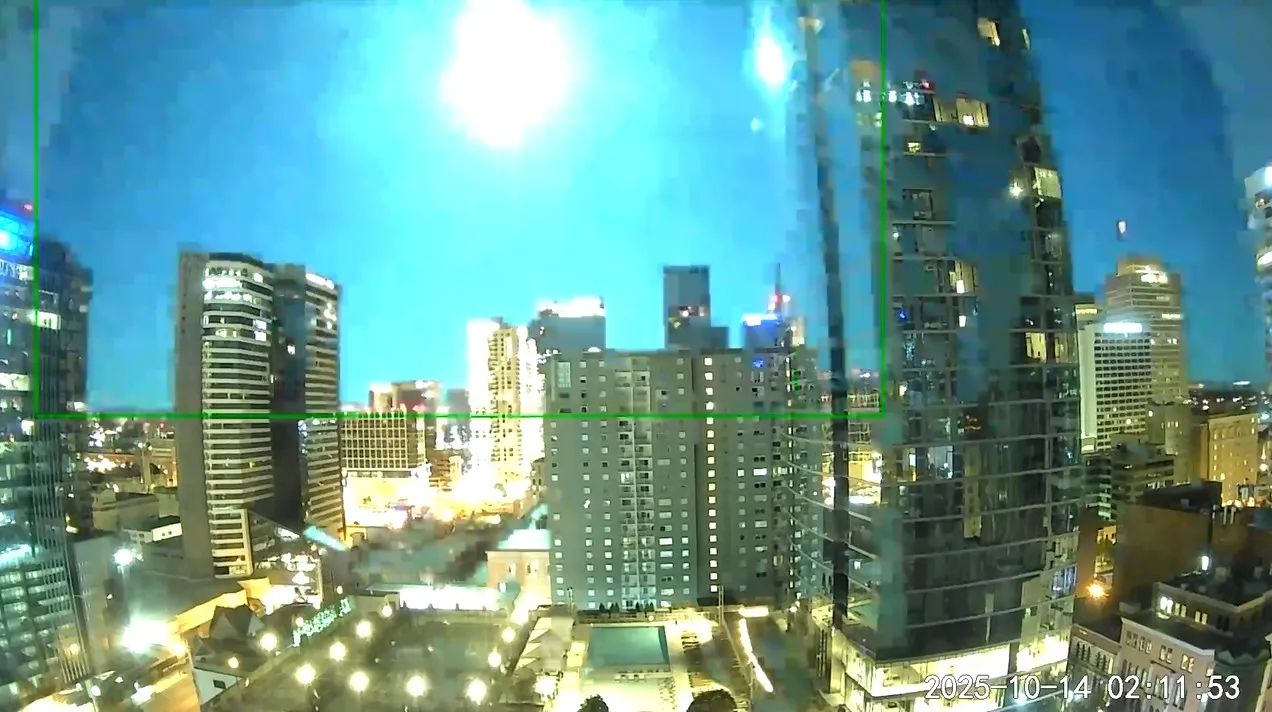
A bright fireball was seen over Nashville early Tuesday morning, likely a meteor from the Orionids meteor shower, which is active until November 7 with peak nights on October 20-21.
October is an ideal month for meteor viewing, with the Draconid meteor shower peaking from October 6-10 and the Orionid shower peaking around October 21, both offering opportunities to see shooting stars, especially with clear skies and minimal moonlight.