Tag

Comet Halley

All articles tagged with #comet halley

astronomy2 years ago

"2023 Orionid Meteor Shower: Your Guide to Watching Shooting Stars"

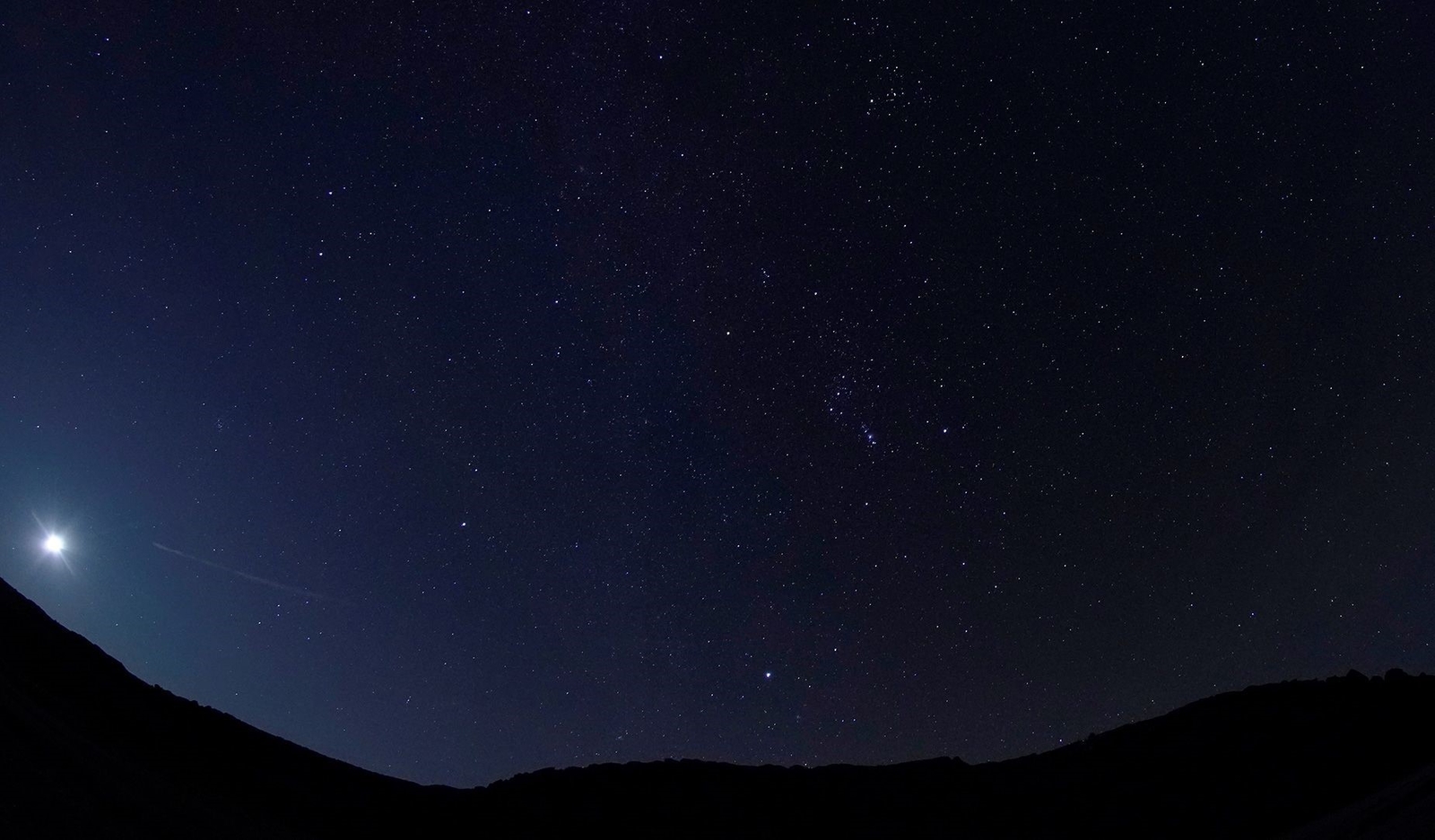
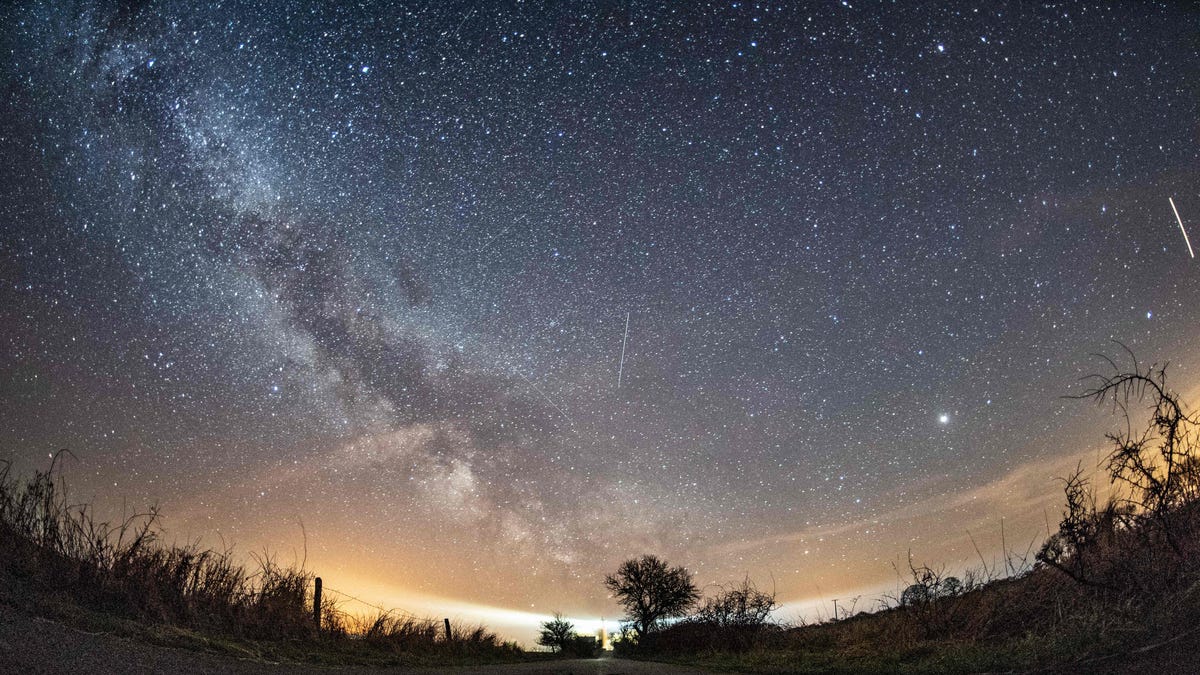
The Orionid meteor shower will peak on Sunday night, but meteors can be seen throughout the weekend at a rate of 10 to 20 per hour. The best time to spot a meteor is in the early morning hours, and it is recommended to wait for the moon to set for better visibility. The Orionids come from Comet Halley's debris trail and are known for their bright and fast-moving meteors. Other upcoming meteor showers and celestial events are also mentioned.

astronomy2 years ago

"Get Ready for the Orionid Meteor Shower: Your Guide to Watching the Spectacular Show"

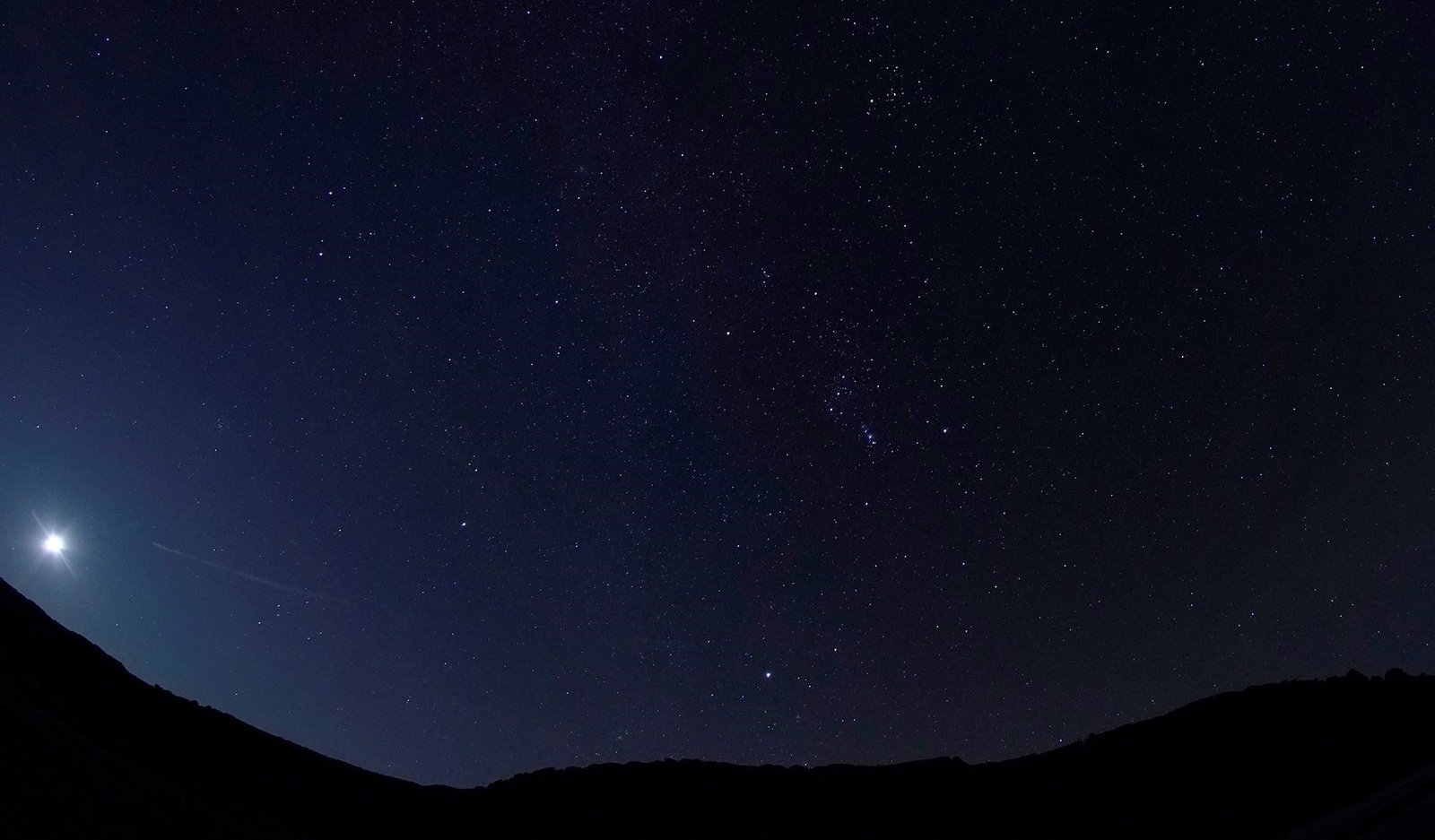
The Orionid meteor shower will peak on Sunday night, but meteors can be seen throughout the weekend at a rate of 10 to 20 per hour. The best time to spot a meteor is in the early morning hours, and it is recommended to wait for the moon to set for better visibility. The Orionids come from Comet Halley's debris trail and are known for their bright and fast-moving meteors. Other upcoming meteor showers and celestial events are also mentioned.

astronomy2 years ago

"Stunning Views of Comet Halley's Dust and Milky Way Galaxy Captured by NASA"

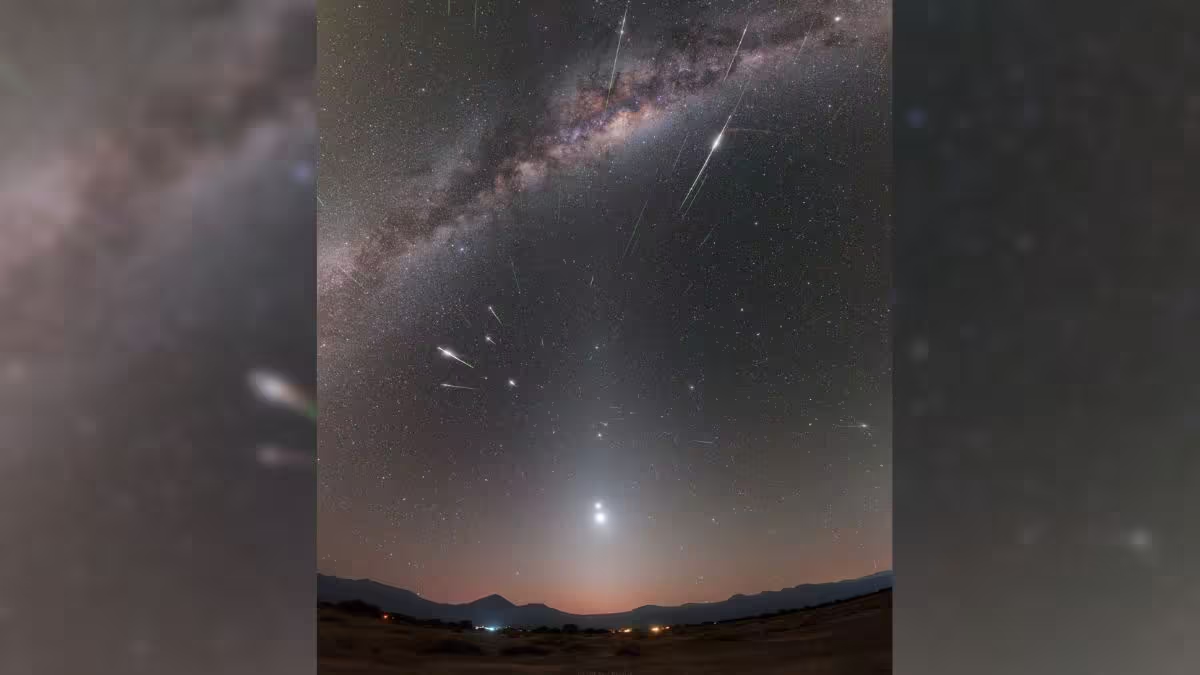
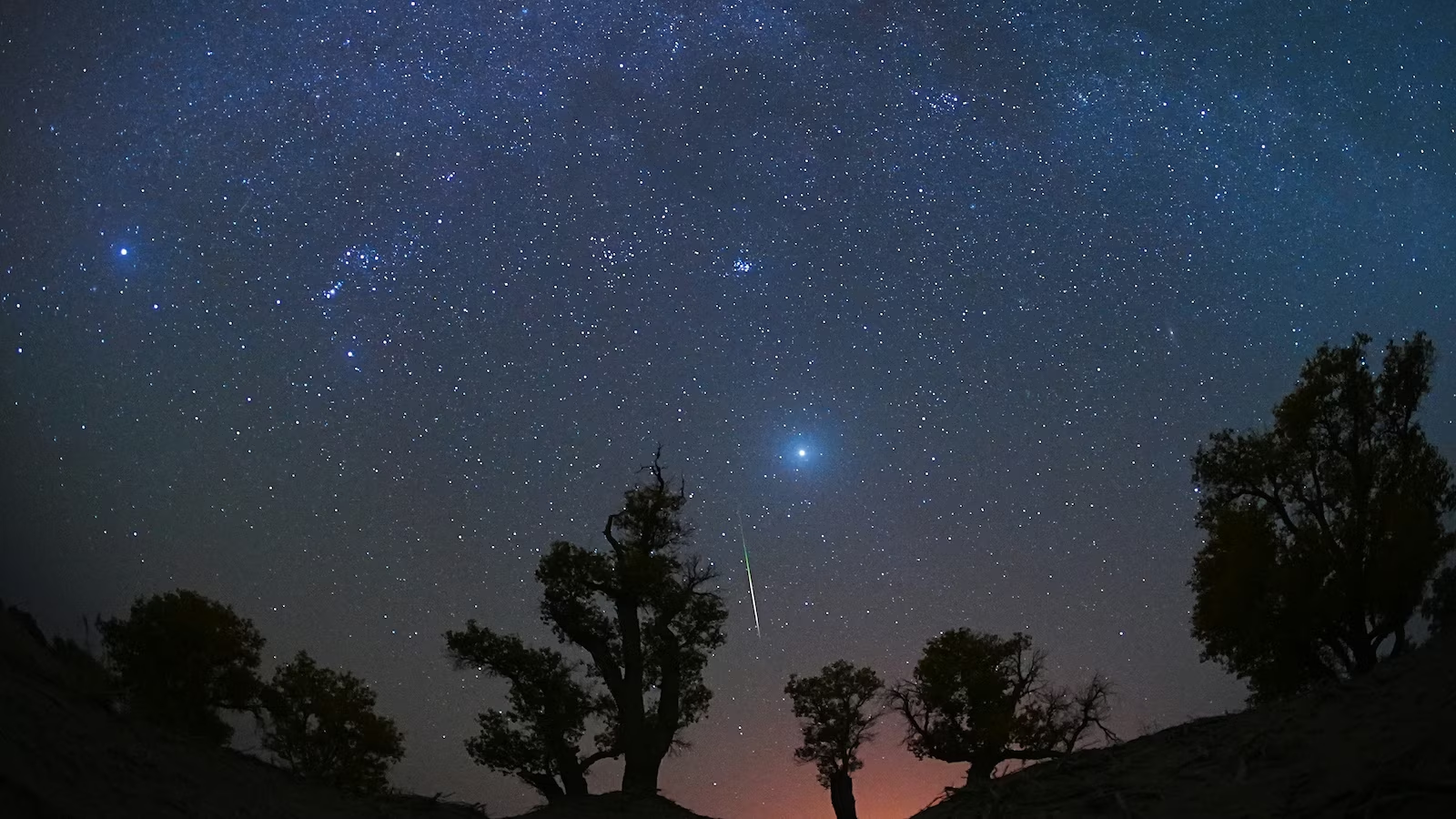
NASA's Astronomy Picture of the Day for May 12, 2023, features a breathtaking view of almost 90 Eta Aquarid meteors streaking across the sky from the radiant point in Aquarius. The image was captured by Petr Horalek of the Institute of Physics in Opava during the period of April 28 to May 8 in 2022. The mesmerizing effect was caused by the remnants of periodic Comet Halley's debris streams, which left surreal trails of cosmic dust across the skies of Earth. The scene in the image unfolds above San Pedro de Atacama, Chile, where the majestic Milky Way gracefully arches through the predawn skies of the southern hemisphere.

astronomy2 years ago

Don't Miss the Spectacular Eta Aquariid Meteor Shower Peak This Weekend!

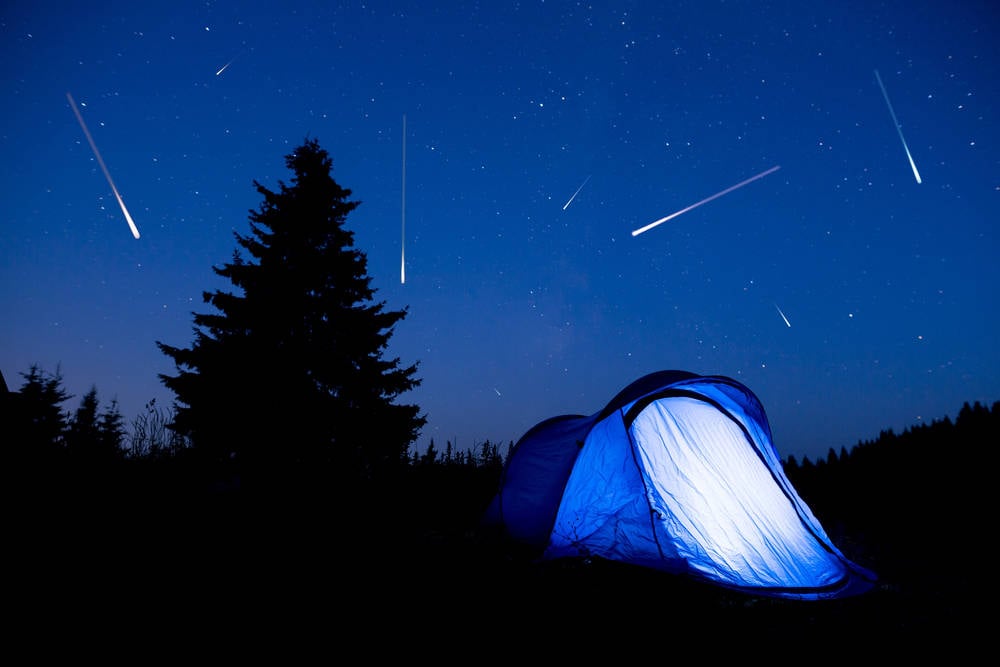
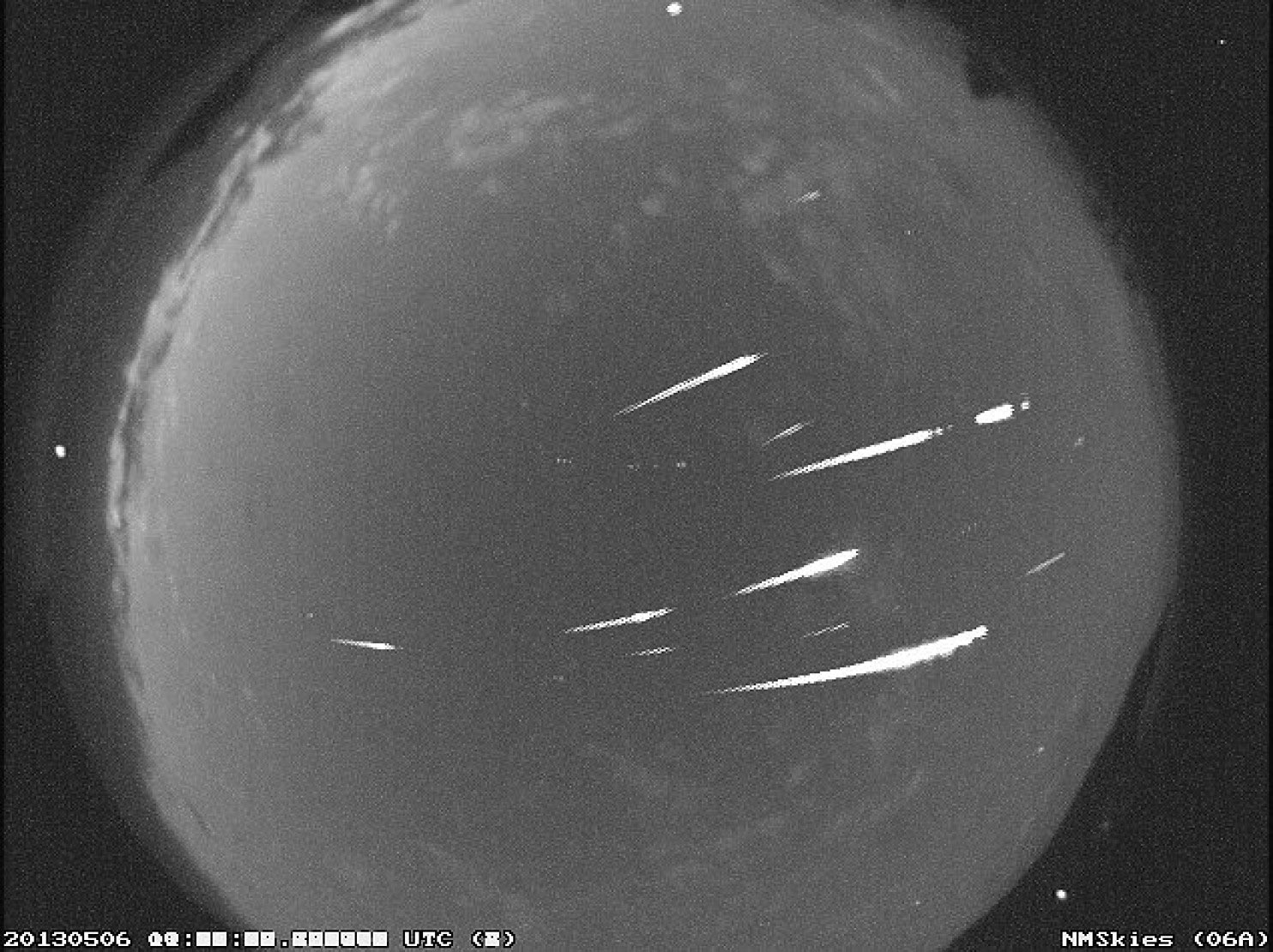
The annual Eta Aquariid meteor shower, linked to Halley's Comet, will peak tonight and tomorrow, with up to 160 meteors per hour expected due to Earth passing through a dense trail of debris left by the comet. The shower will be visible from both hemispheres, with the southern hemisphere getting the better show. NASA recommends viewers give themselves 30 minutes in the dark without a light source to properly see the shooting stars.

science2 years ago

"Get Ready for the Eta Aquariid Meteor Shower: Tips and Timing"

The Eta Aquariid meteor shower is set to peak on May 6, with researchers predicting 120 to 160 meteors per hour. The meteor shower is active throughout April and May, with the fireballs resulting from Earth running into a dense stream of debris from the Comet Halley. Those in the southern hemisphere will have a better view because of the radiant’s location in the constellation of Aquarius. Space enthusiasts are advised to prepare their eyes to watch the shower and look away from the moon.

astronomy2 years ago

Eta Aquariid Meteor Shower to Reach Peak with Up to 160 Meteors per Hour

The eta Aquariid meteor shower, caused by Earth encountering debris from Comet Halley, is set to peak on May 5 with an outburst year featuring 120-160 meteors per hour. Despite the full moon, bright fireballs make it worth watching, especially in the Southern Hemisphere between 3-4 a.m. and dawn. The shower is viewable in both hemispheres, with higher rates of visibility in the Southern Hemisphere. The next major meteor showers will be the Perseids in August and the Orionids in October.