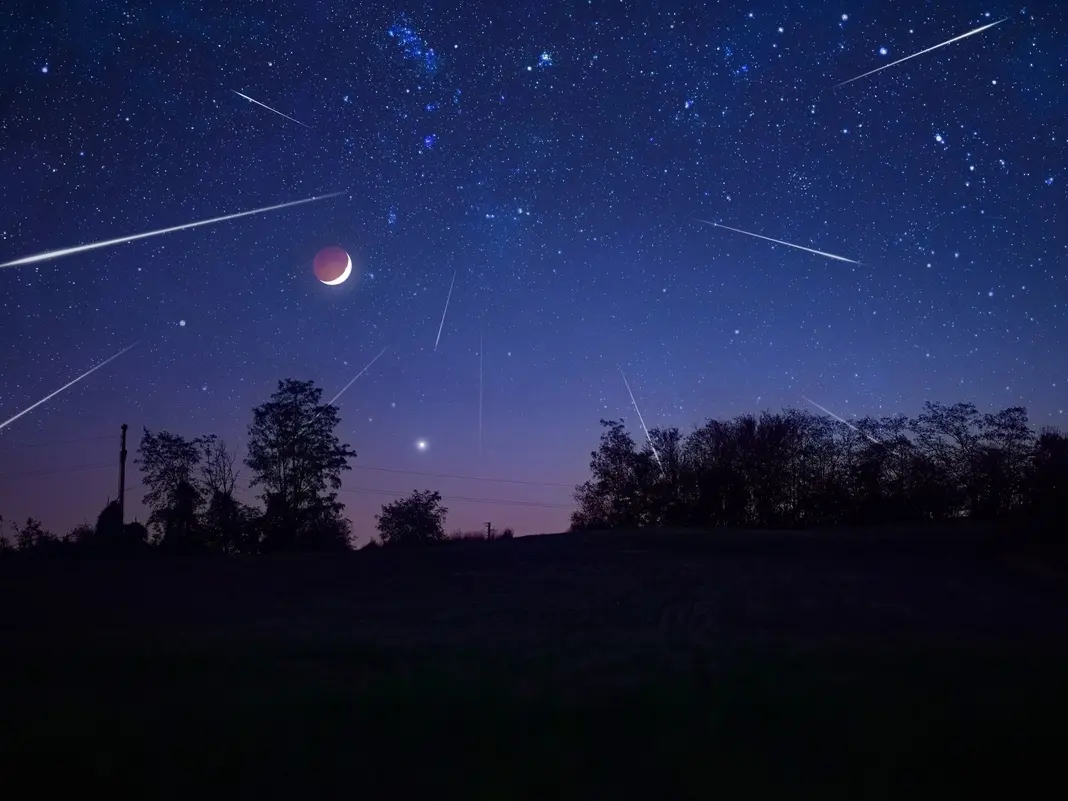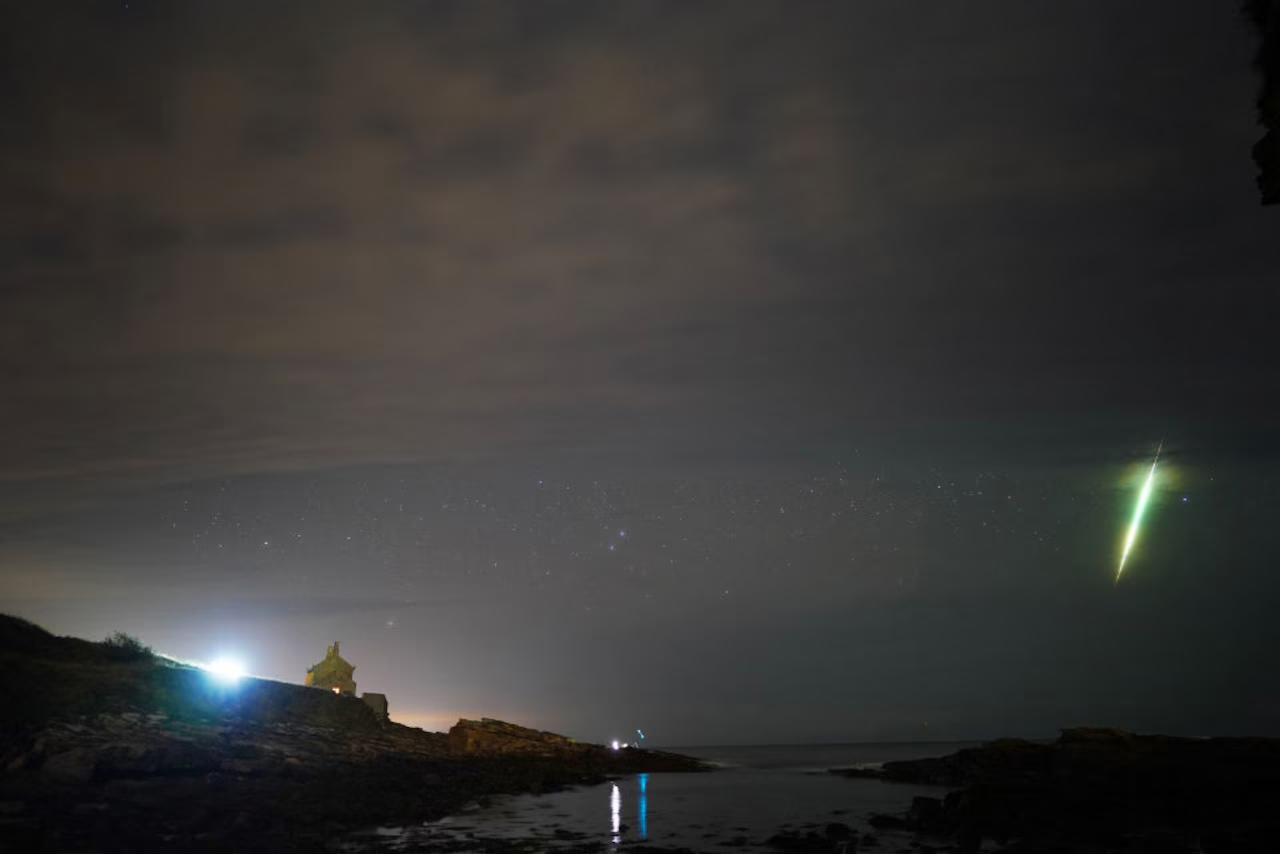
October is an ideal month for meteor viewing, with the Draconid meteor shower peaking from October 6-10 and the Orionid shower peaking around October 21, both offering opportunities to see shooting stars, especially with clear skies and minimal moonlight.
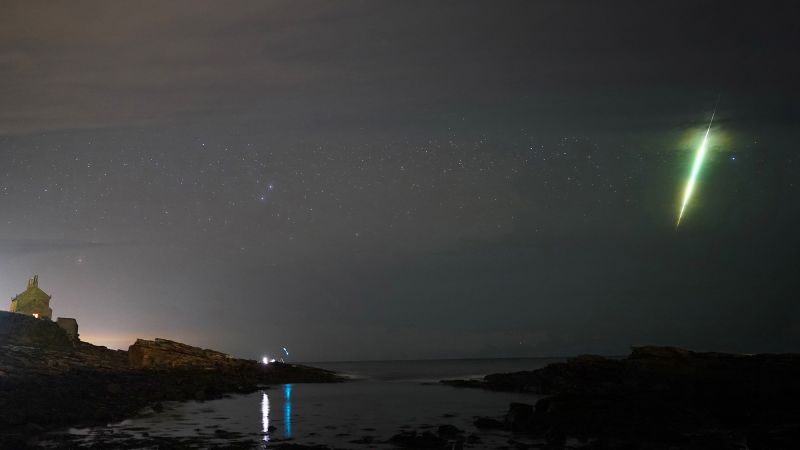
The Draconid meteor shower peaks this week around 3 p.m. ET, but visibility may be limited due to the supermoon brightness. Best viewing is right after dark toward the northern sky, especially near the constellation Draco, though activity is expected to be low. The Orionids will peak later this month with better visibility during a new moon, offering 10-20 meteors per hour. The Draconids are known for rare meteor storms, occurring roughly every six years.
October offers a spectacular celestial display with two major meteor showers: the Draconids from October 6-10, best viewed in the Northern Hemisphere, and the Orionids peaking on October 21, known for their bright fireballs and trains, both best observed away from city lights under dark, clear skies.
In October, the Draconids and Orionids meteor showers will light up the night sky, with the Draconids peaking around October 8 and the Orionids peaking on October 21. The Draconids, originating from Comet 21P/Giacobini-Zinner, may be visible with up to 10 meteors per hour, while the Orionids, from Halley's Comet, can produce about 20 meteors per hour and even fireballs. Viewing conditions depend on darkness and moon phase, with the super full moon potentially obscuring the Draconids.
Connecticut may experience a spectacular Draconid meteor storm on Wednesday, with the potential for hundreds of shooting stars per hour during the peak, especially if an outburst occurs during the daytime, with favorable weather conditions expected.
October will offer a series of astronomical events for stargazers, including the Draconids meteor shower on October 8, an annular solar eclipse on October 14 (visible in parts of North America), the Orionids meteor shower on October 20, and a partial lunar eclipse on the final weekend of October (best seen from Europe, Africa, and Asia). The events provide opportunities to witness shooting stars, a "ring of fire" eclipse, and the Hunter's Moon.