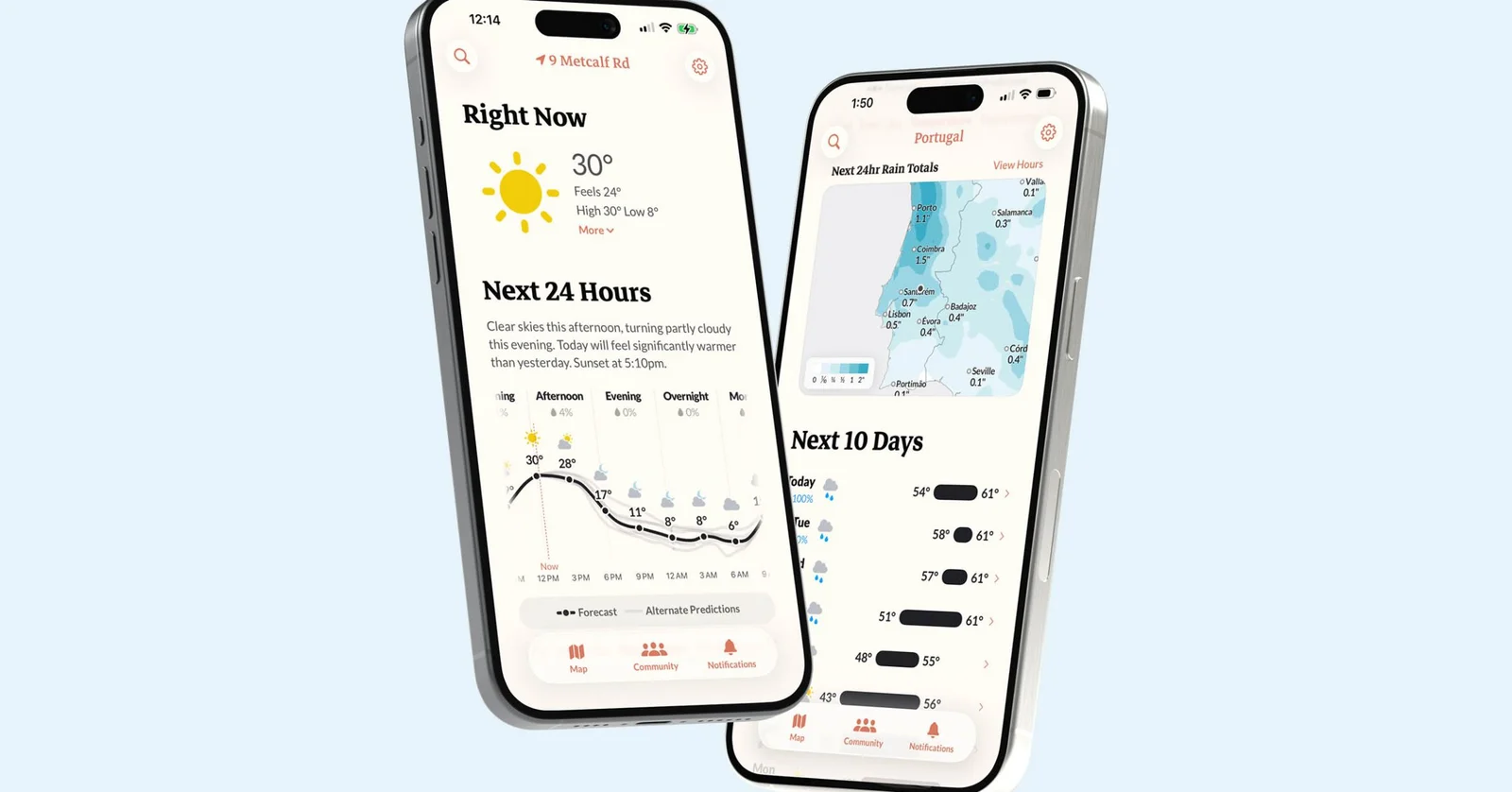
The original Dark Sky creators launch Acme Weather, an iOS-only app offering their own forecasts alongside alternate predictions, crowd-sourced conditions on maps, and detailed storm data; it includes a two-week free trial and a $25/year subscription, with an Android version coming later.
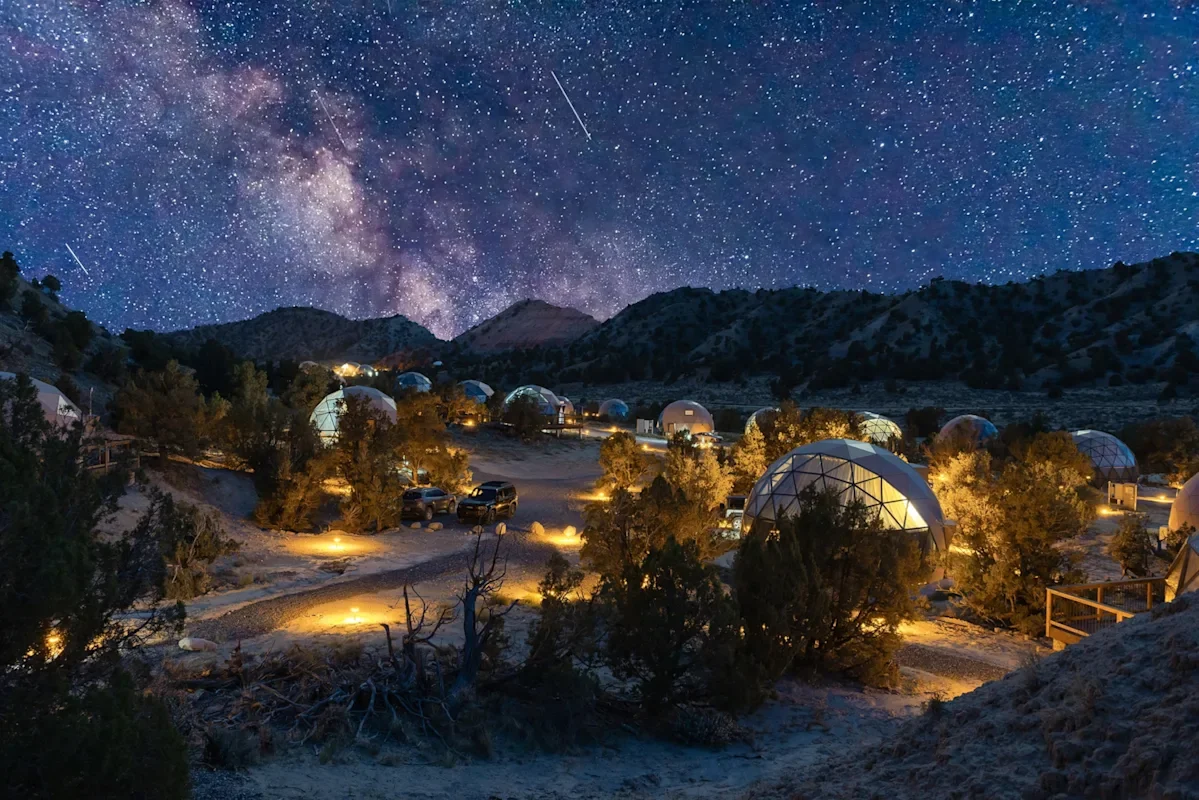
A surge in astrotourism is fueling luxe night-sky escapes across North America, with seven standout retreats—from Green Haus at Paws Up Montana to Death Valley House and Compass Rose Lodge in Utah—featuring telescope-equipped cabins, skylights or retractable roofs, and light-pollution protections. These luxury stays, including Clear Sky Resorts’ 62 Sky Domes and an on-site observatory at The Lodge at Primland, cater to both casual skywatchers and avid astronomers, aligning with rising traveler interest in stargazing as a premium experience.
The article discusses upcoming astronomical events in 2026, including solar and lunar eclipses, meteor showers, and planetary alignments, and offers tips for viewing these phenomena from dark sky locations, along with information on new observatories and space missions like Artemis II.
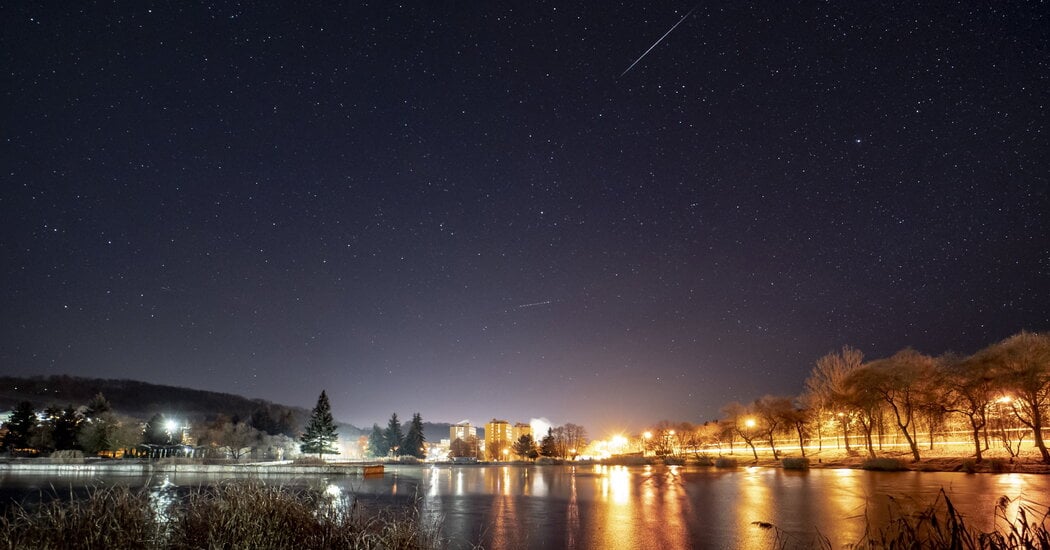
The 2025 Orionids meteor shower peaks on the night of October 21-22, coinciding with a New Moon, making it an ideal time for stargazing. Under optimal conditions, viewers could see 10-20 meteors per hour, especially after midnight, from dark, clear skies away from light pollution. The meteors originate from debris left by Halley's Comet and appear to radiate from the constellation Orion. To enjoy the show, find a dark, safe spot, allow your eyes to adjust to the dark, and be patient.
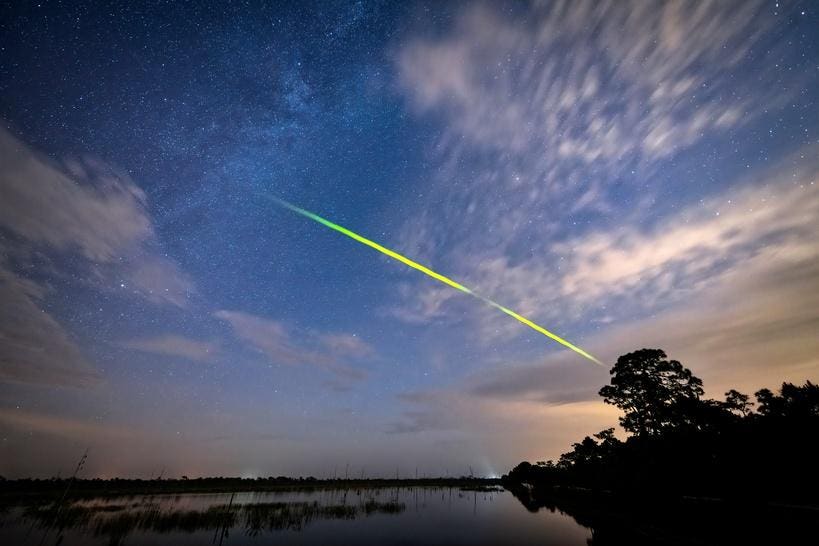
The Perseid meteor shower, active from July 17 to August 23 with peak on August 12-13, will be hindered by a bright moon this year, making only the brightest meteors visible. The best viewing opportunities are before and after the peak, especially from July 18-28 during a dark sky window when moonlight is minimal. Despite the moon's interference, some shooting stars will still be visible, offering a chance to enjoy this famous celestial display.
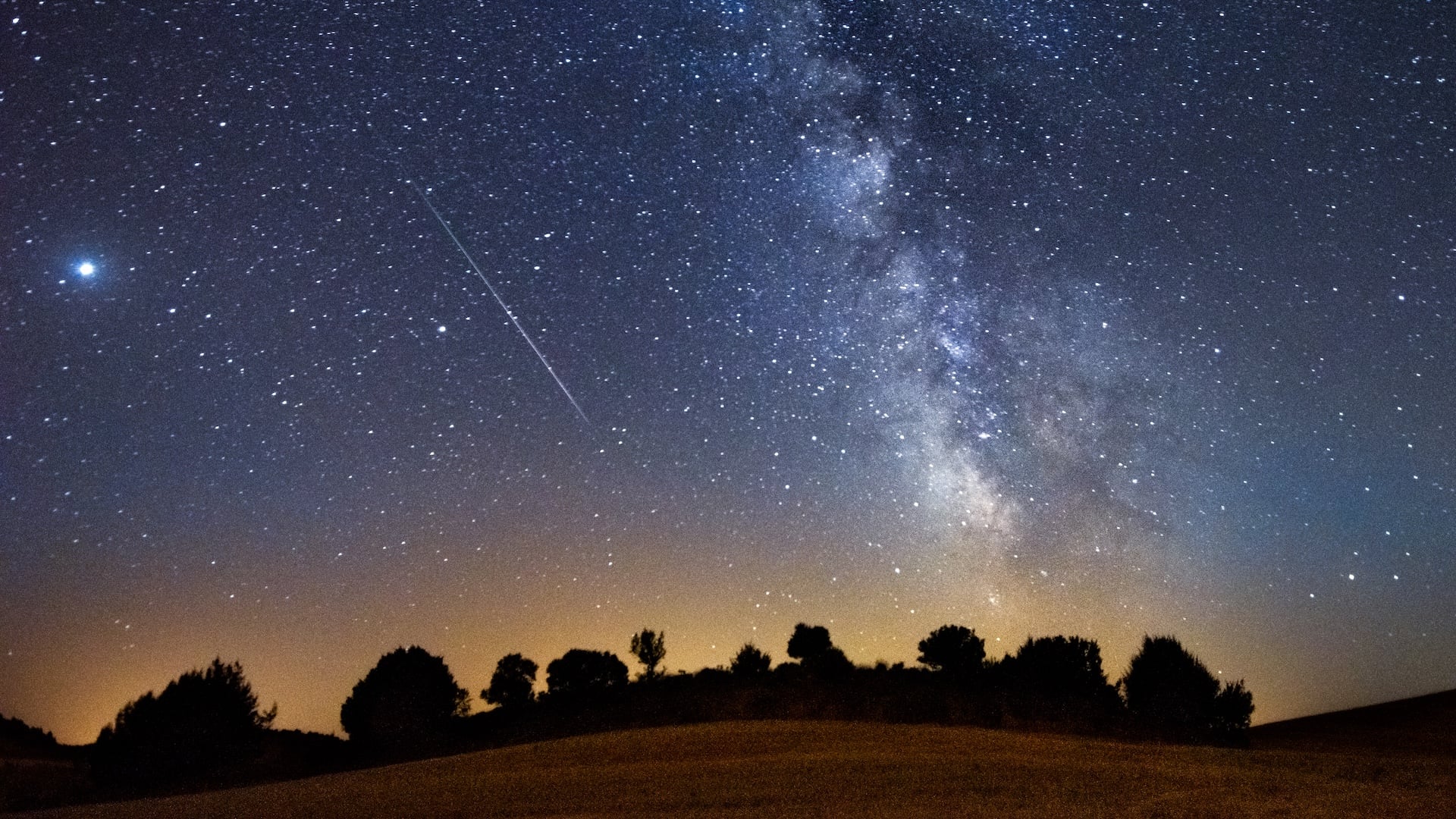
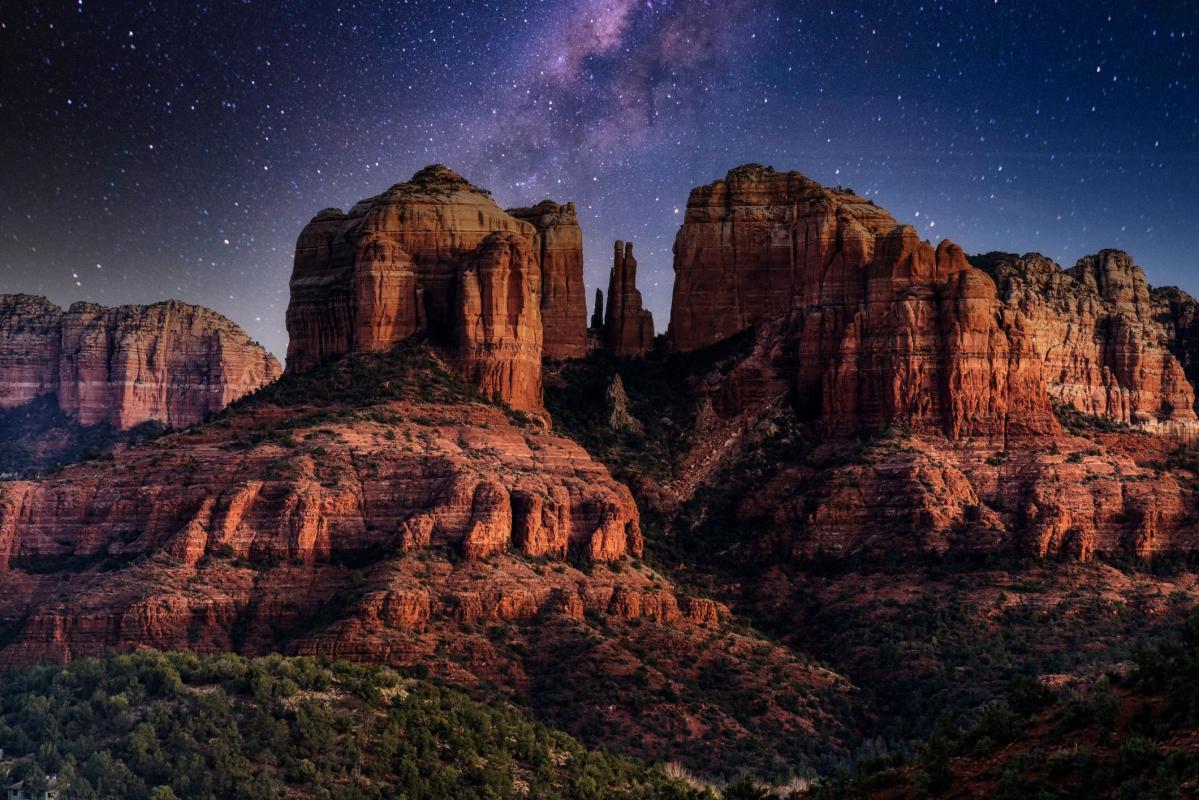
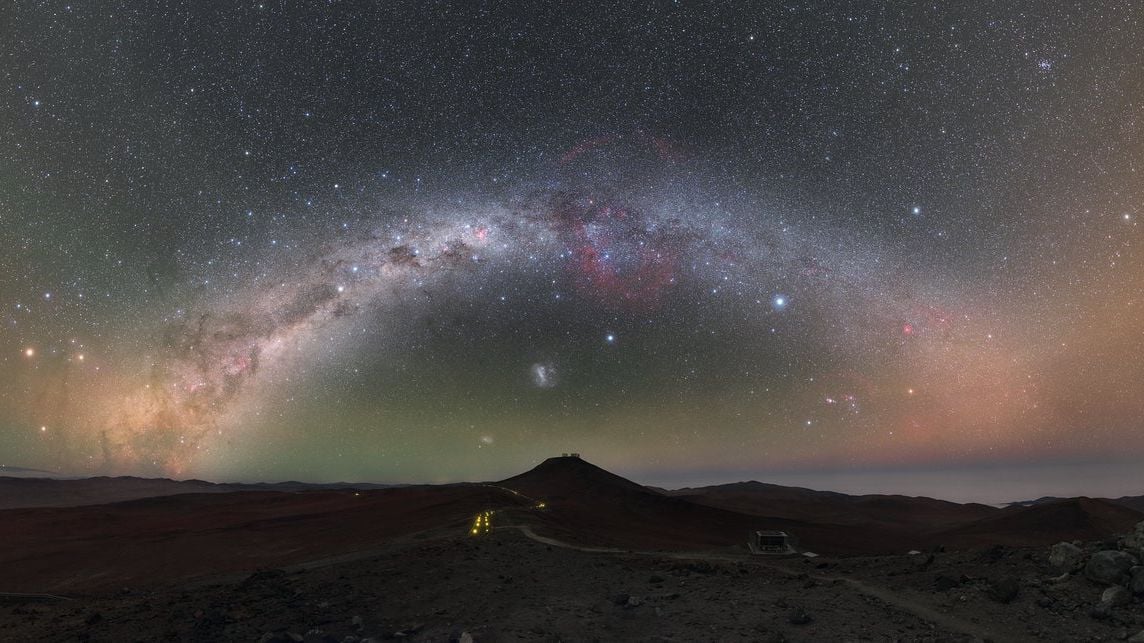
NASA recommends viewing the Milky Way's bright core in June and July from dark, rural locations far from city lights, with specific recommended sites in the US and Europe, emphasizing the importance of dark skies for optimal stargazing.
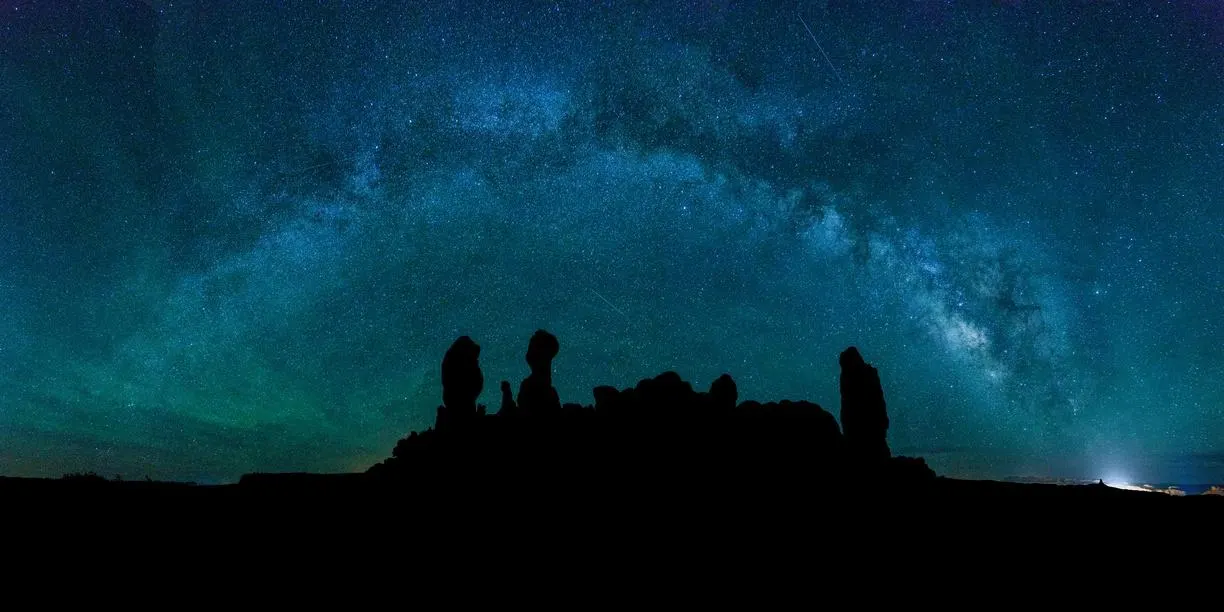
The article highlights the top 10 places in the U.S. for stargazing, including Big Bend National Park in Texas, Voyageurs National Park in Minnesota, Central Idaho Dark Sky Reserve, Death Valley National Park in Nevada, and Arches National Park in Utah. These locations are recognized for their exceptionally dark skies, minimal light pollution, and unique stargazing experiences, often featuring ranger-led programs and special events.
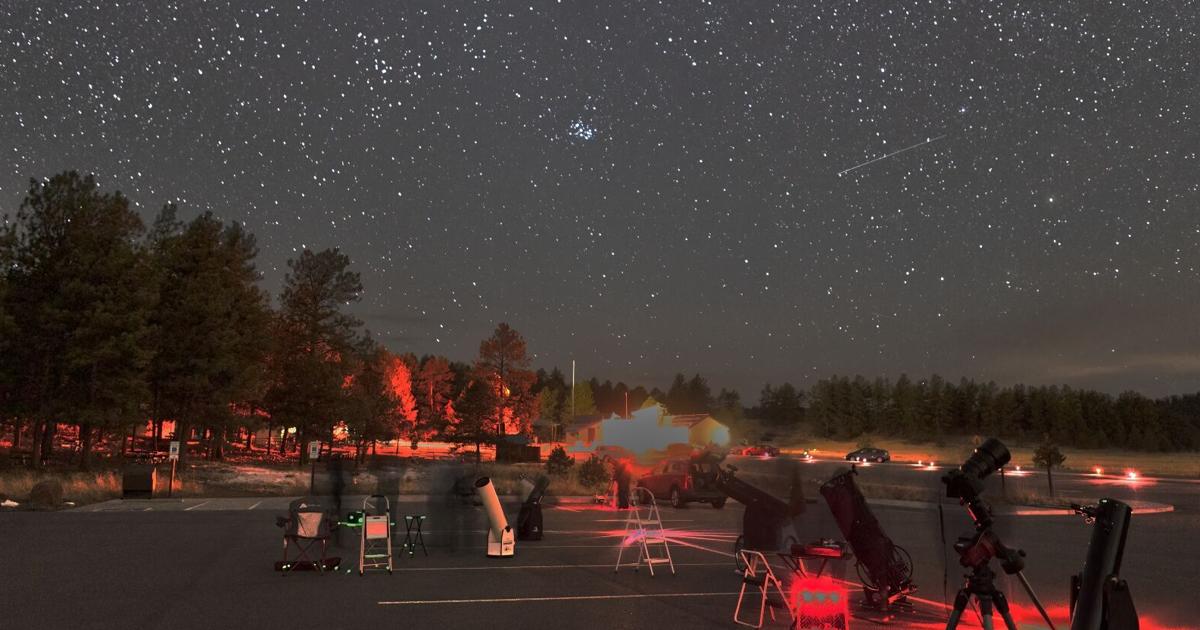
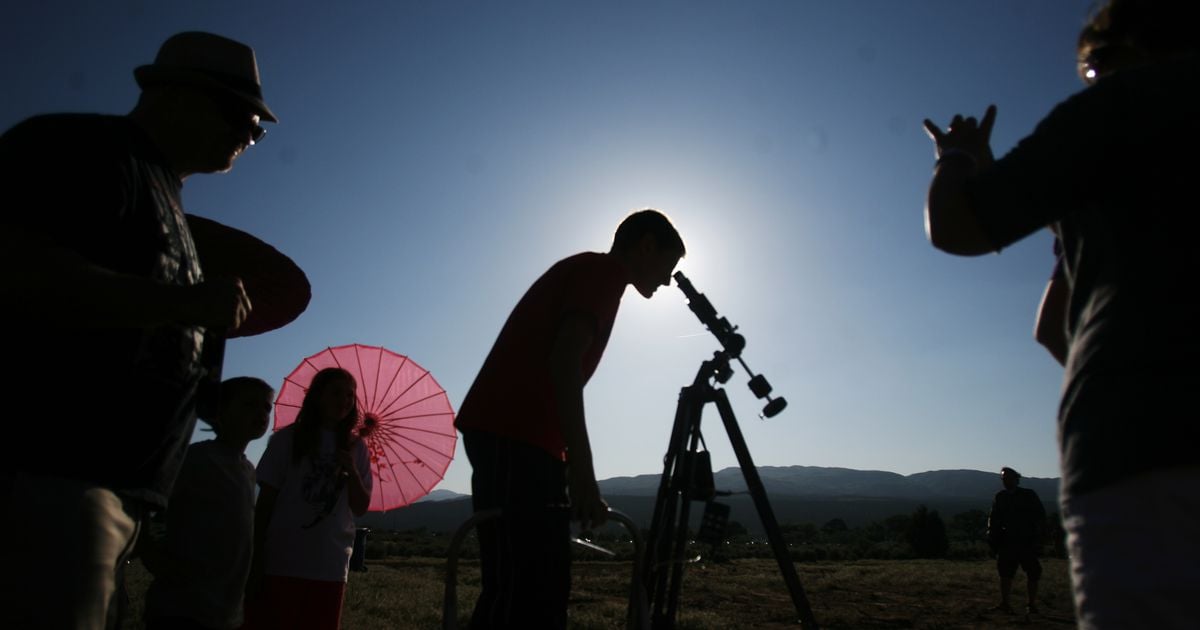
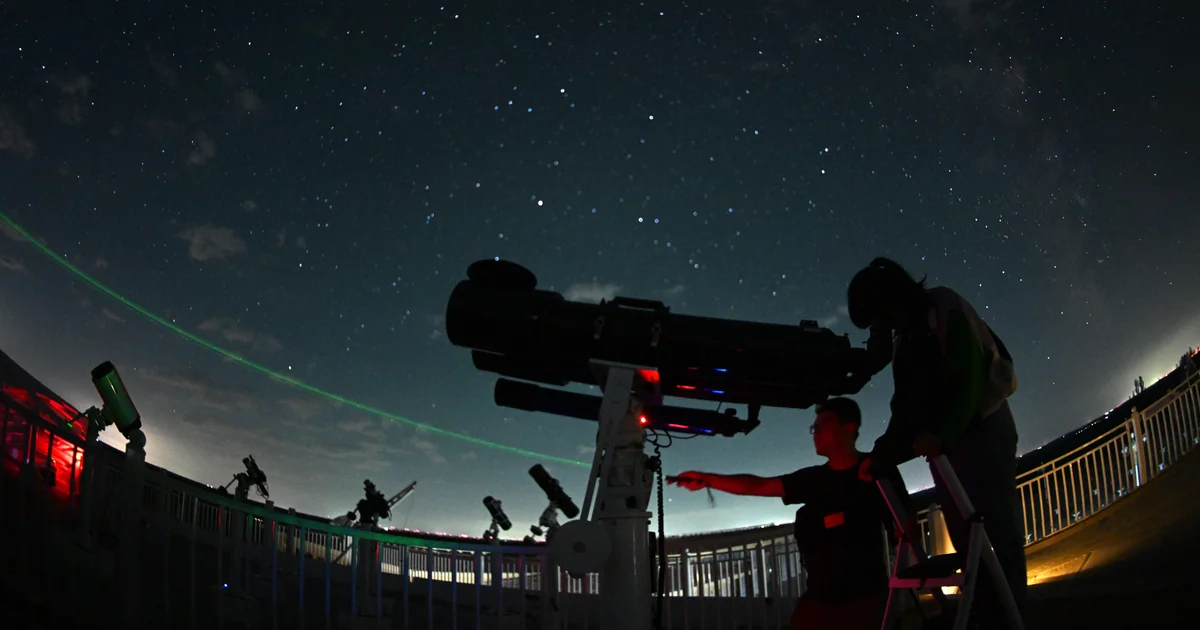
The Colorado Springs Astronomical Society is hosting a "star party" on May 31 at Florissant Fossil Beds National Monument, a site known for its ancient redwood stumps and International Dark Sky status. The event, featuring high-powered telescopes and laser pointers, offers a rare opportunity to observe the night sky in a location relatively free from light pollution. The event is weather-dependent, with a backup date of June 1, and requires a national parks pass or a $10 fee for attendees aged 16 and older.
The Eta Aquariid meteor shower, caused by debris from Halley's Comet, will peak on the night of May 4-5, 2024, producing between 10 and 30 "shooting stars" per hour. The best viewing time is after dark, with the skies darkest around midnight, and the radiant point in the constellation Aquarius. Additionally, the Perseids meteor shower, caused by debris from comet Swift-Tuttle, will peak on August 12-13, 2024, producing over 100 bright and fast-moving meteors per hour.
Gizmodo's March Madness bracket challenge to determine the greatest app of all time continues with WhatsApp facing off against Dark Sky. WhatsApp, acquired by Facebook in 2014, boasts 2 billion global users and a focus on encryption, while Dark Sky, known for its weather forecasts, was acquired by Apple in 2020. Readers can vote for their preferred app to advance to the next round in this historic contest.
The Geminids meteor shower, one of the most reliable and best meteor showers on the calendar, will reach its peak on the night of December 13th into the morning of December 14th. Viewers in northern latitudes can start observing the shower in the evening after sunset, while those in the Southern Hemisphere can expect the action to begin after midnight. With rates potentially reaching up to 150 meteors per hour, it is recommended to find a dark sky area away from artificial light sources for the best viewing experience. Binoculars or telescopes are not necessary, and the shower can be seen all over the sky.
Chile, home to some of the world's most powerful telescopes, is implementing new lighting standards to combat light pollution. These regulations aim to protect the dark sky for astronomers, as well as human health and biodiversity. The standards call for improved outdoor lighting, such as street lamps and floodlights, using softer amber hues instead of intense blue light. The regulations also recognize the impact of light pollution on wildlife, including insect pollinators and seabirds, and seek to reverse these negative effects.
Tourists from all over are flocking to southern Utah next month to witness an annular solar eclipse, a rare event where the moon appears as a ring of sunlight around it. The path of totality will pass through southern Oregon, northern Nevada, southern Utah, parts of Arizona and Colorado, New Mexico, and southwest Texas. Towns in the middle of the path, such as Richfield and Torrey, are expecting to see the totality for over 4 minutes. Southern Utah, known for its dark sky designated areas, is preparing for an influx of eclipse tourists, with businesses booking up and locals advising visitors to be respectful and bring their own supplies. Safety precautions, such as using solar filters, are recommended for viewing the eclipse.
The rapid adoption of LED lighting in the United States is causing an increase in light pollution, making it harder to see the stars. New research shows that the night sky is getting 10% brighter every year, with LED lighting being a major contributor. The problem is widespread, affecting not only big cities but also suburban and rural areas. Excessive artificial light not only obscures the stars but also disrupts sleep cycles, contributes to health issues, affects insect populations, and causes bird deaths. Efforts are being made to combat light pollution, such as the Greater Big Bend International Dark Sky Reserve in Texas, where communities are switching to amber-colored streetlights and implementing downward-pointing covers. Awareness and action are key to reversing light pollution.
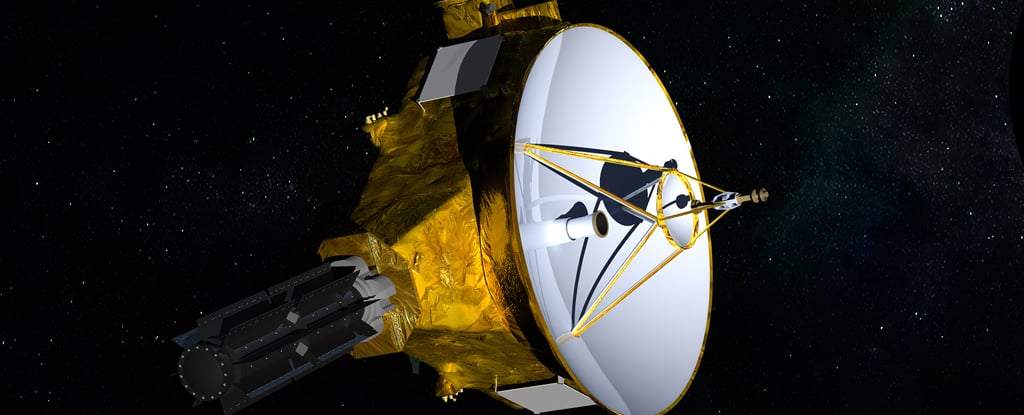
The New Horizons spacecraft, which flew past Pluto in 2015, is now twice as distant from the Sun and has the ability to measure the darkness of space. The New Horizons team aimed the spacecraft's cameras at a patch of sky far away from the Milky Way, the Sun, and bright stars, and measured the amount of light it captured. While it was darker than expected, there was still some unexplained faint glow. The team plans to observe 15 other dark locations to further investigate this mysterious background glow and potentially reveal the true darkness of the cosmos.