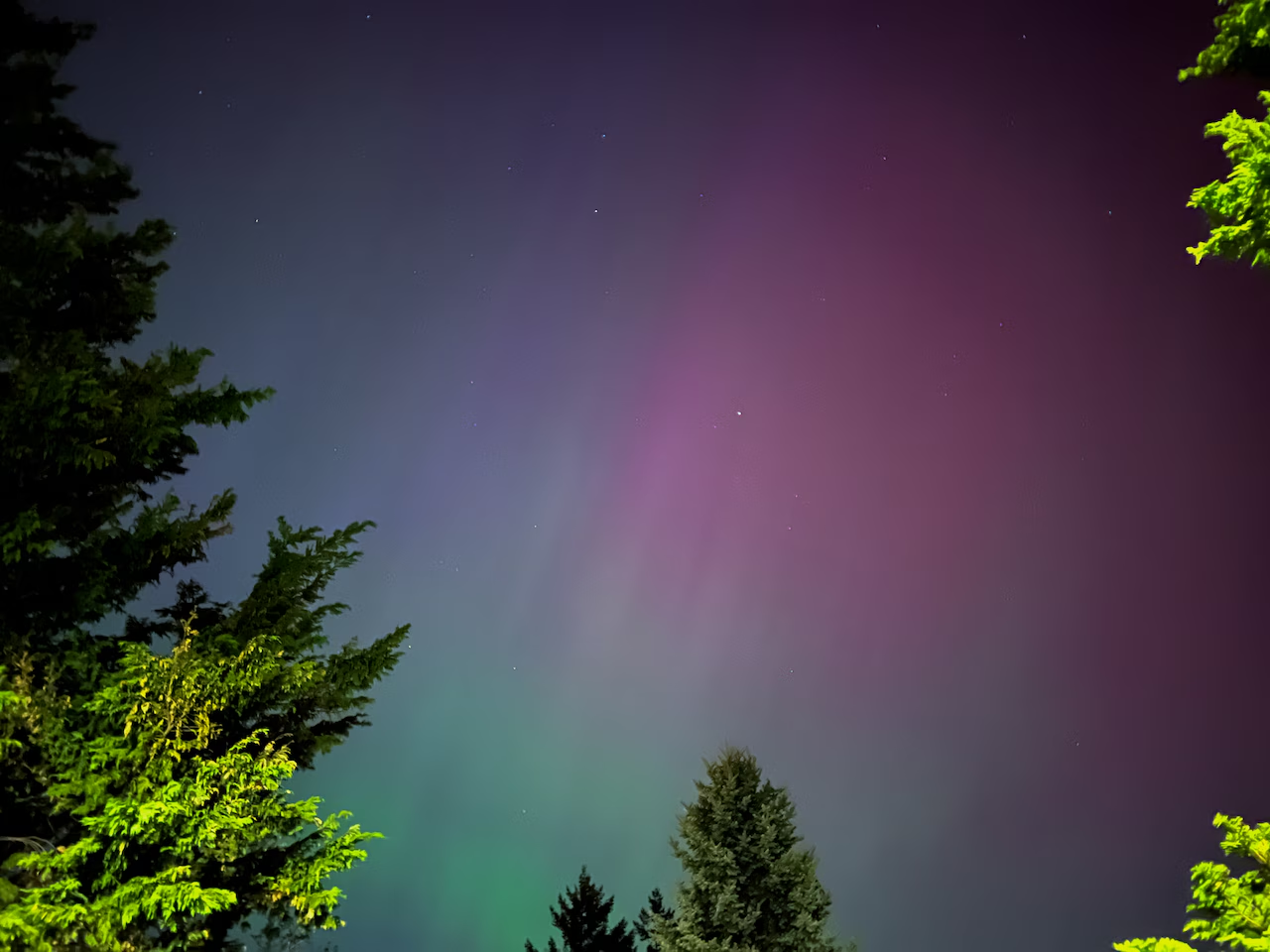
Northern Lights Could Shine Over 20 States Tonight
The northern lights may be visible in over a dozen states, including Oregon, on Friday night due to geomagnetic storm conditions, although cloudy weather could hinder viewing in some areas.

All articles tagged with #sky watching
The northern lights may be visible in over a dozen states, including Oregon, on Friday night due to geomagnetic storm conditions, although cloudy weather could hinder viewing in some areas.
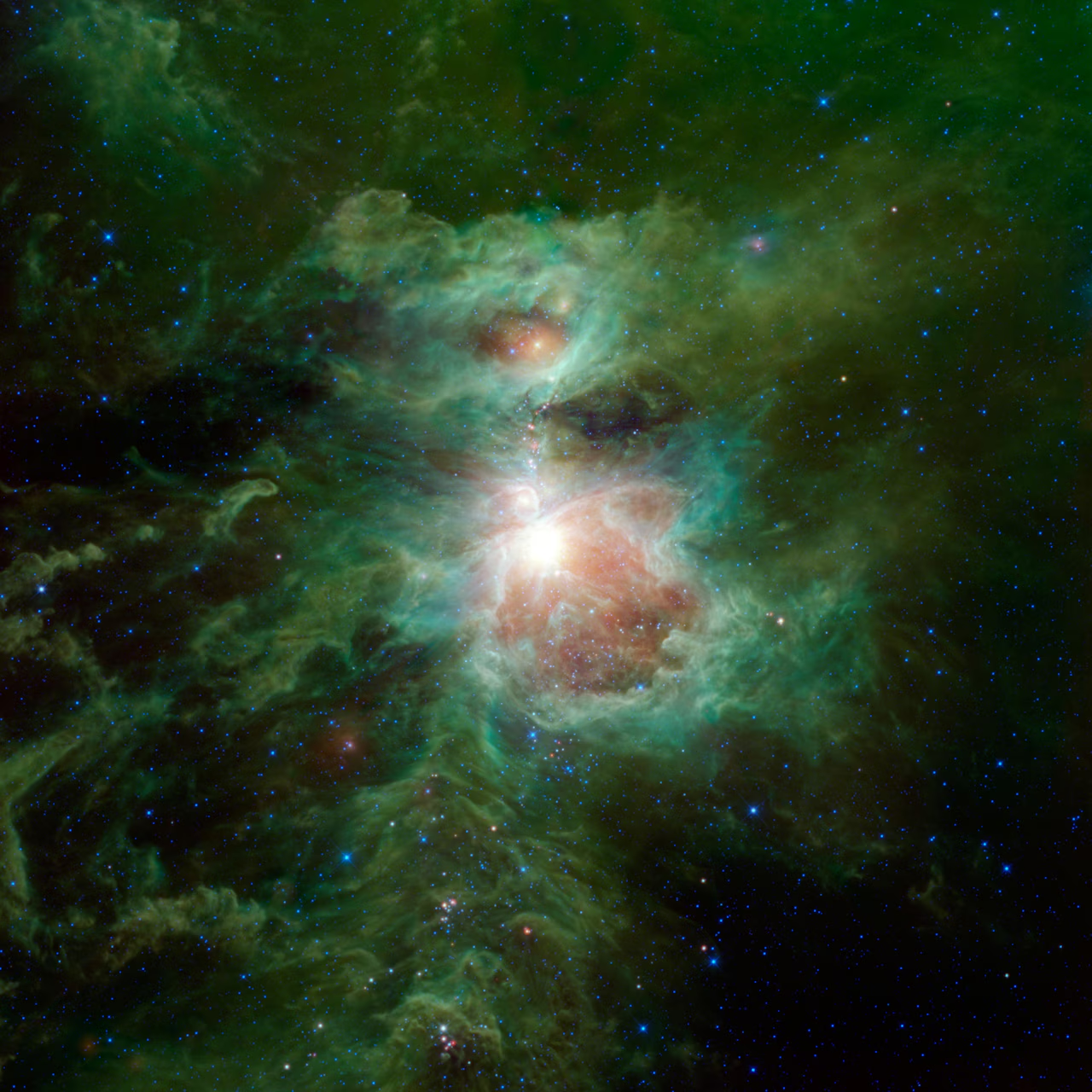
The Orion Nebula, known as the 'cosmic fire of creation,' is a prominent and easily visible star-forming region in the night sky, best seen from November to March, and can be observed with binoculars or a telescope, offering a spectacular view of the universe's birthplaces.
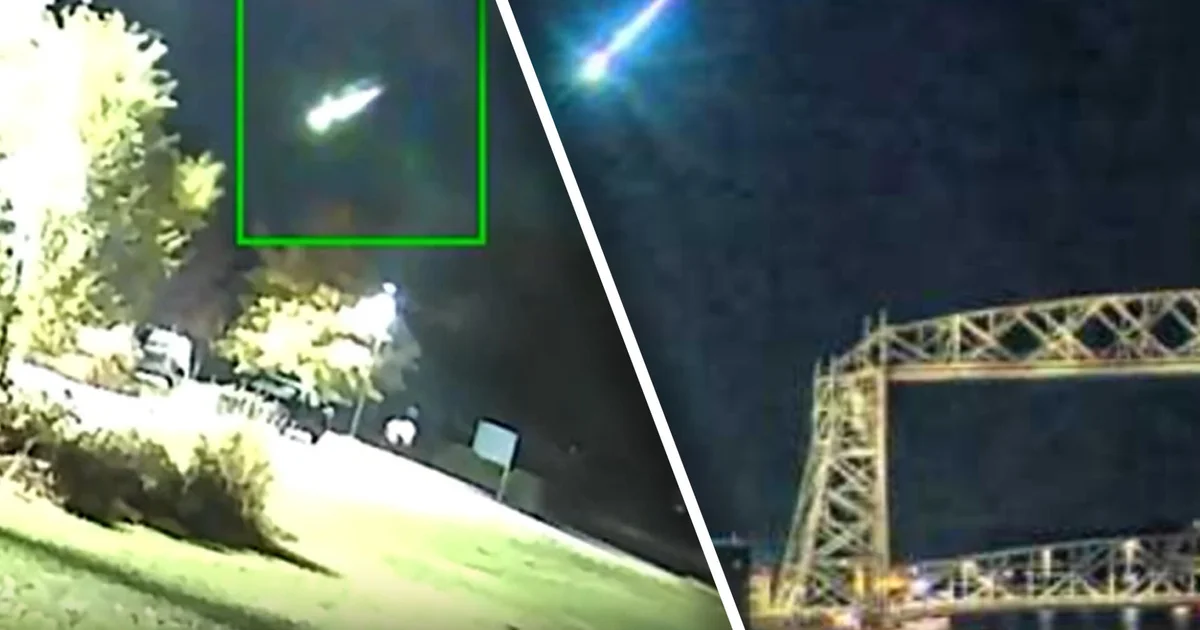
A bright fireball meteor was sighted across Minnesota and Wisconsin, captured by multiple observers and cameras, with the American Meteor Society reporting numerous sightings. Such meteors are bright, large meteors that often explode in the atmosphere, and are more frequently observed today due to increased camera coverage. They originate from comet debris and typically burn up completely in the atmosphere.
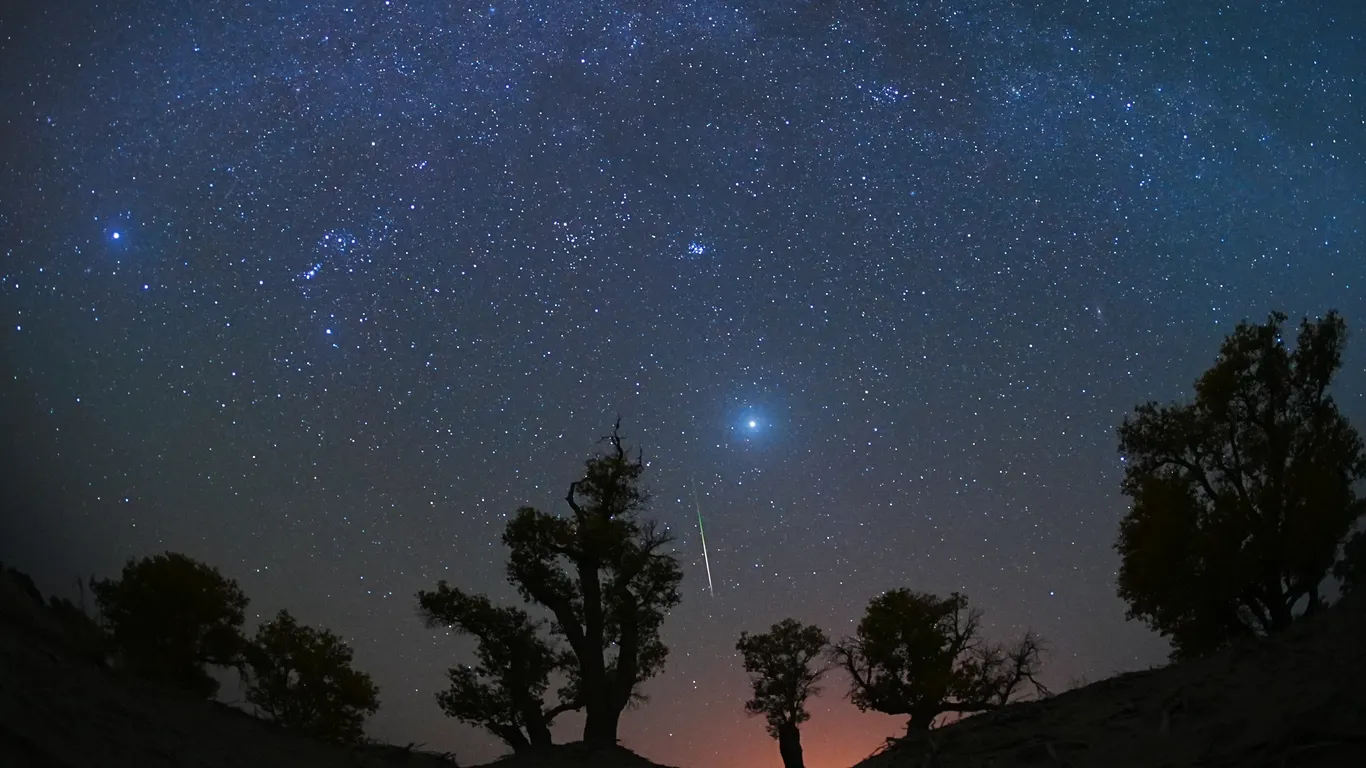
The Orionid meteor shower, peaking this week from midnight to dawn, offers a spectacular display of bright, fast meteors and fireballs, best viewed from dark, rural areas away from city lights, with optimal conditions due to the new Moon.
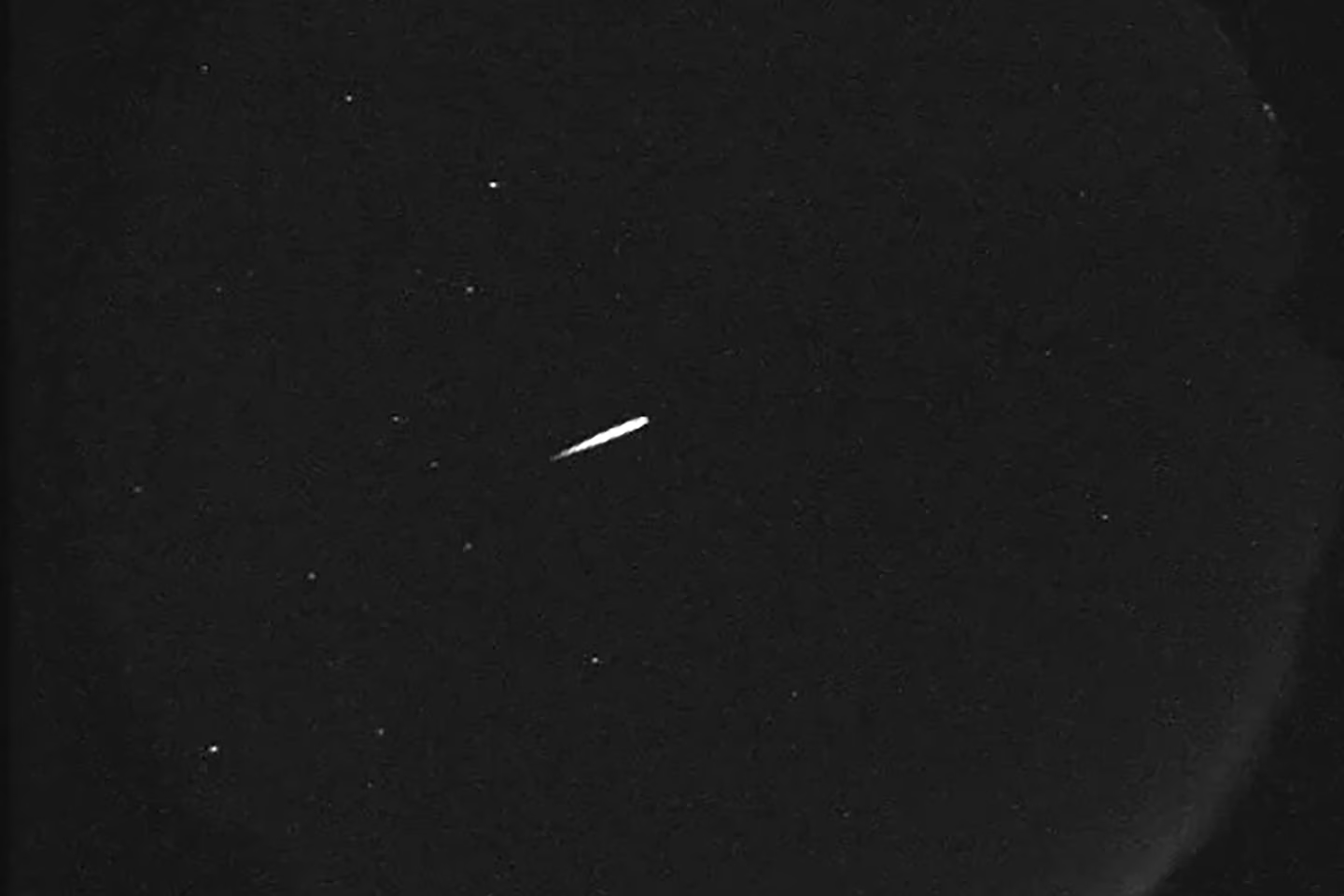
The Orionid meteor shower peaks on Tuesday and Wednesday nights, offering excellent viewing conditions due to a new moon, with the best time to watch after midnight through dawn.
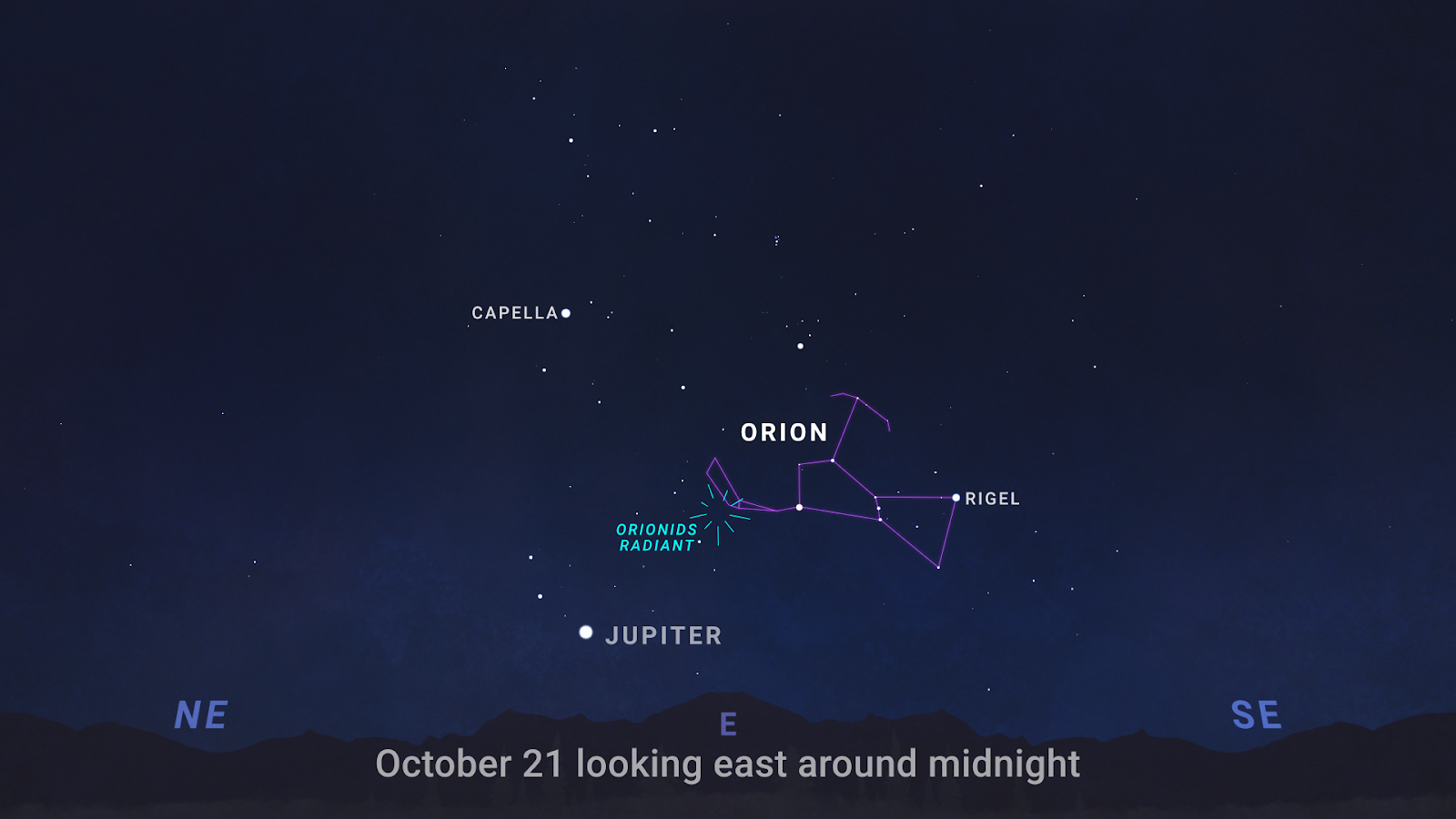
The Orionid meteor shower peaks on October 20-23, with the best viewing conditions during a new moon, and can be seen from Texas in the early morning hours, weather permitting, with up to 20 meteors per hour visible in dark skies.

The Orionid meteor shower, peaking around 8 p.m. ET on Monday, offers a spectacular display of fast-moving meteors, best viewed in the southern sky during clear nights, coinciding with a new moon for optimal visibility. The shower originates from debris from Halley's comet and may be complemented by the Southern Taurids, with other meteor showers expected in the coming months.
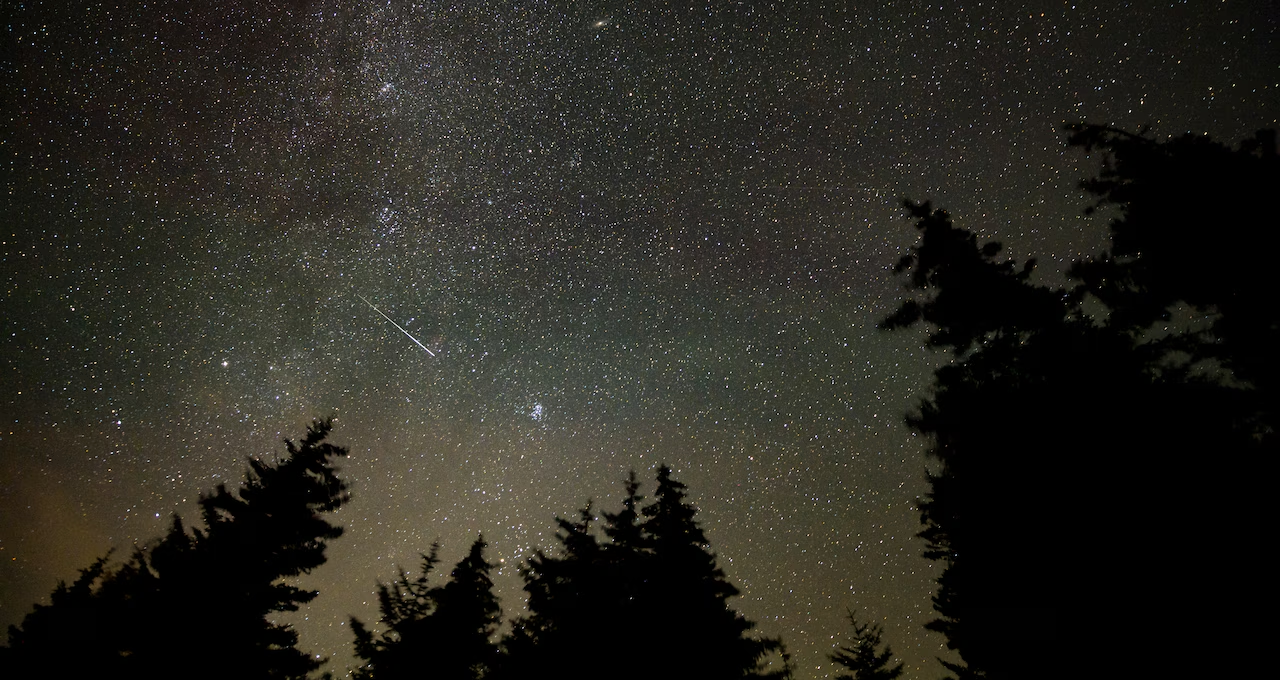
A spectacular meteor shower, the Orionids, is expected to peak around midnight on October 21, offering excellent viewing conditions for sky enthusiasts, with bright fireballs and fast meteors, making it one of the year's most beautiful celestial events.
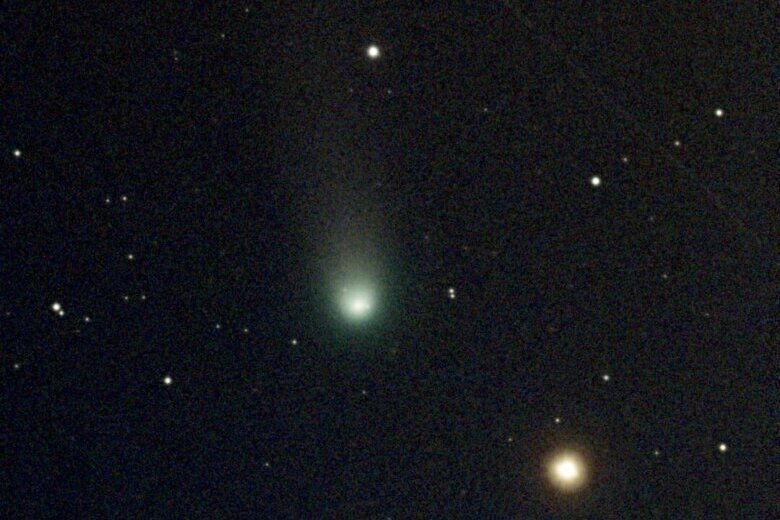
Comet C/2025 A6 Lemmon is becoming bright enough to be visible to the naked eye in the coming days, offering a great opportunity for sky watchers to observe it with minimal equipment, especially in dark, clear skies before dawn or after sunset. The comet's brightness is expected to increase through October and possibly November, and viewers are encouraged to use telescopes, binoculars, and cameras for a better experience.
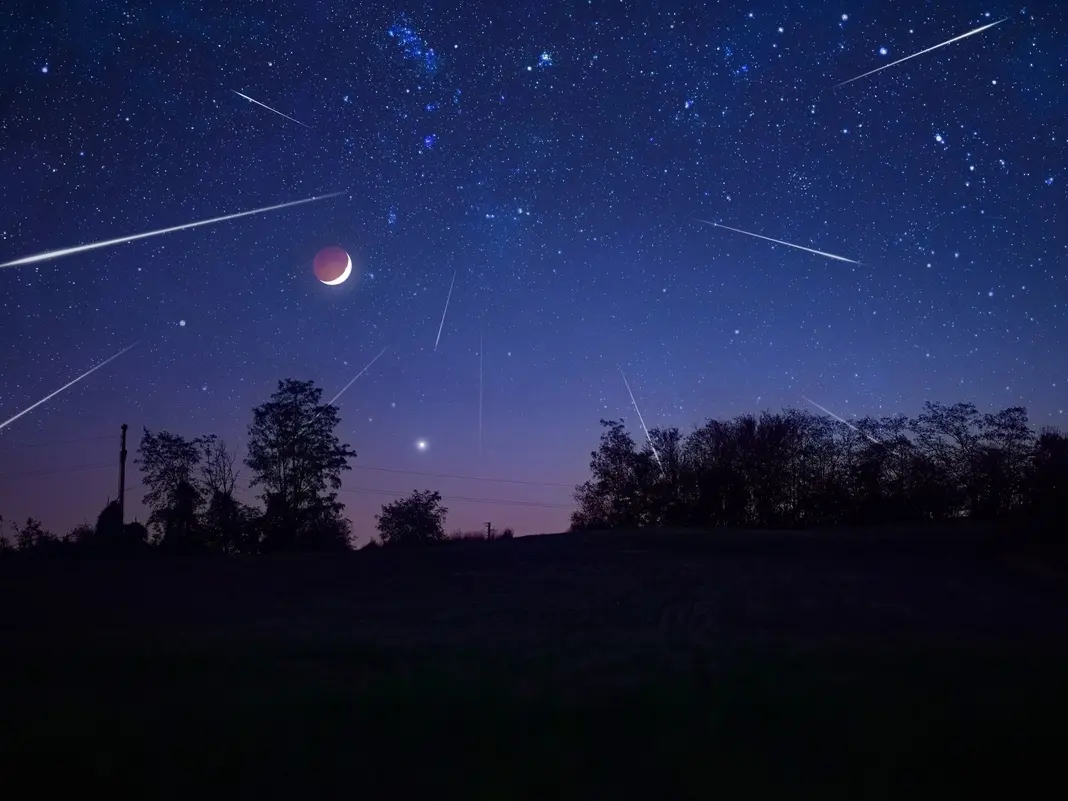
Connecticut may experience a spectacular Draconid meteor storm on Wednesday, with the potential for hundreds of shooting stars per hour during the peak, especially if an outburst occurs during the daytime, with favorable weather conditions expected.
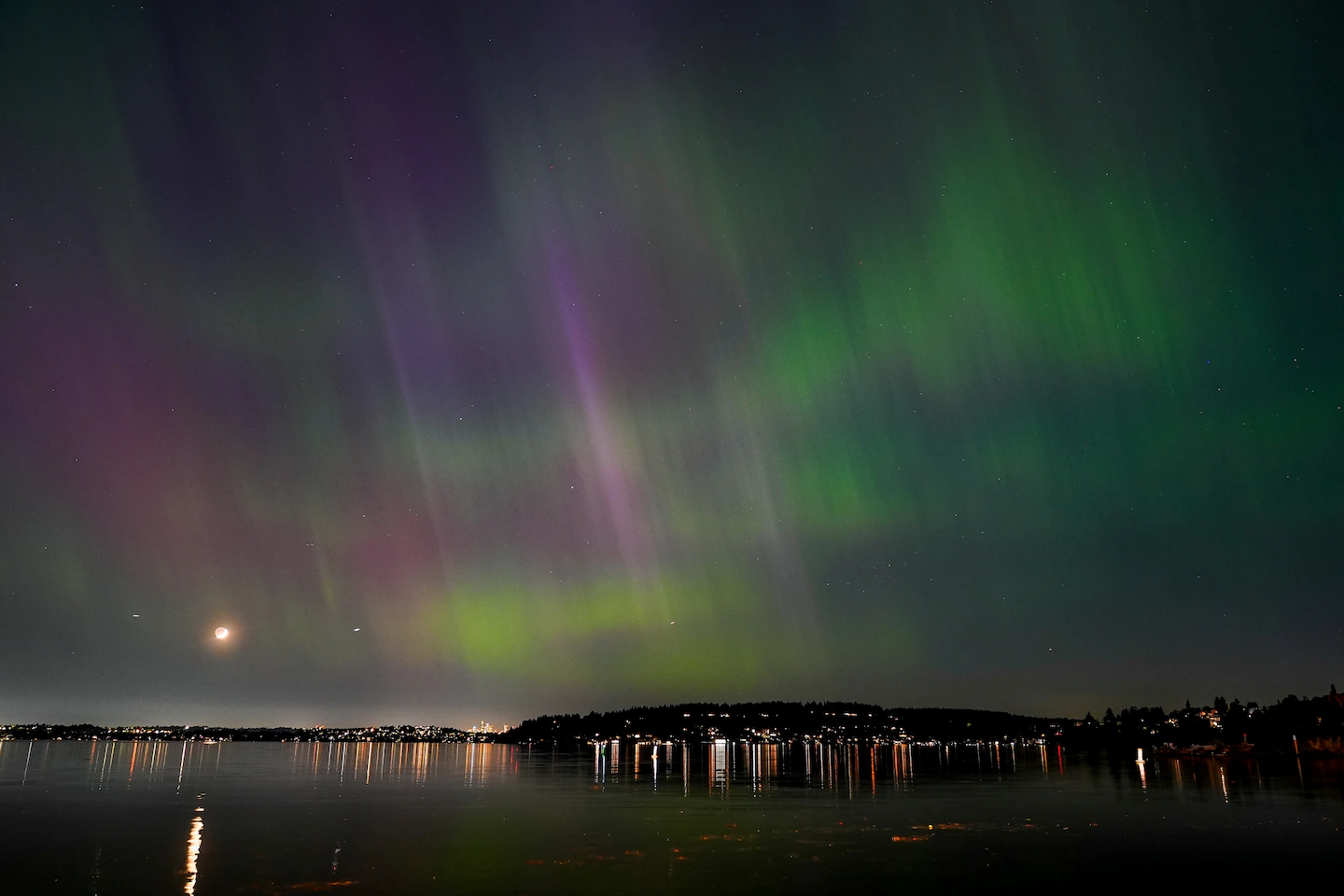
Autumn nights offer clear skies ideal for stargazing, with the return of Saturn and Jupiter visible, along with notable meteor showers this season.
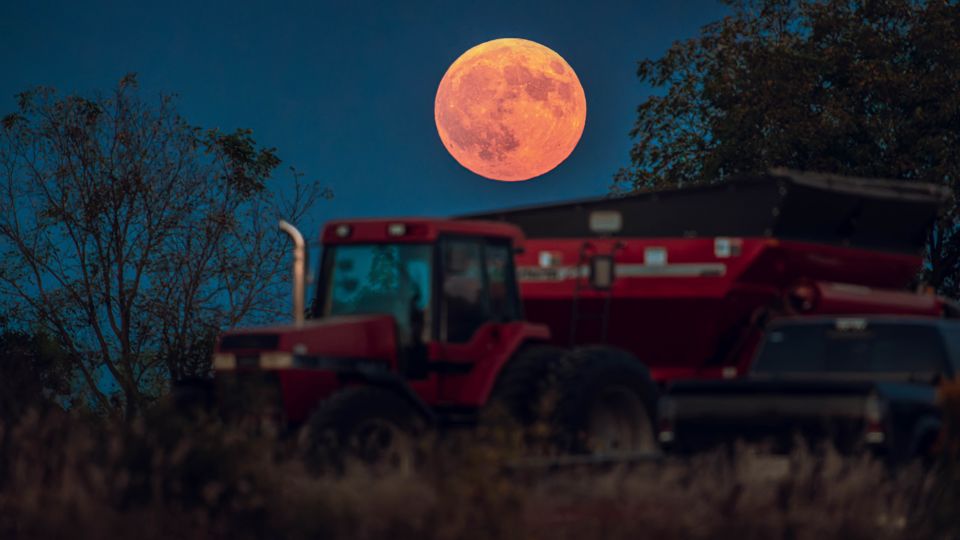
A total lunar eclipse and the full corn moon will be visible this weekend, with the eclipse creating a reddish 'blood moon' effect. The event is best viewed from Europe, Africa, Asia, and Australia, and can be seen without special equipment. The next similar event will occur in March 2026, and other celestial phenomena like meteor showers are also upcoming.
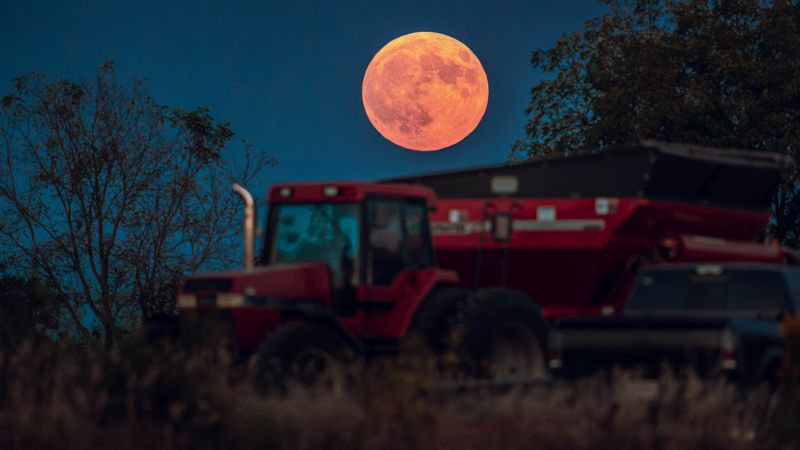
This weekend, sky-gazers in Europe, Africa, Asia, and Australia can witness a total lunar eclipse, turning the moon a deep red, alongside the full corn moon. The eclipse, visible from specific regions and lasting over an hour, offers a spectacular view of the moon's changing phases, with best viewing away from bright lights. The event coincides with the peak of the corn moon, and additional celestial events like meteor showers and upcoming solar eclipses are also on the horizon.

A solar storm may cause the northern lights to be visible as far south as the lower Midwest in the U.S. during Labor Day, offering a rare and spectacular sky show.
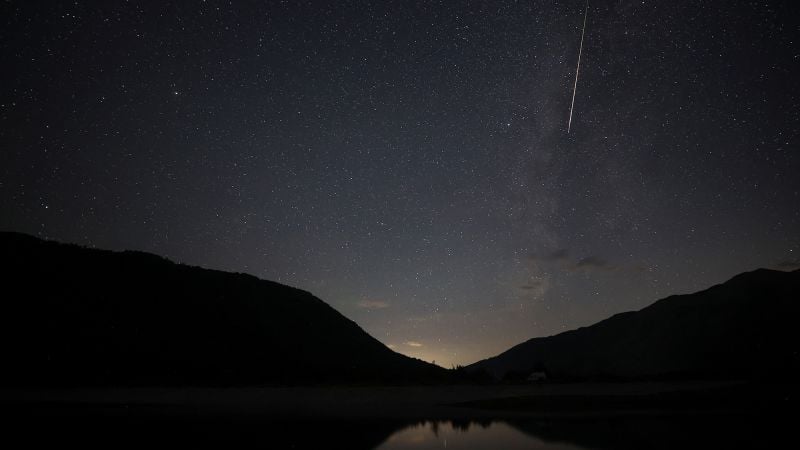
The Perseid meteor shower peaks on Tuesday at 4 p.m. ET, with best viewing opportunities between dusk and moonrise on Tuesday evening and early Wednesday morning, despite the bright moon reducing visibility. The shower, originating from the constellation Perseus, will produce fewer meteors this year due to the moon's brightness, but viewers can still expect to see 10-20 meteors per hour. The event coincides with a conjunction of Venus and Jupiter, visible in the eastern sky before sunrise, and Saturn will also be visible near the moon.