materials-science49.45 min read
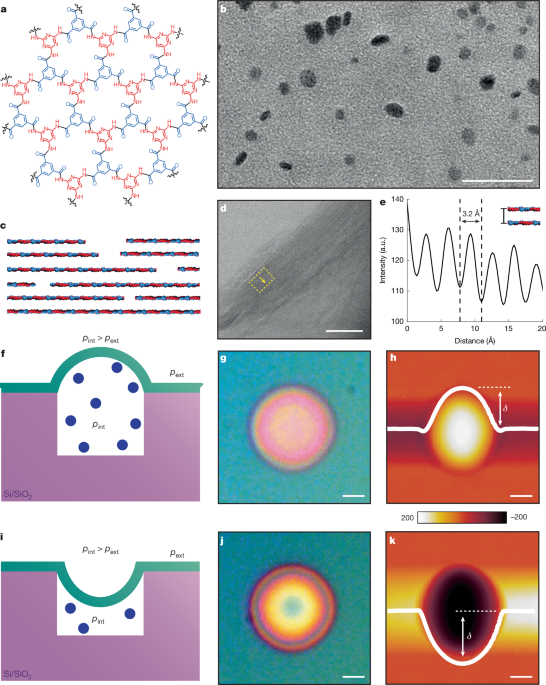
Innovative Lightweight Polymer Films for Enhanced Corrosion Protection
3 months ago•Source: Nature

The latest materials science stories, summarized by AI
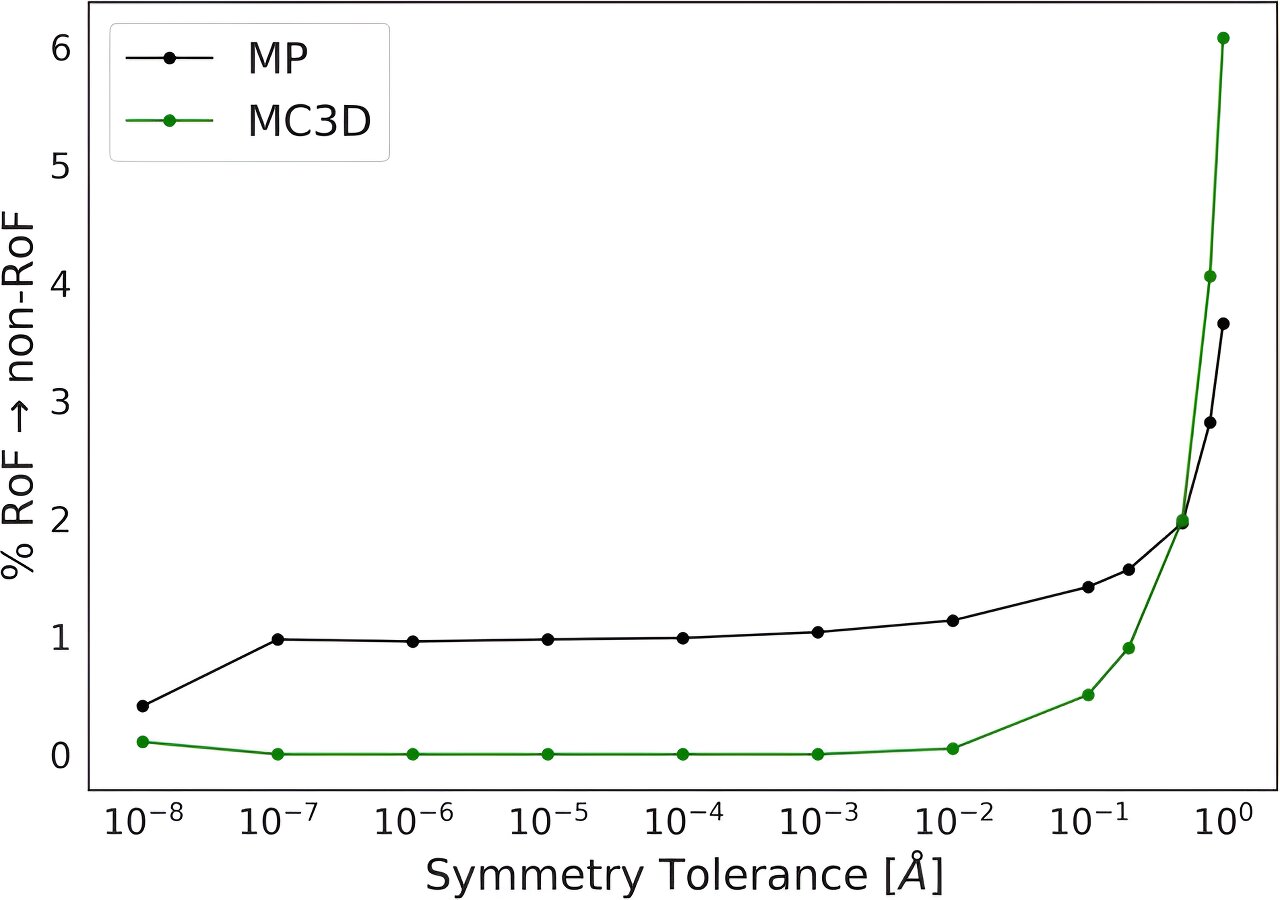
Scientists have observed an unexpected pattern, dubbed the "Rule of Four," in two major electronic structures databases, where around 60% of structures have primitive unit cells made of a multiple of four atoms. Despite extensive investigation, including machine learning algorithms, researchers have been unable to explain this phenomenon, ruling out factors such as software errors, chemical properties, and formation energies. While the lack of a compelling explanation is a rare example of a scientific paper describing a negative result, the team's prediction algorithm achieved an 87% accuracy in determining whether a compound follows the Rule of Four, hinting at the potential role of undiscovered small chemical groups in cells.
Phys.org•1 year ago
Nature.com•2 years ago
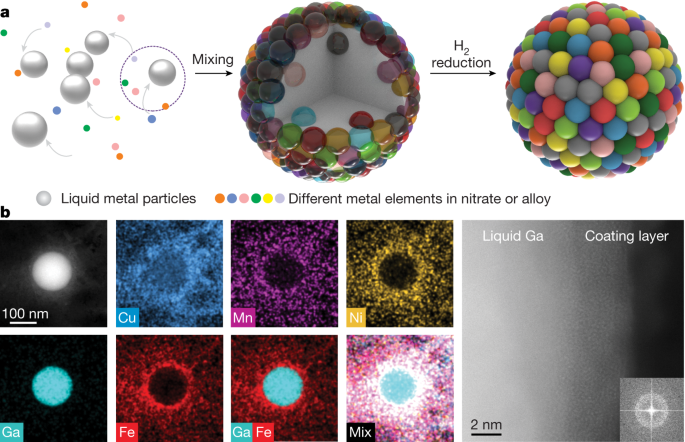
Researchers have developed a new method for synthesizing high-entropy alloy nanoparticles using liquid metal. The method involves mixing the liquid metal with a solution containing the desired metal precursors, which then undergoes a chemical reaction to form the nanoparticles. The resulting nanoparticles have a high degree of compositional complexity and can be used as catalysts in a variety of applications. This new approach offers a promising avenue for the development of high-performance materials with unique properties.
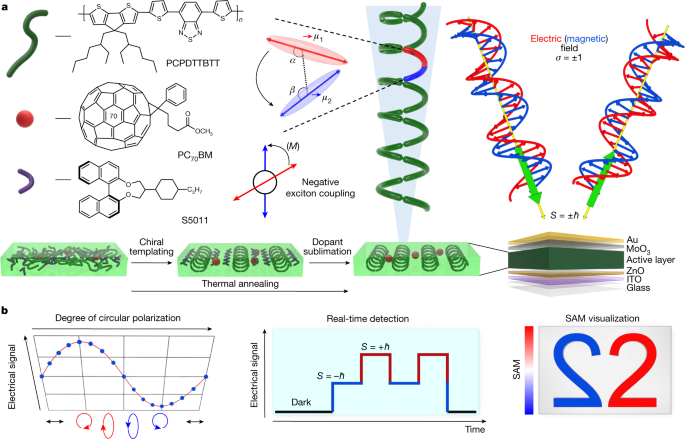
Researchers have developed helical polymers that can detect dissymmetric circularly polarized light, which has potential applications in optoelectronics and photodetection. The polymers were designed with alternating donor-acceptor units that induce a helical structure, allowing them to interact with circularly polarized light in a chiral manner. The researchers demonstrated the ability of the polymers to detect circularly polarized light in the near-infrared region, which is important for applications such as telecommunications and biological imaging.
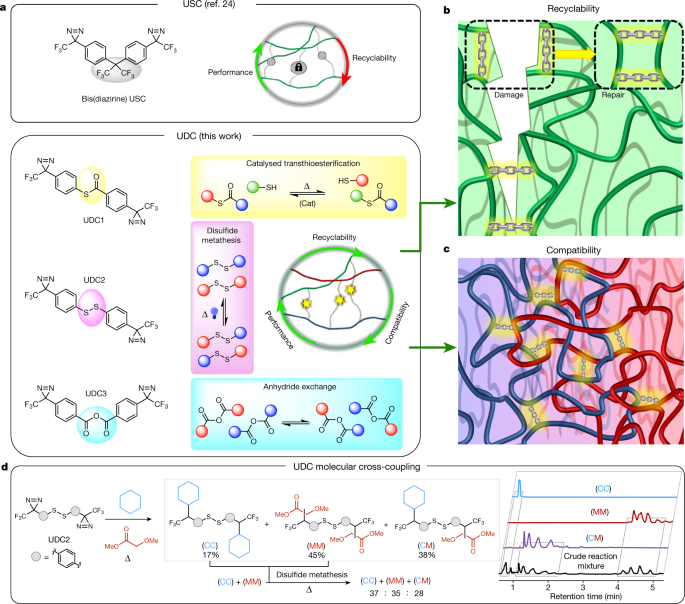
Researchers have developed a dynamic crosslinking technique that can compatibilize immiscible mixed plastics, allowing for their recycling and upcycling. The technique involves incorporating reversible covalent bonds into the polymer network, which can be broken and reformed under certain conditions. This allows for the creation of materials with both thermoplastic and thermosetting properties, enabling their reshaping and remolding. The approach could contribute to the development of a circular economy for plastics.
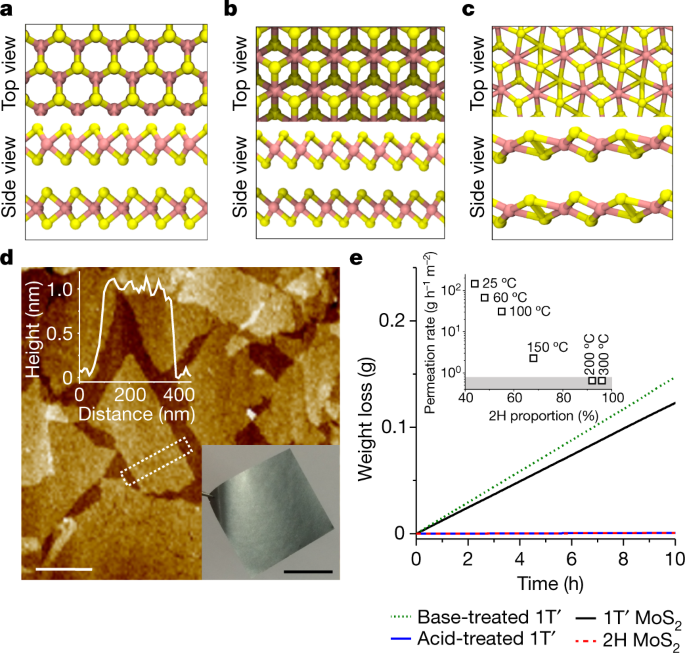
Researchers have discovered that MoS2 membranes exhibit pH-dependent water permeability switching and memory, which could be useful for nanofiltration applications. The membranes showed reversible and repeatable switching between high and low water permeability states in response to changes in pH, and the switching behavior was found to be stable over time. The study provides insights into the fundamental properties of MoS2 membranes and their potential for use in water filtration technologies.
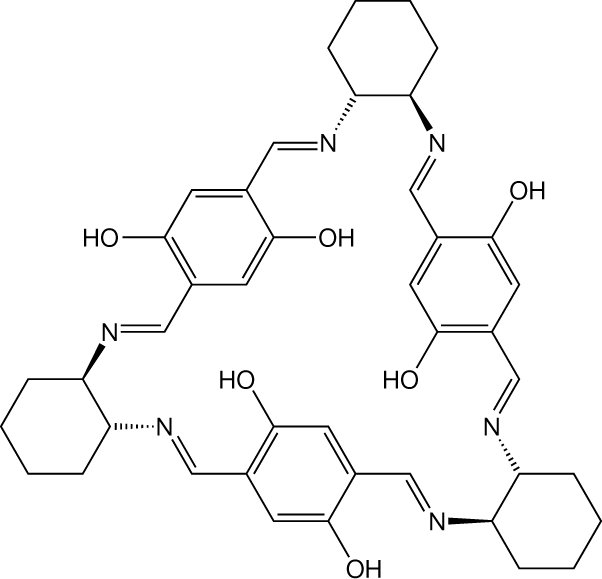
Researchers have discovered a porous organic crystal that can adsorb water into 1-nm-wide channels at more than 55% relative humidity, with the water uptake/release being chromogenic. The nanoconfined water is in a state of flux above −70 °C, thus allowing low-temperature dehydration to occur. This discovery unlocks opportunities for designing materials that capture/release water over a range of temperatures that extend well below the freezing point of bulk water.
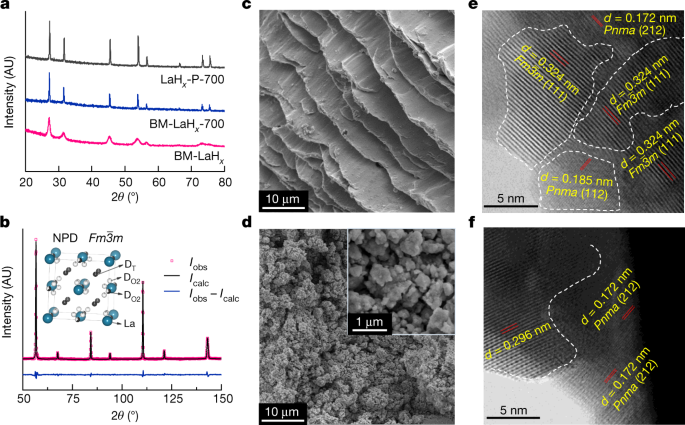
Researchers have deformed lanthanum trihydride to create a superionic conductor, which could be used in solid-state batteries and hydrogen fuel cells. The deformed material showed high hydrogen ion conductivity, and the researchers found that the deformation created grain boundaries that acted as barriers to electron transport, leading to high electrical conductivity. The findings could pave the way for the development of new materials for energy storage and conversion.
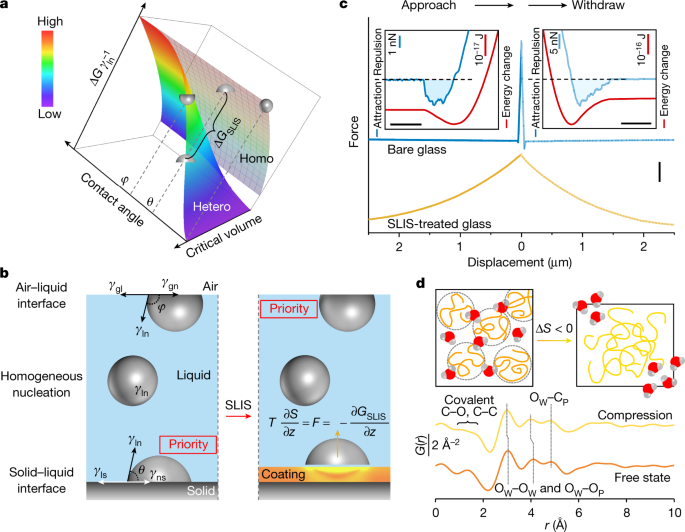
Researchers have developed a mechanistic formulation for inorganic membranes at the air-liquid interface, which could lead to the creation of new types of membranes for applications such as water purification and gas separation. The study focused on the interfacial tension between the membrane and the liquid, as well as the elasticity of the membrane. The researchers used a combination of theoretical modeling and experimental techniques to develop their formulation, which could be further refined using cellular automata simulations.

Caltech engineers have developed a new material composed of multiple interconnected microscale knots that exhibit a tensile toughness far surpassing unknotted materials. The presence of knots in this new material significantly enhances its toughness by enabling it to absorb more energy and deform more before returning to its original shape without any damage. These new knotted materials may find applications in biomedicine as well as in aerospace applications due to their durability, possible biocompatibility, and extreme deformability.