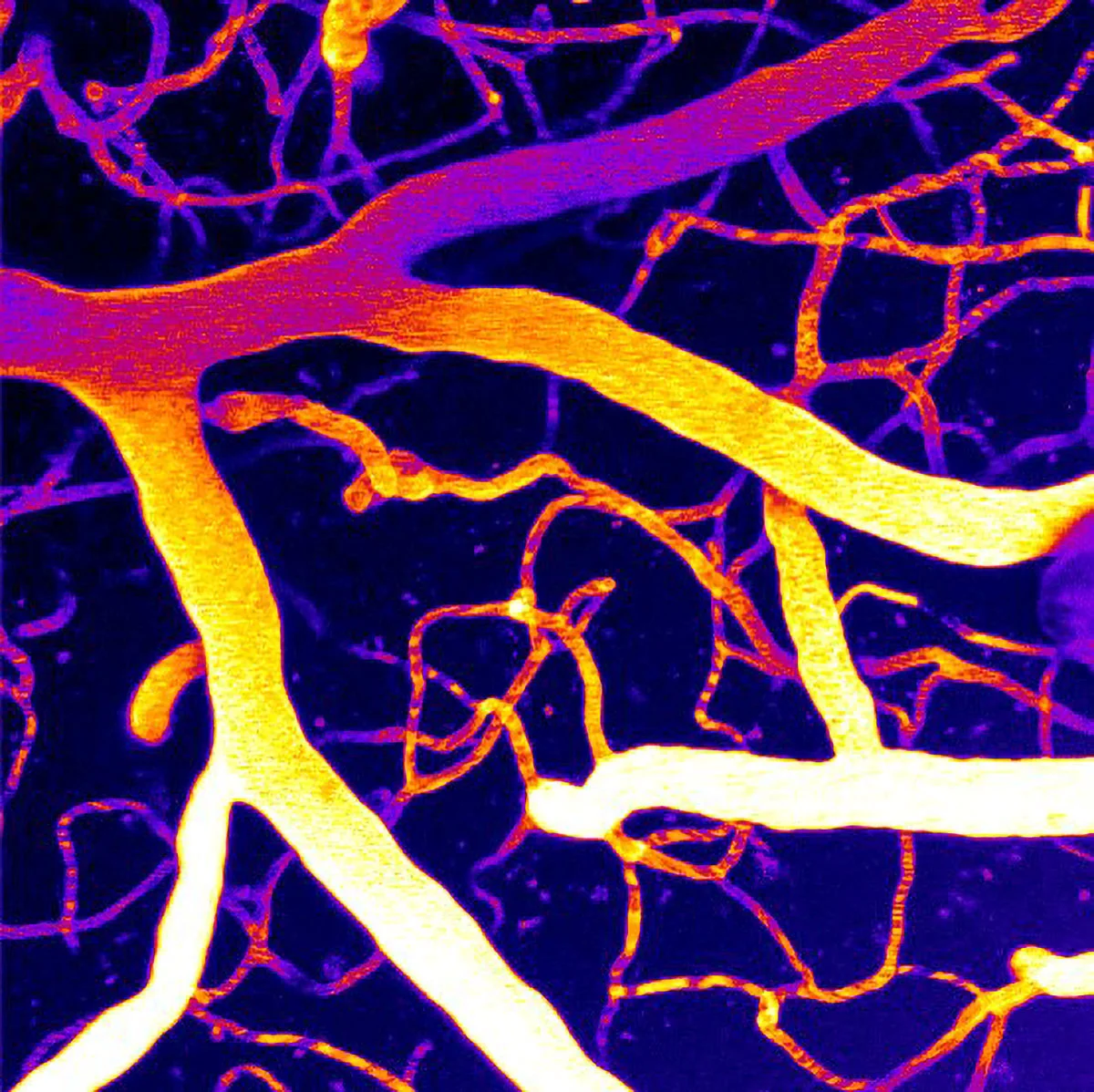
Scientists at the University of Vermont have discovered that increasing levels of the phospholipid PIP2 in brain cell membranes may help regulate blood flow in the brain by inhibiting the Piezo1 protein, potentially offering a new approach to treat dementia and related neurovascular diseases.
Scientists at the University of Vermont have discovered that restoring levels of the phospholipid PIP2 can reduce overactivity of the Piezo1 protein in brain blood vessels, potentially improving blood flow and alleviating symptoms of dementia, offering a promising new avenue for treatment.
A study shows that daily consumption of unsalted, skin-roasted peanuts can increase brain blood flow and improve memory in older adults, likely due to nutrients like L-arginine, antioxidants, and healthy fats, though further research is needed to confirm long-term effects.
Researchers at Penn State discovered that stress-sensitive type-one nNOS neurons regulate brain blood flow and neural activity; their loss due to chronic stress may contribute to brain health decline and neurodegenerative diseases like dementia, highlighting a new environmental risk factor.
A study found that consuming a high-fat milkshake impairs blood flow to the brain within hours, especially in older adults, highlighting the importance of low saturated fat intake for brain and heart health.
A study shows that high ventilation breathwork combined with music can induce altered states of consciousness similar to psychedelics, linked to specific changes in brain blood flow and emotional processing, with potential therapeutic benefits.
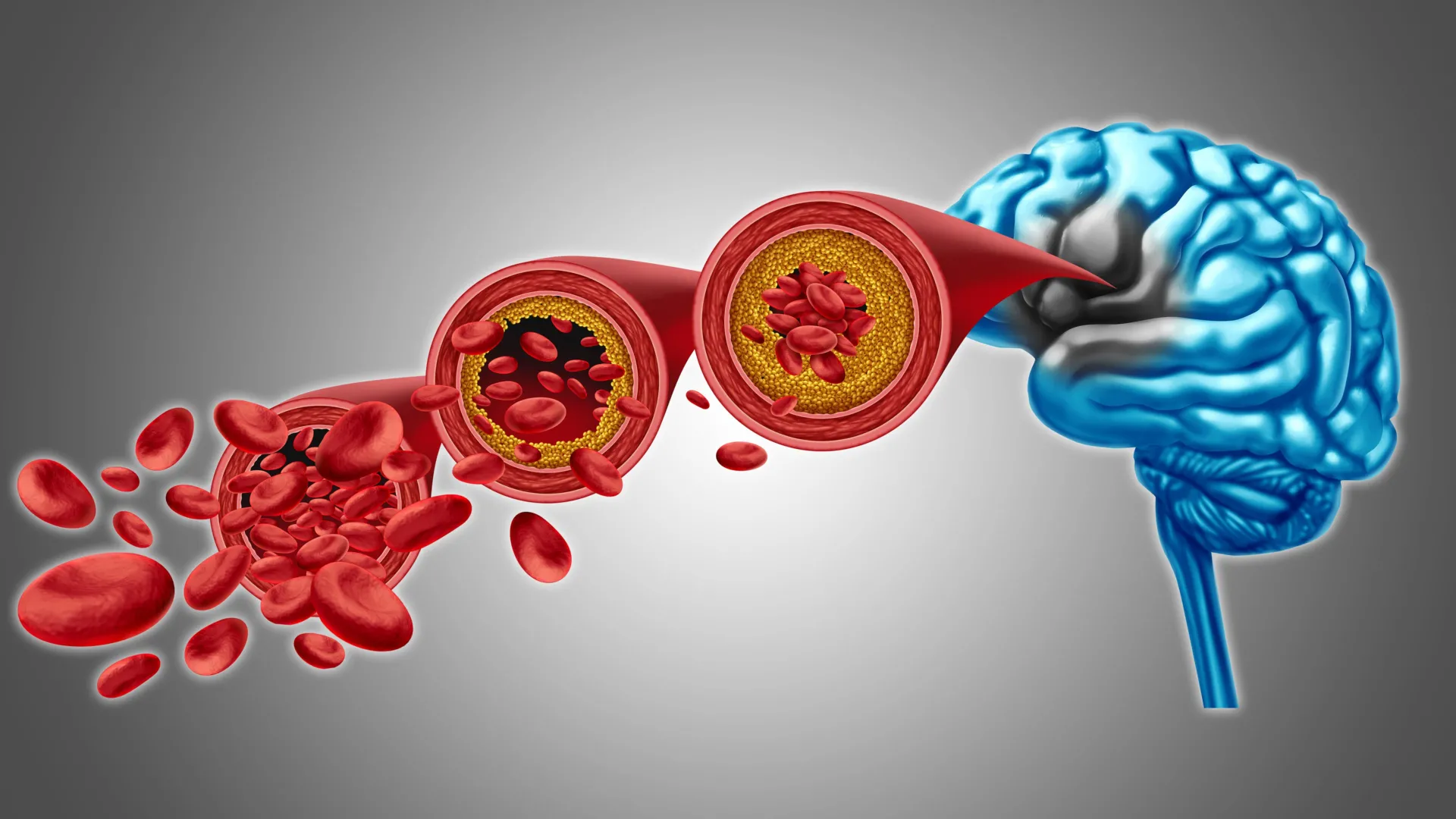
A study found that consuming a high-fat meal, like a fatty milkshake, can impair blood flow to the brain and reduce its ability to regulate blood pressure, potentially increasing the risk of stroke and dementia, especially in older adults. The research highlights the importance of a diet low in saturated fats for maintaining brain and heart health.
A study finds that even a single high-fat meal can impair blood flow to the brain, potentially increasing the risk of stroke and dementia, especially in older adults, highlighting the importance of low saturated fat intake for brain and heart health.
A study conducted on mice by researchers from the University of California Los Angeles has found that caffeine consumption can delay the onset of REM sleep and alter blood flow to the brain. The study observed that caffeine caused mice to sleep more solidly but delayed their short nap during the latter part of their awake phase. Additionally, daily caffeine administration shifted the onset of sleep, particularly REM sleep, by up to two hours relative to the light-dark cycle. The researchers also discovered that brain blood flow was higher when the mice were awake and lower during sleep, except during periods of REM sleep when there were significant increases in brain blood flow. These findings suggest that caffeine affects sleep patterns and brain function, potentially impacting overall sleep quality.