The article discusses the complex and interconnected global oil market, highlighting recent shifts such as increased demand, OPEC+ production cuts, Russia's strategic moves to export oil eastward, and the geopolitical implications for countries like the US, China, and Venezuela, amidst ongoing conflicts and energy transition efforts.
The article discusses the complex and interconnected global oil market, highlighting recent shifts such as OPEC+ production cuts, Russia's continued exports despite sanctions, and the impact of geopolitical tensions on oil prices and energy security. It emphasizes the rising demand, especially from Asia, and the strategic moves by countries like China, India, and Venezuela, while also considering the implications of energy transition policies like the European Green Deal.
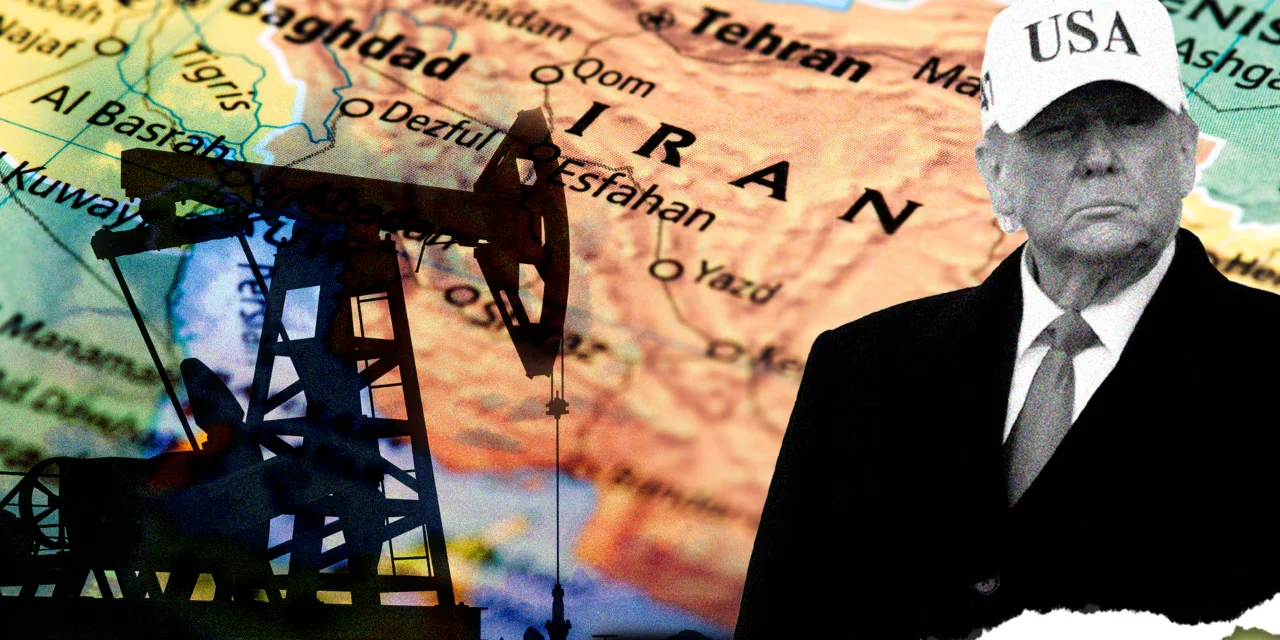
The US bombing of Iran has increased tensions in the oil markets, with potential disruptions depending on whether wider conflict ensues, though China remains the primary buyer of Iranian oil since Western sanctions. The long-term impact on oil prices remains uncertain, with risks of supply disruptions if regional fighting escalates.
The oil markets have shown little reaction to the overthrow of Syria's President Bashar al-Assad, indicating that geopolitical events in Syria are not significantly impacting global oil prices. This suggests that the market's focus remains on other factors influencing oil supply and demand.
The Middle East's market sentiment has shifted from war fears to relative calm after Iran's failed attack on Israel, with President Biden cautioning against retaliation. The CBOE Volatility Index dropped, signaling decreased tension, and equities rallied. Oil and gold prices declined, indicating a lack of widespread rush to safe-haven assets. Analysts expect reduced likelihood of further escalation, cautioning that any Israeli retaliation could have significant implications for energy markets, with potential disruptions leading to a surge in oil prices.
Oil markets rally as Israel rejects Hamas ceasefire proposal, with WTI oil moving towards $76.00 and Brent oil rebounding above $81.00 amid rising tensions in the Middle East. Meanwhile, natural gas retreats as traders react to the EIA report showing a decline in working gas in storage, with WTI oil and Brent oil gaining upside momentum due to geopolitical concerns and technical factors.
Amin Nasser, CEO of Saudi Aramco, predicts that prolonged attacks by the Houthis in the Red Sea could lead to a shortage of tankers due to longer voyages and supply delays, impacting global oil markets. He expects global oil demand to grow by 1.5 million barrels per day in 2024, tightening the market further as stocks have been depleted. Nasser sees OPEC's spare capacity as the main source to meet rising demand, and highlights the risks posed by Red Sea disruptions while expressing optimism about the healthy demand in China.
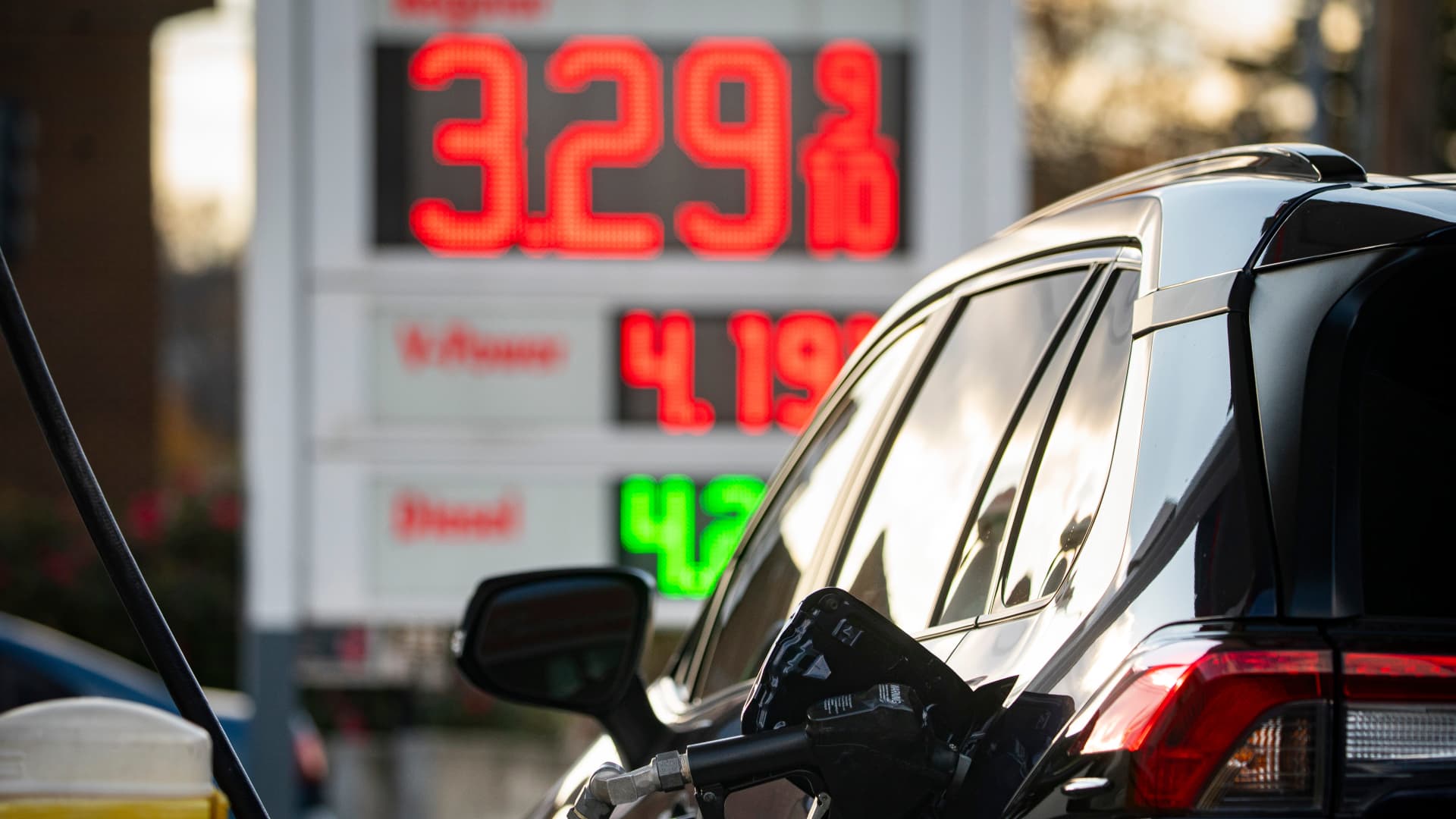
Gas prices in the U.S. have dropped 19% since September, reaching the lowest point of the year just in time for the holiday season. Prices are averaging less than $3 a gallon in over 20 states, and they could continue to fall. This decline is attributed to falling oil prices, driven by record U.S. production and a weakening economy in China. While OPEC members and allies have promised oil supply cuts, traders remain skeptical. Overall, consumers are experiencing lower gas prices compared to previous holiday seasons, and the trend is expected to continue into January.
Several OPEC+ countries, including Saudi Arabia, Iraq, and the United Arab Emirates, have announced additional voluntary cuts to the total of 2.2 million barrels per day, in an effort to support the stability and balance of oil markets. These cuts will be in effect from January to March 2024 and will gradually be returned based on market conditions. The Russian Federation has also announced a voluntary cut of 500 thousand barrels per day for the same period.
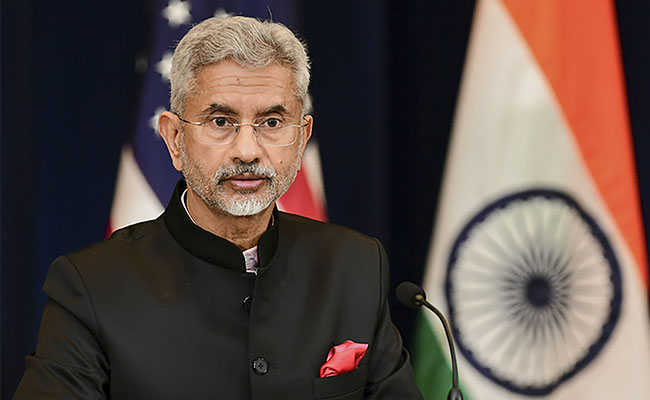
India's External Affairs Minister, S Jaishankar, claimed that India's strategic purchase policies have softened global oil and gas markets, managing global inflation. He highlighted that India's approach to oil purchases prevented a surge in global oil prices and competition with Europe. Jaishankar also discussed India's role in the Russia-Ukraine war, emphasizing the balance between principles and interests. He further underscored India's pivotal role in global institutions like the G20 and BRICS, stating that India seeks change without excessive disruption.
Gasoline prices in the United States have dropped below $3 per gallon in 11 states, with falling seasonal demand and the use of less-expensive winter-grade gas contributing to the decline. The states with average pump prices just under $3 per gallon include Alabama, Arkansas, Georgia, Kentucky, Louisiana, Mississippi, Missouri, Oklahoma, South Carolina, Tennessee, and Texas. The national average for gasoline currently sits at $3.36, compared to $3.78 one year ago. Gasoline consumption is expected to decrease next year due to remote work, improved fuel efficiency, and high inflation. Despite volatility in the oil markets, gasoline prices have remained flat or fallen since mid-September.
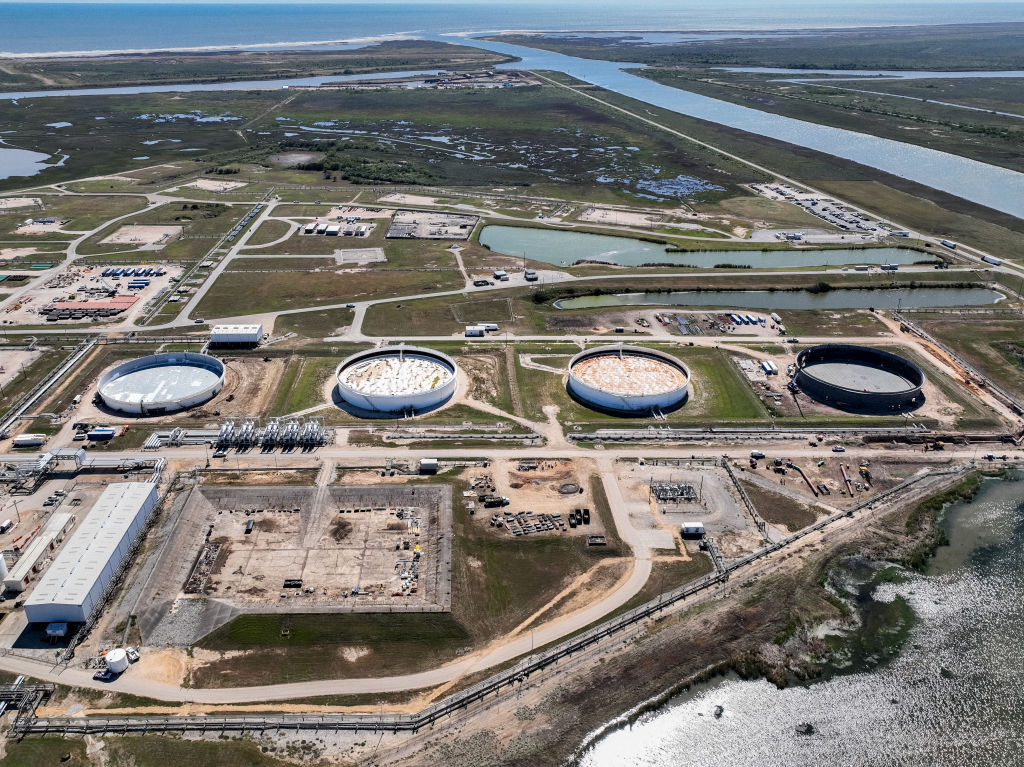
President Biden's administration sold off over 40% of the Strategic Petroleum Reserve last year, leaving it at its lowest levels since the 1980s. Republicans argue that this has made the US vulnerable to disruptions in global oil supplies, particularly amid fears of a wider regional war in the Middle East. However, the administration maintains that the reserve still holds ample crude to protect the nation's strategic needs and offer a cushion against price shocks. While some conservatives have called for abolishing the reserve, analysts warn that its diminished volumes limit Biden's options to respond to future oil market shocks.
Hedge funds are returning to the oil market with their most bullish wagers in over a year, following the extension of production cuts by Saudi Arabia and Russia, which have caused crude prices to surge 30% since mid-June. This comes after legendary oil trader Pierre Andurand suffered significant losses earlier this year due to incorrect predictions about oil prices. Despite weak global demand and sub-par recovery by the Chinese economy, oil demand has held up better than expected, particularly in gasoline and jet fuel. The U.S. shale sector is also expected to remain healthy as production costs have started to decline. However, India's slowing oil demand growth may act as a drag on oil prices. Overall, while the oil market remains tight and inventory tightening is expected to drive prices in the coming months, there is still a possibility of macro-driven volatility.
Western sanctions on Russia, particularly in the oil sector, are pushing the BRICS nations closer together. The sanctions have resulted in lower revenues and invoice prices for Russian goods, creating stronger bonds between the BRICS countries. This unintended consequence is seen as a counterforce to Western politics. The BRICS alliance, which includes Russia, Brazil, India, China, and South Africa, is considering the possibility of a common currency and reducing reliance on the U.S. dollar for global trade. However, de-dollarization is still a long way off as the U.S. dollar remains a powerful currency.
Oil markets are tightening due to continued inventory draws in the United States, despite Saudi Arabia and Russia extending production and export cuts. The Biden administration canceled oil and gas leases in the Arctic National Wildlife Refuge, causing backlash from Alaskan authorities. Iraqi Kurdistan is demanding funds from Baghdad amidst a halt in oil flows. US airline companies warn of the negative impact of higher jet fuel prices. India is increasing purchases of natural gas due to power outages caused by dry weather. French nuclear power generation has recovered, while Canada's Enbridge is acquiring three utility companies. Orsted threatens to walk away from US wind projects without more support. The platinum market is facing a record deficit, and the Middle East is investing in carbon capture. Shell and Trinidad and Tobago's national gas company plan to invest in Venezuela's Dragon gas project. The Trans Mountain Pipeline in Canada will be delayed, and Repsol enters the US onshore wind market. Shell's Prelude LNG facility undergoes maintenance amidst strikes.