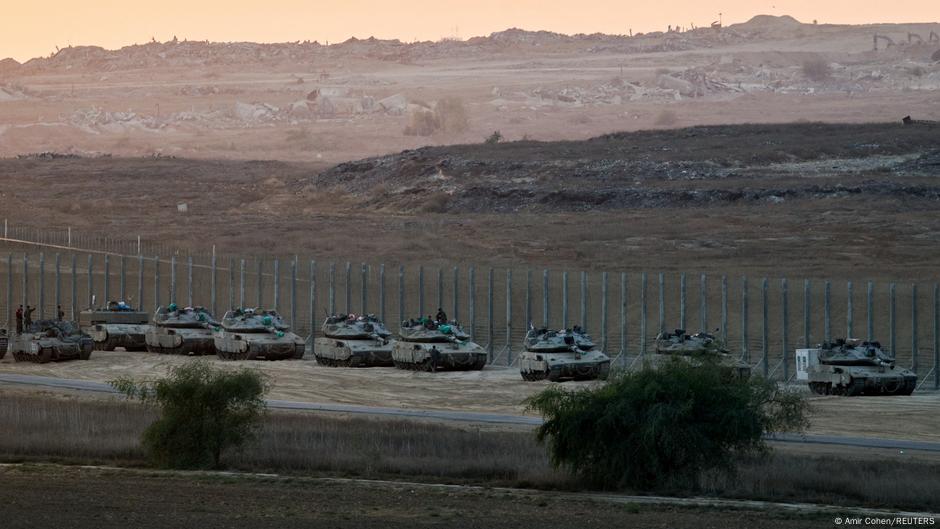
Despite ongoing violence and ceasefire violations in Gaza, US President Trump claims the ceasefire remains intact, while Israeli and Hamas officials continue to exchange blame for recent clashes. High-level US diplomatic efforts are underway, and aid to Gaza is set to resume amid international pressure to maintain peace.
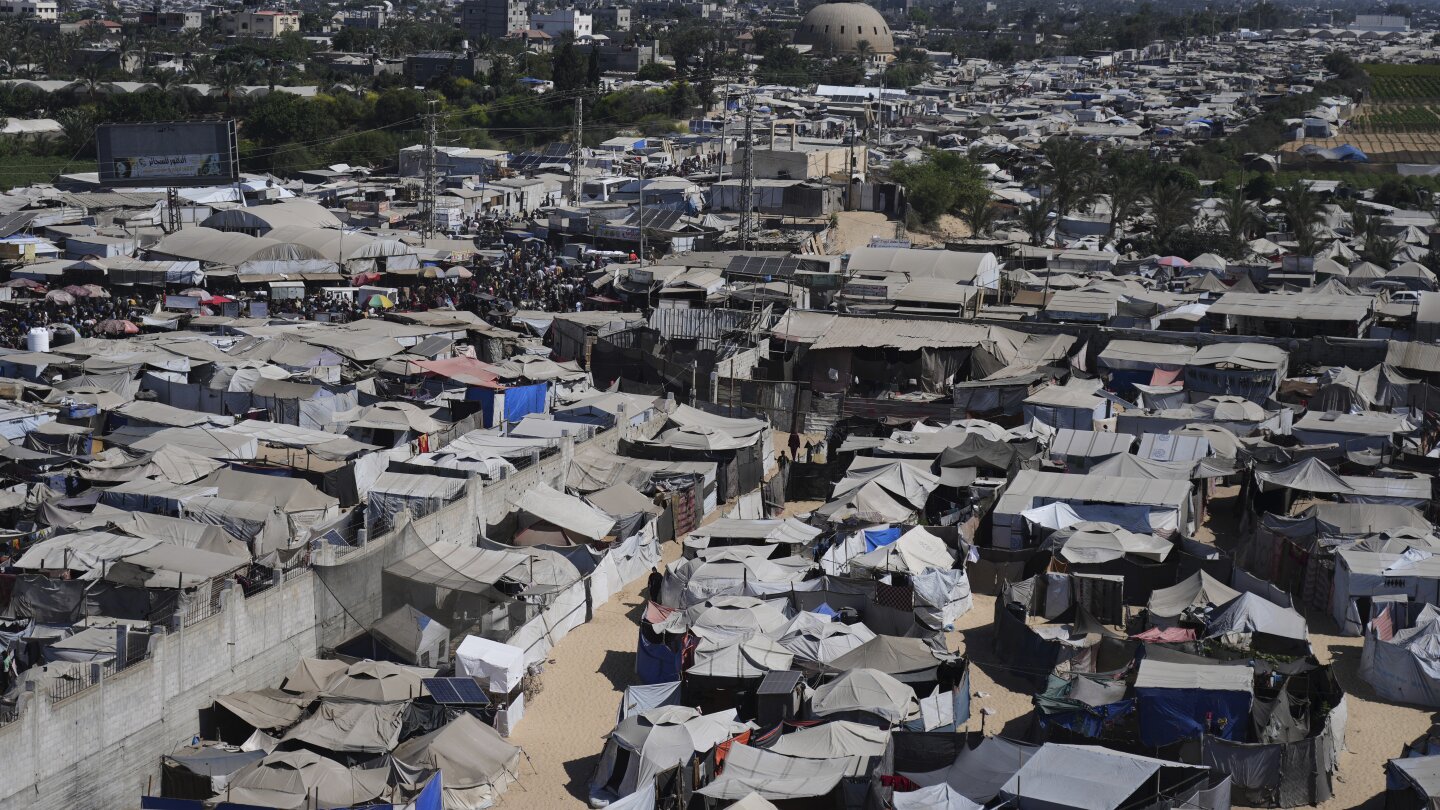
European Commission President Ursula von der Leyen plans to seek sanctions and trade suspensions against Israel over Gaza, amid ongoing violence including Israeli airstrikes in Yemen killing dozens, attacks on Qatar's Hamas leadership, and regional tensions involving Hezbollah and the UAE. The conflict has caused mass displacement in Gaza, international condemnations, and strategic shifts in Middle East diplomacy.
Most Asia-Pacific markets declined amid ongoing Middle East tensions, while US markets remained stable with cautious Federal Reserve comments on interest rates. Notable stories include falling rice prices in Japan, a forecasted 20% decline in gold prices by 2026, and semiconductor stocks rising after Nvidia's record high. Fed Chair Jerome Powell emphasized a cautious approach to rate cuts, amidst political pressures and global economic signals.
Wall Street's indexes were mixed amid easing Middle East tensions and Federal Reserve Chair Powell's cautious remarks on tariffs and interest rate cuts, with tech stocks rising and some sectors like real estate declining due to weaker sales data.
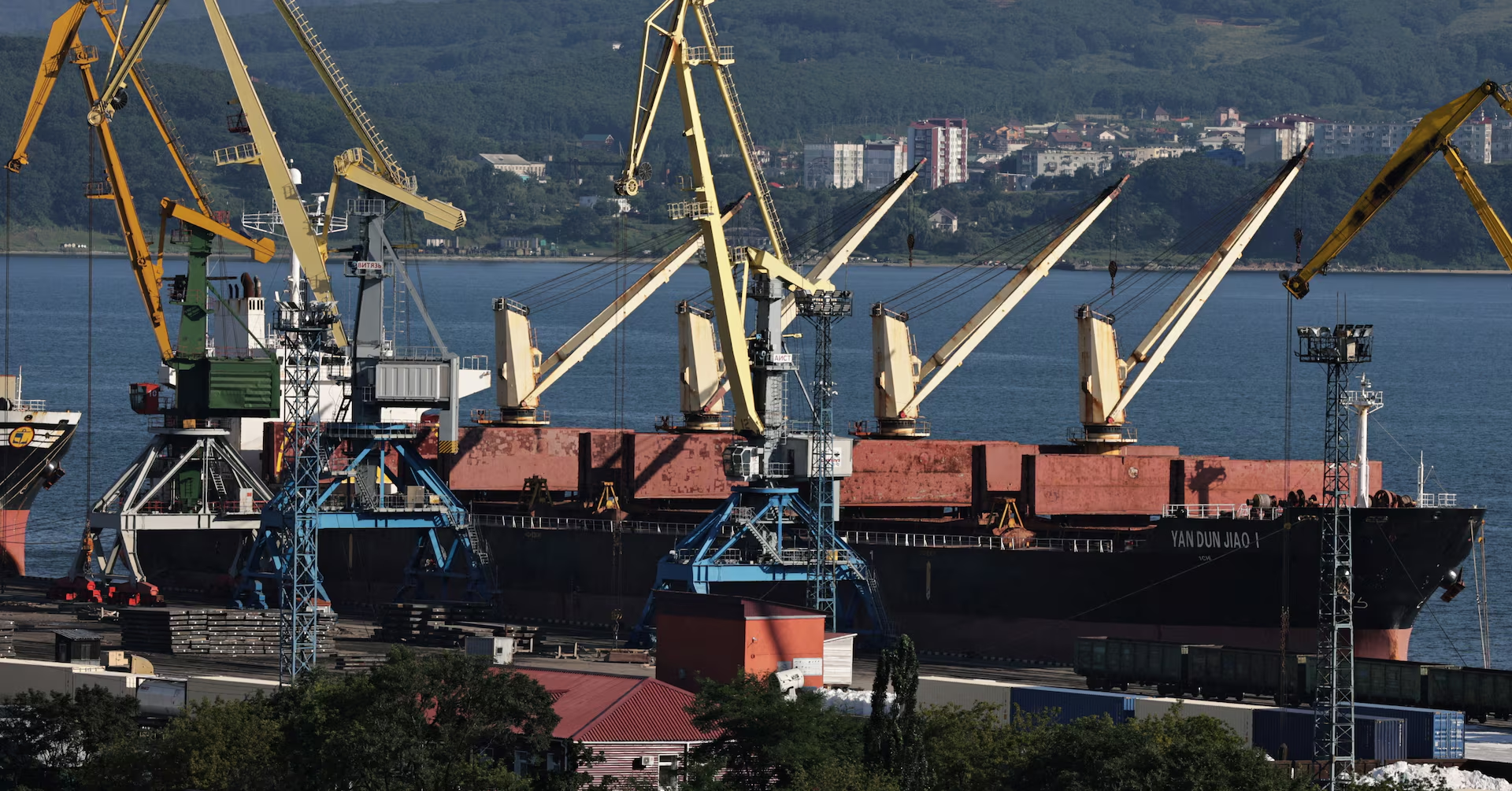
China is closely monitoring the Israel-Iran conflict due to its significant reliance on Iranian oil, which it continues to import through a complex network of ships and private refineries despite U.S. sanctions. China’s strategic interest in Iran is driven by economic and political considerations, including maintaining regional stability and securing energy supplies, with the country also stockpiling oil to buffer against potential disruptions.
Following Iranian missile attacks in response to US strikes on nuclear facilities, networks shifted focus to Qatar where air defenses intercepted missiles near US bases. Trump downplayed the attack, claiming Iran had 'gotten it all out of their system' and expressed hope for regional peace amid ongoing tensions.
Air India has rerouted flights to Europe and North America via the Red Sea corridor due to geopolitical tensions involving Iran, Israel, and the US, leading to longer routes, a 15% reduction in long-haul flights, and widespread cancellations and route adjustments by other international airlines amid escalating Middle East conflicts.
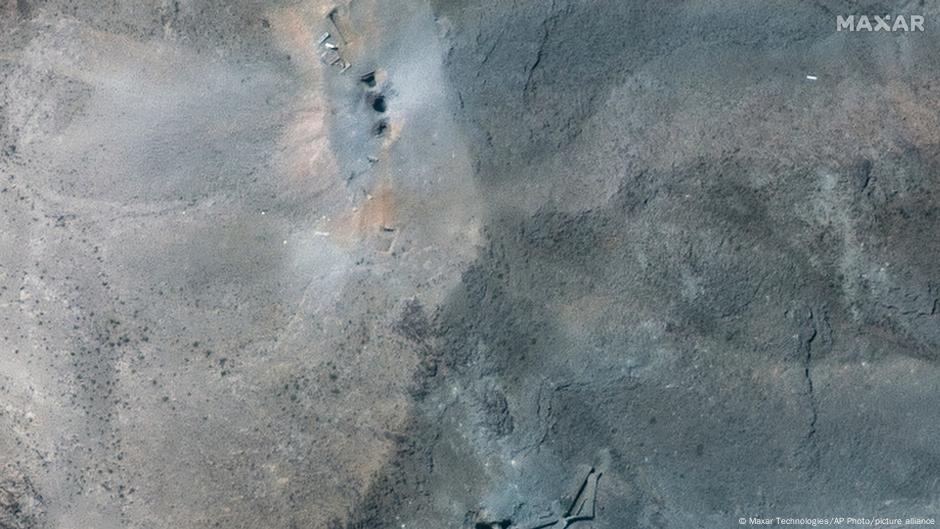
The US has conducted significant military strikes on Iran's nuclear sites, marking a historic escalation in their long-standing tension. Iran's next move could be decisive, with potential retaliation that risks broader regional conflict, especially given recent Israeli attacks and US pressure. Diplomatic efforts are strained, and the situation remains highly volatile, with global implications.
Iran demands a response from the US following recent strikes on its nuclear sites, with tensions escalating as Iran considers closing the strategic Strait of Hormuz, and Israel expands its attacks on Iran. The US has organized significant military operations, and international voices warn of a dangerous cycle of retaliation in the region.
The article reports on recent US airstrikes on Iran's nuclear facilities, Iran's response including threats to close the Strait of Hormuz, increased regional tensions, Israeli strikes in Iran, and international reactions condemning the US actions, which have significantly escalated the conflict in the Middle East.
Global Brent crude oil prices have risen by about 20% in June due to escalating tensions between Israel and Iran, raising concerns about potential supply disruptions and their impact on inflation and economic growth. While the rise has been gradual, the risk of disruptions, especially through key shipping routes like the Hormuz Strait, could push prices above $100, affecting global markets, currencies, and economies, particularly in oil-importing countries. Stock markets remain relatively stable, with energy and defense stocks outperforming, but concerns about inflation and economic growth persist.
U.S. stock futures declined amid concerns over the Israel-Iran conflict, with President Trump expected to decide on potential military action within two weeks. Oil prices fell slightly despite ongoing regional tensions, and European efforts to ease tensions continue. Additionally, Home Depot is reportedly bidding for GMS, and SoftBank's Son is proposing a $1 trillion AI hub in the U.S.
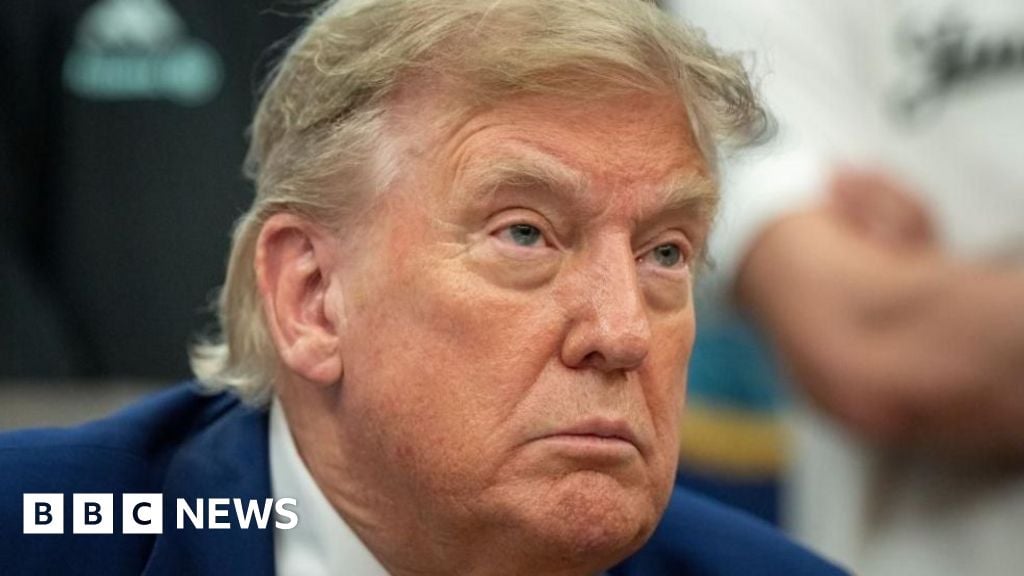
US President Donald Trump is considering whether to involve the US militarily in the Iran-Israel conflict within two weeks, amid ongoing tensions, Iran's nuclear ambitions, and diplomatic efforts, with no final decision made yet.
Major cryptocurrencies like ETH, ADA, and SOL declined over 1% amid escalating Middle East tensions and fears of U.S. military action against Iran, prompting a flight to safety into Bitcoin and stablecoins. Despite ETF inflows and a relatively stable year-to-date performance, market uncertainty persists due to geopolitical risks and inflation concerns highlighted by the Federal Reserve.
Air India is canceling about 15% of its international wide-body flights over the next few weeks due to recent aircraft accidents, safety inspections, and geopolitical tensions in the Middle East, aiming to restore operational stability and passenger confidence.