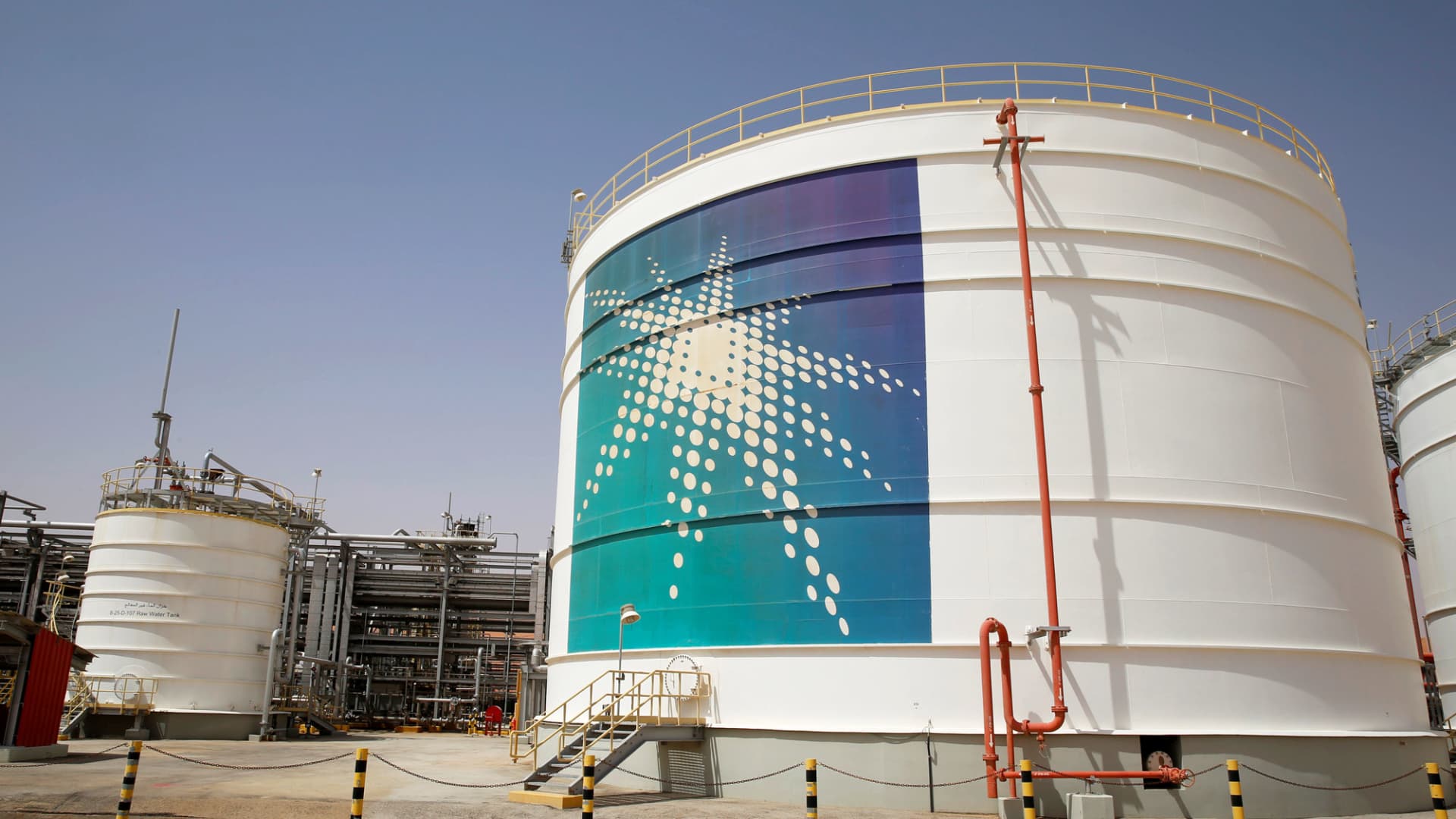
Saudi Aramco reported a 0.9% increase in third-quarter net profit to $27.98 billion, surpassing expectations due to higher production despite declining oil prices. The company also announced a dividend and made strategic acquisitions, including a stake in Petro Rabigh and an AI firm, amid OPEC+ production adjustments and Western sanctions on Russia.
Saudi Arabia's Aramco is maintaining its $31 billion dividend payout to support state finances, despite rising debt and a challenging oil market outlook.
Saudi Arabia is testing international investor interest with a $13.1 billion share sale in its energy giant Aramco, offering up to 0.7% of the company. The sale, part of the kingdom's economic diversification efforts, will gauge foreign interest amid environmental and governance concerns. Most buyers are expected to be Saudis, indirectly funding the Vision 2030 projects. The sale coincides with an OPEC+ meeting on production policies.
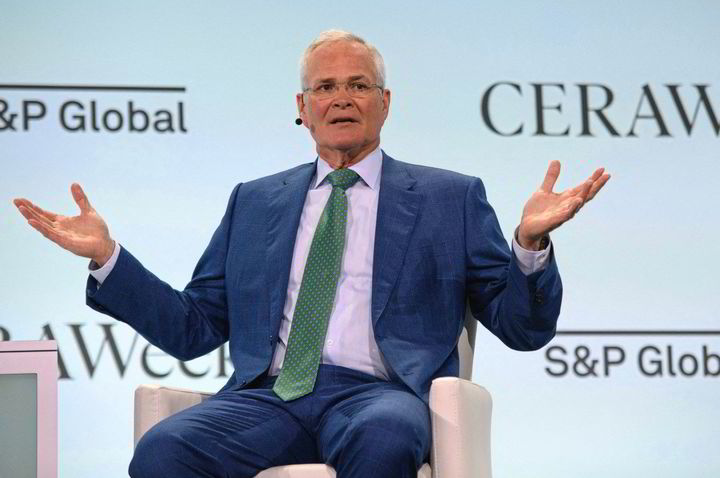
ExxonMobil and Aramco CEOs expressed skepticism about the affordability of green hydrogen as a replacement for fossil fuels, citing high costs and a lack of willingness to pay for emissions reduction. They emphasized the need for significant government incentives and long-term offtake agreements to make renewable hydrogen financially viable, and criticized the current energy transition strategy as failing. Additionally, Exxon stated it would not produce blue hydrogen without changes to proposed guidelines for accessing hydrogen production tax credits, raising questions about the eligibility of blue hydrogen for subsidies.
Saudi oil giant Aramco reported a $121 billion profit in 2023, its second highest on record, attributing the decrease from 2022 to lower energy prices and production volumes. Despite the dip, the company increased dividends to over $31 billion in the fourth quarter. Aramco's overall revenue was $440 billion, down from $535 billion in 2022, with plans to discuss its results in a conference call. The company's output remains at 12.8 million barrels of oil a day, as it adheres to Saudi government orders to maintain production levels. Saudi Arabia, a key OPEC member, continues to collaborate with Russia and others to limit production and bolster global oil prices. Crown Prince Mohammed bin Salman aims to diversify the kingdom's economy away from oil sales through ambitious projects like the futuristic city Neom, while activists criticize the profits amid climate change concerns.
Despite a 24.7% drop in net profit to $121.3 billion in 2023, Saudi Arabia's state-owned oil giant Aramco increased its dividend by 30% to $97.8 billion, showing the state's continued reliance on oil revenue as it seeks to diversify. The company's profit, although lower than in 2022, was still its second-highest on record. Aramco's capital investments are forecasted to be between $48 billion and $58 billion in 2024, with a focus on upstream investments including gas. The Saudi government, which directly holds about 82.2% of Aramco, relies heavily on the oil giant's generous payouts, and is considering selling more shares of Aramco.
Saudi oil giant Aramco reported a 25% decline in profit to $121.3 billion in 2023, down from $161.1 billion in 2022, but still representing its second-highest net income on record. Despite the earnings decline, Aramco raised its dividend payout to $31 billion, with the Saudi government receiving a significant portion. The company also transferred an additional 8% of shares to Saudi Arabia's Public Investment Fund, strengthening the fund's financial position and boosting its ability to invest on behalf of the Saudi state. Aramco confirmed it would halt plans to raise its oil production capacity and instead focus on increasing gas production and growing its liquids-to-chemicals business.
Saudi oil giant Aramco announced a $121 billion profit for last year, down from its 2022 record, due to lower energy prices. Despite the decrease, it marked the company’s second highest ever result, and it boosted dividends to over $31 billion in the fourth quarter. The company's overall revenue was $440 billion, down from $535 billion in 2022. Saudi Arabia, a leader in the OPEC cartel, has allied with Russia and others outside of the group to keep production down to boost global oil prices. Crown Prince Mohammed bin Salman aims to pivot the kingdom off oil sales with ambitious projects, while activists criticize the profits amid global concerns about climate change.
Nvidia surpassed a $2 trillion market cap, making it the world's third most valuable company, overtaking Saudi Aramco. The chipmaker's success is attributed to beating analysts' expectations and the booming AI industry. Despite concerns about competition and a potential tech bubble, Nvidia's revenues soared by 270% from the previous year, driven by strong demand for its chips from major tech companies.
Saudi's state-controlled oil giant Aramco suspended its capacity expansion plans due to the green transition, with Energy Minister Abdulaziz bin Salman emphasizing the shift towards renewables for future energy security. The decision to halt the increase in crude production capacity was a result of continuous market review, reflecting the evolving energy landscape. Saudi Arabia aims to decarbonize by 2060, with Aramco targeting operational net-zero emissions by 2050, aligning with efforts to diversify the kingdom's economy away from fossil fuels.
Saudi Arabia's energy minister cited the energy transition as the reason for the kingdom's U-turn on its oil capacity expansion plans, stating that there is a "huge cushion" of spare capacity to cushion the oil market. The state oil company Aramco remains ready to raise capacity if needed, with about 3 million barrels of spare capacity. The minister criticized the International Energy Agency's decision to release oil from emergency reserves to cool global prices and downplayed suggestions that oil demand will peak soon. Additionally, the possibility of a further offering of Aramco shares this year remains a "shareholder decision."
Saudi Arabia's decision to halt plans to boost its maximum sustainable oil production capacity to 13 million barrels per day was driven by uncertainty over the market's need for additional spare capacity, with the possibility of a future increase. The kingdom's spare capacity had not been fully monetized, and the decision was made at the top level. This move reflects a recognition within OPEC+ of challenges in the market, as the alliance has cut oil output despite rising demand and non-OPEC supply. Saudi Arabia's state oil giant Aramco is expected to revise its capital expenditure downwards following the capacity decision, as the kingdom faces a budget deficit amid lower crude production and global prices.
Aramco has been directed by the Ministry of Energy to maintain its Maximum Sustainable Capacity at 12 million barrels per day, as per the Hydrocarbons Law, and not to increase it to 13 million barrels per day. The company will update its capital spending guidance when its full-year 2023 results are announced in March.
Saudi Arabia's state-controlled Aramco has halted plans to increase its crude production capacity from 12 million to 13 million barrels per day, following a directive from the Saudi Ministry of Energy. The decision comes amid concerns over global oil demand and a transition towards decarbonization. This move impacts the OPEC+ coalition's strategy and Saudi Arabia's economic diversification efforts under the Vision 2030 program.
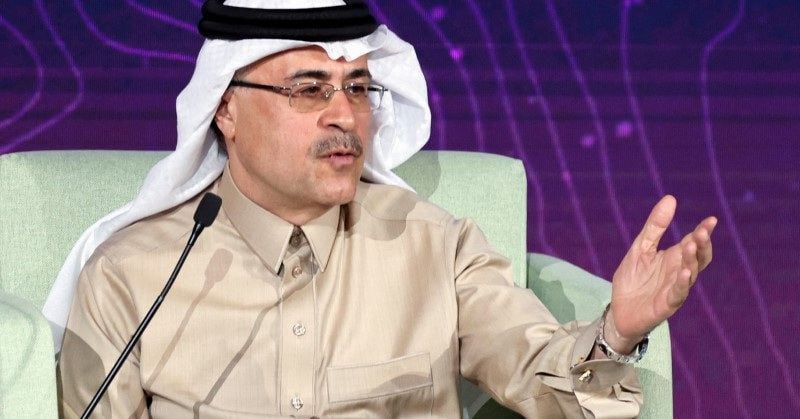
Amin Nasser, CEO of Saudi Aramco, predicts that prolonged attacks by the Houthis in the Red Sea could lead to a shortage of tankers due to longer voyages and supply delays, impacting global oil markets. He expects global oil demand to grow by 1.5 million barrels per day in 2024, tightening the market further as stocks have been depleted. Nasser sees OPEC's spare capacity as the main source to meet rising demand, and highlights the risks posed by Red Sea disruptions while expressing optimism about the healthy demand in China.