Tag

De Dollarization

All articles tagged with #de dollarization

world10 days ago

Trump's Venezuela Oil Strategy Sparks Market Turmoil

The article argues that the US invasion of Venezuela is primarily driven by the desire to protect the US dollar's dominance through the petrodollar system, which is under threat as Venezuela and other countries move away from dollar-based oil transactions and join de-dollarization efforts with BRICS. Historically, challenges to the petrodollar have led to regime changes, and the current invasion is seen as a last-ditch effort to maintain US economic hegemony through violence and control of strategic resources. The article suggests this may accelerate global de-dollarization and weaken US influence.

finance5 months ago

Dollar Decline Continues Amid Global and Political Shifts

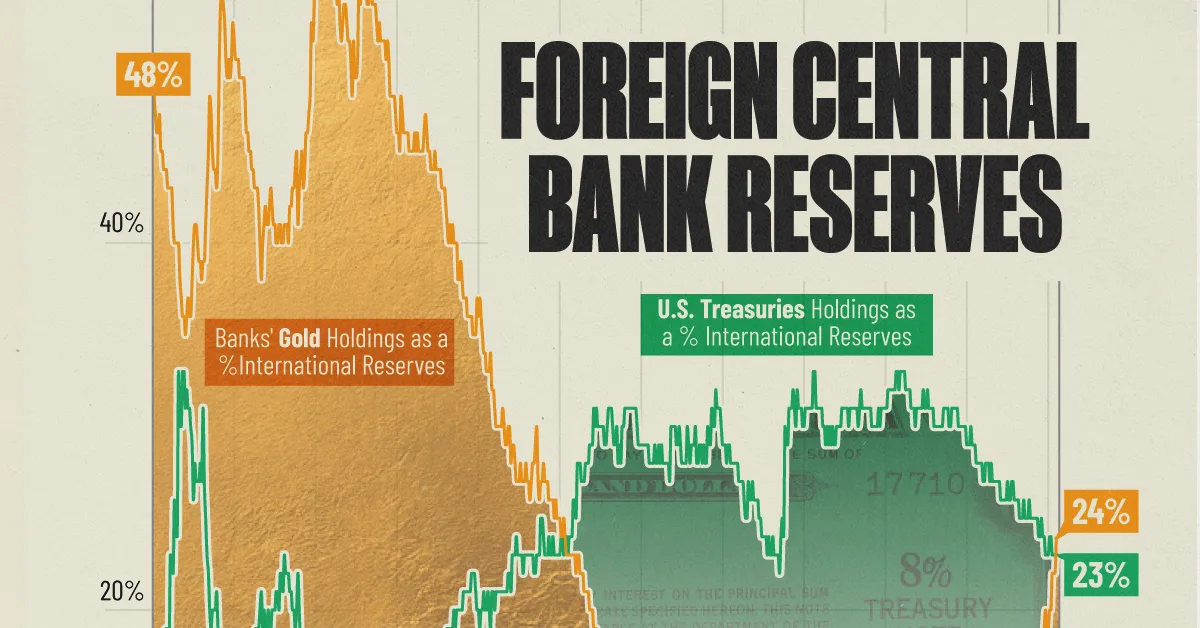
Despite ongoing trade deals, the dollar continues to weaken, dropping over 10% this year, which may signal a shift towards de-dollarization driven by policy uncertainty. This trend could impact global markets, increase borrowing costs, and underscores the importance of diversification in investing. While the dollar's decline might not be permanent, it highlights the need for cautious, diversified investment strategies amid changing global economic dynamics.

international-relations1 year ago

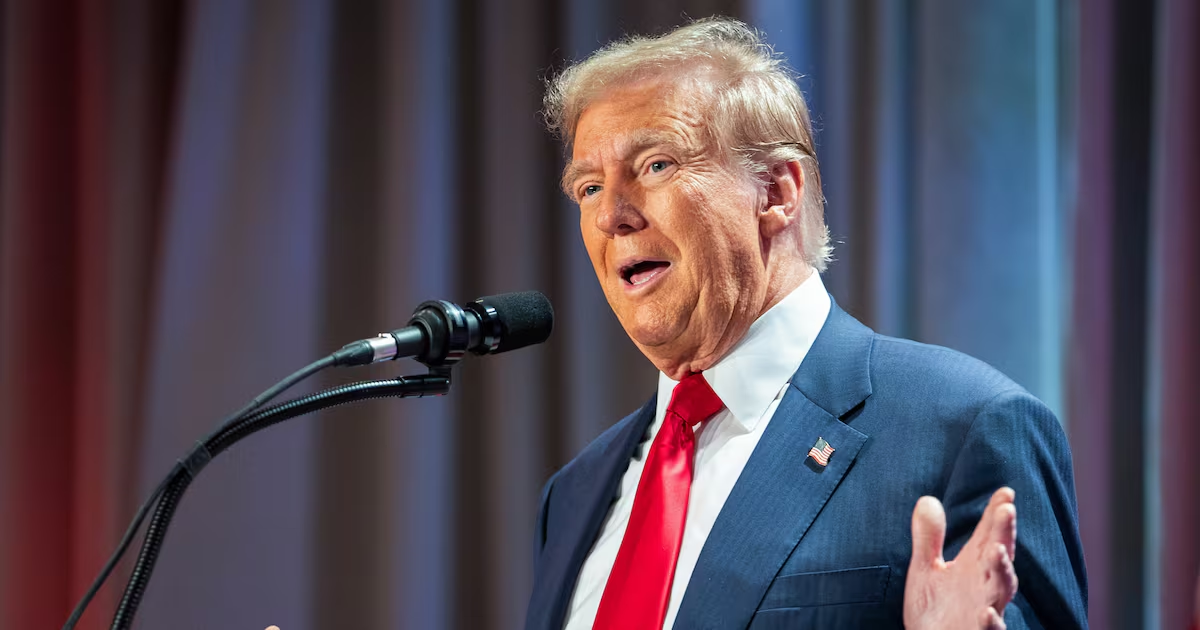
Trump Warns BRICS of 100% Tariffs Over Dollar Replacement Plans

President-elect Donald Trump has threatened to impose 100% tariffs on BRICS countries, including Russia and China, unless they commit to using the U.S. dollar as their reserve currency. This move comes as the BRICS nations have been exploring alternatives to the dollar for global trade, a concept known as 'de-dollarization.' Trump's ultimatum follows discussions with Canadian and Mexican leaders about tariffs related to migration and drug trafficking issues. Economists remain skeptical about the BRICS' ability to create a currency that could rival the dollar.

cryptocurrency1 year ago

Bitcoin Futures Trading Surges After Crypto Spot ETF Launch

Morgan Stanley suggests that the recent approval of new spot Bitcoin ETFs marks a potential paradigm shift in the global financial system, with Bitcoin potentially becoming an alternative to the U.S. dollar. The report highlights the de-dollarization thesis, arguing that there's room for digital assets like Bitcoin to play a bigger role in the global economy. While there's no guarantee of Bitcoin's future value or role, adopting a long-term buy-and-hold strategy may allow investors to participate in the potential upside of digital assets.

finance2 years ago

China's Belt and Road: From Dedollarization to Global Influence

China signed a series of yuan-denominated loans at the Belt and Road Initiative forum, marking a shift away from the US dollar and accelerating efforts to de-dollarize global finance. The loans, signed by China's policy banks, included agreements with Malaysia's Maybank, Egypt's central bank, BBVA Peru, and Saudi National Bank. China also allocated an additional 80 billion yuan ($10.94 billion) for its Silk Road Fund. These moves align with China's goal to internationalize the yuan and reduce reliance on the dollar, as evidenced by the increasing use of the yuan in international payments and the establishment of currency swap agreements and yuan-clearing arrangements with partner countries.

geopolitics2 years ago

"BRICS Alliance: Impact of Western Sanctions, Single Currency, Expansion, De-Dollarization, and AU's Involvement"

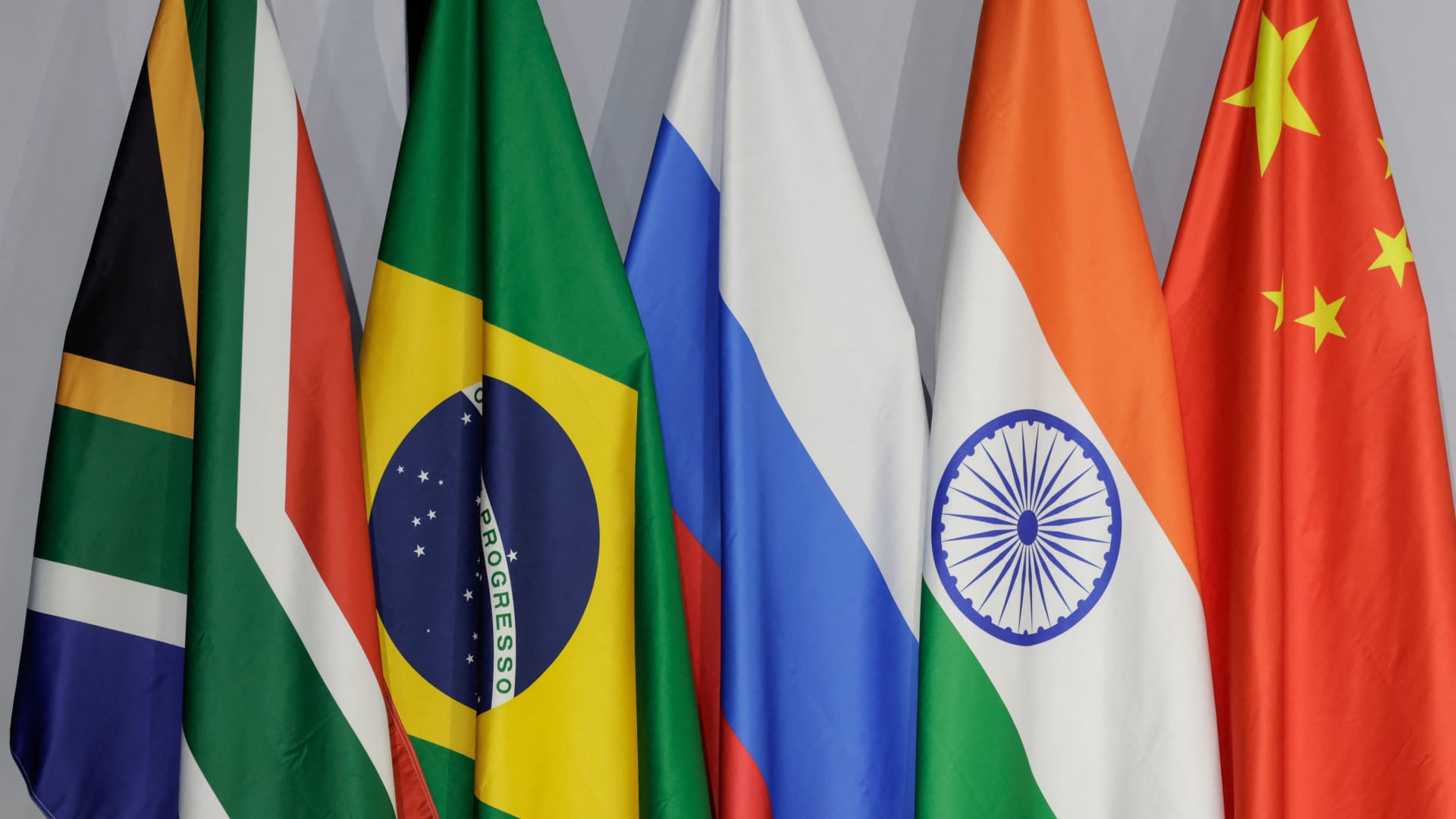
Western sanctions on Russia, particularly in the oil sector, are pushing the BRICS nations closer together. The sanctions have resulted in lower revenues and invoice prices for Russian goods, creating stronger bonds between the BRICS countries. This unintended consequence is seen as a counterforce to Western politics. The BRICS alliance, which includes Russia, Brazil, India, China, and South Africa, is considering the possibility of a common currency and reducing reliance on the U.S. dollar for global trade. However, de-dollarization is still a long way off as the U.S. dollar remains a powerful currency.

finance2 years ago

Dollar's Resilience Surprises Critics and Black Market Traders

The U.S. dollar is defying expectations and gaining strength against major currencies, reaching its highest level in six months. Despite efforts by China and Russia to promote de-dollarization, data from SWIFT shows that the dollar remains popular for international trade and transactions. The dollar's resilience has disappointed those who predicted its weakening, and with rising real yields and strong economic growth in the U.S., it is expected to continue climbing. Factors such as interest-rate differentials and relative economic strength contribute to the dollar's strength.

international-relations2 years ago

World Leaders Discuss De-Dollarization at BRICS Summit

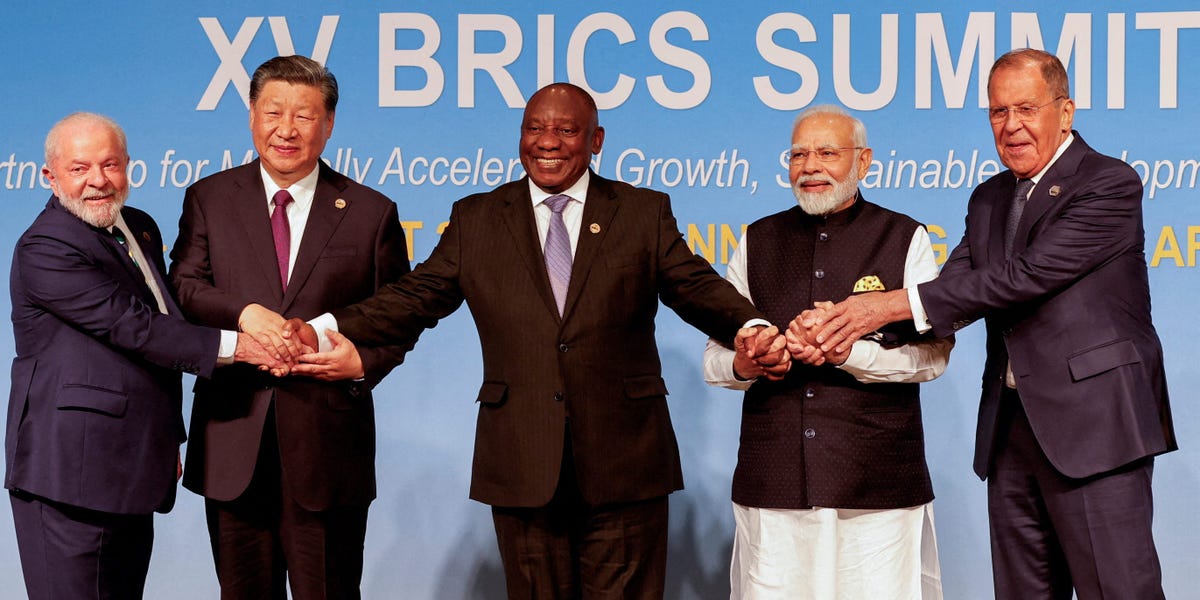
The BRICS summit saw discussions on de-dollarization, with leaders expressing differing opinions on the matter. Brazil's President called for a common BRICS currency, while Russia's President Putin emphasized the irreversible nature of de-dollarization within the bloc. India's oil minister acknowledged the difficulty of overturning longstanding payment arrangements, and China's President Xi promoted reform of the global financial system without advocating for a replacement of the dollar. South Africa's finance minister dismissed the idea of a BRICS currency, favoring increased trade in local currencies instead. Economist Jim O'Neill criticized the notion of a common BRICS currency, citing political differences between China and India as a major obstacle.

economics2 years ago

BRICS' Oil Exporters Shift to Local Currency Settlements, Challenging US Dollar Dominance

With major oil exporters such as Iran, Saudi Arabia, and the United Arab Emirates joining BRICS, analysts believe that a wider adoption of local currencies for trade among BRICS countries, rather than using the US dollar, is becoming more natural. This shift towards local currency settlements could reduce transaction costs and weaken the role of the US dollar as the global reserve currency. The trend of reducing holdings of US Treasuries has already emerged, with countries like Saudi Arabia and the UAE selling off significant amounts of US debt. The de-dollarization trend is seen as a response to the US' unilateral financial sanctions and the economic instability caused by unlimited quantitative easing and interest rate hikes.

economics2 years ago

BRICS Discusses Common Currency, but De-dollarization Remains Distant, Says Indian Minister

Indian Oil and Gas Minister Hardeep Singh Puri expressed his personal desire to transact everything in Indian rupees, but acknowledged that de-dollarization, or moving away from the U.S. dollar for trade settlements, is still a distant goal. While some oil trades have been settled in currencies like the Chinese yuan or Indian rupee, Puri believes that the U.S. dollar will remain the dominant currency for international oil transactions. He noted that the Indian rupee's prominence in the global market is a long journey, given the size of India's economy and its external sector. The BRICS summit discussed the possibility of a common currency, but Puri emphasized that existing trading and payment arrangements have been in place for a long time.

international-relations2 years ago

Putin's Absence at BRICS Summit Doesn't Stop Him from Criticizing the West and US Dollar

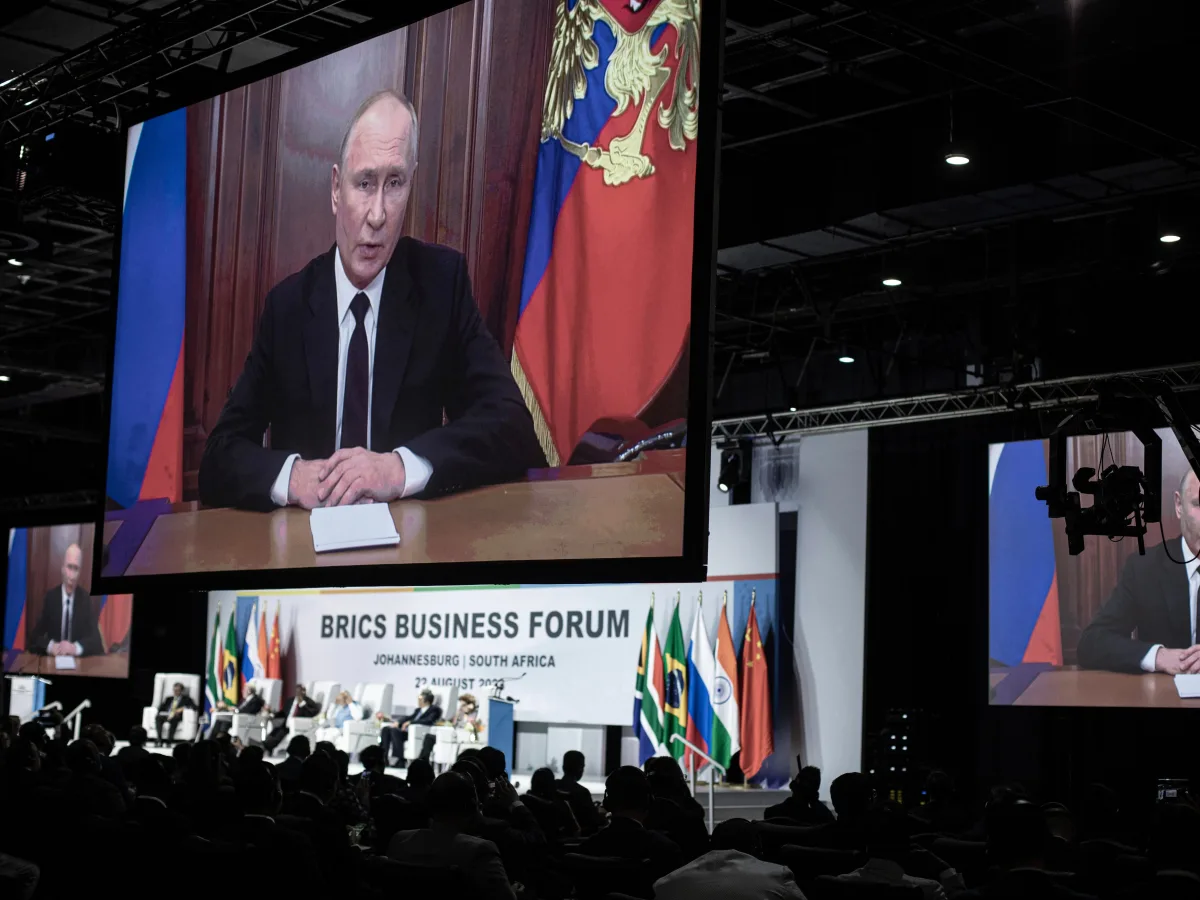
Russian President Vladimir Putin delivered a prerecorded speech at the BRICS summit, criticizing Western sanctions and advocating for de-dollarization. Putin was unable to attend the summit in person due to the risk of arrest. He emphasized the importance of the BRICS bloc as an alternative to the Western order and expressed support for adding new members. The BRICS bloc represents 40% of the world's population and a quarter of global GDP.

economics2 years ago

Debunking the Myth of De-Dollarization: Hugh Hendry's Perspective on the BRICS Summit

As the BRICS summit takes place, discussions around membership expansion and de-dollarization are at the forefront. However, Hugh Hendry, Founder of Eclectica Macro, argues that de-dollarization is detached from economic logic and reason, stating that those who see it as a major threat have no understanding of how the world works. Hendry believes that the BRICS countries lack the necessary depth in their markets and currency trading to make de-dollarization a viable strategy. He also highlights the importance of America's democratic system and open capital markets in maintaining the dollar's status as the dominant currency.