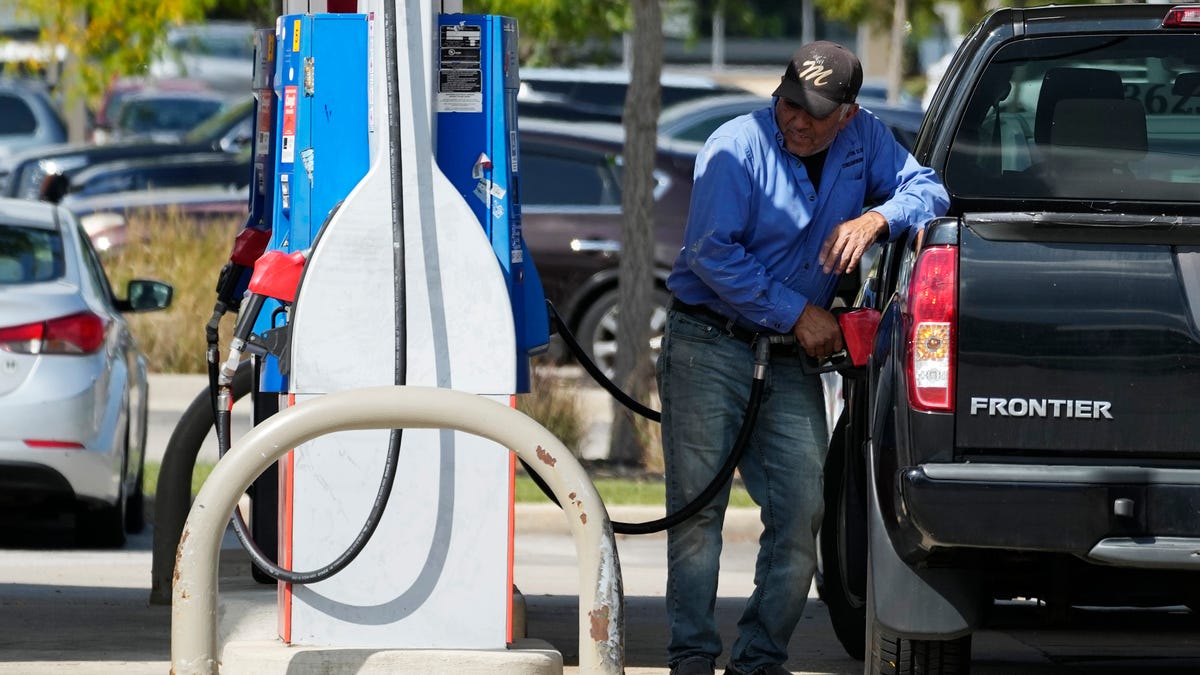
Gas prices in Michigan have hit a yearly high for the third consecutive week, with the statewide average for regular unleaded gas at around $3.65 per gallon. The spike is attributed to increased gas demand and a decrease in total gas stocks, as well as the annual switch from cheaper winter fuel to more expensive summer fuel. Drivers are feeling the impact as they prepare for spring break travel, with hopes that prices will eventually dip below $3 per gallon later in the year.
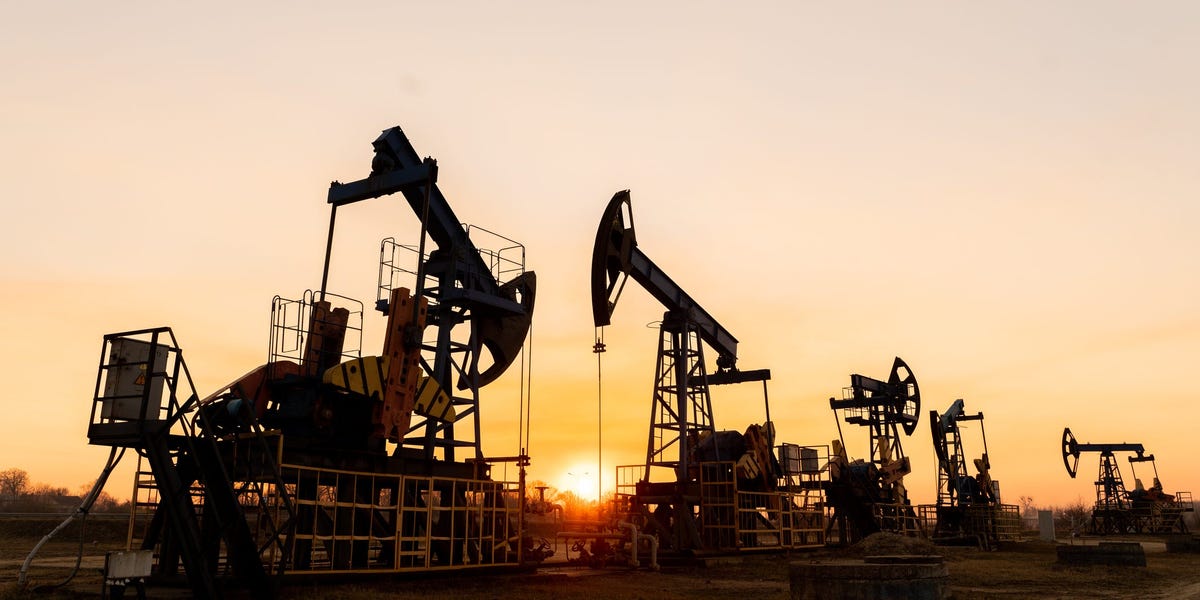
The US has maintained its position as the world's largest oil producer for six consecutive years, with its 2023 production reaching a record high unlikely to be surpassed by any global competitor in the near future, according to the Energy Information Administration. Despite a slowdown in growth, technological advancements have made US production more efficient, leading to a remarkable turnaround from a 62-year low in 2008. However, the future of US production remains uncertain due to factors such as private operations, merger activity, and changing financial priorities of public companies.
Crude oil prices rose as the Energy Information Administration reported inventory draws in gasoline and middle distillate stocks, with a build of 1.4 million barrels in crude oil. Traders shifted focus to the latest OPEC+ meeting and the decision to continue withholding 2.2 million bpd from the global market, leading to a rise in prices despite concerns over Chinese economic growth measures. Analysts suggest signs of a tightening oil market and the impact of ongoing production cuts.
Gas prices in Michigan have surged by 26 cents from last week, reaching a 2024 high of $3.26 per gallon for regular unleaded, with increased demand and reduced supply contributing to the spike. The Energy Information Administration's data indicates higher gas demand and tighter supply, while the continued shutdown of BP's Whiting, Indiana, refinery is also impacting prices. Motorists are paying an average of $48 for a full 15-gallon tank of gasoline, with the potential for further increases if demand and crude oil prices continue to rise.
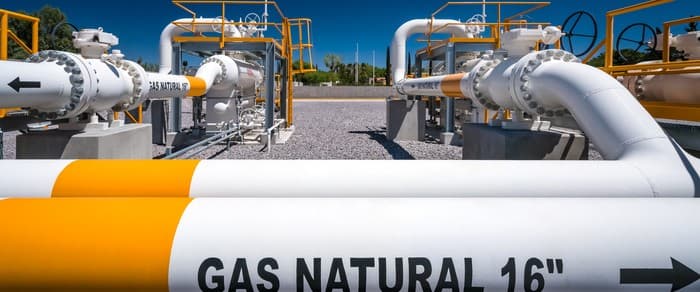
The Energy Information Administration reported that the United States set a new record for natural gas consumption on January 16, 2024, with 141.5 billion cubic feet consumed in the Lower 48 states. Extreme weather conditions drove up demand, with residential and commercial users accounting for nearly half of the consumption. This surge in consumption also led to near-record levels of natural gas being withdrawn from underground storage. The International Energy Agency forecasts a 2.5% growth in global natural gas consumption for 2024, following a 0.5% growth in 2023.
The Biden administration has declared an "emergency" and issued a data collection request to bitcoin and crypto miners, seeking information on their energy usage, following a surge in bitcoin's price. This move has sparked fears of a government crackdown on the bitcoin mining industry, with some seeing it as a battle between bitcoin and the U.S. dollar. The surge in the supply of U.S. dollars and debt has galvanized bitcoin supporters who fear the imminent collapse of the U.S. dollar, while the bitcoin price has rocketed back, boosting the wider crypto market.
Gasoline prices in the United States have dropped below $3 per gallon in 11 states, with falling seasonal demand and the use of less-expensive winter-grade gas contributing to the decline. The states with average pump prices just under $3 per gallon include Alabama, Arkansas, Georgia, Kentucky, Louisiana, Mississippi, Missouri, Oklahoma, South Carolina, Tennessee, and Texas. The national average for gasoline currently sits at $3.36, compared to $3.78 one year ago. Gasoline consumption is expected to decrease next year due to remote work, improved fuel efficiency, and high inflation. Despite volatility in the oil markets, gasoline prices have remained flat or fallen since mid-September.
U.S. crude oil production reached a record high in August, surpassing pre-pandemic levels, with field production reaching 404.6 million barrels, averaging 13.05 million barrels per day. The largest increase in production was seen in PADD 4, while Texas, home to the Permian Basin, also experienced a slight increase. Despite the record-breaking production, crude oil inventories in the U.S. remain close to where they started the year. The number of active drilling rigs in the U.S. is still 350 fewer than pre-pandemic levels.
Crude oil prices rose after the Energy Information Administration reported a 2.2 million barrel inventory draw for the week, while gasoline stocks added 1 million barrels. The American Petroleum Institute estimated a crude oil inventory draw of 1.6 million barrels and noted that stocks at Cushing, Oklahoma, were nearing the minimum operating level. Concerns about supply and the potential for compromised quality due to continued draws at Cushing contributed to the bullish effect on prices.
Crude oil prices rose as both the Energy Information Administration (EIA) and the American Petroleum Institute (API) reported significant inventory draws. The EIA reported a decline of 2.1 million barrels in crude inventories, while the API estimated a larger draw of 5.25 million barrels. Additionally, the EIA reported inventory declines in gasoline and middle distillates. Despite the recent dip, oil prices remain elevated, which could lead to higher gasoline and fuel costs, potentially accelerating inflation. The Federal Reserve's decision on interest rates may be influenced by the oil price jump and its impact on inflation.
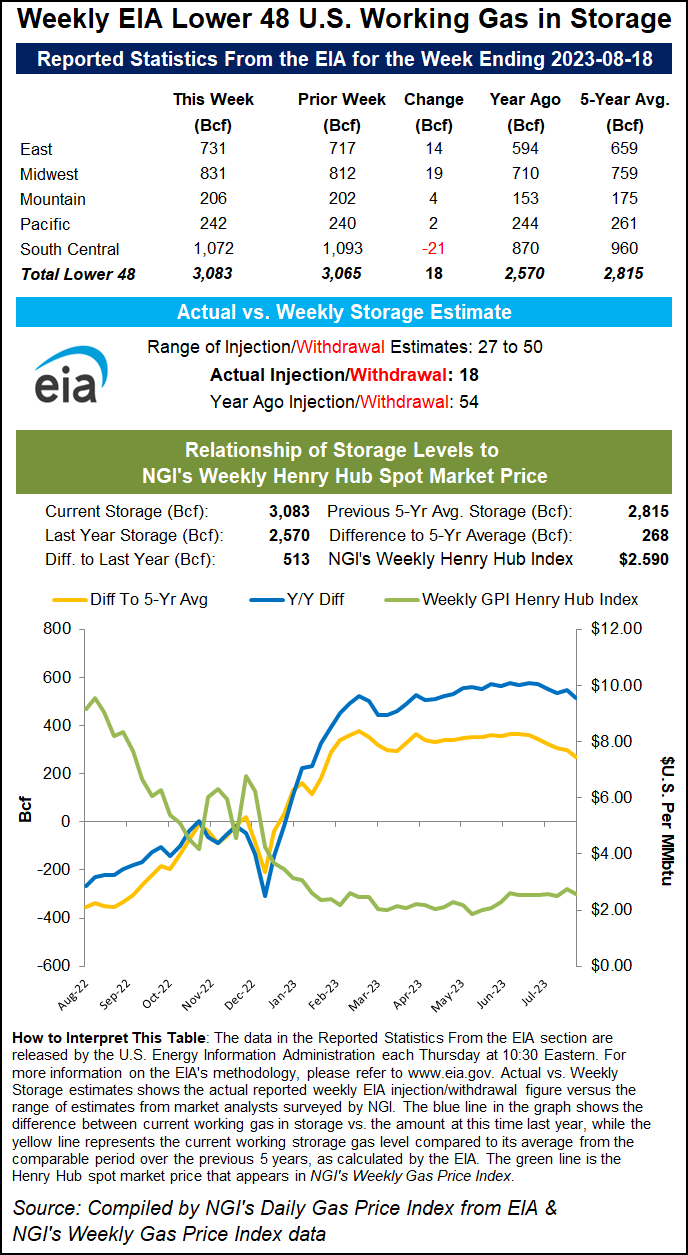
Natural gas futures rallied as traders anticipated increased demand due to a strengthening outlook for September heat. However, the potential impact of tropical cyclone Idalia threatens to temper this demand. Both the European and American models indicate hotter trends for next week, leading to an increase in cooling degree days. Additionally, estimates for this week's Energy Information Administration storage report have declined following a surprising 18 Bcf injection, which exceeded expectations.
Natural gas futures prices received a boost after the Energy Information Administration (EIA) reported a smaller-than-expected net injection into storage inventories for the week ending August 18. The surprise report led to a 5.2 cent increase in September futures, with Texas being cited as a contributing factor by independent weather forecaster Corey Lefkof.
Crude oil prices rose after the Energy Information Administration reported a 6.1 million barrel draw in inventories for the week ending August 18. U.S. commercial crude oil inventories are now 2% below the five-year average. Gasoline inventories increased by 1.5 million barrels, while middle distillate inventories rose by 900,000 barrels. Concerns over another U.S. rate hike and China's economic indicators continue to impact oil prices. However, despite these headwinds, the oil market's fundamentals remain constructive.
The Energy Information Administration (EIA) predicts that US crude oil production will reach a record high of 12.76 million barrels per day (bpd) in 2023, an increase of 850,000 bpd from current levels. The EIA also forecasts a further rise to 13.09 million bpd in 2024. These projections are attributed to higher well-level productivity and increased crude oil prices. Additionally, the EIA expects global benchmark Brent crude oil prices to average $86 per barrel in the second half of 2023. The report also highlights rising US natural gas production and demand, with both expected to reach record highs in 2023.
Despite a substantial inventory draw of 17 million barrels confirmed by the Energy Information Administration (EIA), oil prices did not rise as expected. The draw was estimated by the American Petroleum Institute (API) and was the largest in years. However, crude oil inventories are still 1% below the five-year average. Gasoline inventories saw a build of 1.5 million barrels, while middle distillates experienced a decline of 800,000 barrels. Oil prices had previously surged due to demand forecasts and production constraints, but have since fallen.