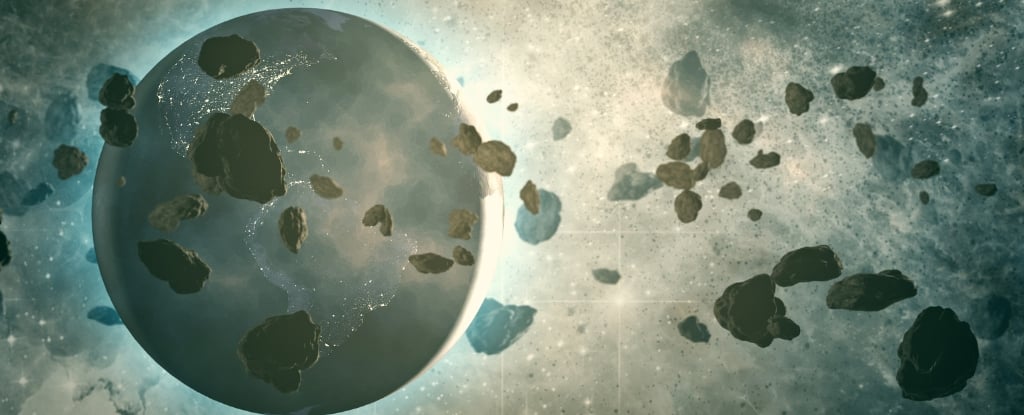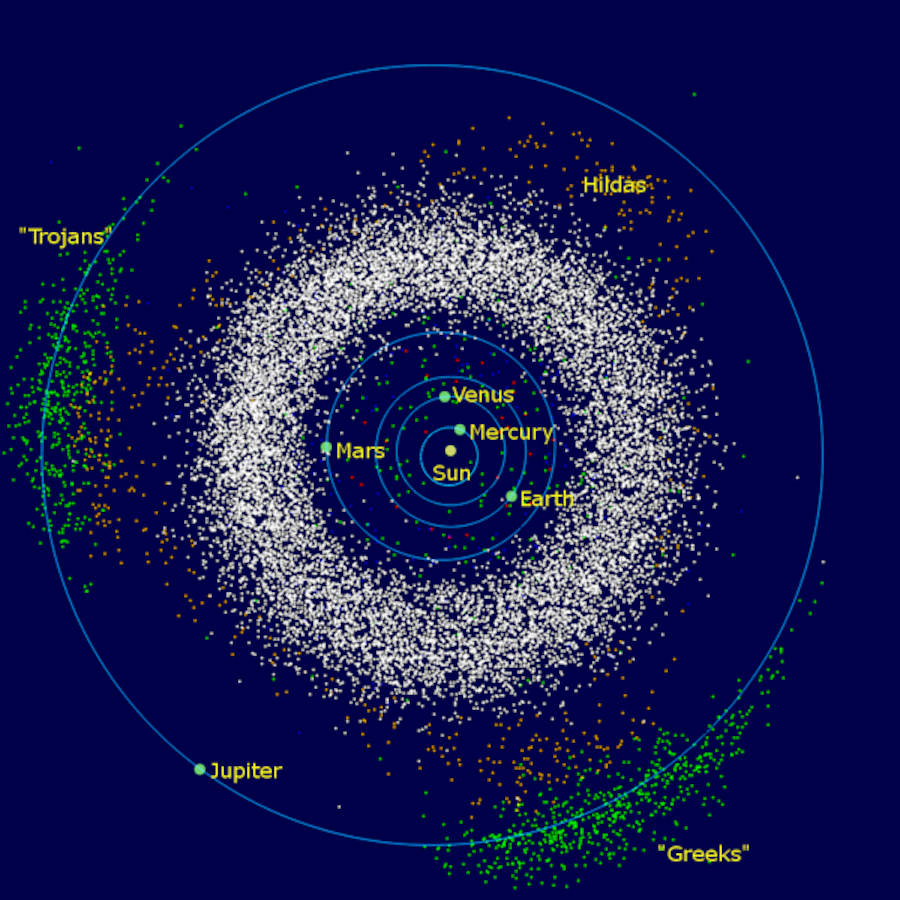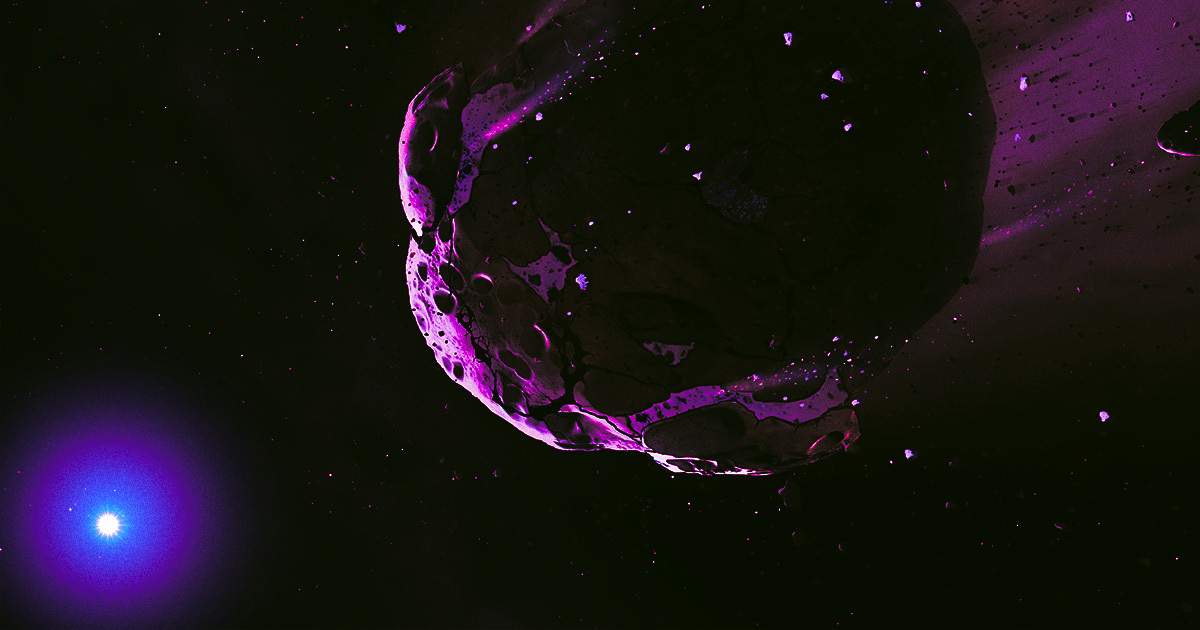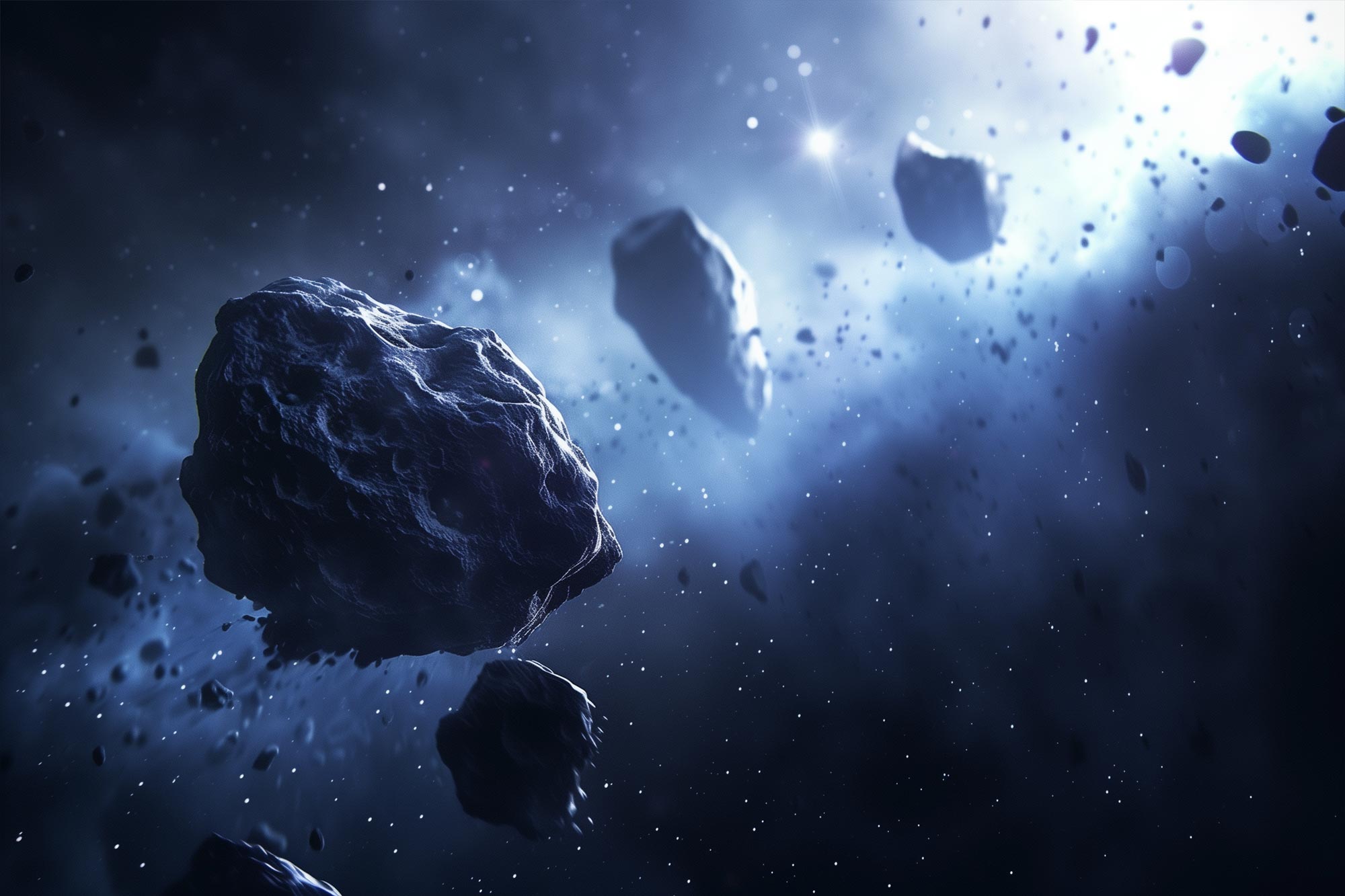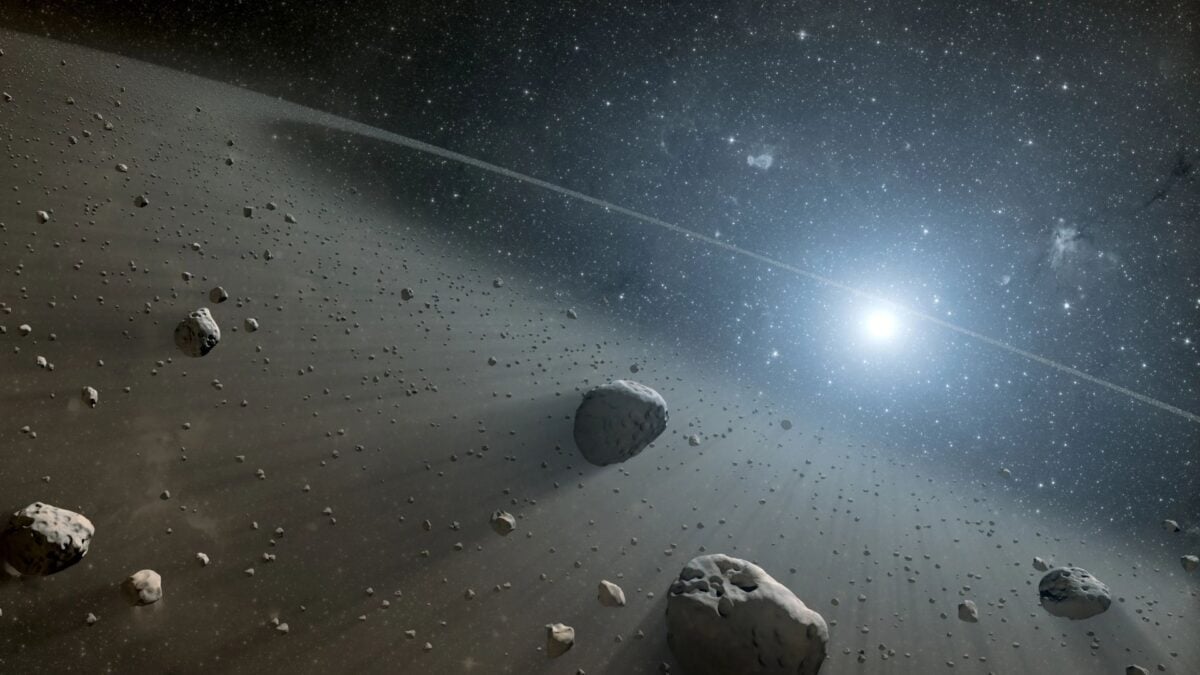
The asteroid belt between Mars and Jupiter is gradually disappearing due to collisions and gravitational ejections, losing about 0.0088% of its mass every million years, with implications for understanding Earth's impact history and the solar system's evolution.
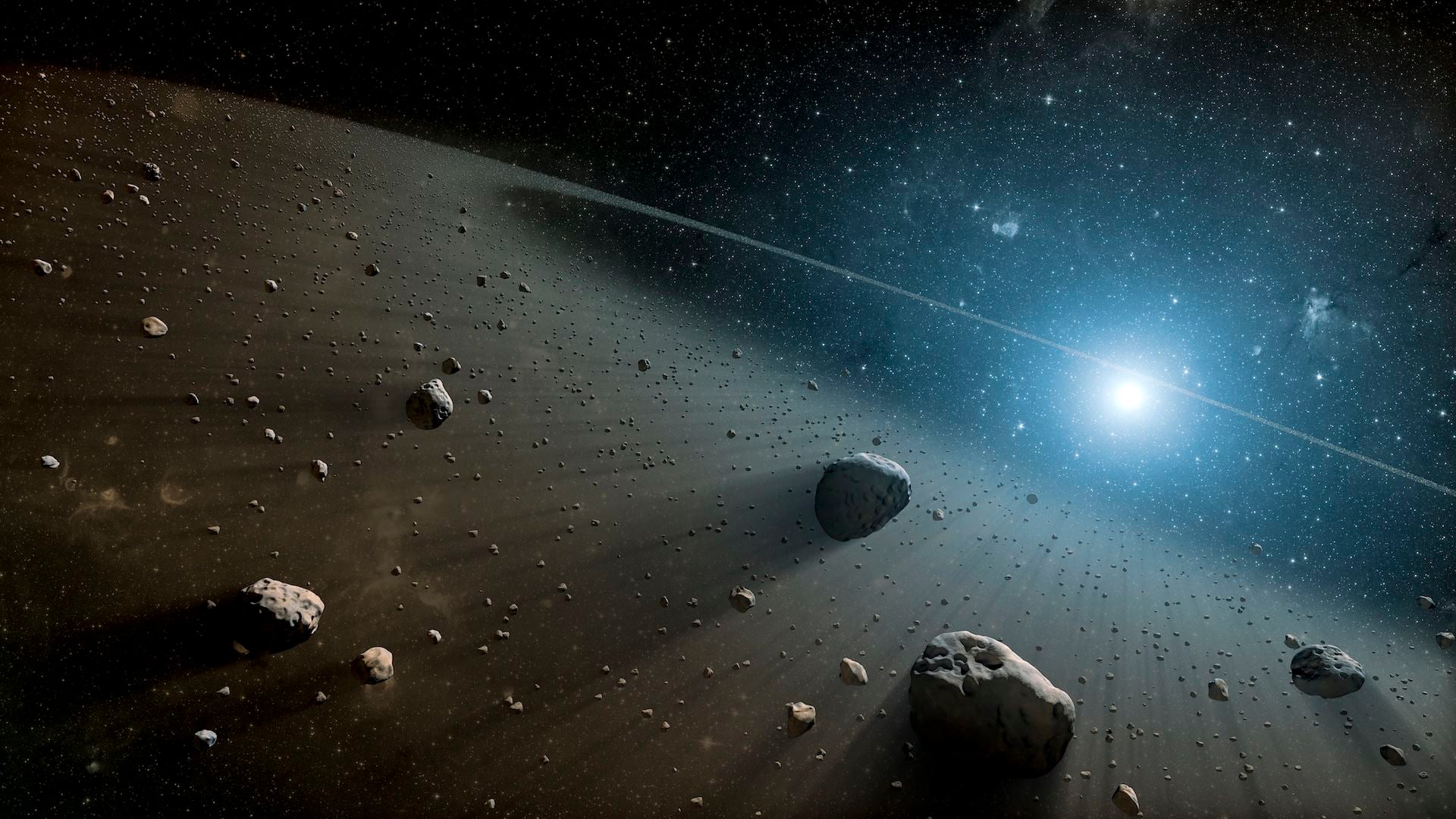
The asteroid belt between Mars and Jupiter is gradually losing material at a rate of about 0.0088% annually, primarily transforming into meteoritic dust or escaping as asteroids that can impact Earth, indicating a dynamic and shrinking structure that has influenced Earth's impact history and future risk assessments.
A new study reveals that the asteroid belt between Mars and Jupiter is gradually losing material at a rate that suggests it was once about twice as massive 3.5 billion years ago, impacting Earth's impact history and future asteroid risk.
The asteroid belt between Mars and Jupiter is gradually losing material at a rate of about 0.0088% annually, primarily through collisions that produce meteoritic dust and fragments that sometimes cross Earth's orbit, indicating a dynamic and shrinking region that has influenced Earth's impact history and future impact risk.
Scientists discovered Arjuna 2025 PN7, a quasi-moon in Earth's orbit that has been there for over 60 years, highlighting the existence of quasi-satellites and mini-moons around Earth, which are often mistaken for alien probes but are natural asteroids in resonance with our planet.
Despite extensive research, several mysteries in our solar system remain unsolved, including the formation of the asteroid belt, Uranus' extreme axial tilt, the Sun's corona temperature anomaly, Saturn's hexagonal storm, and the interstellar object 'Oumuamua, each posing significant questions about planetary and solar phenomena.
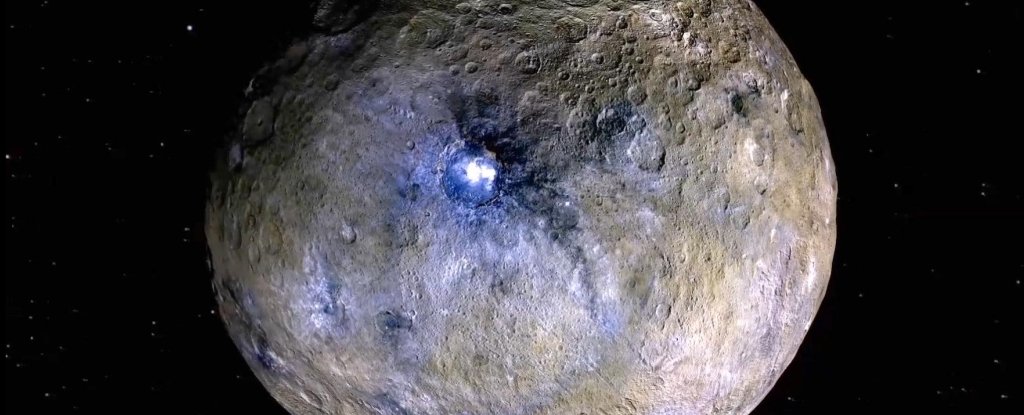
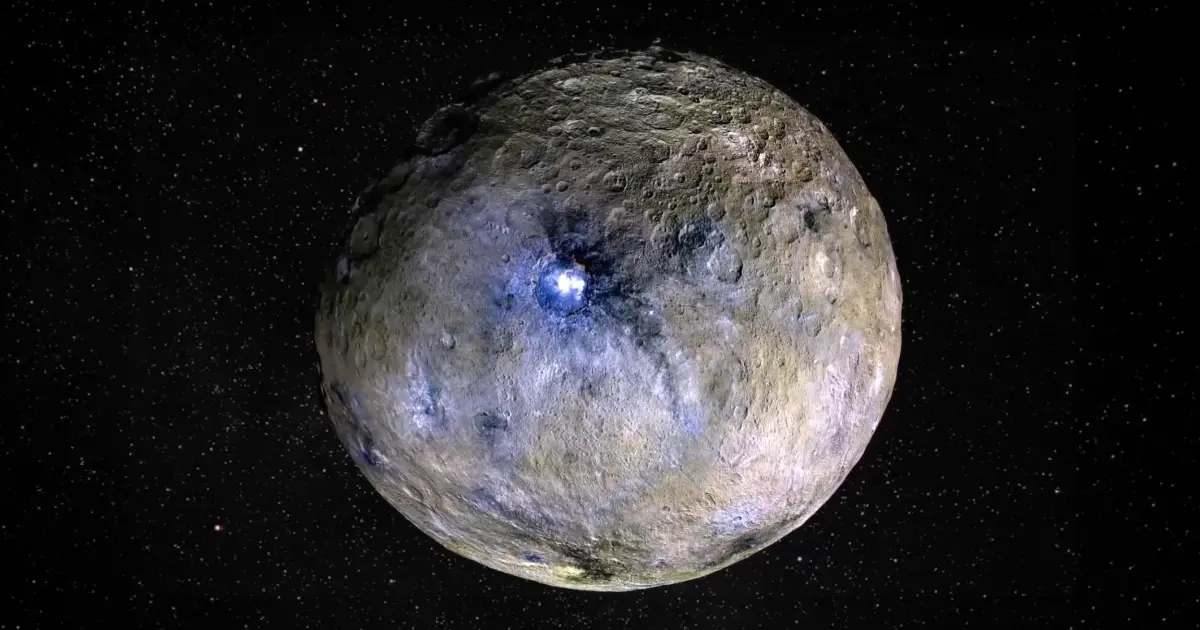
NASA's Dawn mission revealed that Ceres, the largest object in the Asteroid Belt, may have supported single-celled life 2.5 to 4 billion years ago due to a once-active subsurface water reservoir heated by radioactive decay, although it likely no longer has an internal ocean today.
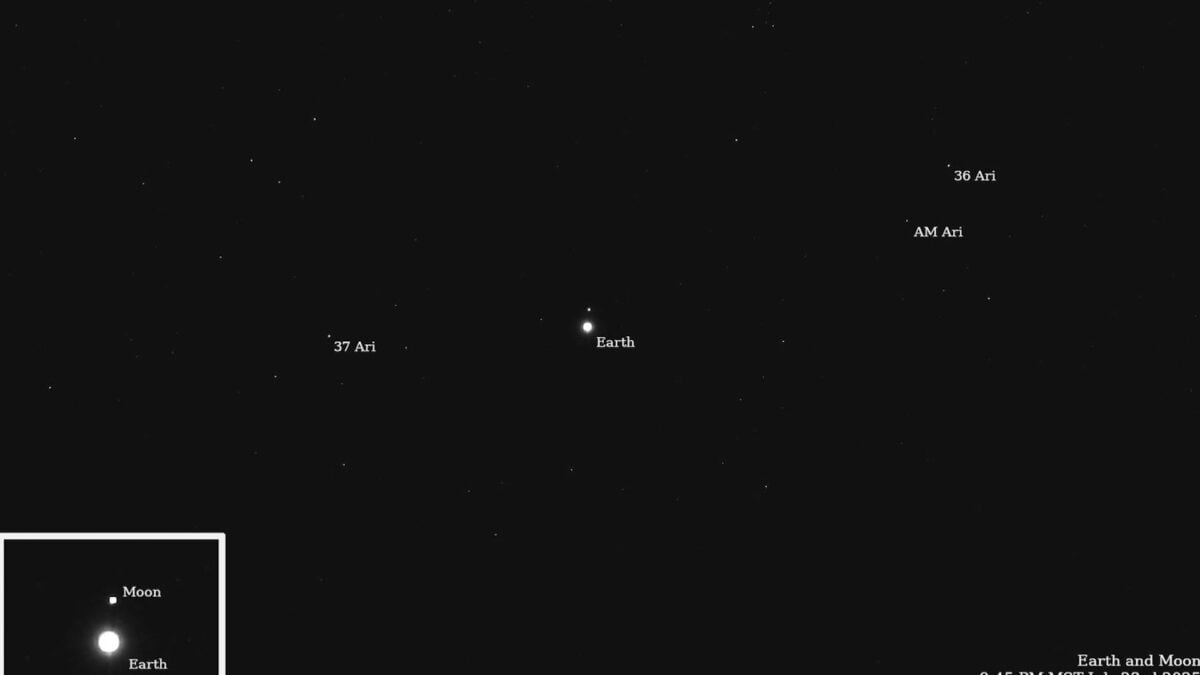
NASA's Psyche spacecraft, on a six-year mission to a metal-rich asteroid, captured a rare image of Earth and the Moon from 180 million miles away, offering a perspective similar to the Voyager's Pale Blue Dot and highlighting Earth's place in the solar system.
Ceres, the largest object in the asteroid belt, is a nearly spherical dwarf planet with complex geology and evidence of a once-frozen ocean, making it a compelling target for future exploration and the search for past life in our solar system.
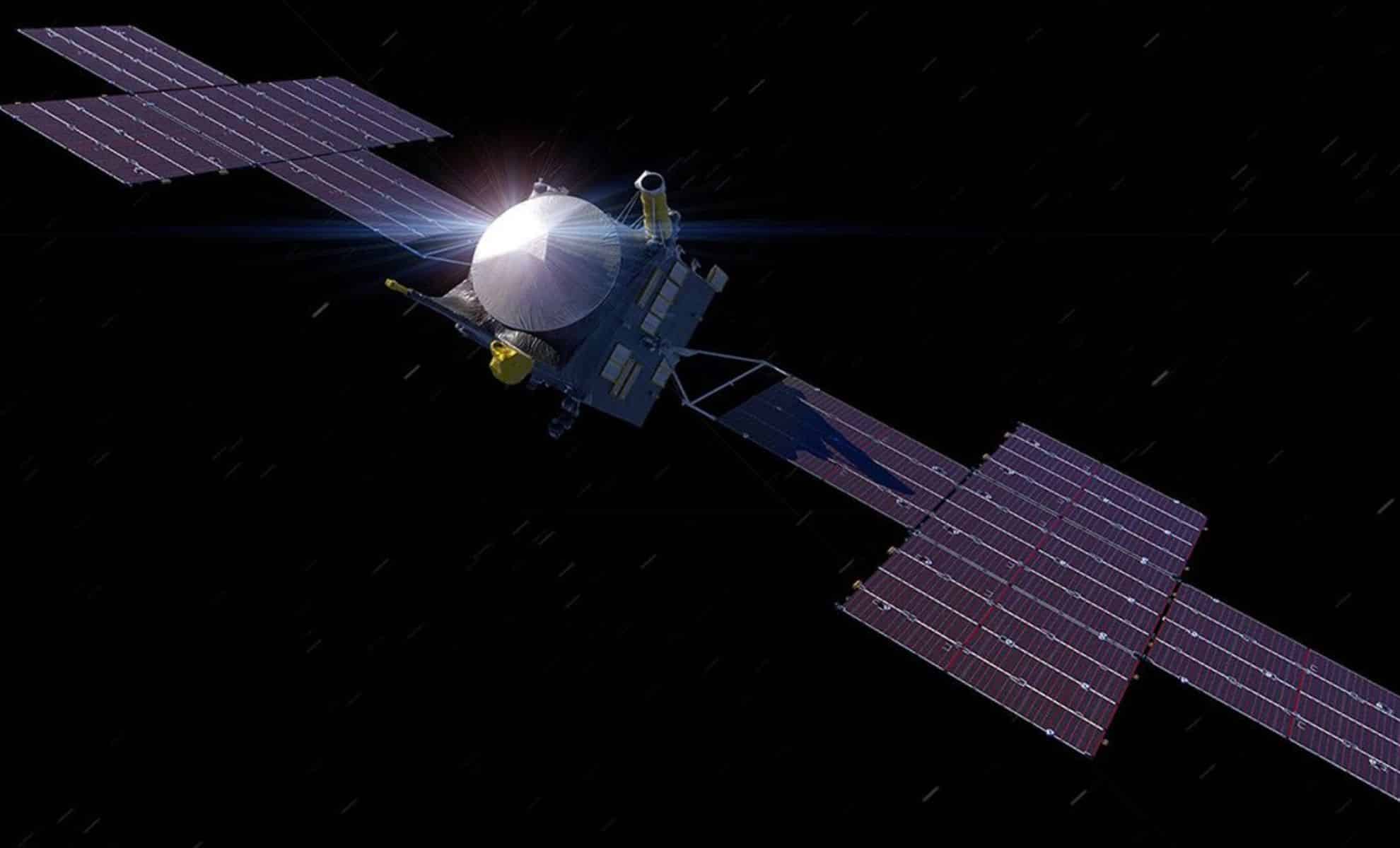
NASA's Psyche spacecraft has resumed full propulsion after a temporary halt caused by a valve issue in its xenon propulsion system, which was successfully rerouted to a backup line. This recovery ensures the mission remains on track for its 2029 arrival at a metal-rich asteroid, with the spacecraft now operating reliably for its planned trajectory and scientific objectives.
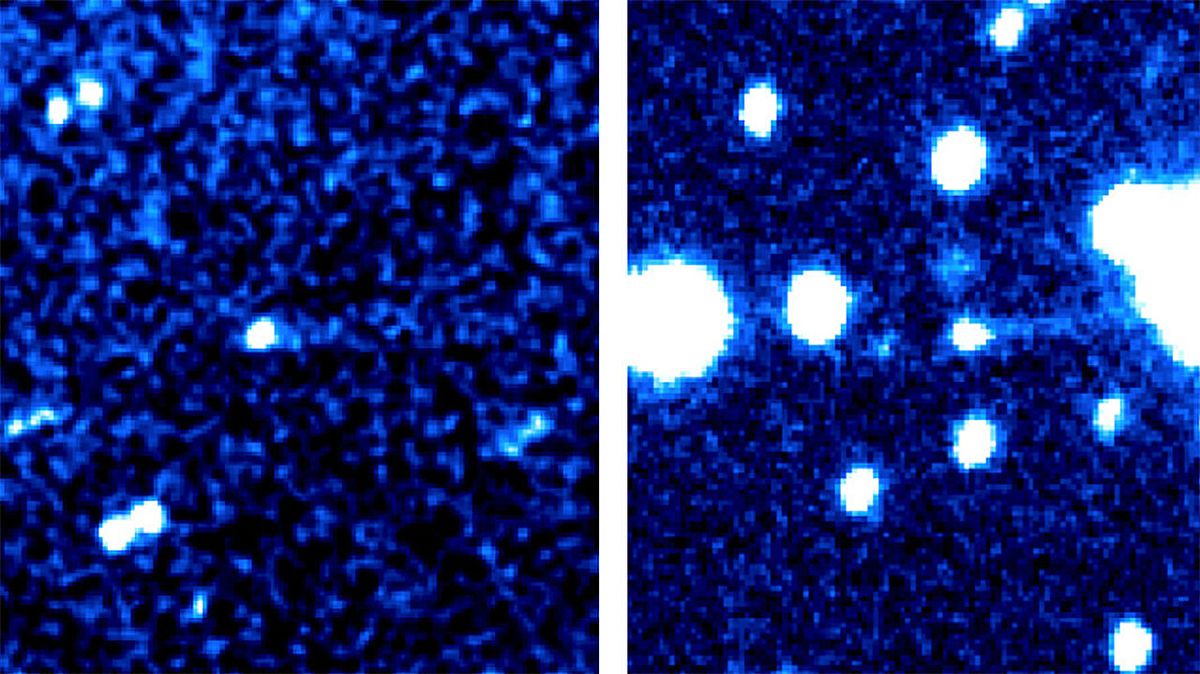
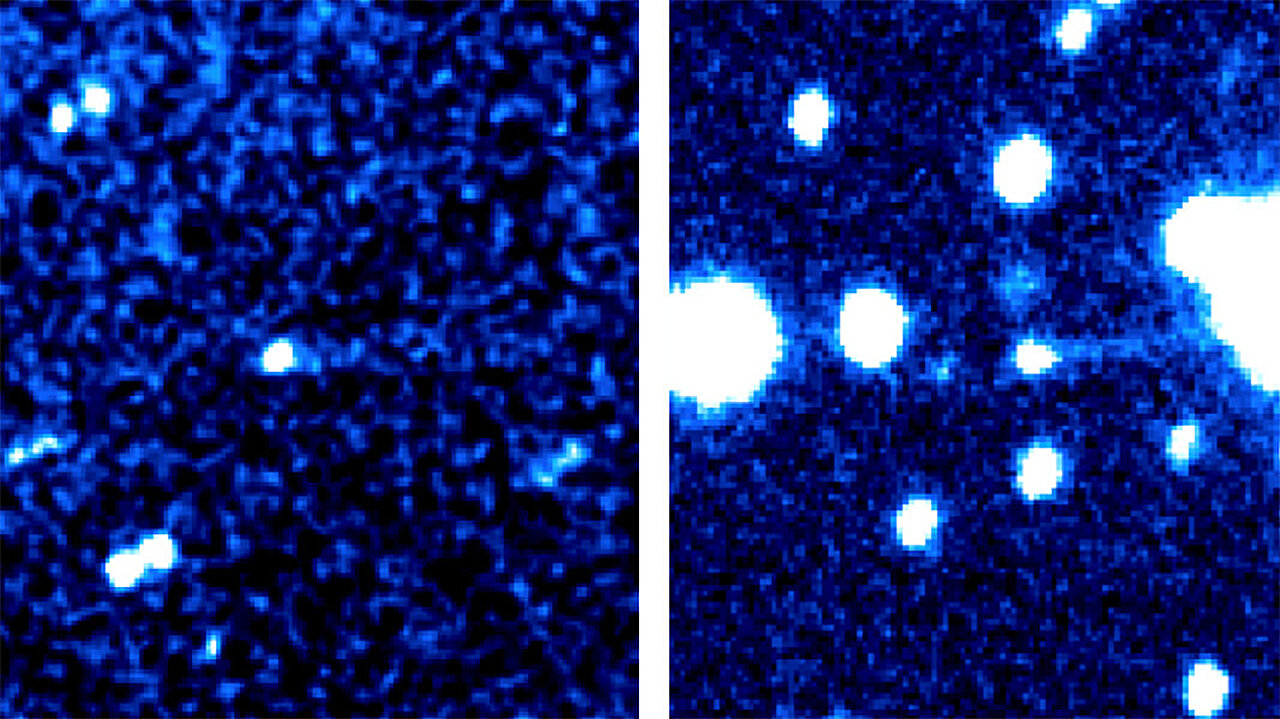
Scientists have discovered a new main-belt comet, 456P/PANSTARRS, in the asteroid belt between Mars and Jupiter, increasing the known count of such objects to 14. Main-belt comets, like 456P, exhibit comet-like activity such as outgassing and forming tails, despite having asteroid-like orbits. This discovery suggests that these comets could provide insights into the early solar system, challenging previous notions about the "snow line" where ice could exist during the solar system's formation.
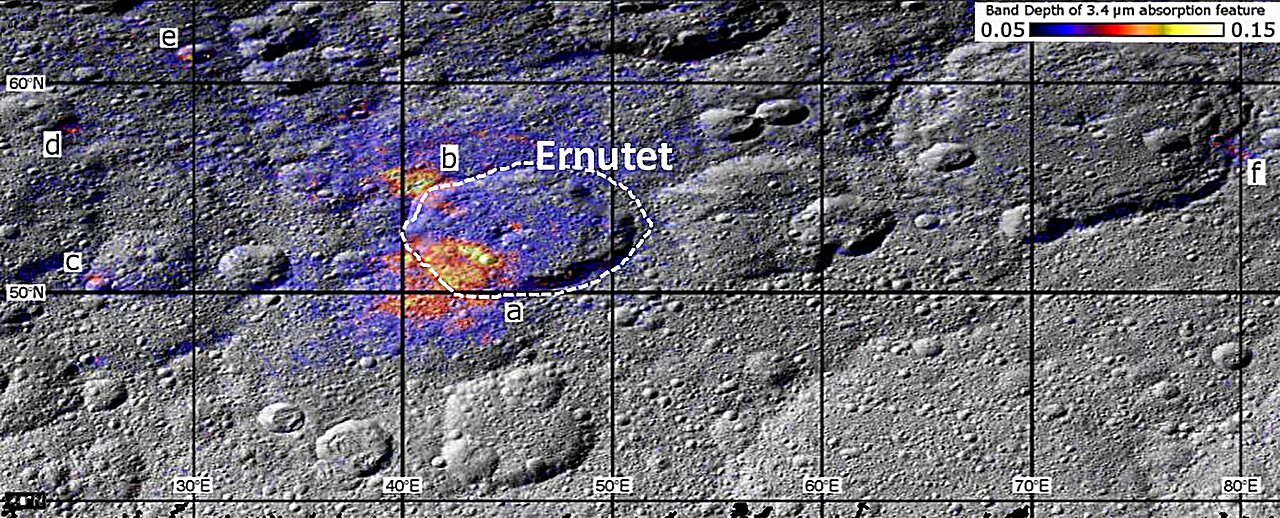
A new study using data from NASA's Dawn spacecraft has identified 11 regions on Ceres, a dwarf planet in the asteroid belt, suggesting the presence of an internal reservoir of organic materials. This discovery challenges previous theories that these materials were delivered by external impacts and instead supports the idea that they may have formed within Ceres. The findings, published in The Planetary Science Journal, highlight Ceres' potential astrobiological significance and its role in future space exploration.
Planetary scientists have confirmed the discovery of a new main-belt comet, 456P/PANSTARRS, located in the asteroid belt between Mars and Jupiter. This comet, identified by Henry Hsieh and colleagues, exhibits repeated activity due to ice vaporization, distinguishing it from asteroids that show activity from other causes. Main-belt comets are rare, and their study helps scientists understand the distribution of ice in the solar system.
An international team of astronomers has identified dark comets, which may constitute up to 60% of near-Earth objects, as potential carriers of water to Earth in the distant past. These objects, originating from the asteroid belt between Mars and Jupiter, contain small amounts of ice and could have contributed to seeding Earth with water and possibly life-essential molecules.
A University of Michigan study suggests that up to 60% of near-Earth objects could be dark comets originating from the asteroid belt, potentially carrying subsurface ice that may have contributed to Earth's water supply. These objects, combining characteristics of both asteroids and comets, highlight a possible pathway for ice delivery to the inner solar system.