Tag

Ocean Research

All articles tagged with #ocean research

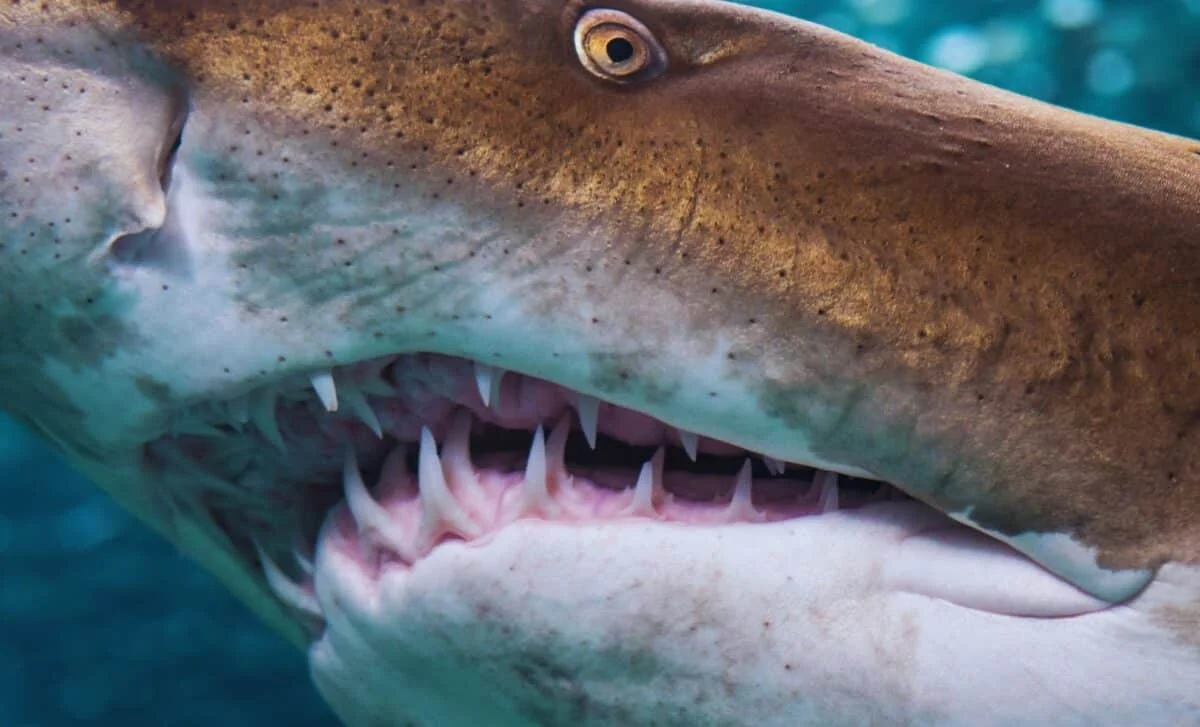
Scientists Uncover How Cookiecutter Sharks Create Perfect Circles on Whales

Originally Published 6 days ago — by The Daily Galaxy

Featured image for Scientists Uncover How Cookiecutter Sharks Create Perfect Circles on Whales
Source: The Daily Galaxy

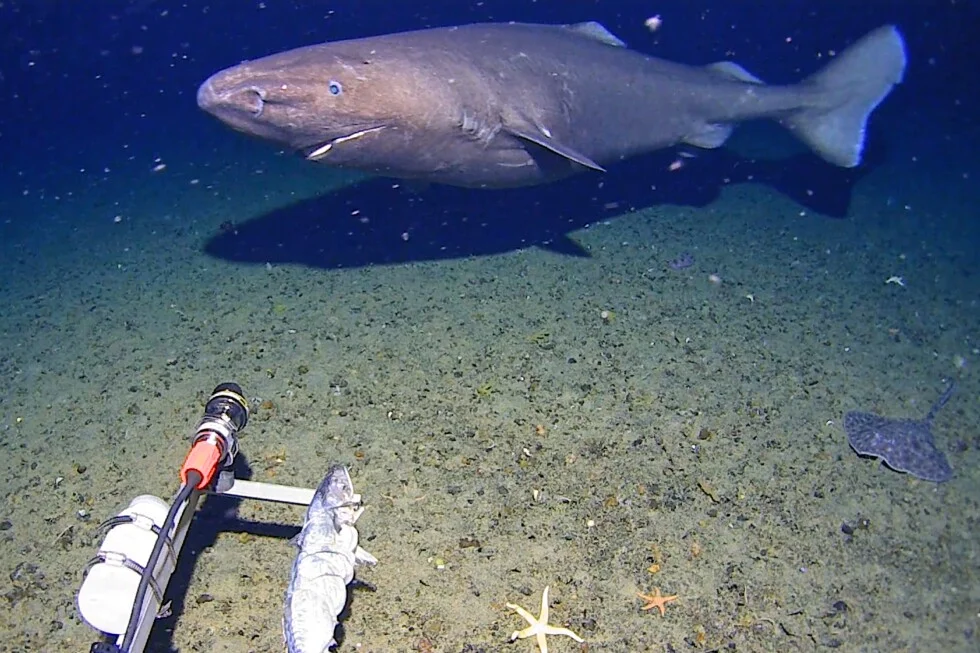
Scientists from the University of Hawaii have identified the elusive cookiecutter shark as the predator responsible for the circular wounds on marine mammals and fish, using a decade of data to analyze its behavior, feeding patterns, and environmental influences, revealing its nocturnal, stealthy hunting tactics and traditional Polynesian knowledge supporting scientific findings.

Comprehensive Marine Body Size Database Enhances Ocean Research

Originally Published 6 months ago — by Ars Technica

Featured image for Comprehensive Marine Body Size Database Enhances Ocean Research
Source: Ars Technica

The Marine Organizational Body Size (MOBS) database is an open-access resource that has compiled body size data for over 85,000 marine species, from microscopic plankton to whales, to enhance understanding of ocean biodiversity and macroevolution. It aims to cover 75% of all described marine species, providing a valuable tool for ecological and evolutionary research, especially for invertebrates and deep-sea creatures.

"Rare Footage: First-Ever Live Sighting of Baby Great White Shark"

Originally Published 1 year ago — by ExplorersWeb

Featured image for "Rare Footage: First-Ever Live Sighting of Baby Great White Shark"
Source: ExplorersWeb

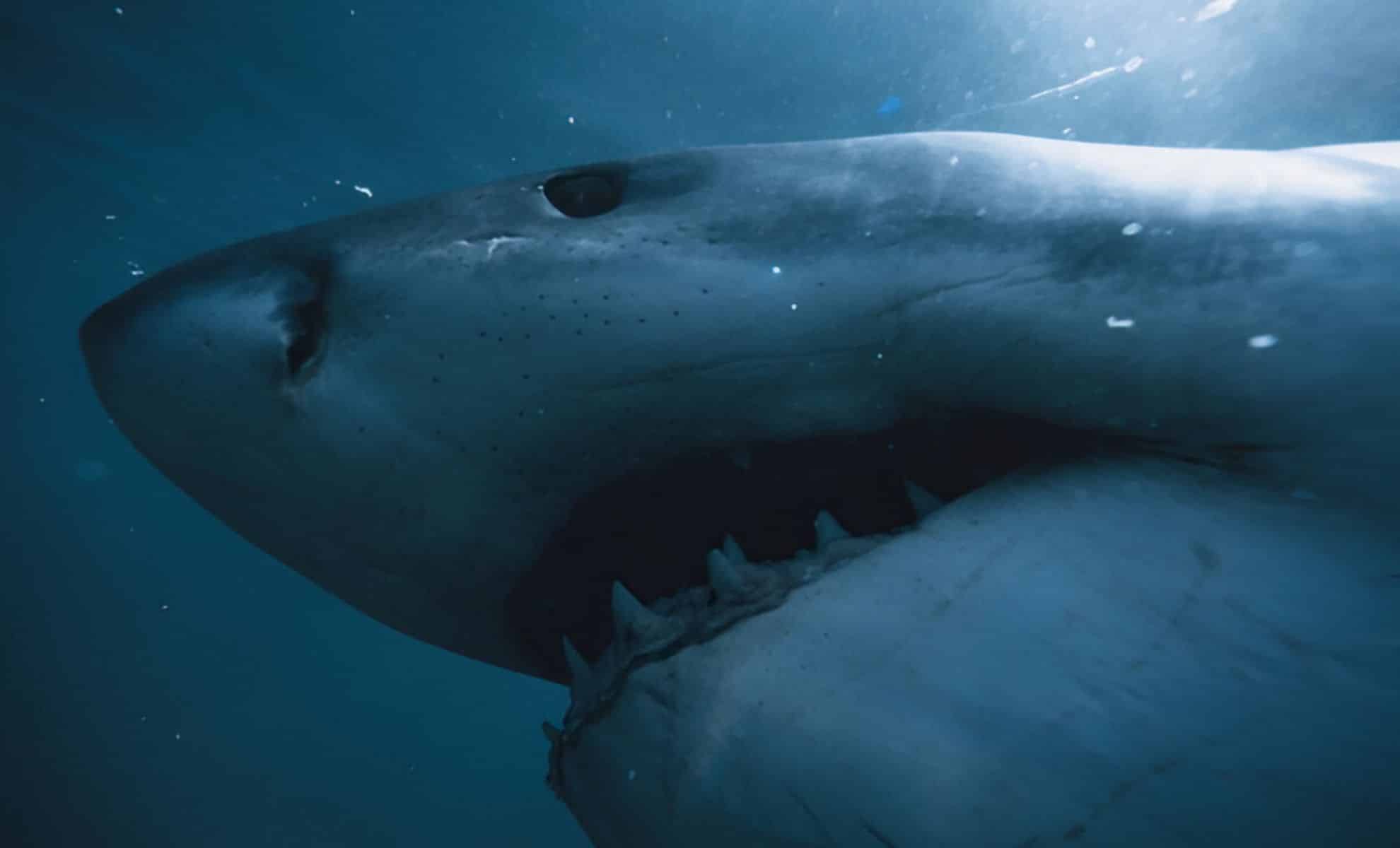
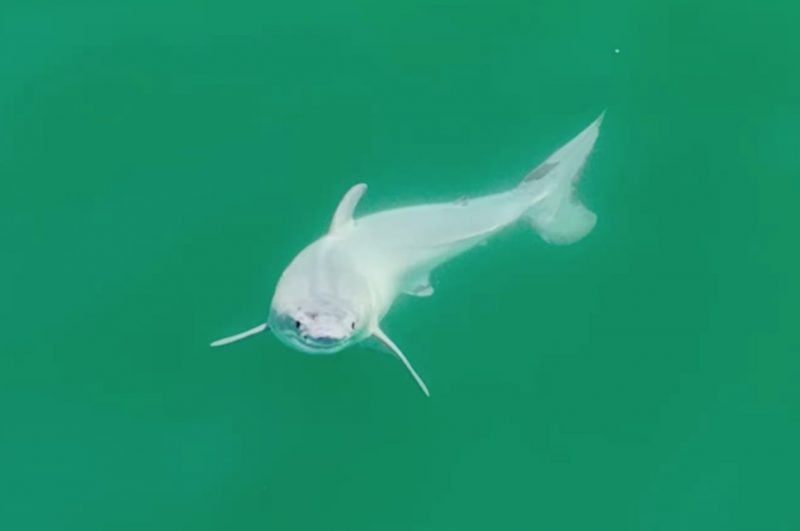
Researchers have captured footage of a newborn great white shark shedding a milky white layer, marking the first live sighting of a newborn. The discovery, made in California, suggests a potential birthing location for great white sharks, although some experts remain skeptical due to the lone nature of the sighting and the shark's mobility. Nonetheless, the find is considered a significant breakthrough in shark science and could provide valuable insights into the species' reproductive behavior.

"World's First Live Footage of Newborn Great White Shark Captured by YouTuber and Photographer"

Originally Published 1 year ago — by Dexerto

Featured image for "World's First Live Footage of Newborn Great White Shark Captured by YouTuber and Photographer"
Source: Dexerto

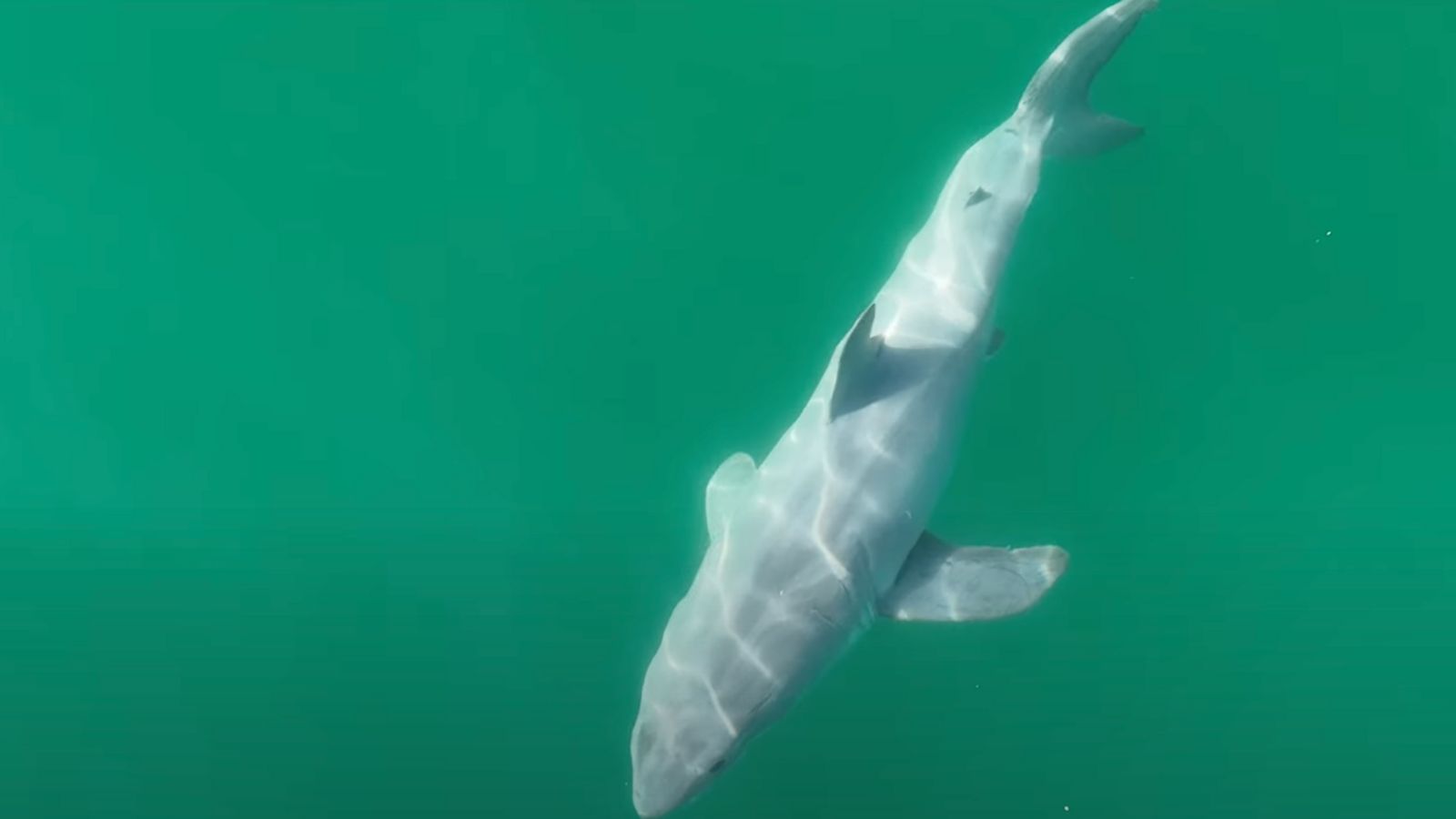
YouTuber TheMalibuArtist claims to have captured the first-ever footage of a newborn great white shark, garnering over half a million views on YouTube. The video has sparked debate among shark experts, with some questioning whether the shark in the footage is truly a newborn great white or possibly has a skin disease or belongs to a rare breed. The discovery has ignited interest in marine life and ocean research, highlighting the ongoing mysteries and potential for new findings in the natural world.

Threats to Bioluminescent Marine Creatures in the Twilight Zone

Originally Published 2 years ago — by Hindustan Times

Featured image for Threats to Bioluminescent Marine Creatures in the Twilight Zone
Source: Hindustan Times

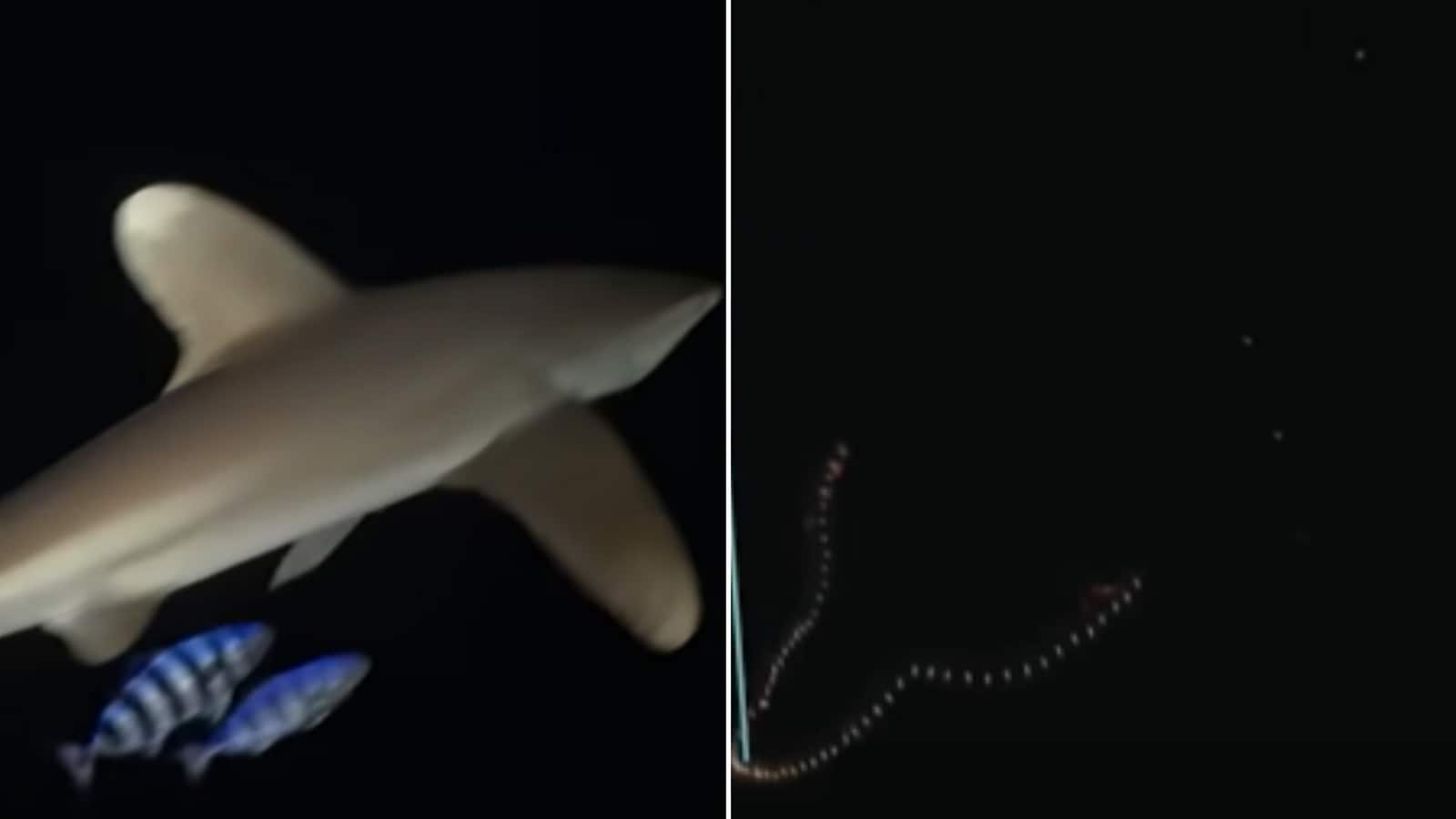
The Woods Hole Oceanographic Institution (WHOI) shared a video captured by two robots that were dropped into the twilight zone of the ocean during the Nautilus Live expedition. The twilight zone is the area between 200 and 1,000 meters below the surface and is home to a diverse range of marine animals and organisms. The robots recorded rare glimpses of these creatures, providing valuable insights into this mysterious underwater world. The video has garnered positive reactions from netizens, with viewers appreciating the beauty and tranquility of the footage.

Unveiling the Unseen: Inside Hurricane Idalia through an Ocean Drone's Lens

Originally Published 2 years ago — by Tampa Bay Times

Featured image for Unveiling the Unseen: Inside Hurricane Idalia through an Ocean Drone's Lens
Source: Tampa Bay Times

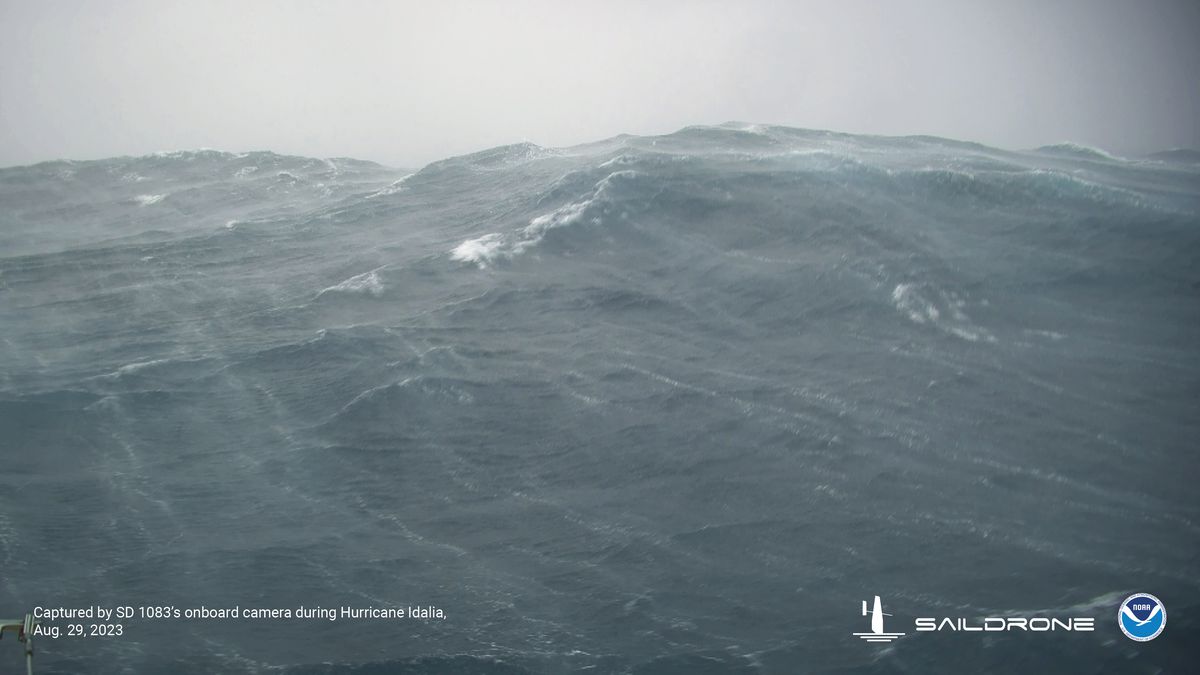
A saildrone, an unmanned research vehicle, captured dramatic footage of Hurricane Idalia in the Gulf of Mexico, offering valuable insights into the environment rarely seen by humans. The footage could help improve hurricane forecasting, particularly in predicting rapid intensification. Saildrone is working with the National Oceanic and Atmospheric Administration (NOAA) to study what happens at the surface where wind meets water. NOAA is currently using 12 unmanned saildrones strategically placed in areas where hurricanes frequently occur. The saildrones provide measurements that other tools cannot, enhancing our understanding of hurricanes and their behavior.

"Scientists urge rigorous testing of oceans in the battle against climate change"

Originally Published 2 years ago — by The Verge

Featured image for "Scientists urge rigorous testing of oceans in the battle against climate change"
Source: The Verge

Over 200 scientists have called for responsible research into ocean-based carbon dioxide removal strategies to combat the climate crisis. While oceans already absorb and hold significant amounts of carbon dioxide, scientists want to understand the risks and potential side effects of enhancing this ability. Startups are developing technologies to sequester more CO2 in the sea, but there is a lack of information about their effectiveness and impacts. The letter emphasizes the need for controlled field trials, third-party reviews, safeguards against unintended consequences, and inclusive policies. Some experts warn of potential harm to marine life and stress the urgency of taking action to protect ocean health and address the climate crisis.

"FathomNet: AI-Powered Database Tackles Ocean Data Backlog"

Originally Published 2 years ago — by MarkTechPost

Featured image for "FathomNet: AI-Powered Database Tackles Ocean Data Backlog"
Source: MarkTechPost

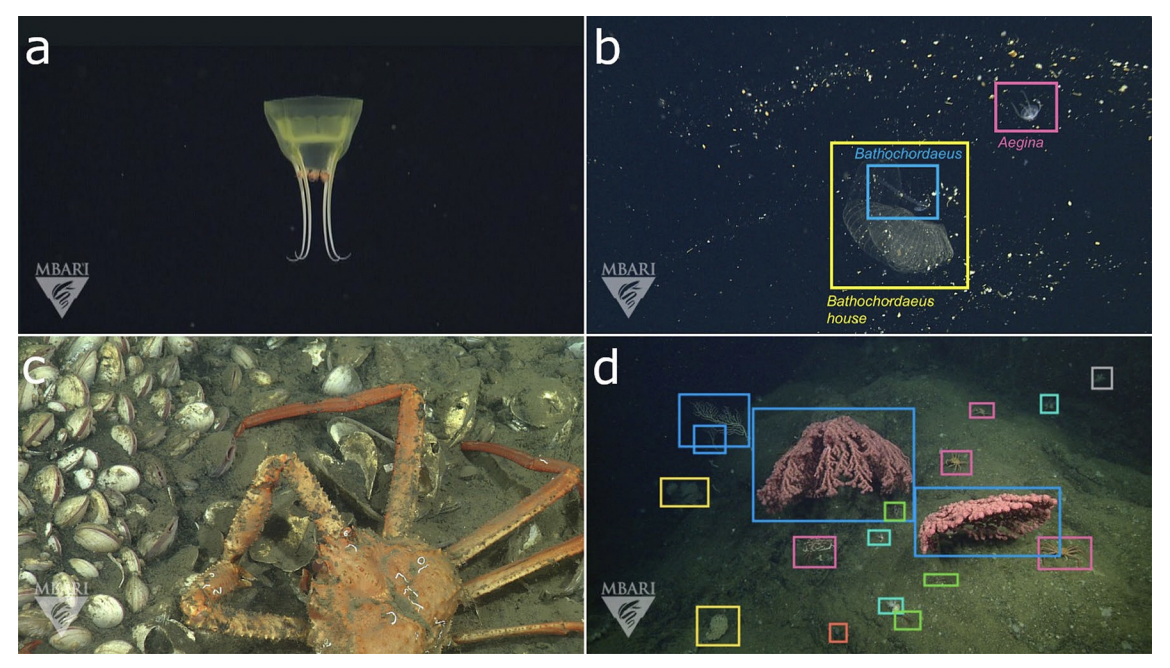
FathomNet, an open-source image database, has been developed by research institutions in collaboration with MBARI to accelerate ocean research by utilizing artificial intelligence and machine learning. The database aggregates and standardizes labeled data from various sources, providing a rich resource for underwater visual analysis. With contributions from other institutions, FathomNet aims to revolutionize ocean exploration and monitoring by enabling faster processing and analysis of visual data. The dataset currently contains over 84,000 images and will soon have more than 200 million observations. The team emphasizes the importance of community participation in improving the database and promoting innovations in ocean research.

Florida Scientist 'Dr. Deep Sea' Resurfaces After Record-Breaking 100 Days Underwater

Originally Published 2 years ago — by Newser

Featured image for Florida Scientist 'Dr. Deep Sea' Resurfaces After Record-Breaking 100 Days Underwater
Source: Newser

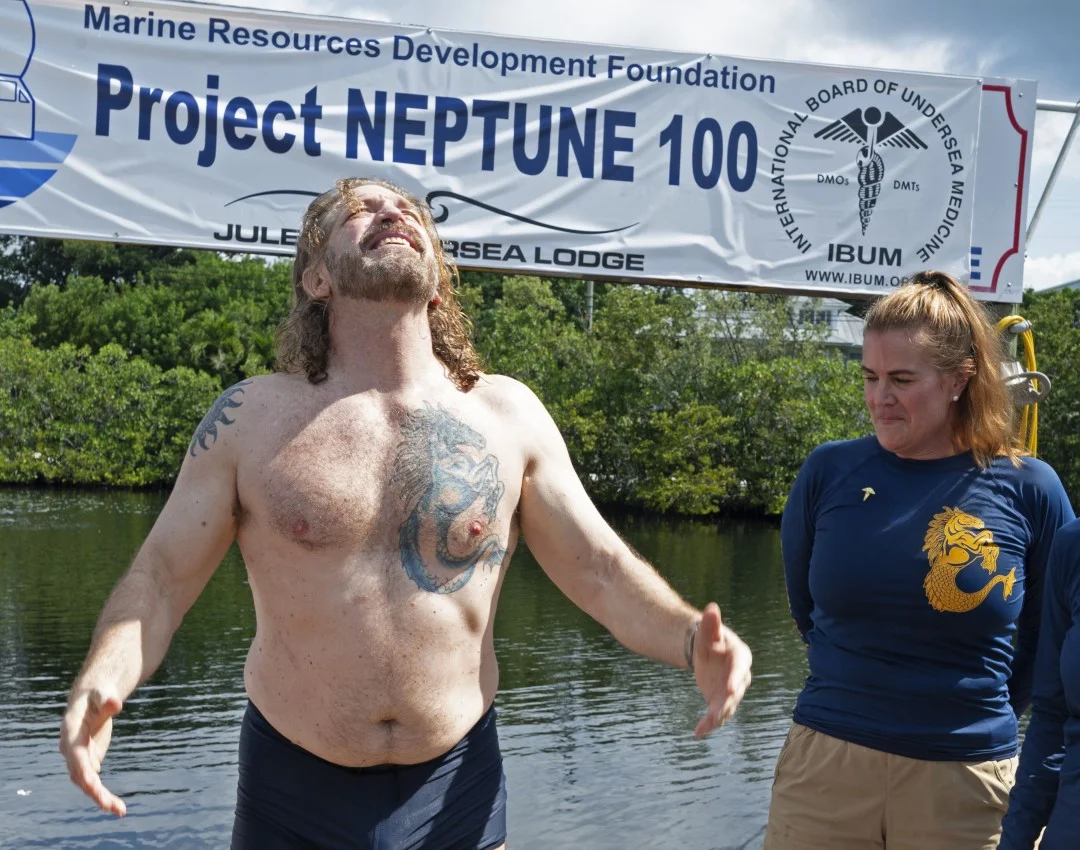
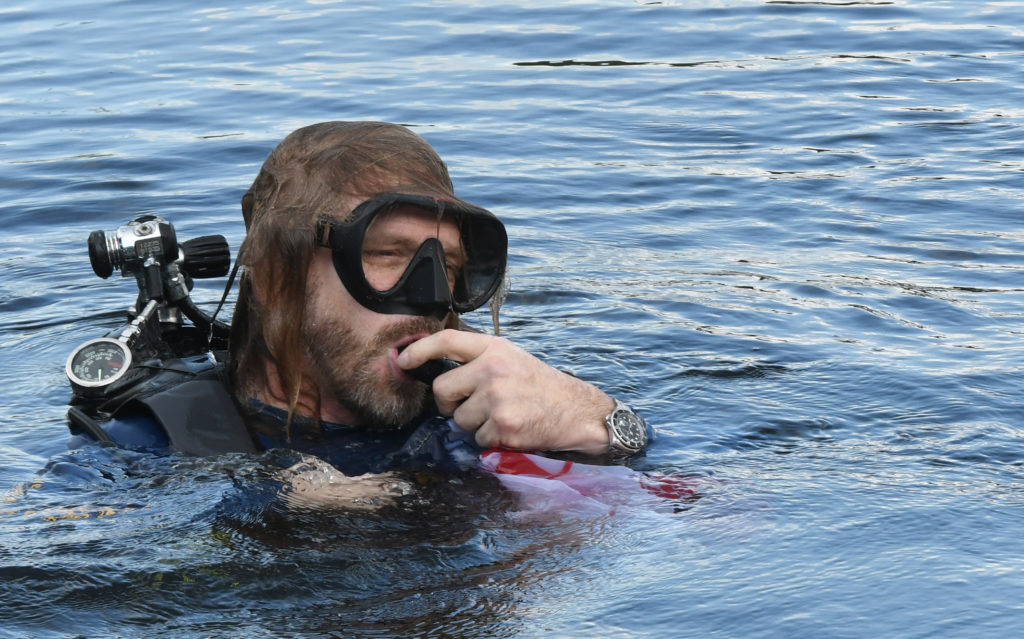
Dr. Joseph Dituri, a university professor and medical researcher, has set a new record for the longest time living underwater without depressurization, spending 100 days at Jules' Undersea Lodge in Florida. The project aimed to learn more about how the human body and mind respond to extended exposure to extreme pressure and an isolated environment, and was designed to benefit ocean researchers and astronauts on future long-term missions. Dituri conducted daily experiments and measurements to monitor how his body responded to the increase in pressure over time, and plans to present findings from Project Neptune 100 at November's World Extreme Medicine Conference in Scotland.

Florida Scientist Breaks Record Living Underwater for 100 Days

Originally Published 2 years ago — by PBS NewsHour

Featured image for Florida Scientist Breaks Record Living Underwater for 100 Days
Source: PBS NewsHour

Dr. Joseph Dituri, a biomedical engineering professor, has broken the world record for living underwater without depressurization by spending 100 days at Jules’ Undersea Lodge in Key Largo, Florida. The project aimed to learn more about how the human body and mind respond to extended exposure to extreme pressure and an isolated environment and was designed to benefit ocean researchers and astronauts on future long-term missions. Dituri conducted daily experiments and measurements to monitor how his body responded to the increase in pressure over time and interacted with almost 5,000 students from 12 countries.