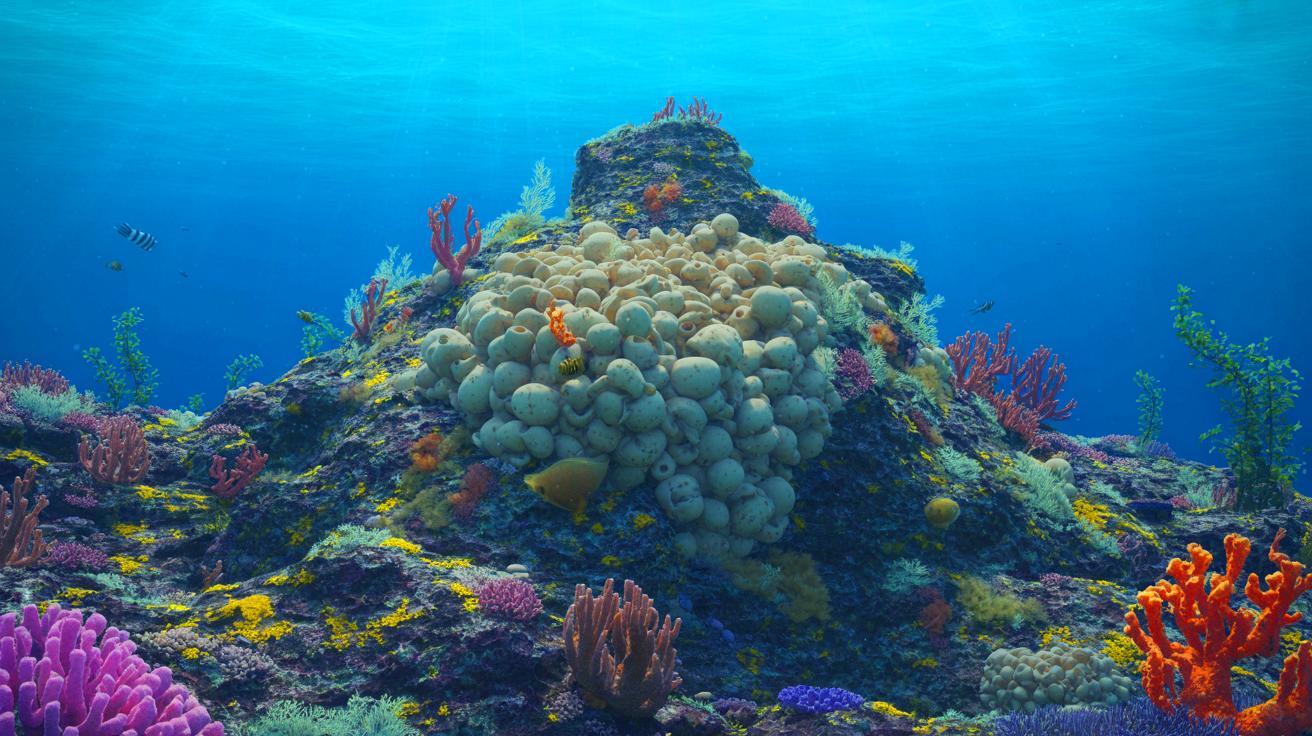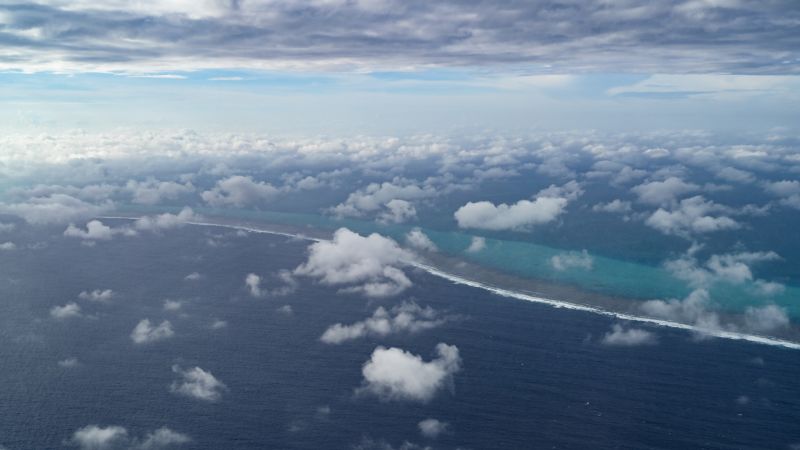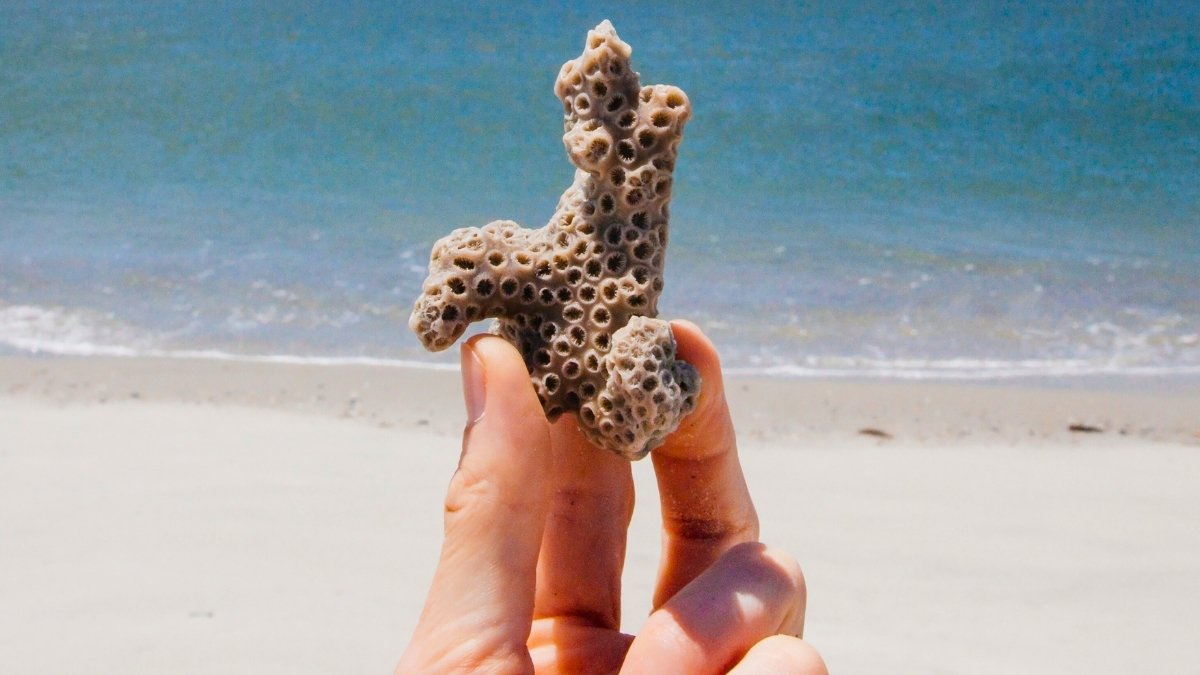
Coral reefs, vital to marine biodiversity, are nearing a potential catastrophic collapse due to increasing ocean heatwaves, especially around 2026, driven by climate change and El Niño cycles. While some reefs show resilience, many are at risk of irreversible damage, emphasizing the need for urgent global action to reduce emissions and local stressors to preserve these ecosystems.
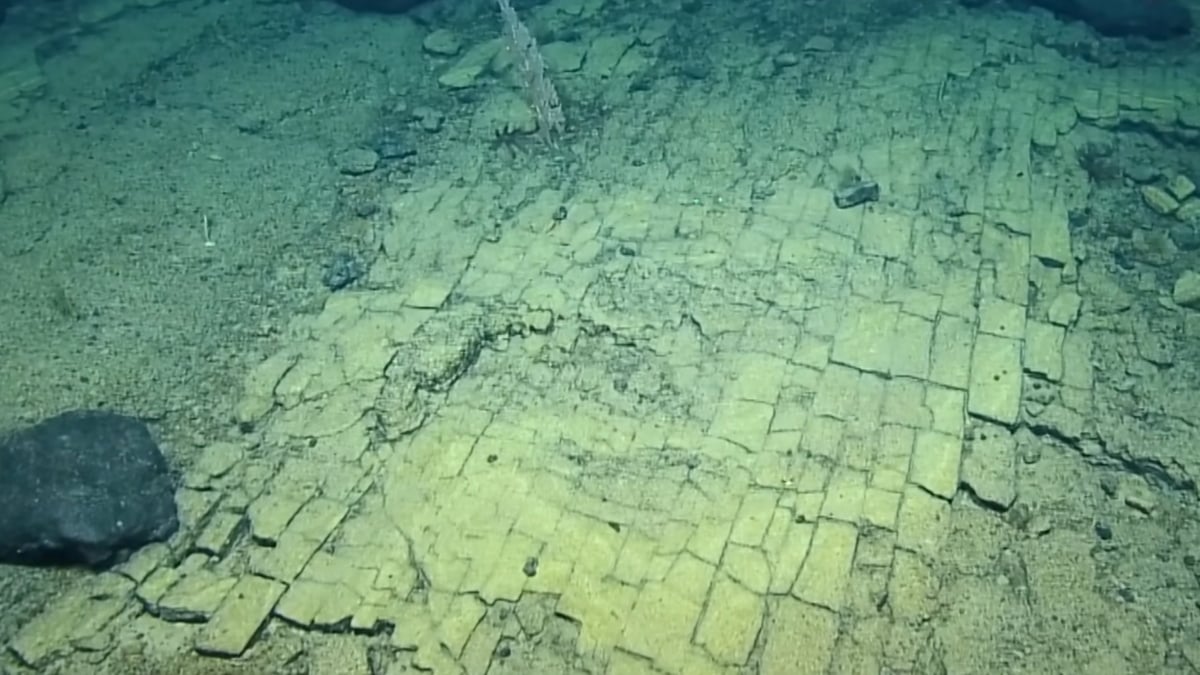
Scientists exploring the deep-sea ridge near Hawaii discovered a mysterious 'yellow brick road' formed by fractured volcanic rock, highlighting the vast unexplored areas of Earth's seafloor and offering new insights into underwater geology and ecosystems.
Scientists exploring the deep-sea ridge near Hawaii discovered a mysterious 'yellow brick road' made of fractured volcanic rock, highlighting the vast unexplored areas of Earth's ocean floor, with only about 0.001% of it visually documented so far.
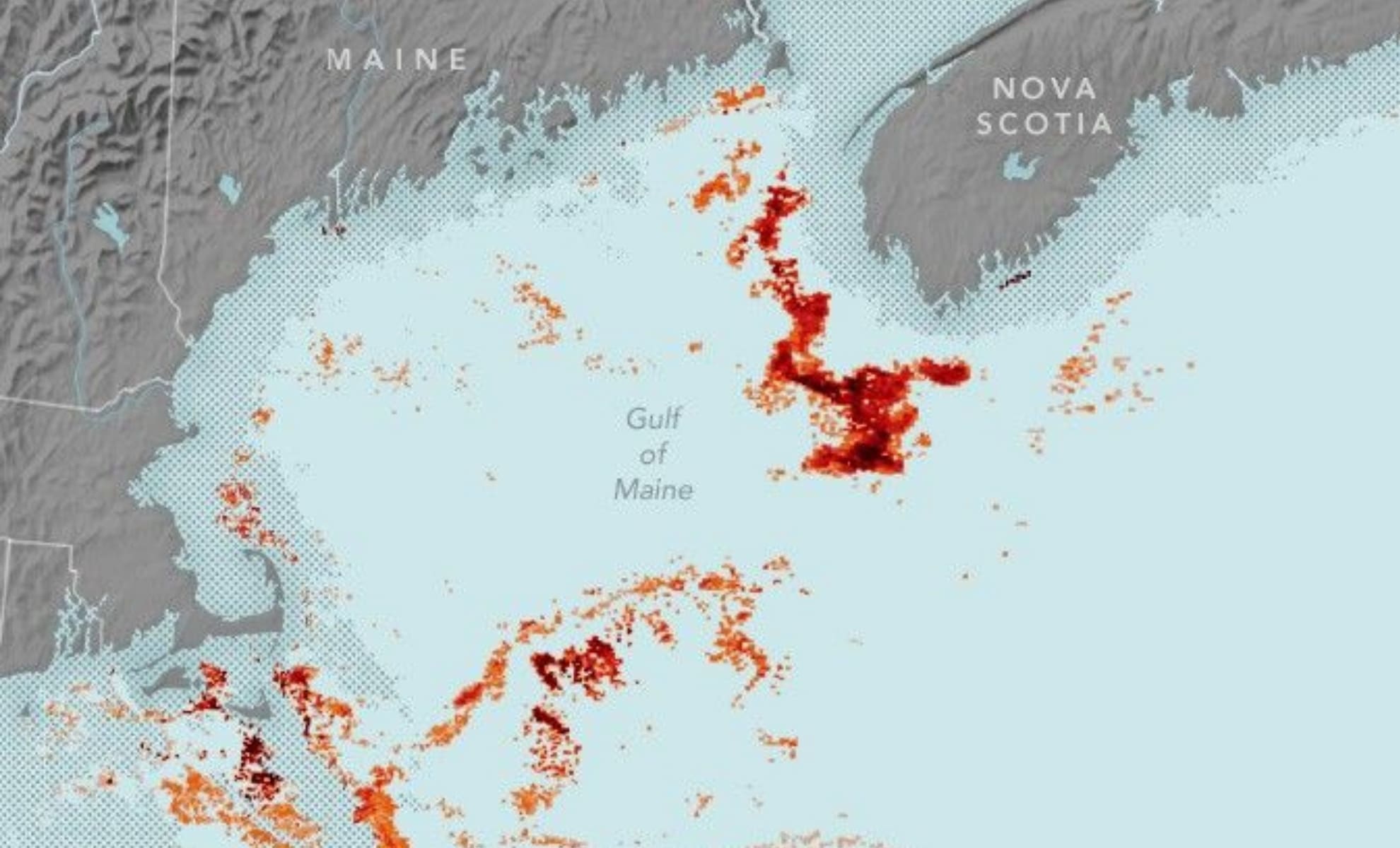
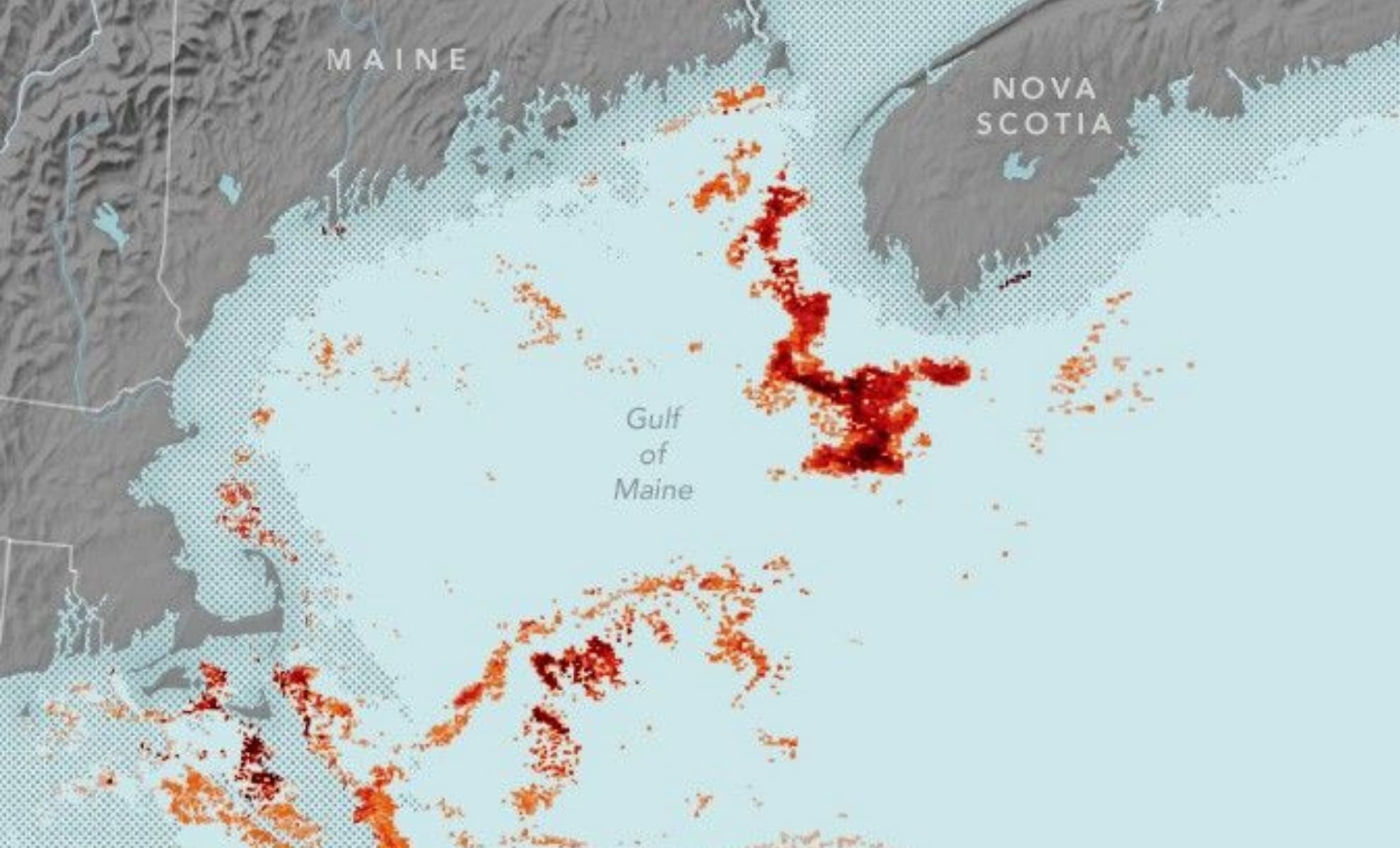
NASA's Aqua satellite has successfully detected dense patches of the tiny red plankton Calanus finmarchicus off the New England coast, a crucial food source for the endangered North Atlantic right whale, using innovative remote sensing techniques. This breakthrough allows for better monitoring of marine ecosystems and could help protect whales by predicting their movements and reducing human-related threats.
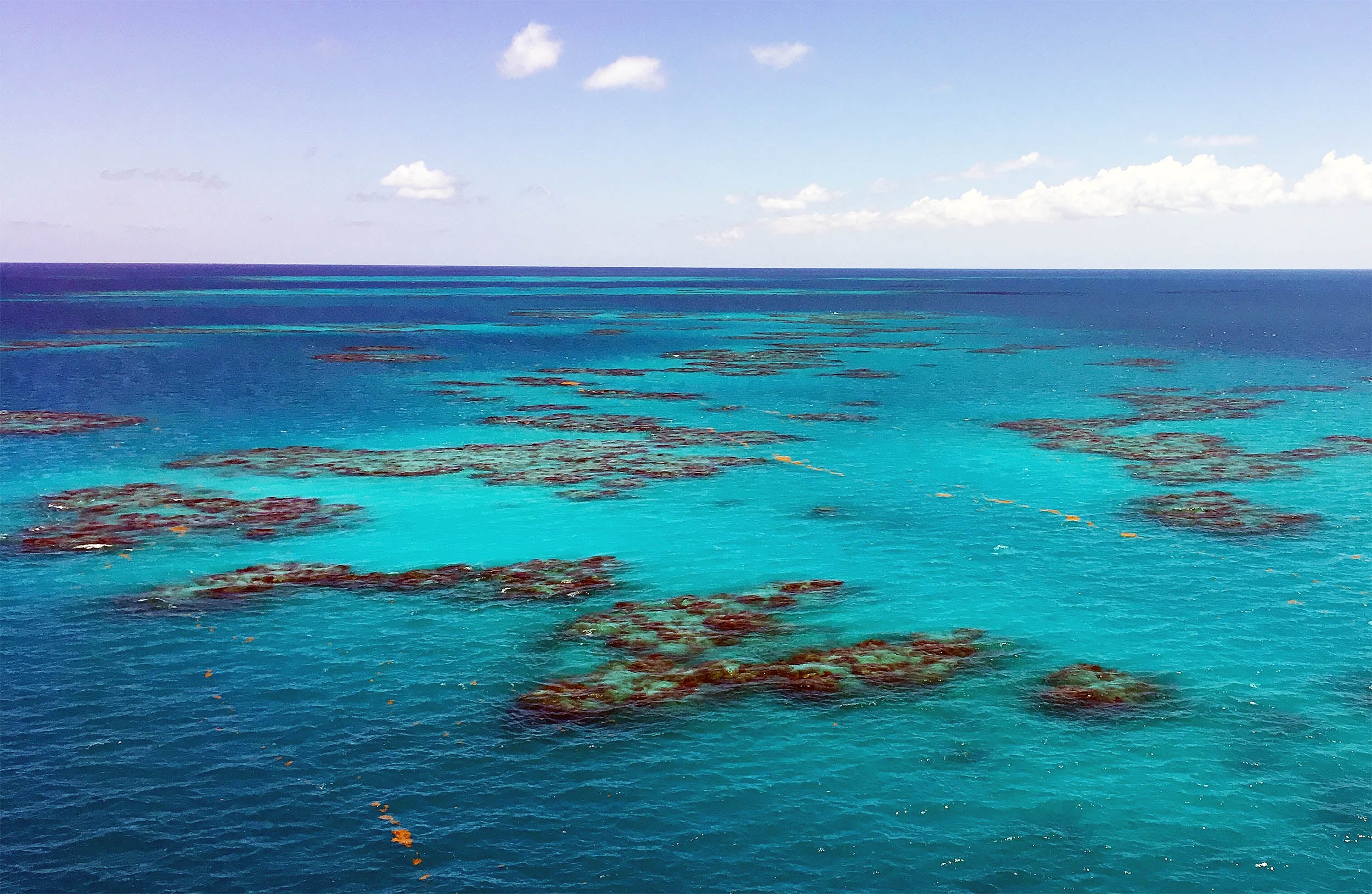
The Sargasso Sea, unique for having no land boundaries and characterized by floating Sargassum seaweed mats, plays a crucial role in marine ecosystems and Earth's climate regulation, but faces threats from pollution and climate change that require international conservation efforts.
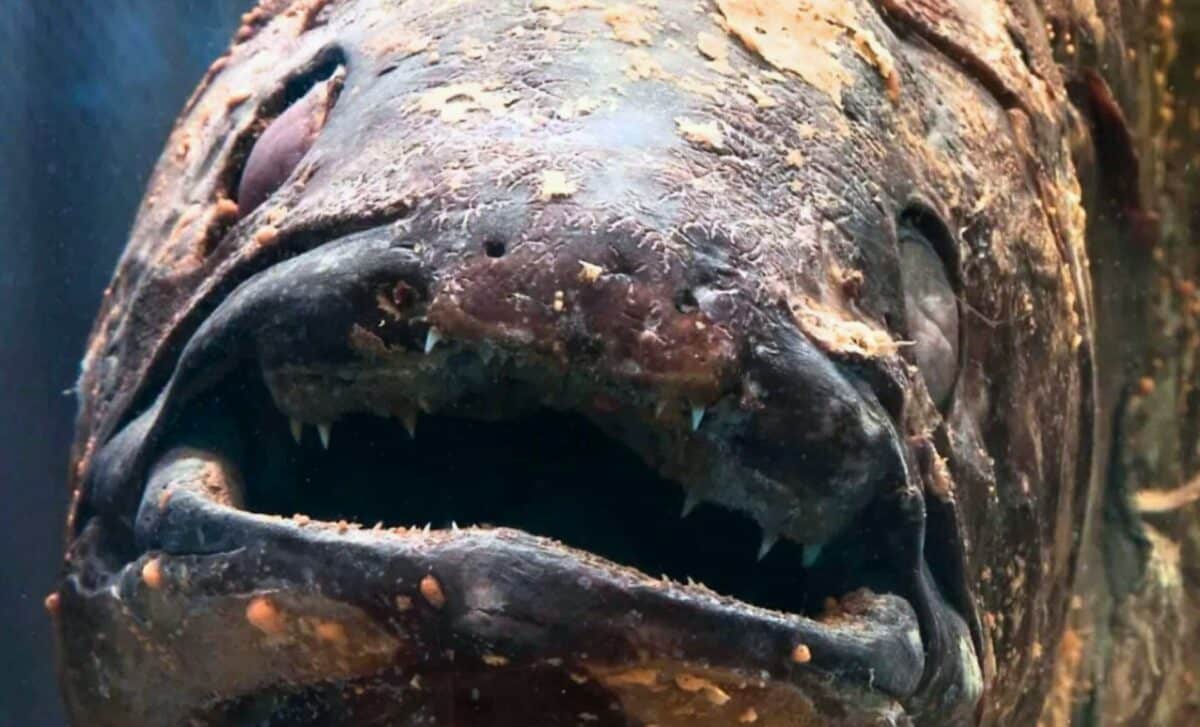
Deep technical divers in Indonesia captured the first-ever live footage of a Sulawesi coelacanth in its natural habitat, confirming its survival and extending its known range, highlighting the species' rarity and the need for conservation efforts.
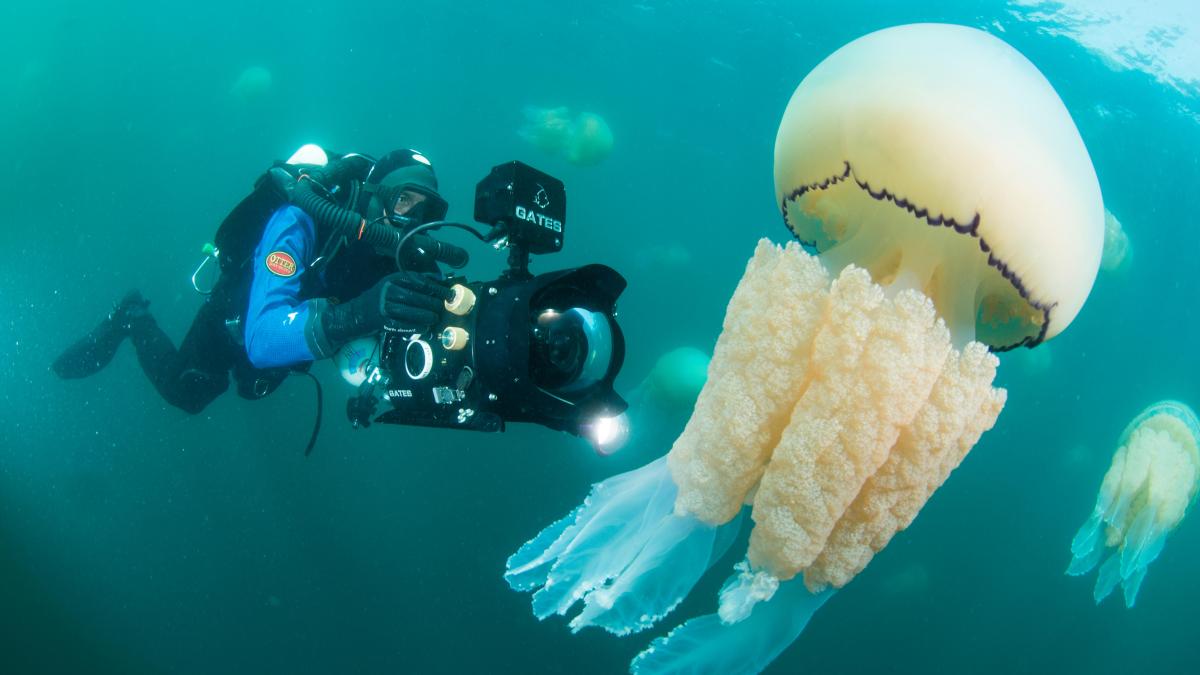
Sightings of giant jellyfish, particularly the barrel jellyfish, have surged around the UK coast this year, likely due to rising sea temperatures and changing currents, with ecological shifts also affecting other marine species; meanwhile, sightings of the Portuguese man o’ war have decreased significantly.
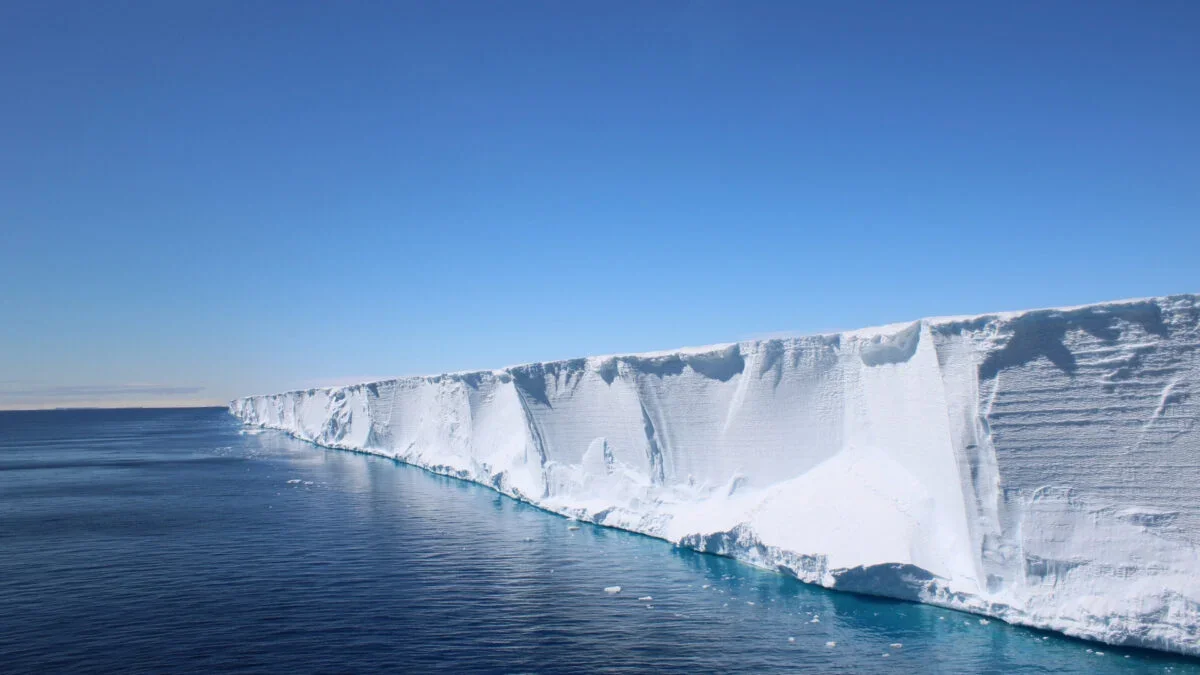
Researchers exploring Antarctica's Weddell Sea during the search for Shackleton's ship discovered over 1,000 organized fish nests of yellowfin notie, revealing a unique and vulnerable ecosystem that highlights the importance of marine conservation and the resilience of life in extreme environments.
Scientists discovered a thriving marine ecosystem and a massive nursery of giant skate ray eggs near an active underwater volcano off Vancouver Island, highlighting the resilience of deep-sea life and emphasizing the importance of conserving these fragile environments amid environmental threats.
China has established a nature reserve at Scarborough Shoal in the South China Sea, a move that intensifies territorial disputes with the Philippines, which protests the action as illegal. The reserve aims to protect the reef ecosystem but is viewed by critics as a strategic move to reinforce China's claims over the contested waters, amid ongoing tensions and environmental concerns.
The Great Barrier Reef experienced its largest annual decline in live coral since the 1980s due to severe bleaching events in 2024, driven by rising ocean temperatures and climate change, with scientists warning that increasing frequency of such events threatens the reef's recovery and survival.
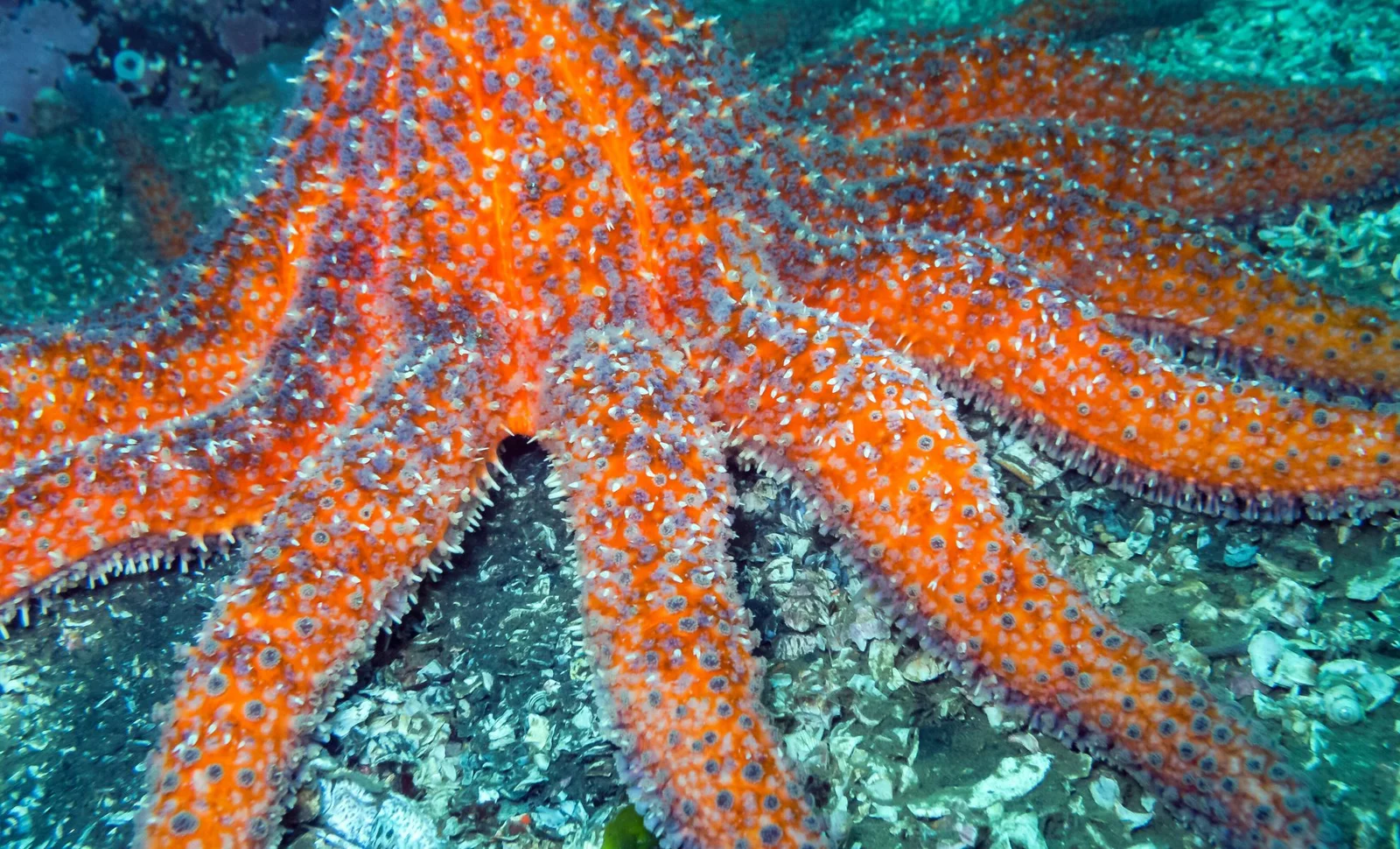
Scientists have discovered that sunflower sea stars could help restore damaged kelp forests by deterring sea urchins that overgraze these vital ecosystems, offering a natural solution to environmental degradation. Field experiments show that the presence of sea stars causes red sea urchins to avoid kelp, potentially aiding in ecosystem recovery, though further research is needed to confirm long-term effects and impact on purple sea urchins.
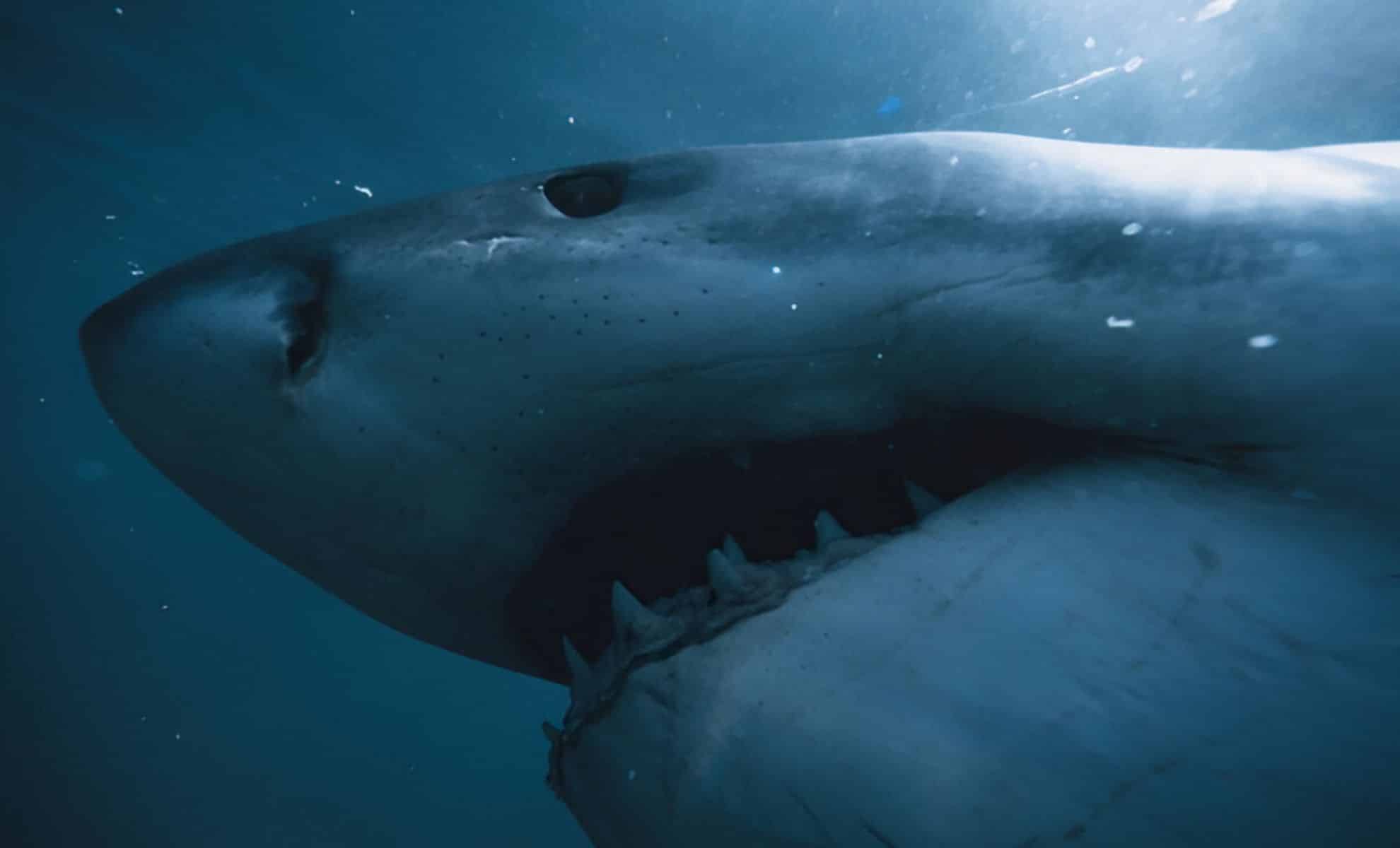
Scientists from Ocearch captured a record-breaking, massive great white shark named Contender off Florida, providing valuable data on its size, migration, and behavior to aid in conservation efforts for this endangered species.
The Cook Islands is actively combating a severe outbreak of crown-of-thorns starfish, which threaten coral reefs weakened by climate change, through volunteer efforts to manually remove the starfish and prevent widespread reef destruction.