Tag

Marine Ecology

All articles tagged with #marine ecology

science10 days ago

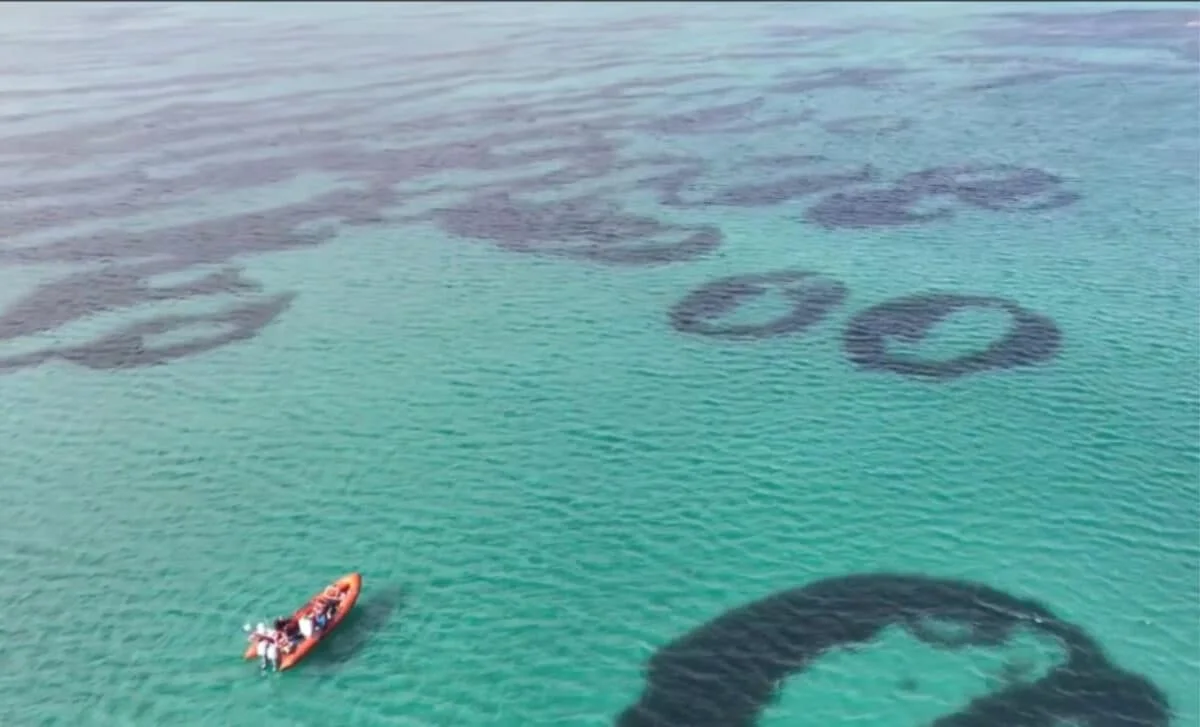
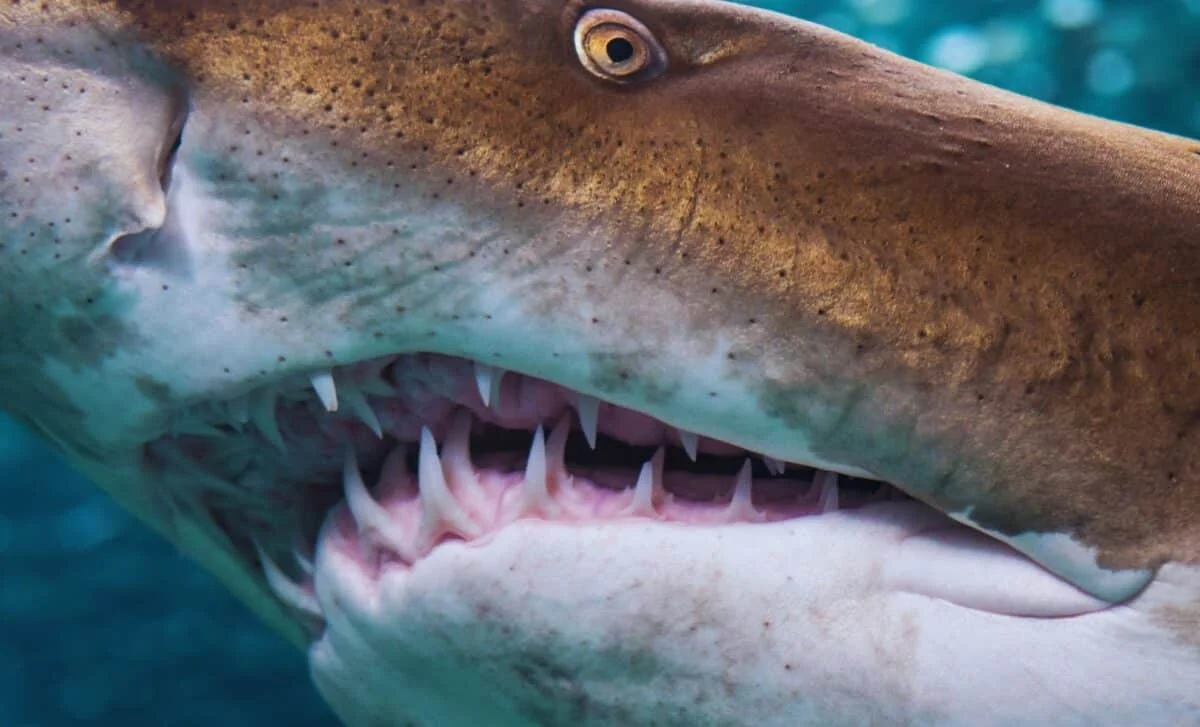
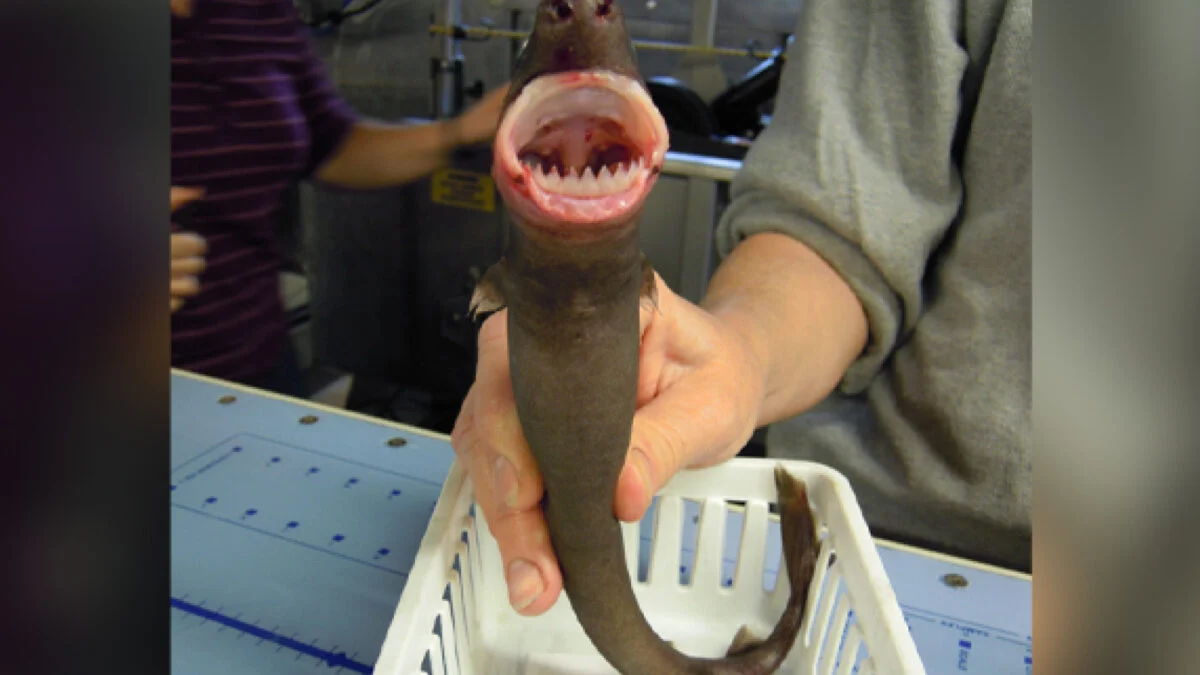
Scientists Uncover How Cookiecutter Sharks Create Perfect Circles on Whales

Scientists from the University of Hawaii have identified the elusive cookiecutter shark as the predator responsible for the circular wounds on marine mammals and fish, using a decade of data to analyze its behavior, feeding patterns, and environmental influences, revealing its nocturnal, stealthy hunting tactics and traditional Polynesian knowledge supporting scientific findings.

science18 days ago

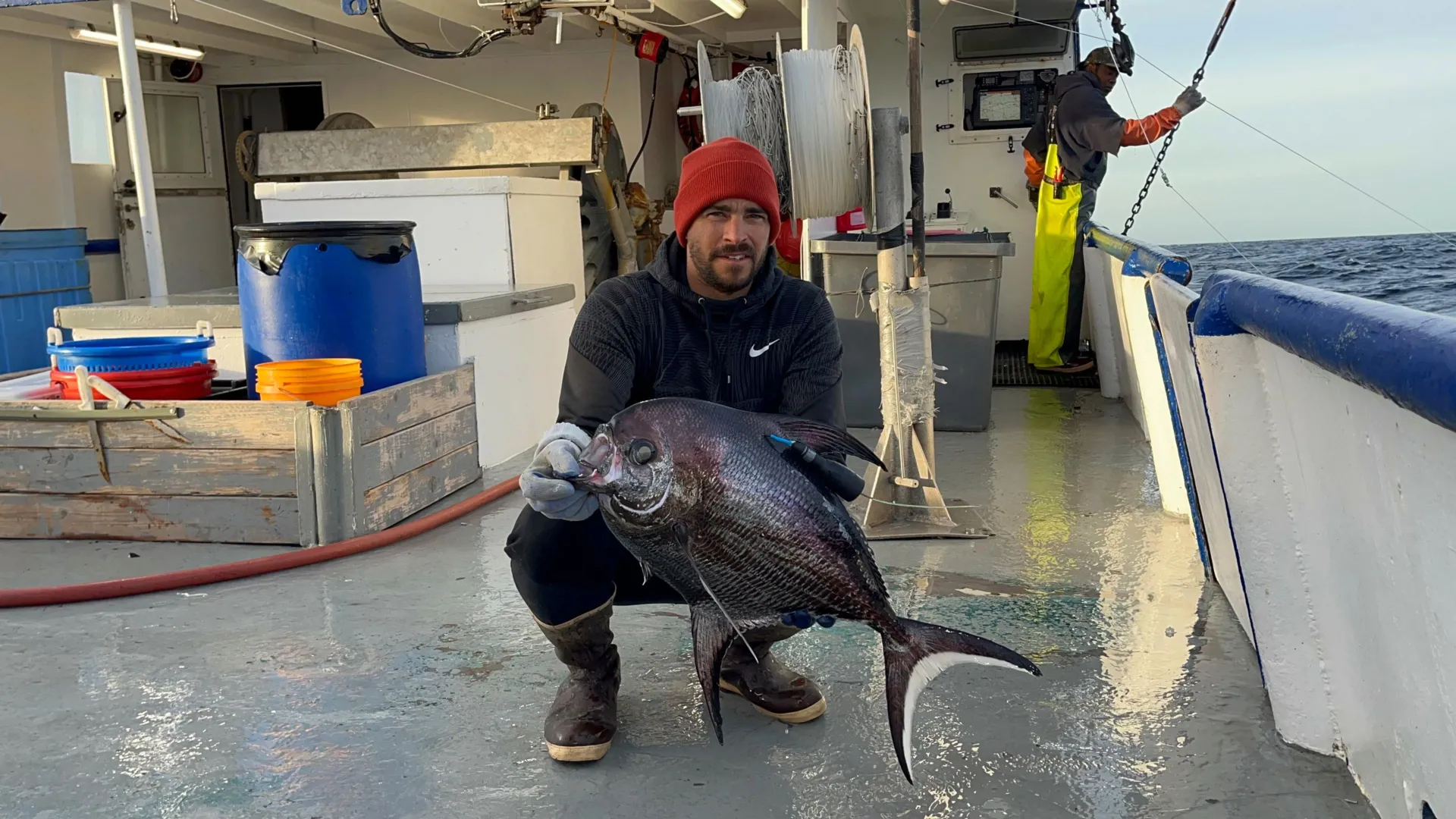
Scientists Discover Missing Link in Deep Ocean

Scientists at WHOI used satellite tracking to discover that bigscale pomfret, a mid-sized fish, spend significant time in the ocean's twilight zone, acting as a crucial link between surface and deep ecosystems, and their behavior is influenced by environmental factors like water clarity, highlighting the importance of mid-sized predators in marine food webs.

science5 months ago

Scientists Identify Bacterial Cause Behind Massive Sea Star Die-Off

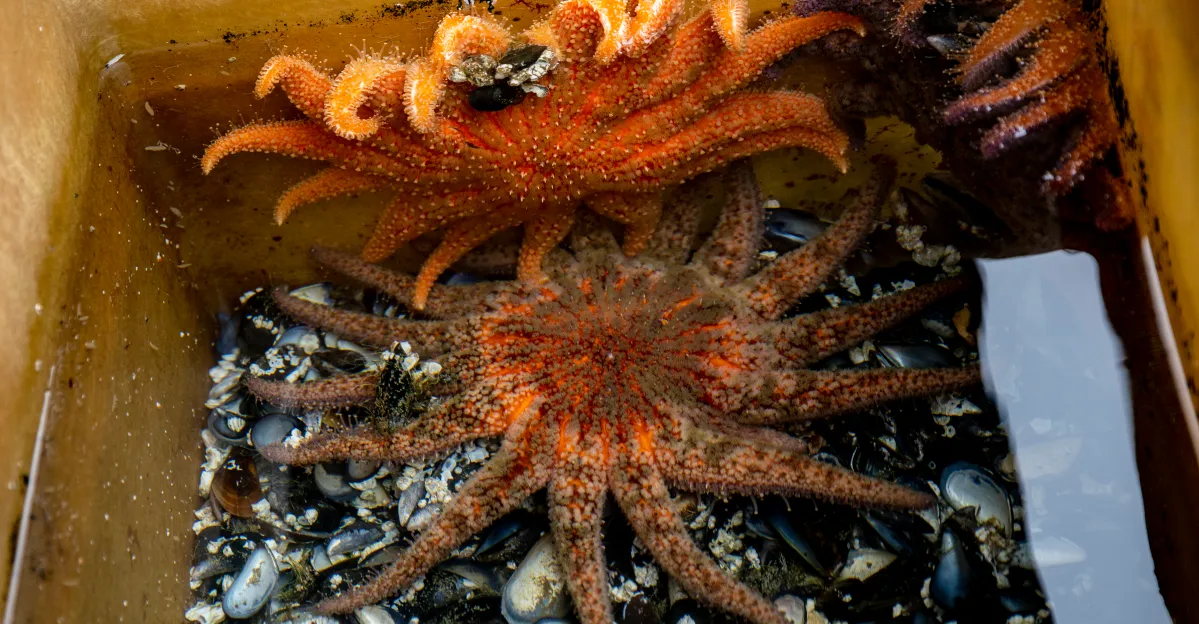
Scientists have identified the bacterium Vibrio pectenicida as the cause of sea star wasting disease, a devastating condition that has wiped out millions of sea stars along the West Coast, by conducting controlled infection experiments. This discovery paves the way for better detection and management strategies to help restore affected sea star populations and their ecosystems.

science1 year ago

Decades-Old Canned Salmon Unveils Unexpected Discovery

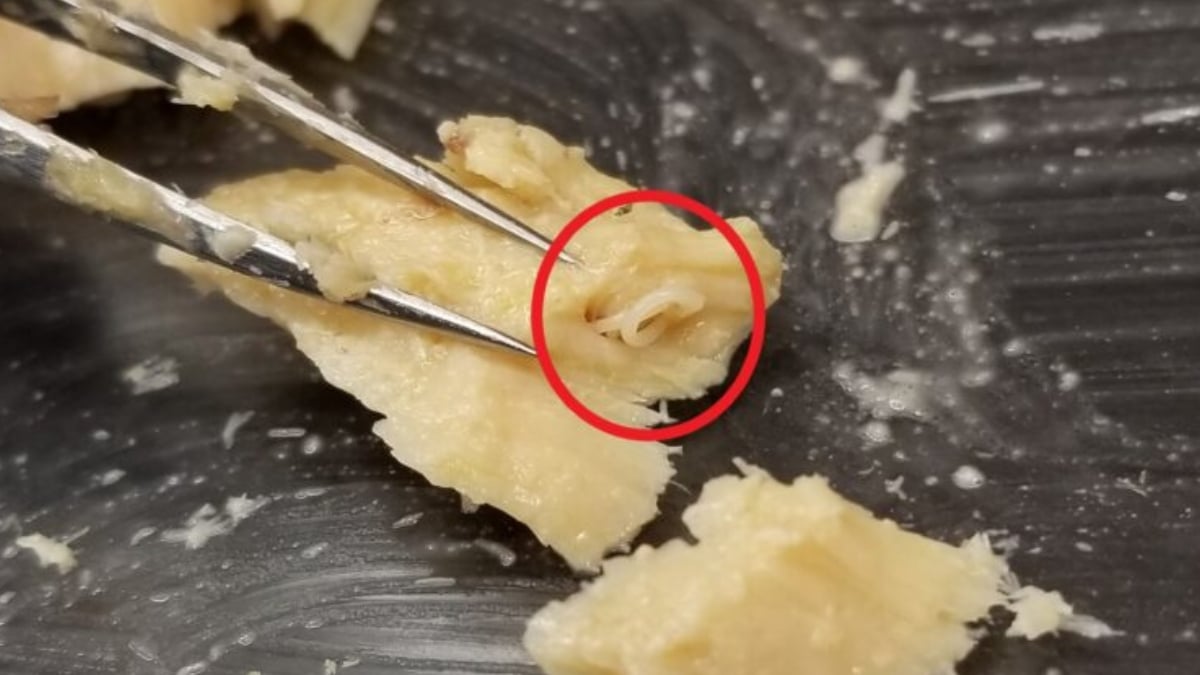
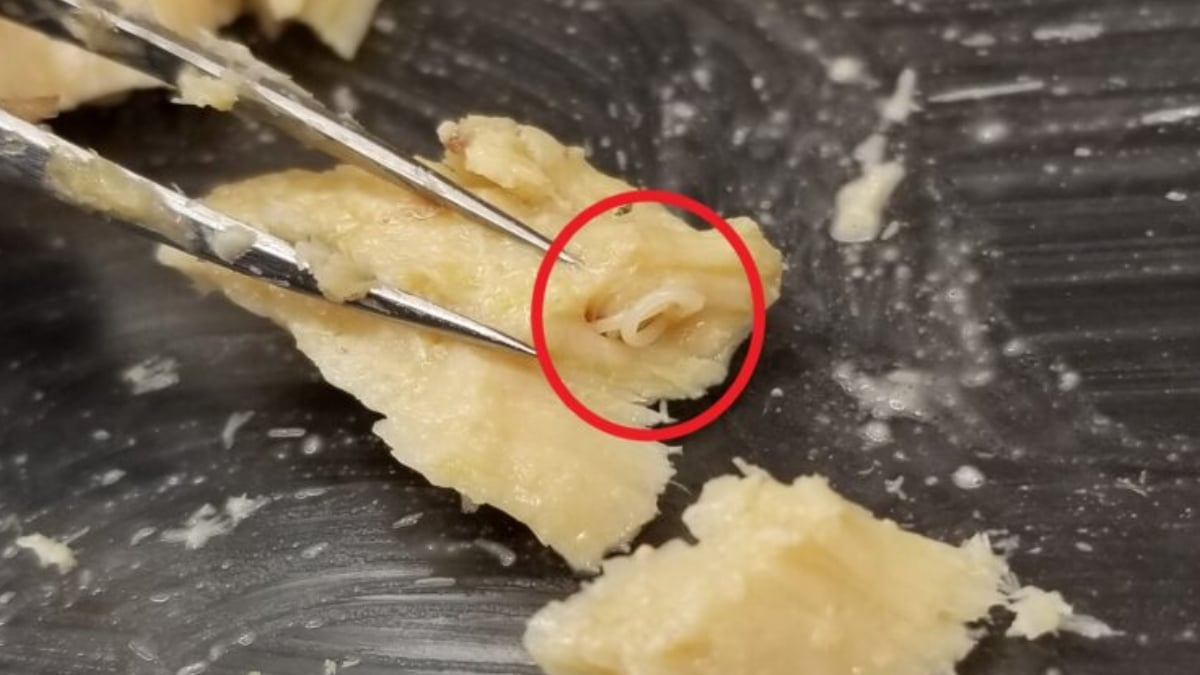
Researchers from the University of Washington have discovered that expired cans of salmon, dating back to the 1970s, serve as a valuable archive for studying marine parasites, specifically anisakid worms. These parasites, harmless to humans when canned, provide insights into the health of marine ecosystems, as their presence indicates a stable or recovering environment. The study found an increase in worm numbers in chum and pink salmon over time, suggesting a healthy ecosystem, while levels in sockeye and coho remained stable. This novel approach highlights the potential of using preserved food products for ecological research.

science1 year ago

Decades-Old Canned Salmon Unveils Unexpected Discovery

Researchers from the University of Washington have discovered that expired cans of salmon, dating back to the 1970s, serve as a valuable archive for studying marine parasites, specifically anisakid worms. These parasites, harmless to humans when canned, provide insights into the health of marine ecosystems, as their presence indicates a stable or recovering environment. The study found an increase in worm numbers in chum and pink salmon over time, suggesting a healthy ecosystem, while levels in coho and sockeye remained stable. This novel approach could lead to further ecological discoveries.

science-and-nature1 year ago

"Baby Sharks Adapting to Coastal Environments, Study Finds"

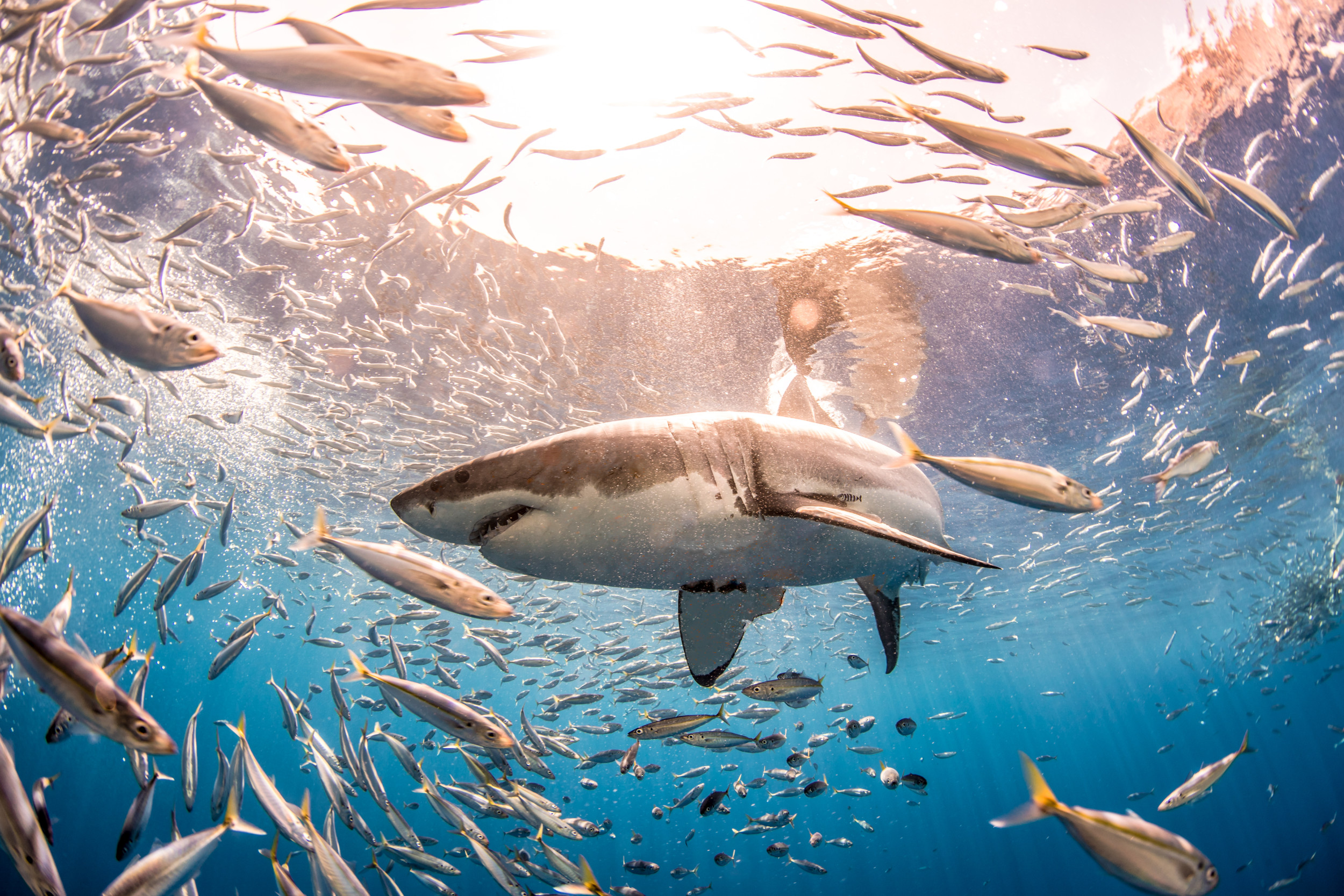
Researchers have discovered that great white sharks exhibit flexible behavior, adapting their movements and routines to suit their local environment and exploit feeding opportunities. By tagging 21 sharks and analyzing their behavior in different environments, the study found that sharks adjust their activity based on the availability of prey, with variations in movements observed between sharks from different areas. This newfound understanding of shark behavior could provide valuable insights into marine ecology and pave the way for further research using advanced tagging technology.

marine-biology1 year ago

"Orcas' Savage Tactics: Thriving as Apex Predators in the Open Sea"

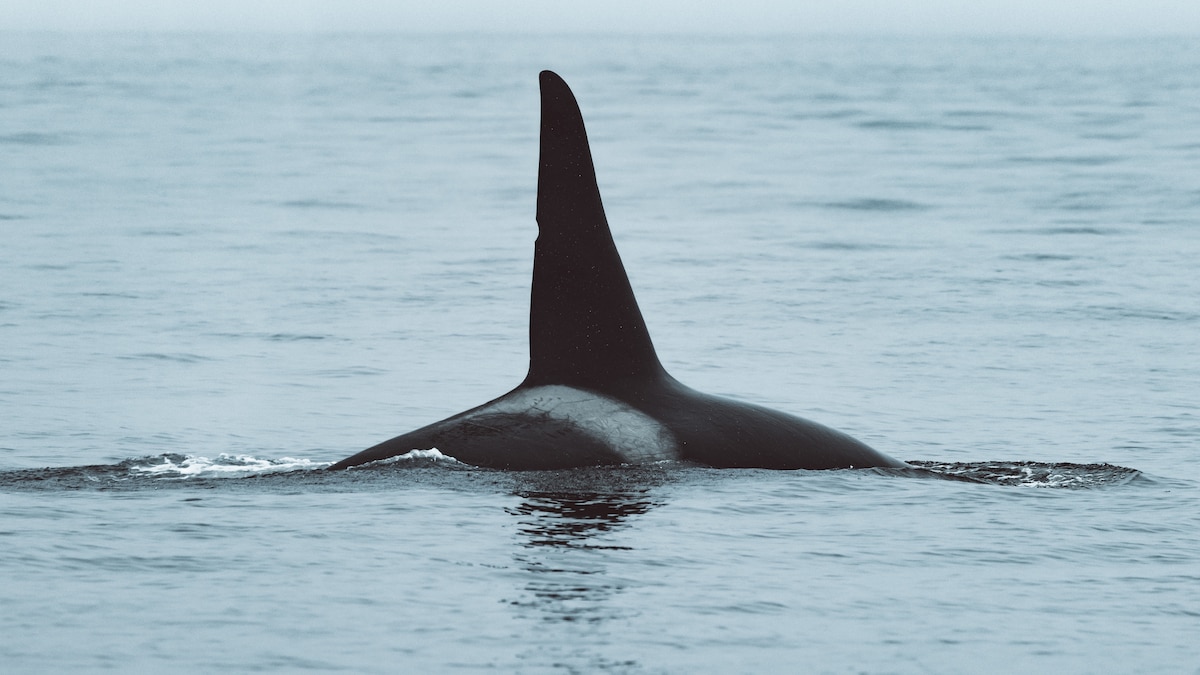
Scientists have discovered a potential new population of killer whales, dubbed the oceanics, that thrive in the open ocean and hunt large whales and other sizable prey. These orcas, distinct from known ecotypes, have been observed in the North Pacific, displaying unique physical characteristics and feeding behaviors. The study suggests that the oceanics may have formed as prey drew them farther from shore, and further research is needed to understand this mysterious population's genetic makeup and ecological impact.

environment1 year ago

Sea Cucumbers' Role in Protecting Coral Reefs from Disease

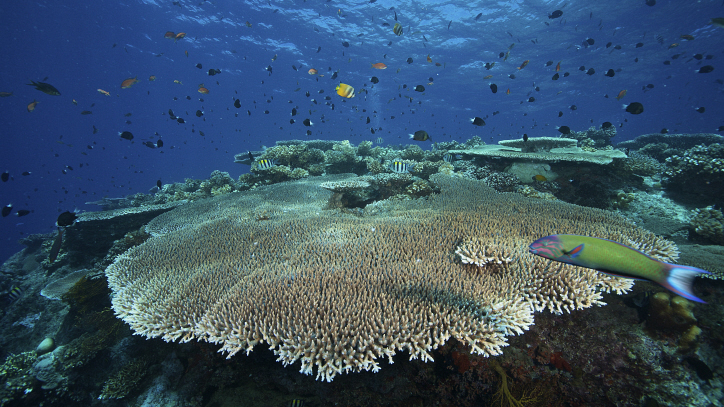
A new study suggests that sea cucumbers play a crucial role in protecting coral reefs from disease by consuming microbes that can lead to coral mortality. Research conducted in French Polynesia and Palmyra Atoll showed that removing sea cucumbers led to a significant increase in coral tissue death. The decline in sea cucumber populations due to overexploitation may have contributed to the decline of coral reefs over the past century. The study highlights the importance of sea cucumbers in maintaining coral health and suggests the potential for conservation measures to allow their populations to recover and support reef ecosystems.

environment1 year ago

"Extinct Atlantic Gray Whale Spotted off Nantucket After 200 Years"

For the first time in centuries, a gray whale has been spotted in New England's waters, marking a return to the Atlantic Ocean. Scientists believe warming global temperatures have melted arctic ice, allowing the whales to travel from the Pacific to the Atlantic more freely. While this could be a positive adaptation to changing conditions, it may also indicate a decline in prey in the Pacific, as evidenced by an increase in gray whale strandings along North America's western coast.

marine-biology1 year ago

Orca's Solo Kill: A Game-Changing Ecological Shift

Researchers off the coast of South Africa observed a male orca, named Starboard, hunting and consuming a juvenile great white shark in just two minutes, showcasing a rare instance of solitary orca predation on a great white. This behavior, previously unseen, has raised concerns about the impact of orcas on the coastal marine ecology and the food chain in the ecosystem. The orcas' preference for extracting and consuming the nutrient-rich livers of great white sharks has been documented, and their predatory behavior has led to a decline in great white shark populations in certain areas. Additionally, orcas have been observed preying on other large marine animals and even engaging in aggressive behavior towards human vessels.