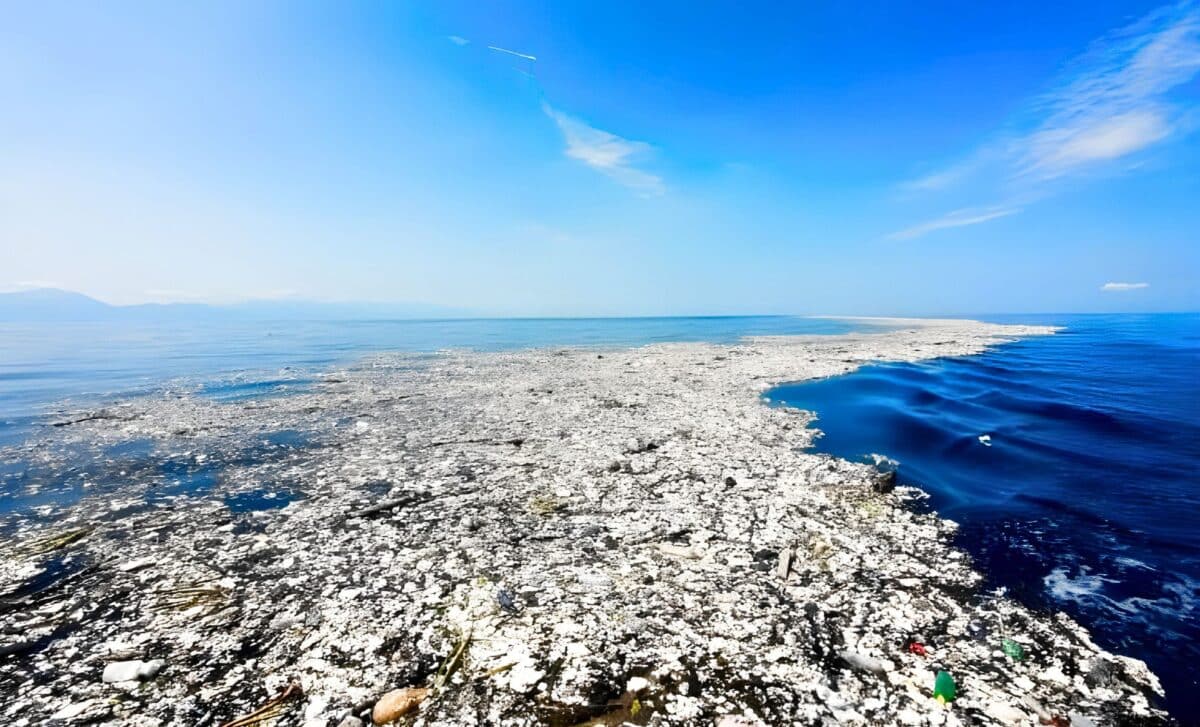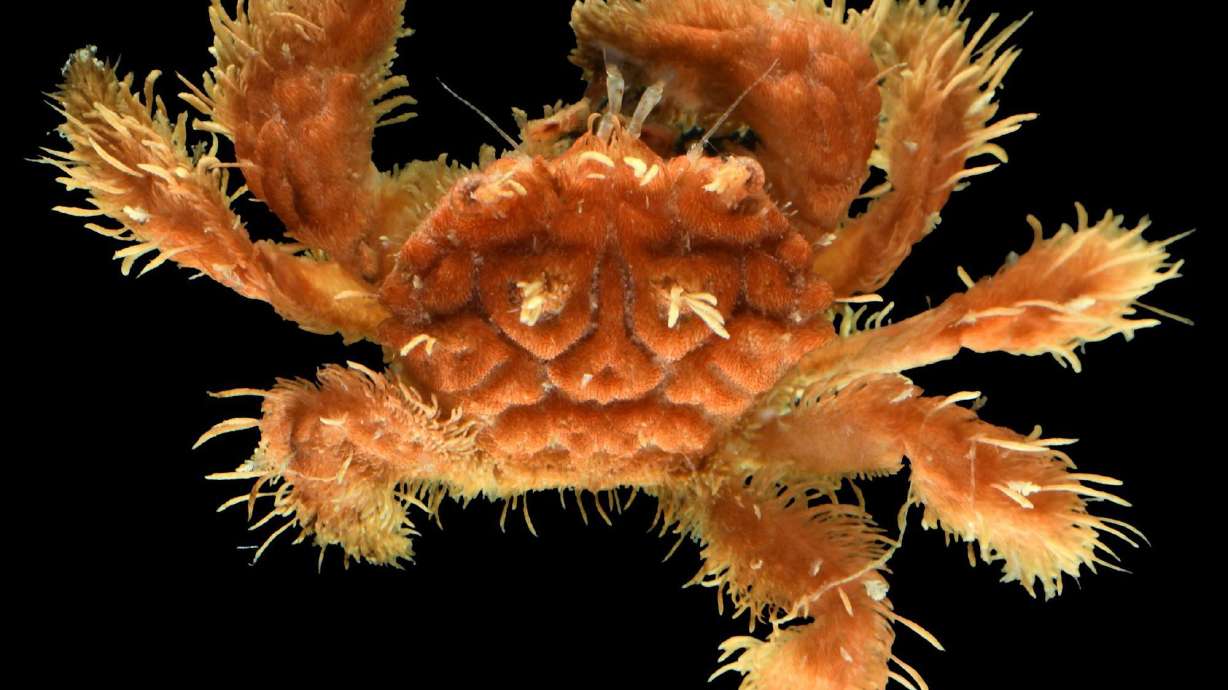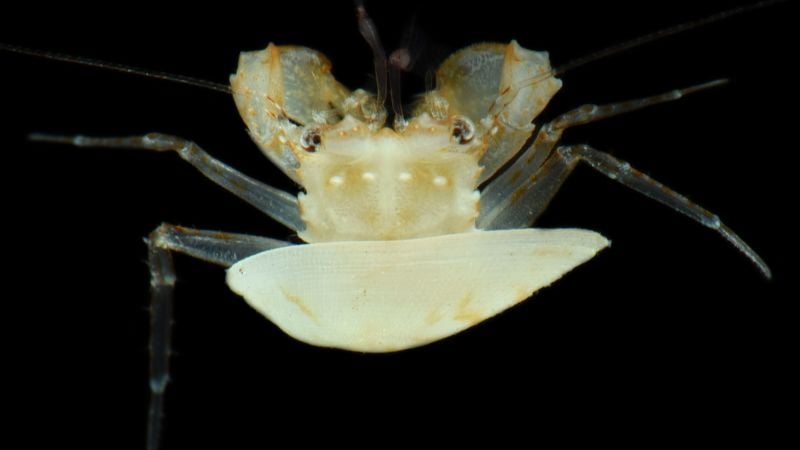
The Great Pacific Garbage Patch, once seen solely as pollution, is now hosting diverse marine communities, including species typically found near coastlines, which are reproducing and thriving on plastic debris, transforming it into a new habitat in the open ocean.
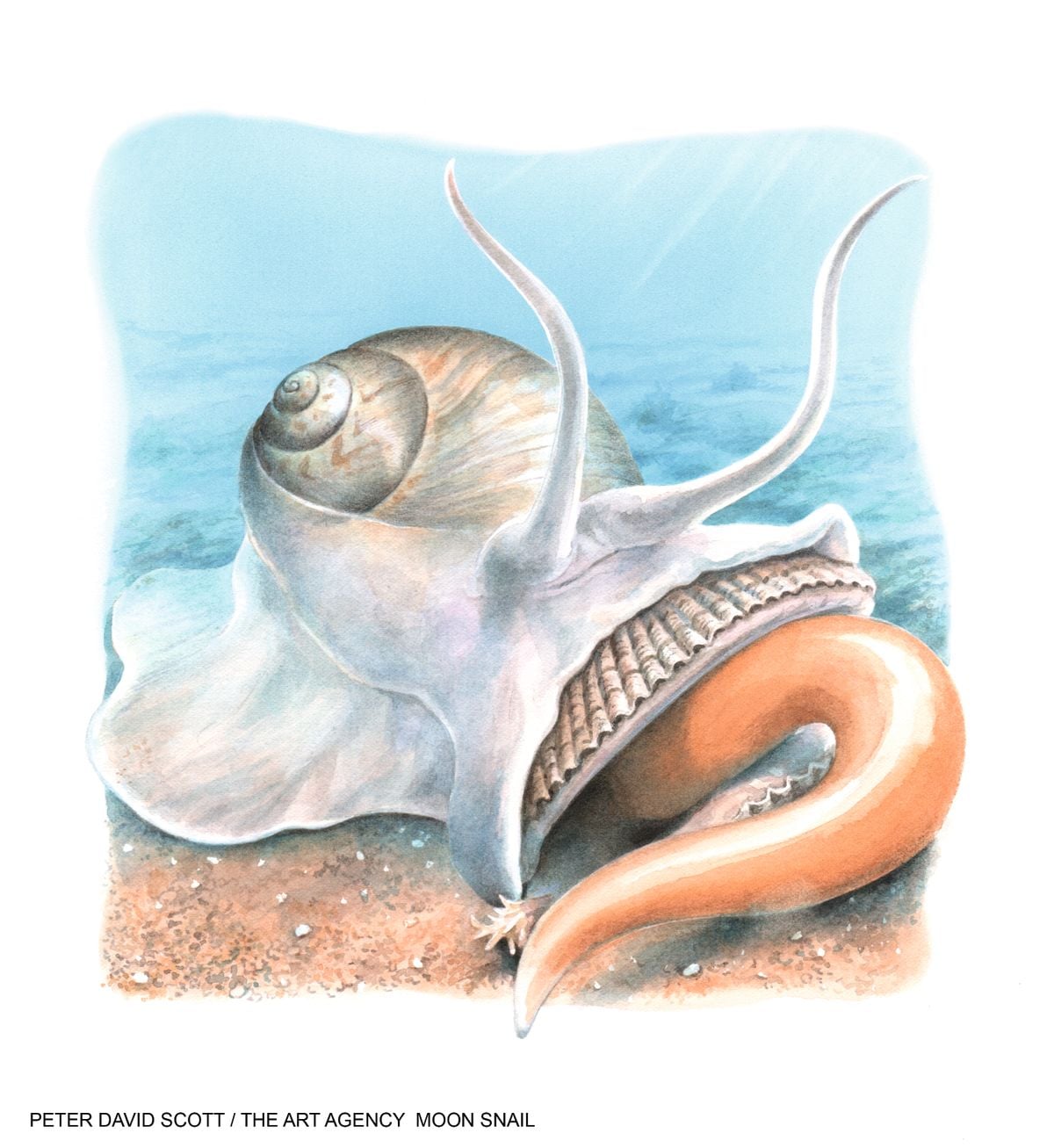
The article describes the moon snail, a predatory sea snail that paralyzes and liquefies its prey, typically other mollusks, by drilling precise holes in their shells using a combination of physical grinding and chemical secretions, making it a fascinating yet deadly marine creature often found on UK beaches.
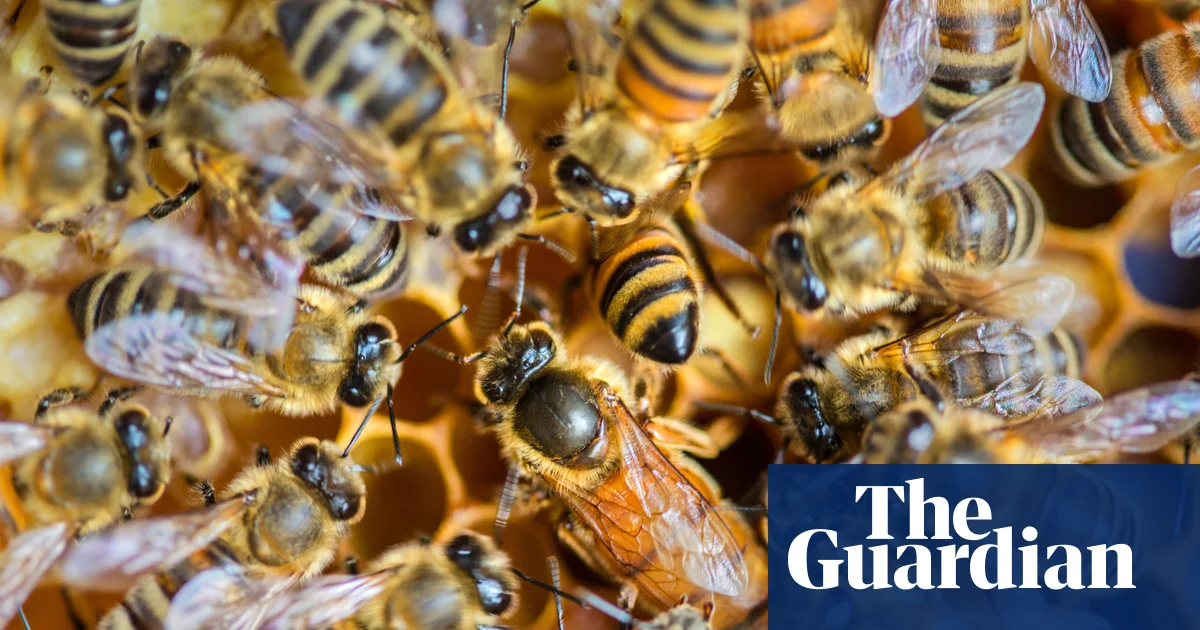
Despite setbacks from the Trump administration, 2025 saw significant environmental wins across the US, including California's methane satellite monitoring, Hawaii's fungi research for plastic degradation, identification of honeybee viruses, reduction in hypoxia in Long Island Sound, innovative coral reef restoration, New Mexico’s wildlife crossings funding, and solar-powered nets reducing sea turtle bycatch.
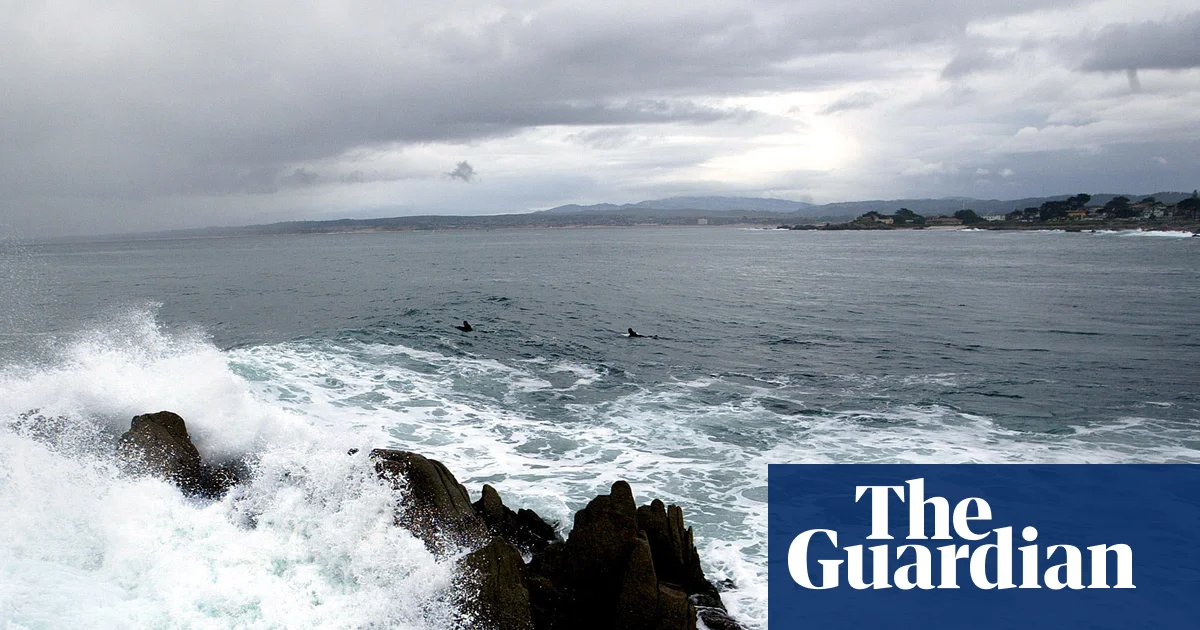
The body of triathlete Erica Fox was found on a California beach nearly a week after she went missing during a swim, with reports suggesting she was killed by a shark, highlighting the rare but real danger of shark encounters in the region.
A body believed to be that of Erica Fox, a triathlete who disappeared during a swim in Monterey Bay amid a shark sighting, was found off California's Central Coast. Witnesses reported a shark breach with what appeared to be a body in its jaws, and authorities confirmed her identity. The incident highlights the rare but serious risk of shark attacks in California waters.
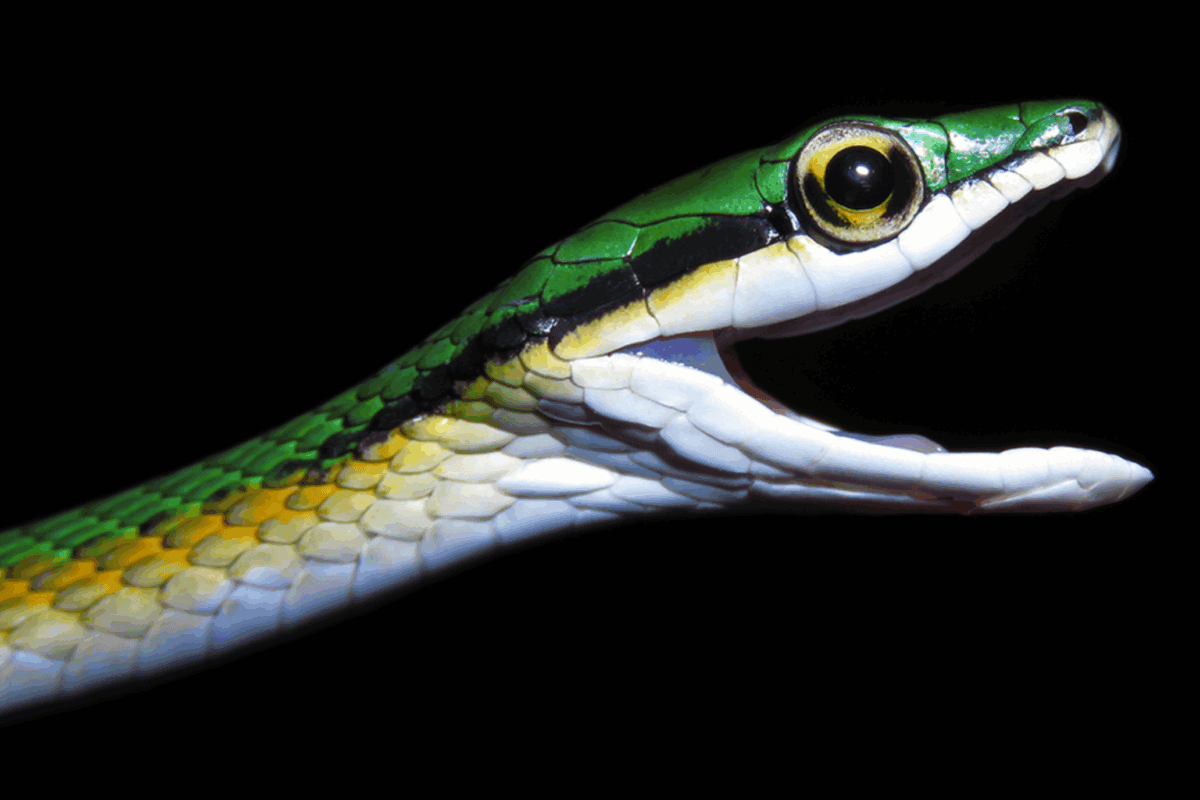
Scientists described numerous new species in 2025, including a tiny marsupial, Himalayan bat, ancient trees, a blue butterfly, and marine creatures like a new manta ray and guitar shark, highlighting Earth's rich biodiversity and urgent conservation needs amid threats like habitat loss and climate change.
A fin whale's head, buried in Cornwall after it stranded and died in 2020, was excavated using heavy equipment and is now preserved as a monument, highlighting efforts to memorialize marine life and address biohazard concerns.
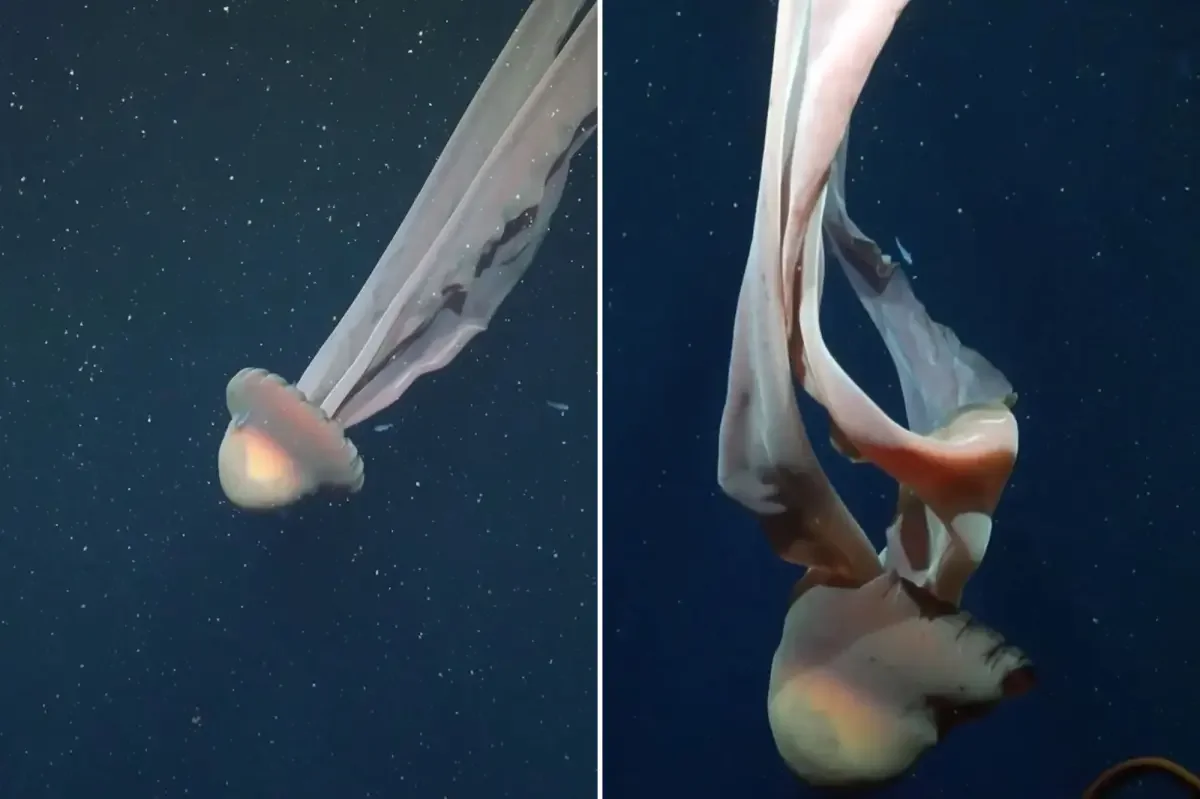
Scientists exploring Guam's deep ocean twilight zone discovered new species and collected data indicating climate change impacts, highlighting the region's ecological importance and vulnerability, despite the challenges of deep-sea diving.
Scientists from the California Academy of Sciences conducted deep dives into Guam's ocean twilight zone, discovering new species and gathering data on climate change impacts, revealing that even these deep, previously thought to be protected, waters are affected by human activity and warming temperatures.
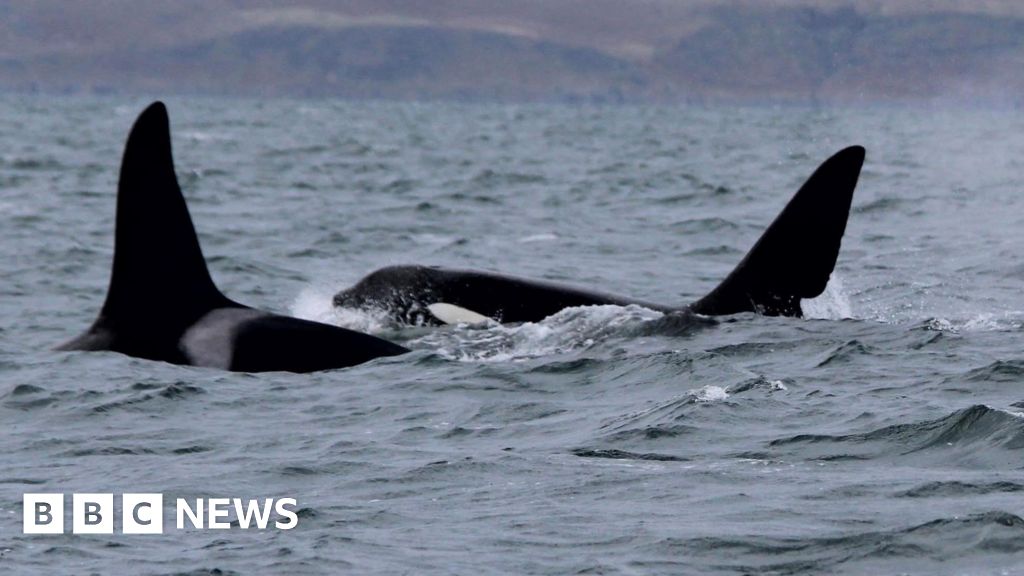
A rare sighting off Scotland's west coast has recorded the last known members of the UK orca group, the West Coast Community, with only two individuals, John Coe and Aquarius, seen together after years of decline. The sightings highlight the ongoing challenges faced by marine species, including chemical contamination and habitat threats, while also marking significant discoveries like the first breeding site for the critically endangered flapper skate in Orkney.
Scientists detected a potentially deadly whale virus in the Arctic for the first time using drone-based breath sampling, highlighting new disease risks for marine mammals amid rapid environmental changes in northern ecosystems.
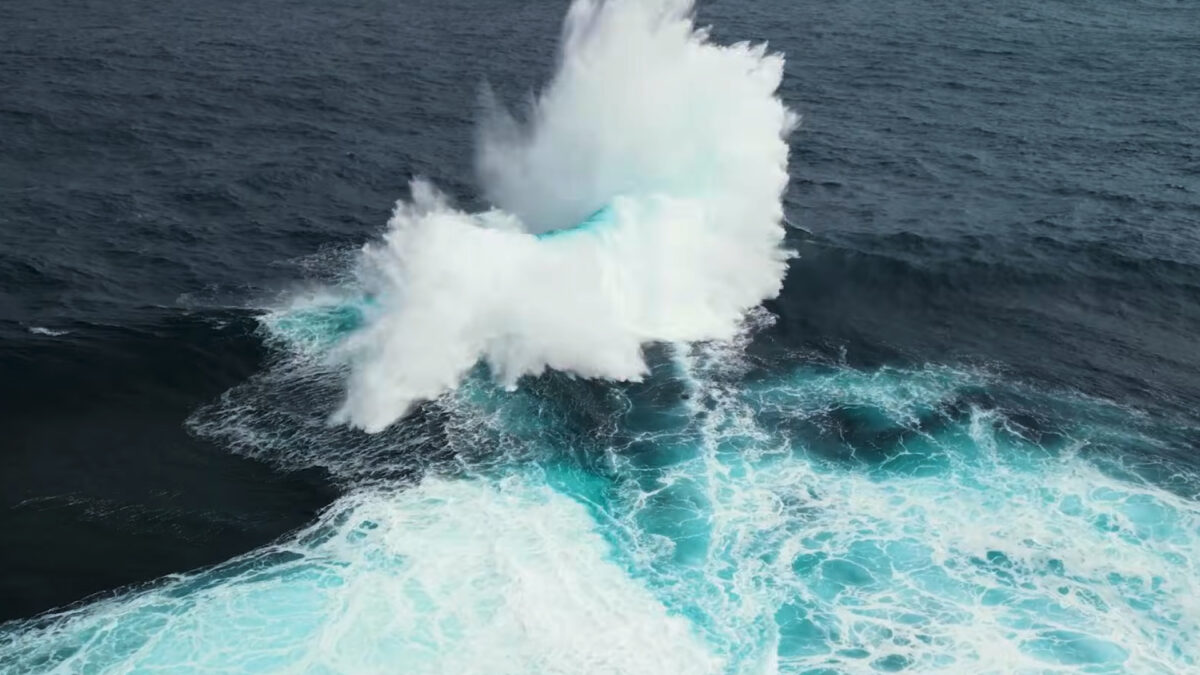
Australian surfers captured a recurring and mysterious ocean 'glitch' involving a vortex and a towering saltwater pillar, which remains unexplained and is considered a rare, spectacular natural phenomenon.
Scientists discovered large sharks swimming inside Kavachi, an active underwater volcano in the Solomon Islands, challenging assumptions that such hostile environments cannot support complex life. The sharks appeared unaffected by the hot, acidic waters, raising questions about their adaptations and resilience. Follow-up research using robotic equipment confirmed the extreme conditions, but the survival mechanisms of these sharks remain unknown, offering potential insights into marine adaptation to environmental stress.
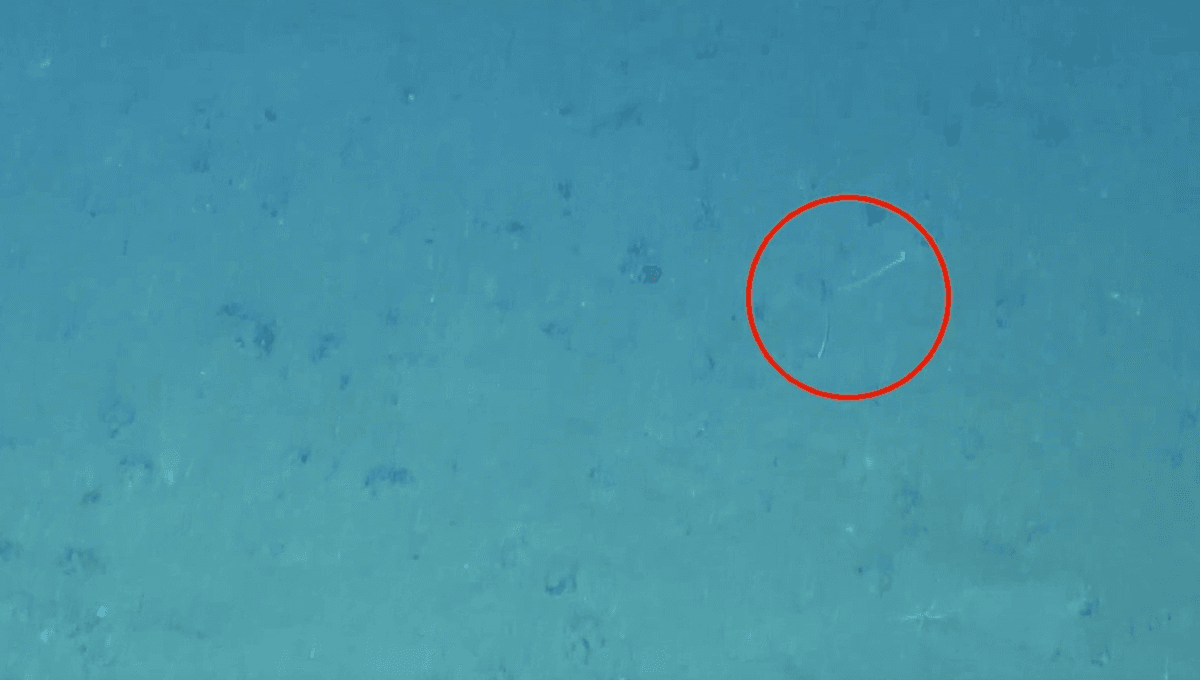
Scientists captured the first footage of an unknown deep-sea squid burying itself in the seabed, possibly for camouflage or predation, revealing complex behaviors and highlighting the vast, unexplored diversity of deep-sea ecosystems.
Sightings of giant jellyfish, particularly the barrel jellyfish, have surged around the UK coast this year, likely due to rising sea temperatures and changing currents, with ecological shifts also affecting other marine species; meanwhile, sightings of the Portuguese man o’ war have decreased significantly.