Tag

Extreme Environment

All articles tagged with #extreme environment

Sharks Discovered Living Inside Active Underwater Volcanoes

Originally Published 25 days ago — by Times of India

Featured image for Sharks Discovered Living Inside Active Underwater Volcanoes
Source: Times of India

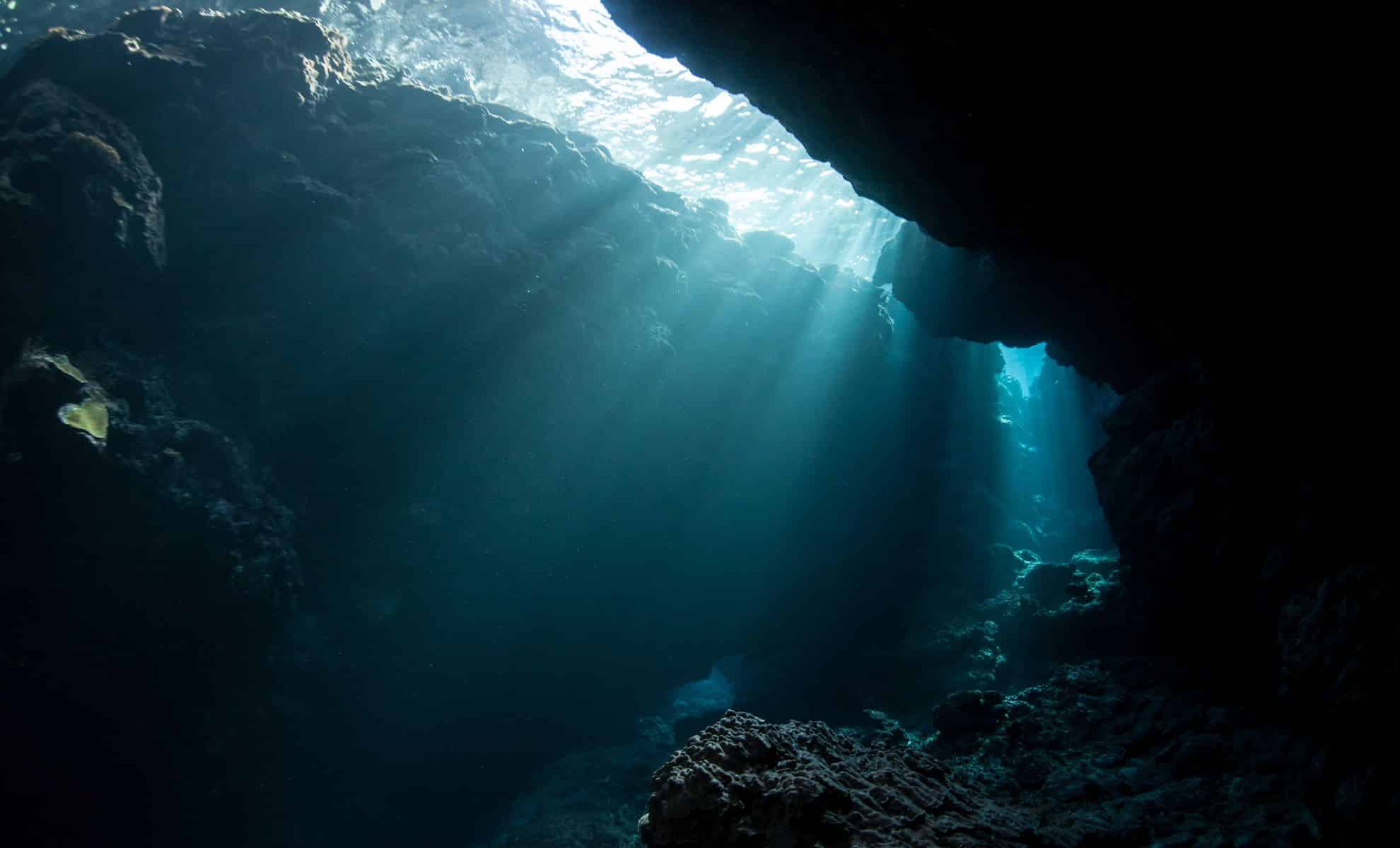
Scientists discovered large sharks swimming inside Kavachi, an active underwater volcano in the Solomon Islands, challenging assumptions that such hostile environments cannot support complex life. The sharks appeared unaffected by the hot, acidic waters, raising questions about their adaptations and resilience. Follow-up research using robotic equipment confirmed the extreme conditions, but the survival mechanisms of these sharks remain unknown, offering potential insights into marine adaptation to environmental stress.

Two Decades of Exploration in Antarctica

Originally Published 26 days ago — by European Space Agency

Featured image for Two Decades of Exploration in Antarctica
Source: European Space Agency

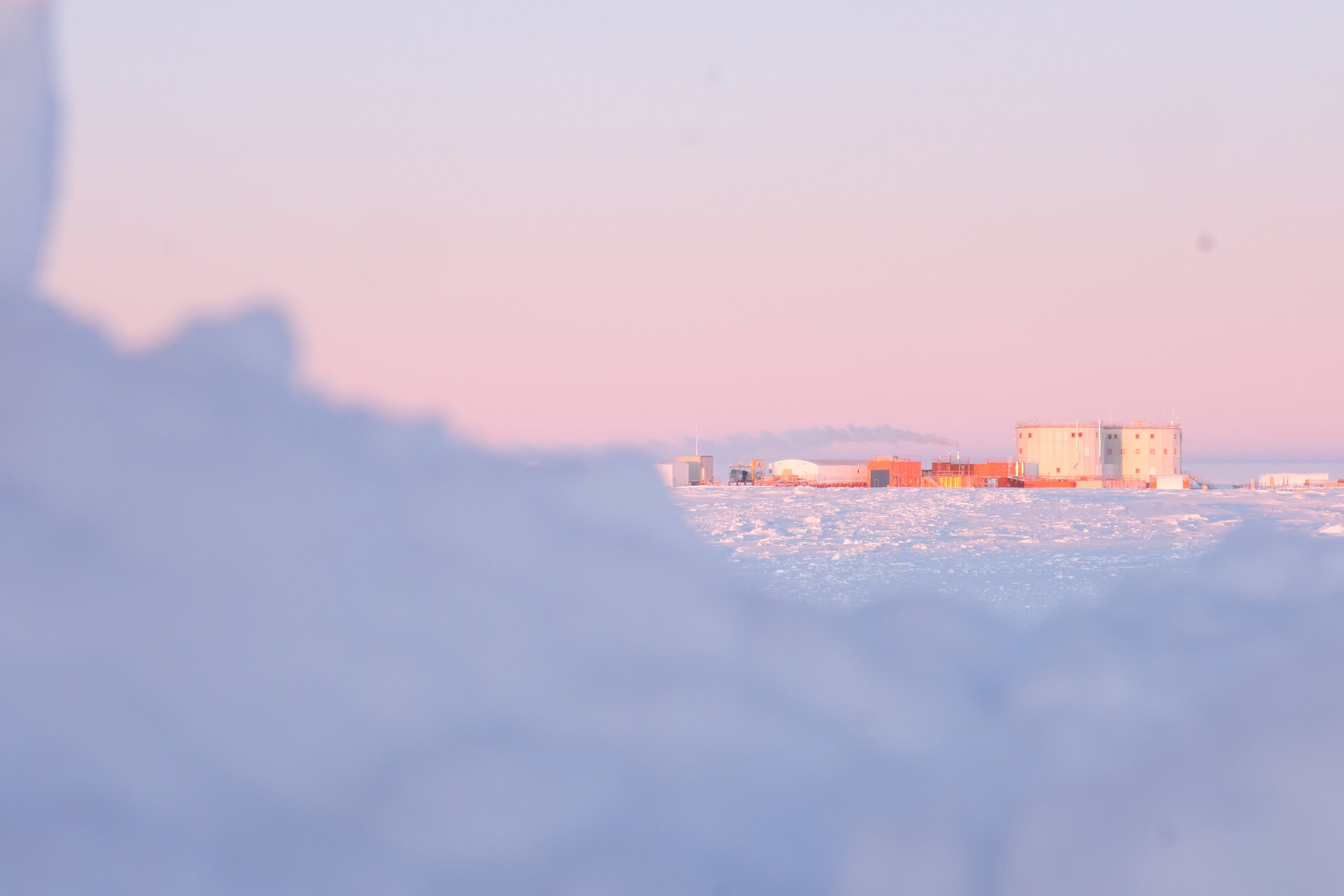
ESA has been conducting a 20-year study at Concordia station in Antarctica, where a medical doctor lives for 13 months to research the psychological and physiological effects of extreme isolation and environment, providing insights relevant to space missions beyond Earth.

Scientists Discover Thriving Microbial Life in Earth's Most Extreme Environments

Originally Published 2 months ago — by ScienceDaily

Featured image for Scientists Discover Thriving Microbial Life in Earth's Most Extreme Environments
Source: ScienceDaily

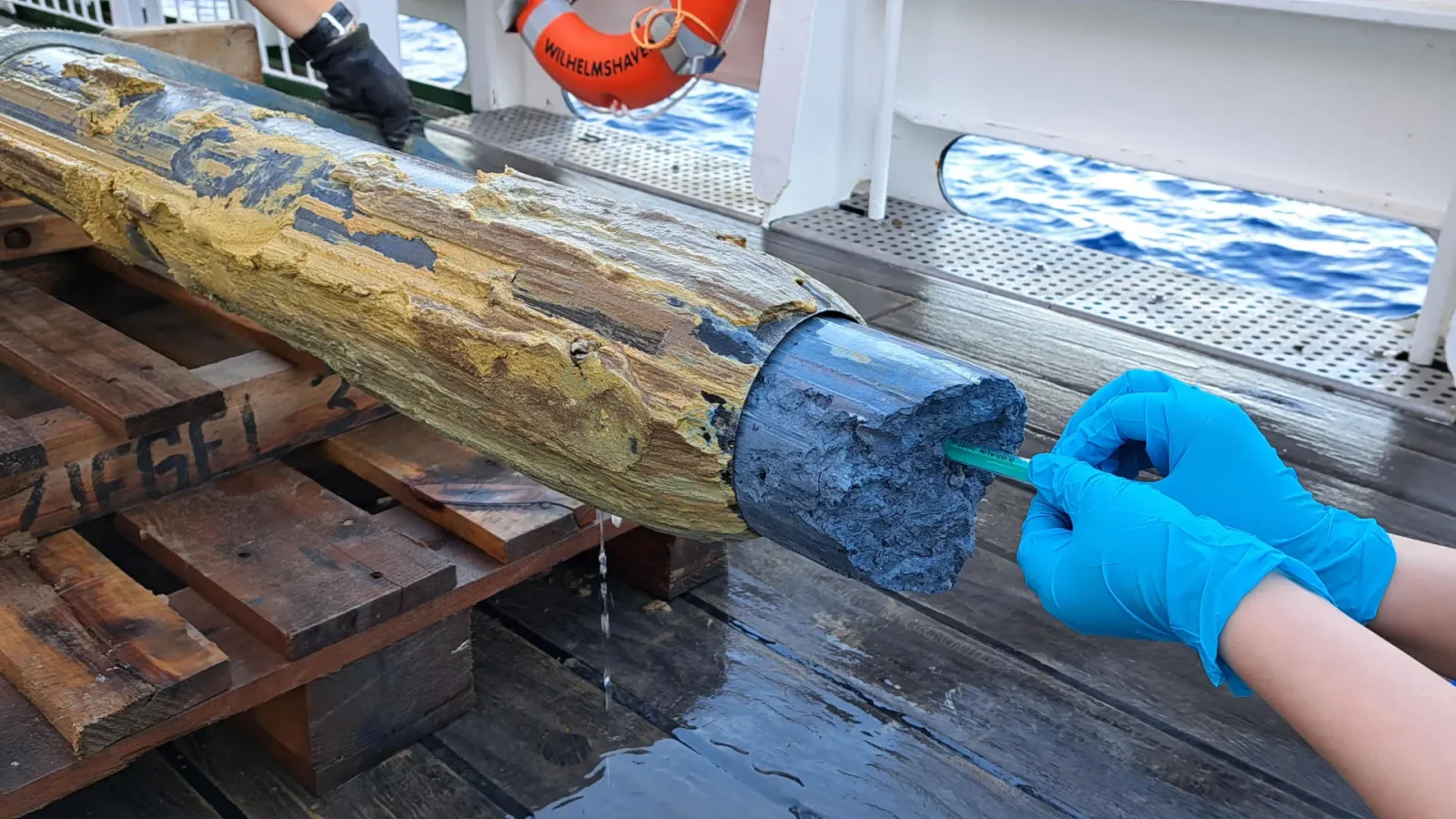
Scientists discovered microbial life in an extremely alkaline underwater environment with pH 12, using lipid biomarkers to study survival strategies of methane- and sulfate-metabolizing microbes, revealing both ancient and modern microbial populations and challenging previous assumptions about life's limits.

Centuries-Old Blood-Red Waterfall Flows from Antarctic Glacier

Originally Published 3 months ago — by Daily Express

Featured image for Centuries-Old Blood-Red Waterfall Flows from Antarctic Glacier
Source: Daily Express

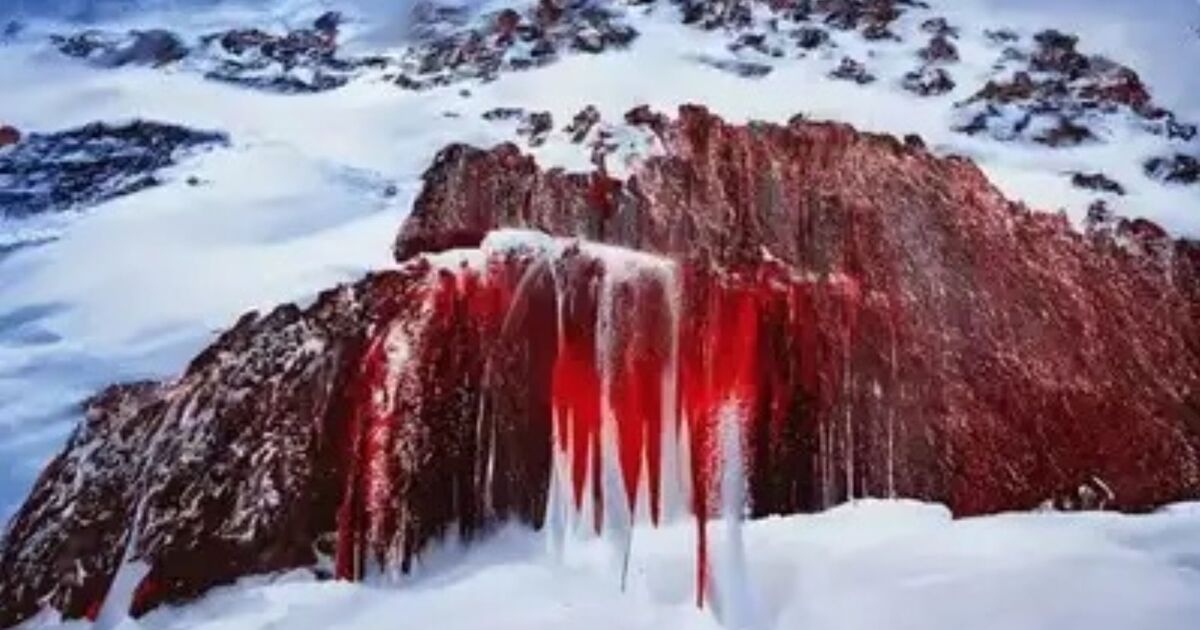
Blood Falls is a striking red waterfall in Antarctica, caused by iron-rich water oxidizing upon exposure, which has been flowing for centuries from beneath a glacier. Despite the extreme cold, the water remains liquid due to high salinity, and it hosts unique bacteria that survive without sunlight. This phenomenon offers valuable insights into microbial life in extreme conditions and the potential for life on other planets.

Paralvinella hessleri: The acid-dwelling yellow worm that uses poison for defense

Originally Published 3 months ago — by Live Science

Featured image for Paralvinella hessleri: The acid-dwelling yellow worm that uses poison for defense
Source: Live Science

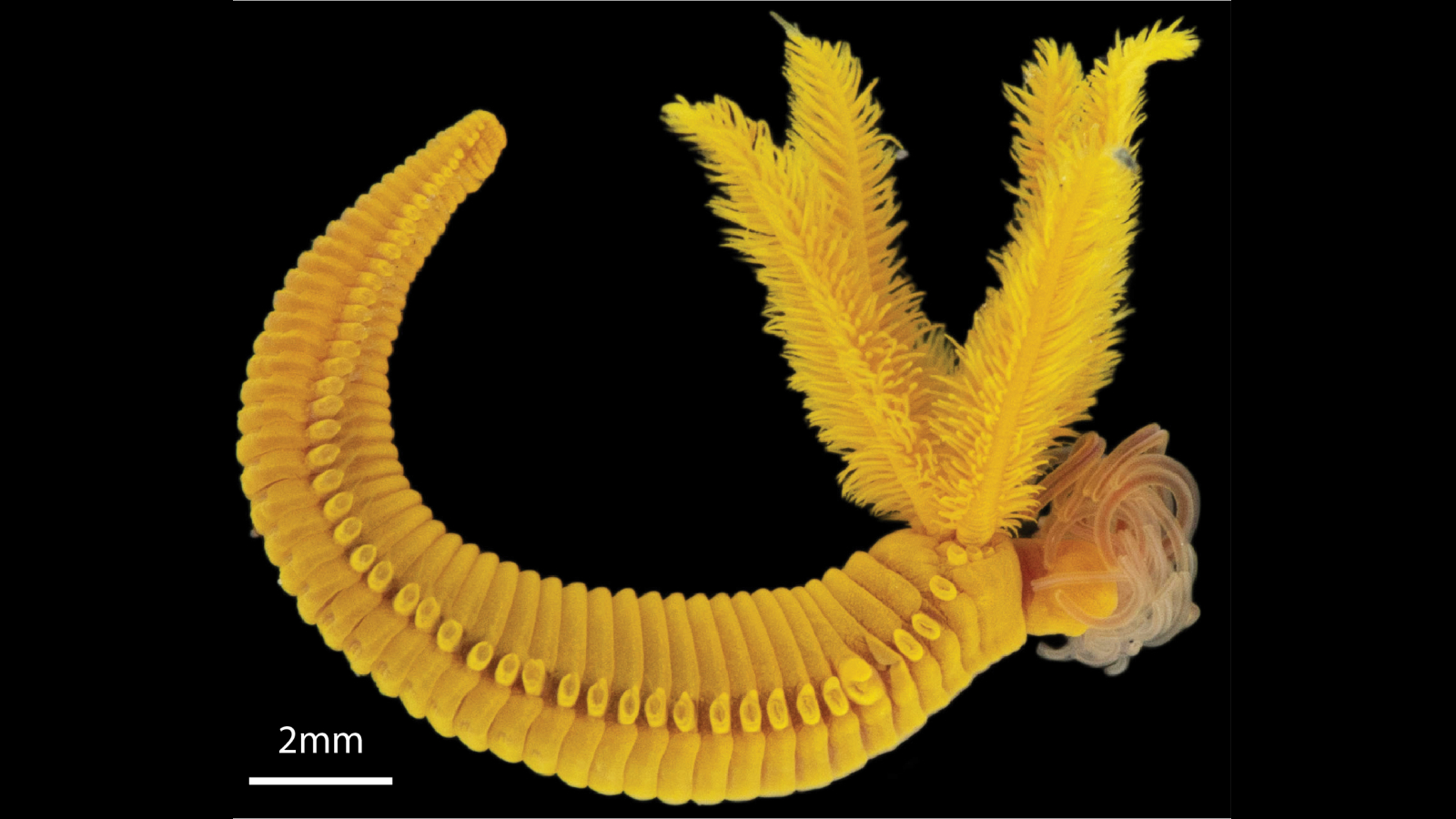
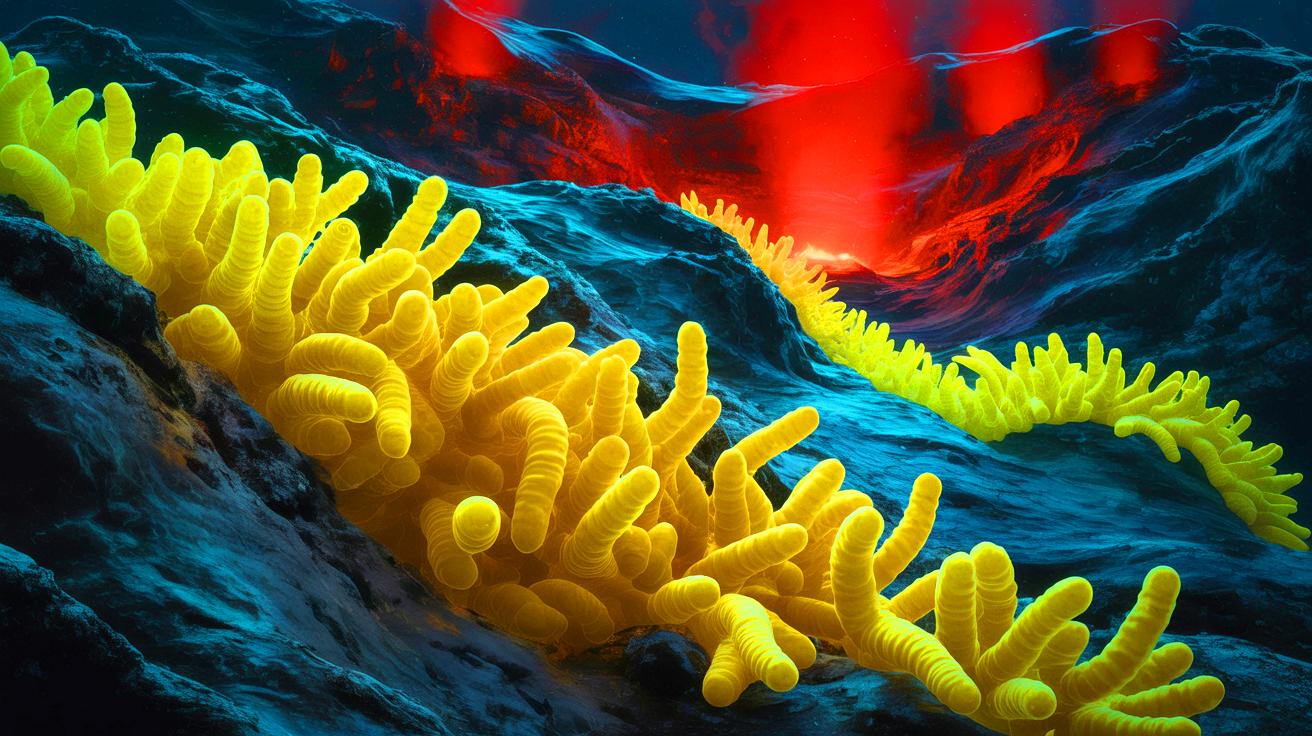
Paralvinella hessleri is a yellow worm living in the toxic, high-temperature hydrothermal vents of the Pacific Ocean that survives by storing arsenic in its skin, where it reacts with sulfide to form a less harmful mineral, effectively fighting poison with poison.

Scientists Discover Paralvinella Hessleri Turns Arsenic Into Bright Pigment

Originally Published 3 months ago — by Energy Reporters

Featured image for Scientists Discover Paralvinella Hessleri Turns Arsenic Into Bright Pigment
Source: Energy Reporters

Scientists have discovered that Paralvinella hessleri worms thrive in toxic hydrothermal vents by detoxifying arsenic with sulfur, forming non-toxic minerals, showcasing remarkable adaptation and resilience in extreme conditions, with potential implications for environmental and medical sciences.

Scientists Discover New Predator in Ocean's Mysterious Zone

Originally Published 6 months ago — by The Daily Galaxy

Featured image for Scientists Discover New Predator in Ocean's Mysterious Zone
Source: The Daily Galaxy

Scientists have discovered a new predatory crustacean, Dulcibella camanchaca, thriving nearly 8,000 meters below the ocean surface in the Atacama Trench, highlighting the potential for undiscovered life in Earth's deepest, most extreme environments and offering insights relevant to extraterrestrial life exploration.

"Earthly Testing of Next-Gen Moon Camera Prototype"

Originally Published 2 years ago — by PetaPixel

Featured image for "Earthly Testing of Next-Gen Moon Camera Prototype"
Source: PetaPixel

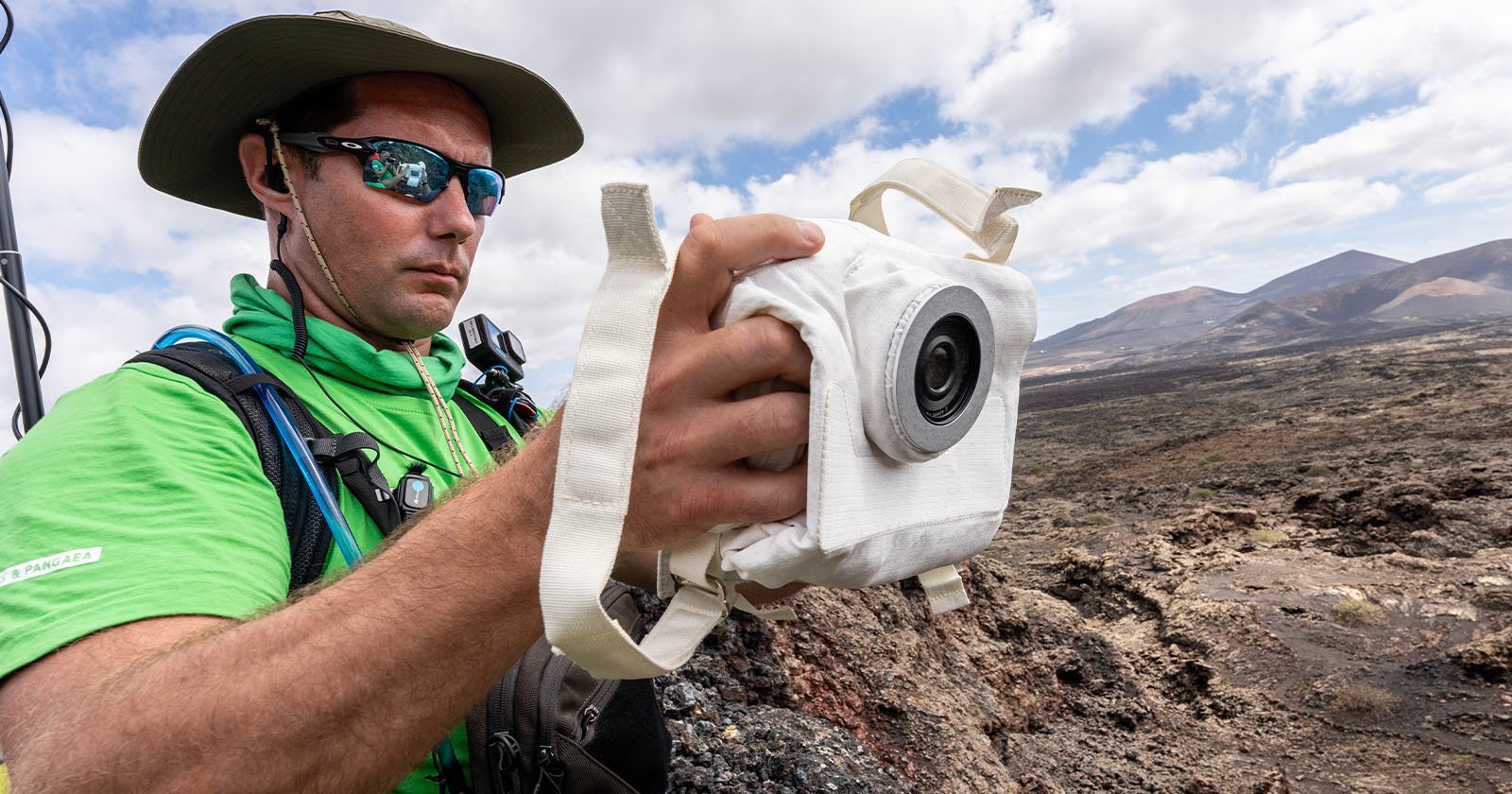
The European Space Agency (ESA) and NASA have developed a prototype camera called the Handheld Universal Lunar Camera (HULC) for the upcoming Artemis III mission to the Moon. The camera, made from modified off-the-shelf parts, has been tested in lunar-like environments on Earth, including volcanic caves, to ensure its functionality in extreme conditions. It features special ergonomic buttons for use with spacesuit gloves and a thermal blanket for protection against the Moon's temperature fluctuations. The camera will be used by astronauts to capture detailed images of the lunar surface and landscapes during the mission, which is scheduled for December 2025.

Florida Scientist 'Dr. Deep Sea' Resurfaces After Record-Breaking 100 Days Underwater

Originally Published 2 years ago — by Newser

Featured image for Florida Scientist 'Dr. Deep Sea' Resurfaces After Record-Breaking 100 Days Underwater
Source: Newser

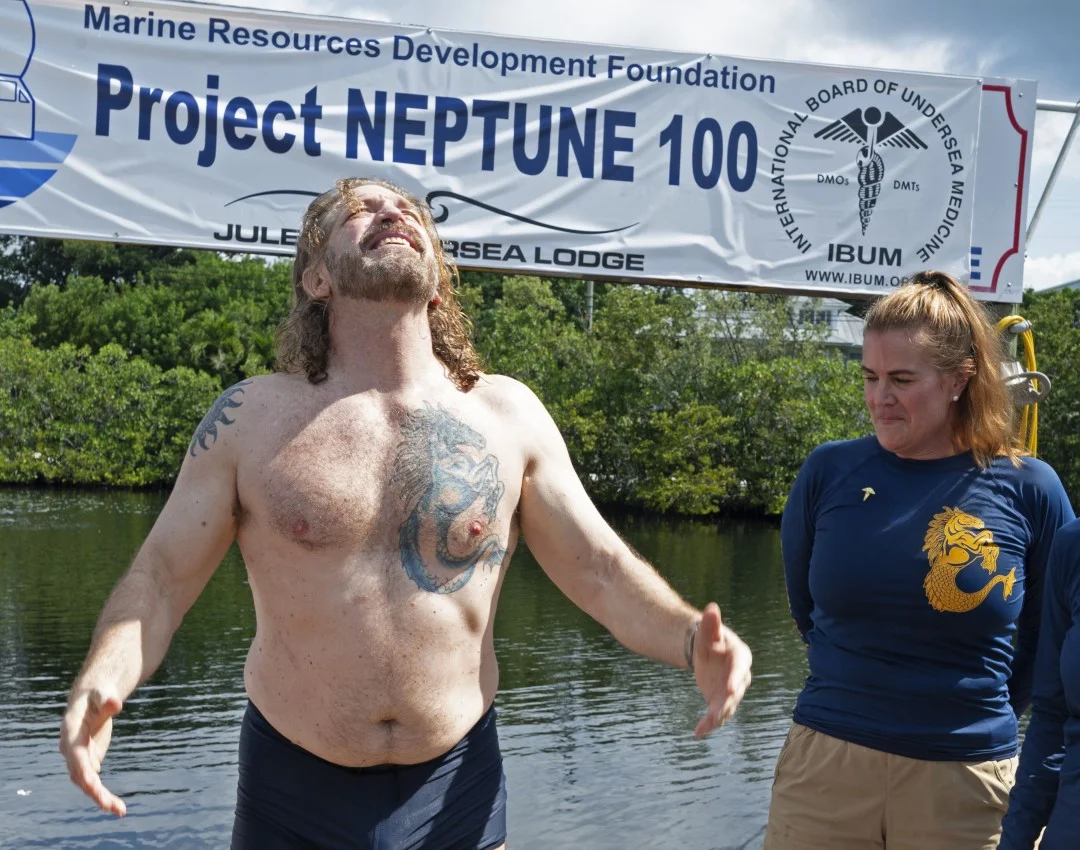
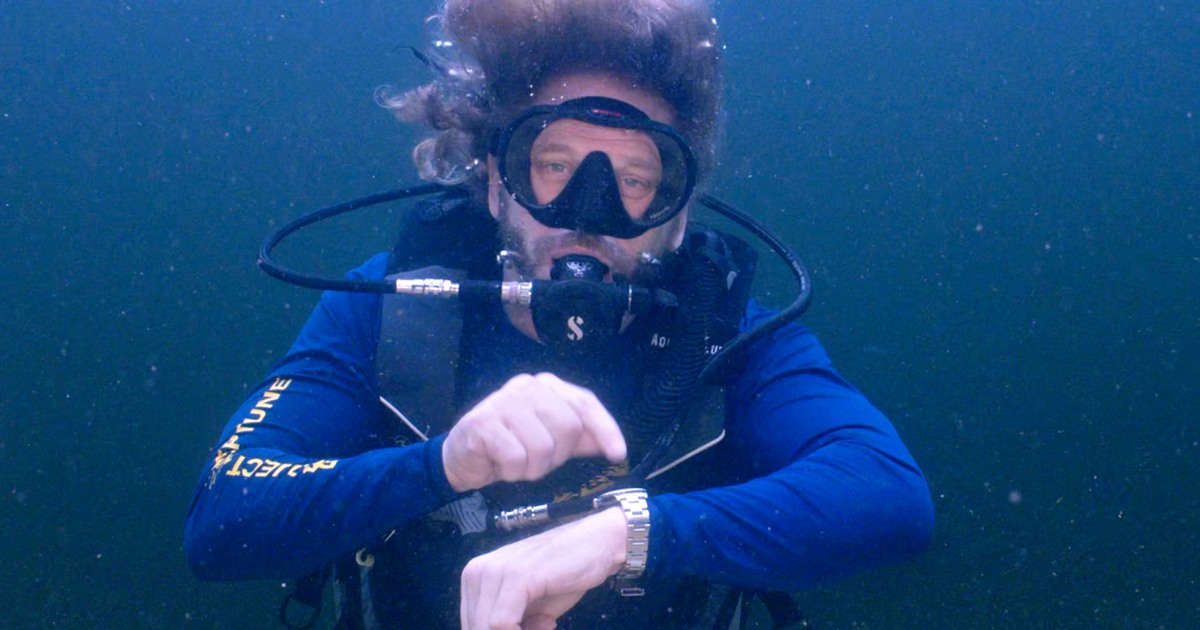
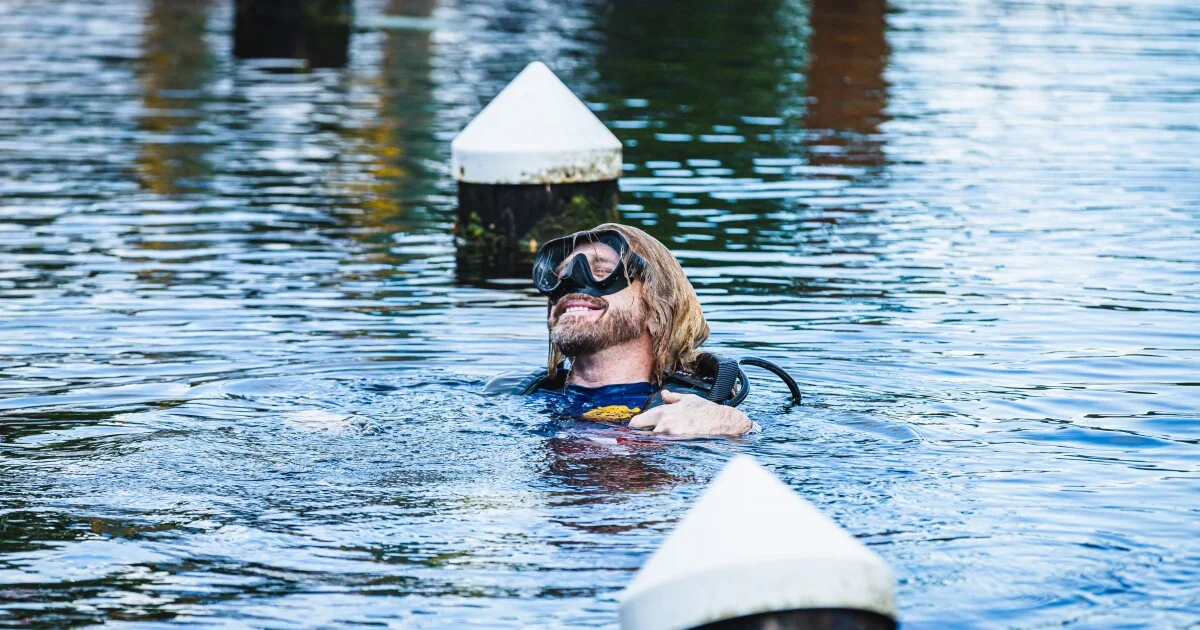
Dr. Joseph Dituri, a university professor and medical researcher, has set a new record for the longest time living underwater without depressurization, spending 100 days at Jules' Undersea Lodge in Florida. The project aimed to learn more about how the human body and mind respond to extended exposure to extreme pressure and an isolated environment, and was designed to benefit ocean researchers and astronauts on future long-term missions. Dituri conducted daily experiments and measurements to monitor how his body responded to the increase in pressure over time, and plans to present findings from Project Neptune 100 at November's World Extreme Medicine Conference in Scotland.

Florida Scientist Breaks Record Living Underwater for 100 Days

Originally Published 2 years ago — by NBC News

Featured image for Florida Scientist Breaks Record Living Underwater for 100 Days
Source: NBC News

Dr. Joseph Dituri, a university professor and diving explorer, has set a new record for the longest time living underwater without depressurization, spending 100 days at Jules’ Undersea Lodge in Florida. The project aimed to learn more about how the human body and mind respond to extended exposure to extreme pressure and an isolated environment and was designed to benefit ocean researchers and astronauts on future long-term missions. Dituri conducted daily experiments and measurements to monitor how his body responded to the increase in pressure over time and plans to present findings from Project Neptune 100 at November’s World Extreme Medicine Conference in Scotland.

USF Professor Emerges from 100-Day Underwater Experiment.

Originally Published 2 years ago — by WUSF Public Media

Featured image for USF Professor Emerges from 100-Day Underwater Experiment.
Source: WUSF Public Media

USF professor Joseph Dituri has broken the world record for the longest time living underwater, spending 100 days in a 100-square-foot lab at Jules' Undersea Lodge in Key Largo. During his mission, Dituri researched how the body and mind react to being in an isolated, confined, and extreme environment for a long period of time. He plans to share his findings and research at the World Extreme Medical Conference in November.

'Deadly Underwater 'Death Pool' Discovered'

Originally Published 2 years ago — by indy100

Featured image for 'Deadly Underwater 'Death Pool' Discovered'
Source: indy100

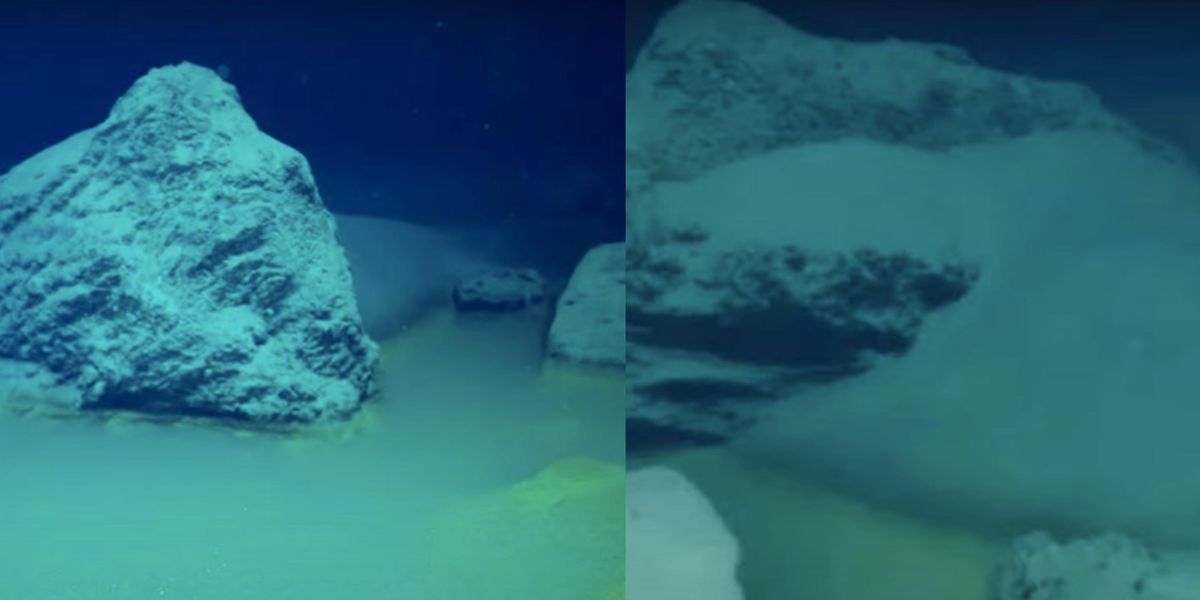
A 'death pool' has been discovered at the bottom of the Red Sea, 1.1 miles beneath the surface, which instantly kills everything that swims inside it. The pool measures 107,000 square feet and is filled with brine, containing no oxygen, making it deadly to most things that enter it. Predators position themselves on the peripheries of the pool to feed on the unlucky creatures that die after swimming into it. The pool is among the most extreme environments on Earth and is used by some creatures for food.