Tag

Neurotoxins

All articles tagged with #neurotoxins

Insurers Claim to Return Home Despite Neurotoxin Findings

Originally Published 14 days ago — by The New York Times

Featured image for Insurers Claim to Return Home Despite Neurotoxin Findings
Source: The New York Times

Tests revealed dangerous neurotoxins, including high levels of lead, in the homes of wildfire-affected families like the Van Nesses, despite insurer claims of safety after surface-level cleanups. Experts criticize insurance industry practices for relying on outdated or incomplete science, which may leave homes contaminated and residents at risk of health issues. The family’s experience highlights broader concerns about inadequate remediation standards and the potential health impacts of wildfire smoke toxins.


Chemical Exposure May Elevate Parkinson’s Risk, Study Finds

Originally Published 3 months ago — by AOL.com

Featured image for Chemical Exposure May Elevate Parkinson’s Risk, Study Finds
Source: AOL.com

A recent study links exposure to trichloroethylene (TCE), a common industrial chemical, with a small but measurable increased risk of Parkinson’s disease, especially for those living near TCE-emitting facilities, highlighting concerns about environmental neurotoxins and their long-term health impacts.

Black Mamba Bites: When Antivenom Fails and Symptoms Worsen

Originally Published 3 months ago — by Live Science

Featured image for Black Mamba Bites: When Antivenom Fails and Symptoms Worsen
Source: Live Science

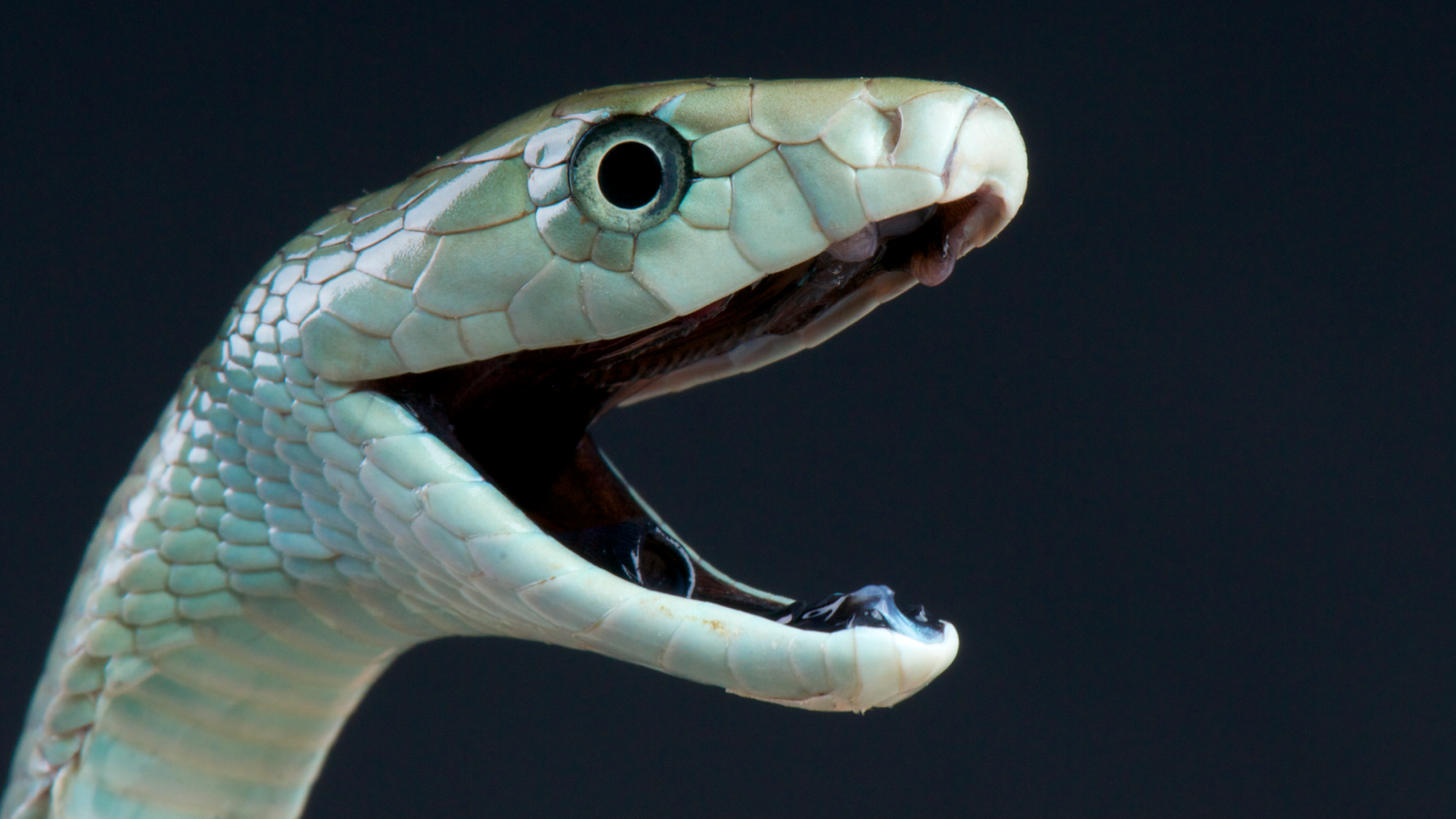
Scientists have discovered that antivenom treatment for mamba snakebites can sometimes worsen symptoms by unmasking hidden neurological effects, with different mamba species causing either limp or spastic paralysis, and effectiveness varies based on venom variation across regions.

Neurologist Warns Against 3 Foods That Harm Brain Health

Originally Published 6 months ago — by The Times of India

Featured image for Neurologist Warns Against 3 Foods That Harm Brain Health
Source: The Times of India

A neurologist highlights three foods to avoid for optimal brain health: large tropical reef fish like barracuda and grouper due to ciguatoxin, undercooked pork because of parasitic infections like neurocysticercosis, and damaged tin cans which may contain deadly botulinum toxin. Cooking does not neutralize some toxins, making avoidance crucial for neurological safety.

"Untreated Secondary Microplastics in Nature Cause Dangerous Brain Inflammation, New Research Finds"

Originally Published 2 years ago — by Medical Xpress

Featured image for "Untreated Secondary Microplastics in Nature Cause Dangerous Brain Inflammation, New Research Finds"
Source: Medical Xpress

New research conducted by scientists in South Korea has revealed that secondary microplastics, formed through the breakdown of larger plastic fragments in the environment, can trigger severe brain inflammation. The study found that continuous consumption of these secondary microplastics acts as neurotoxins in the brain, leading to increased inflammation and cell death. The findings highlight the harmfulness of microplastics and their potential impact on human health.

"Bizarre Spider Feeds by Drenching Prey in Deadly Digestive Fluids"

Originally Published 2 years ago — by Livescience.com

Featured image for "Bizarre Spider Feeds by Drenching Prey in Deadly Digestive Fluids"
Source: Livescience.com

Feather-legged lace weavers, a type of spider, appear to immobilize their prey by dousing them in toxic digestive fluids. Unlike other spiders that inject venom through their fangs, these spiders produce neurotoxins in their gut. Researchers discovered RNA for potential toxins in the spiders' midgut gland, indicating that the digestive fluid may be toxic. This unique hunting strategy involves wrapping the prey in silk before covering them in fluids and consuming them. While they may not have venom glands, these spiders still use toxins in a distinct way.

Ants Use Neurotoxins to Inflict Pain, Study Finds.

Originally Published 2 years ago — by Phys.org

Featured image for Ants Use Neurotoxins to Inflict Pain, Study Finds.
Source: Phys.org

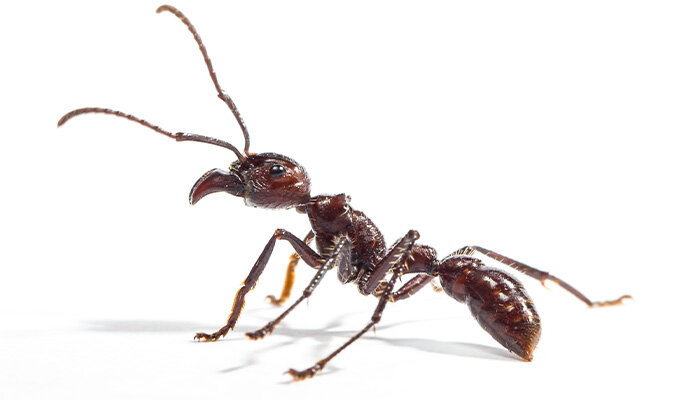
University of Queensland researchers have discovered that some of the world's most painful ant stings target nerves, like snake and scorpion venom. The ant neurotoxins bind to the sodium channels and cause them to open more easily and stay open and active, which translates to a long-lasting pain signal. The research team believes that understanding pain at a molecular level can help develop new ways to treat it. Ants developed their defensive neurotoxins to fend off predators during the time of the dinosaurs and have since become one of the most successful animal groups on Earth.