Tag

Hunting Strategy

All articles tagged with #hunting strategy

Orcas Dominate and Attack Great White Sharks in the Ocean
science4 months ago

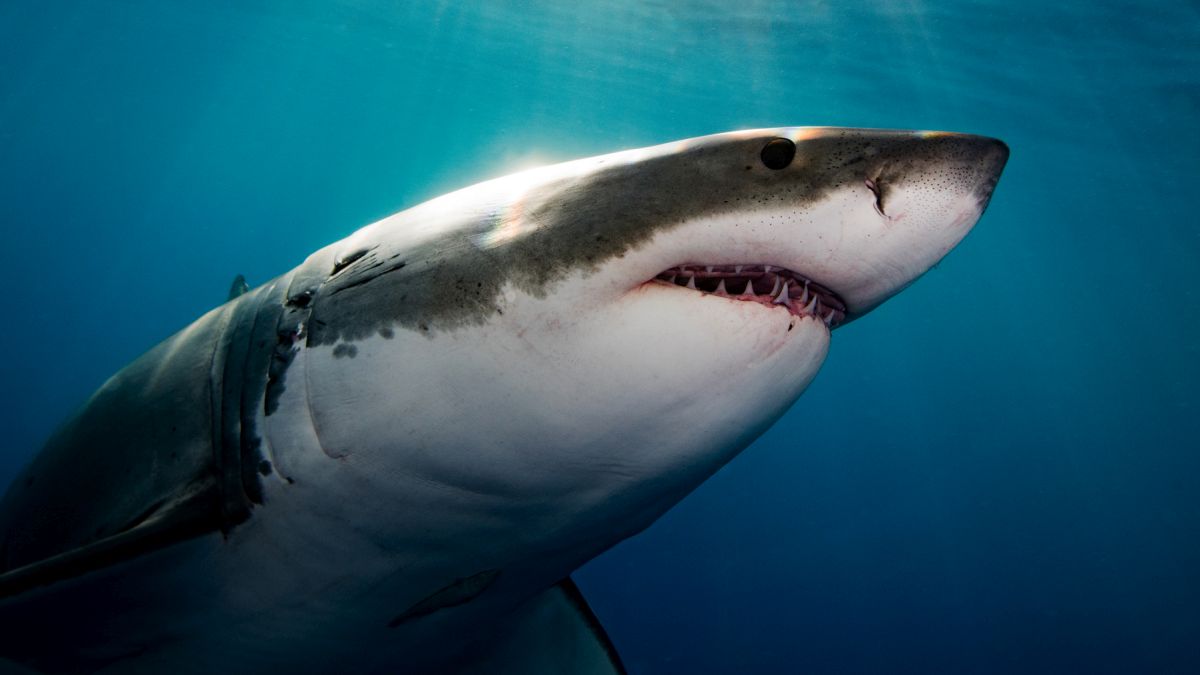
Orcas Dominate and Attack Great White Sharks in the Ocean

A pod of orcas off Mexico has developed a sophisticated hunting strategy to immobilize and prey on juvenile white sharks, primarily for their nutrient-rich livers, showcasing their advanced intelligence and social learning. This behavior, observed through detailed footage, highlights the orcas' ability to exploit sharks' tonic immobility, and may indicate a developing prey specialization within this pod.
"The Mystery of Ultra-Black Eels' Strange Skin Unveiled by Scientists"
biology2 years ago

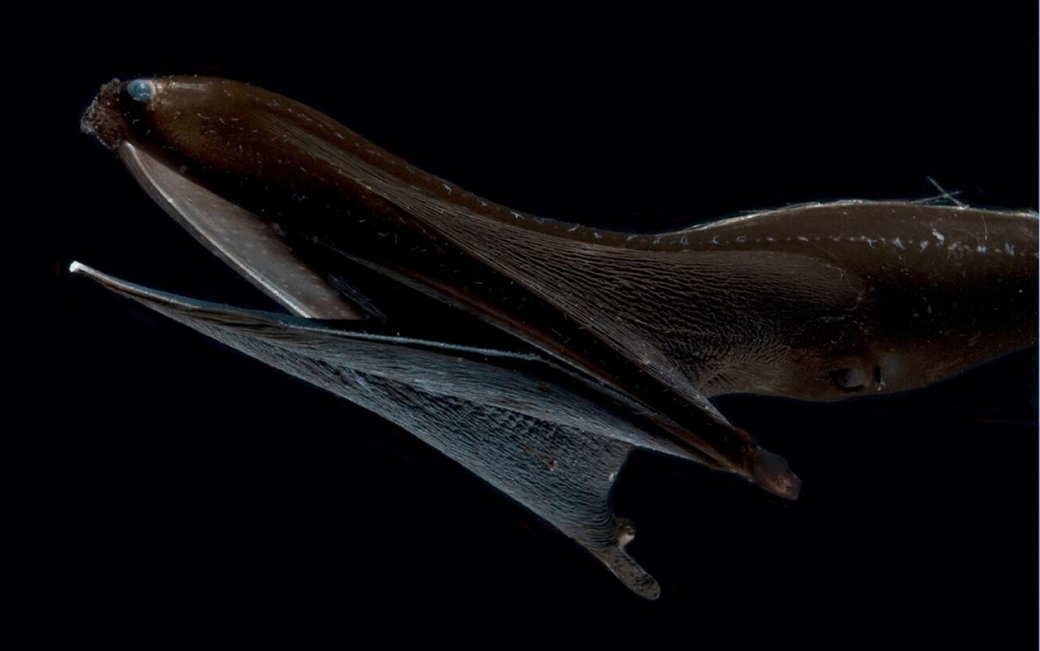
"The Mystery of Ultra-Black Eels' Strange Skin Unveiled by Scientists"

Ultra-black eels in the deep sea have independently evolved their tar-like pigmentation multiple times as a form of camouflage to lure prey closer with their glowing tails before engulfing them in their large mouths. The discovery sheds light on the behavior of these mysterious deep-sea creatures and provides insight into their hunting strategies. The eels' ultra-dark pigmentation helps absorb bioluminescent light, making their glowing tails appear as lone and enticing will-o-the-wisps in the dark depths. Once the prey is within range, the eels' mouths expand to swallow them whole.

"Spider's Gruesome Silk Trap: Wrapping Prey in Silk and Vomiting Neurotoxin"
science2 years ago

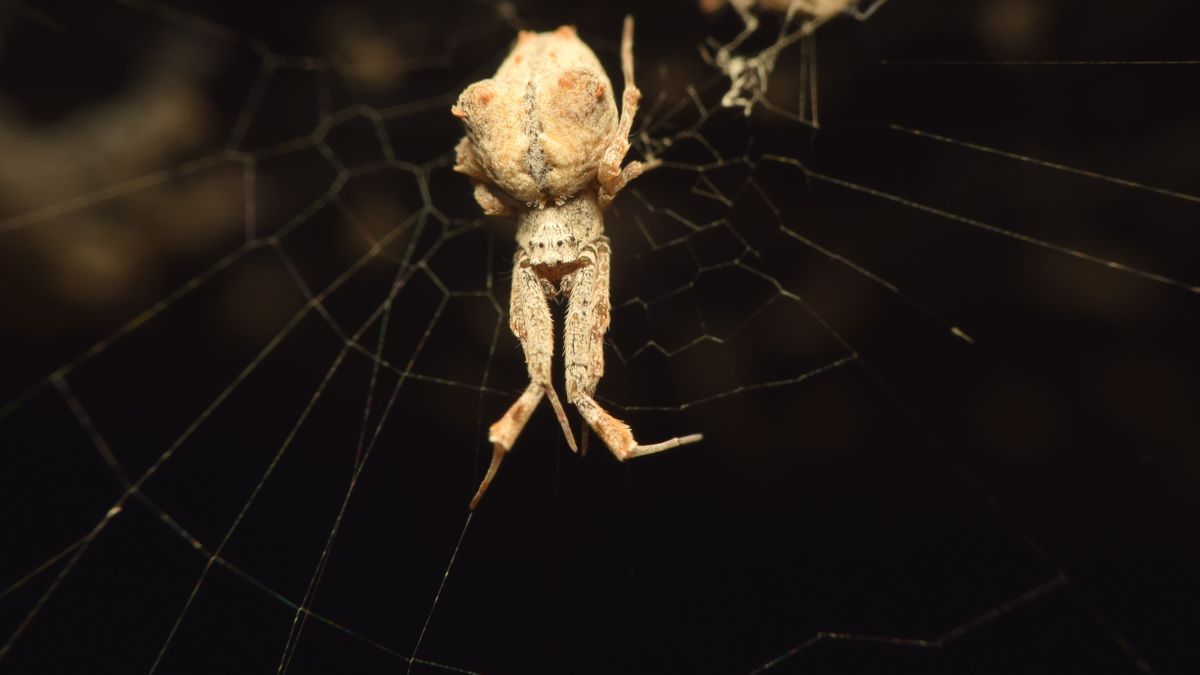
"Spider's Gruesome Silk Trap: Wrapping Prey in Silk and Vomiting Neurotoxin"

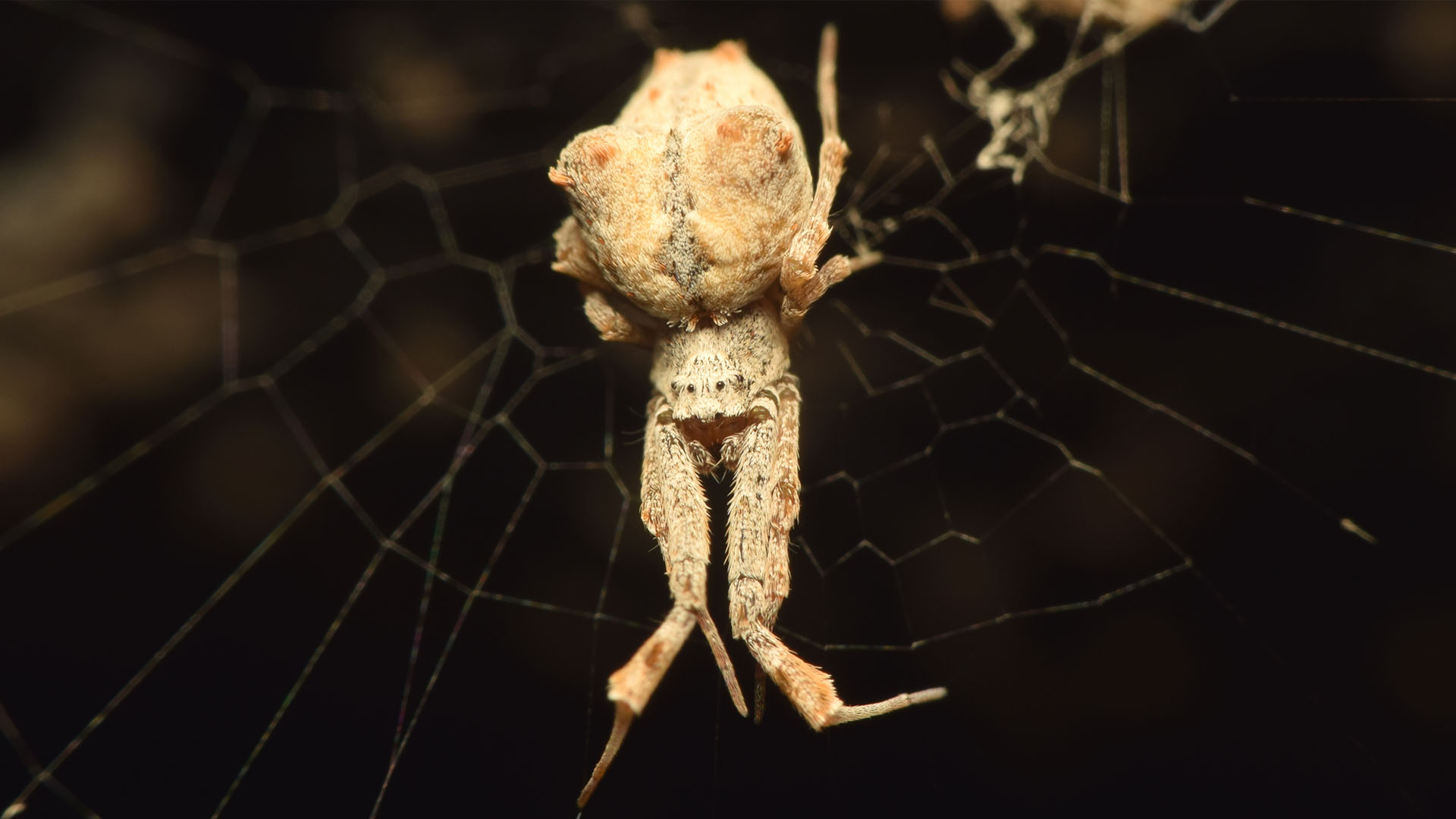
Researchers have discovered the gruesome eating behavior of the feather-legged lace weaver spider, which uses a combination of silk and toxic fluids to kill its prey. The spider wraps its prey in a silken web, sometimes hundreds of feet long, and then covers it with digestive fluids containing toxins. These fluids paralyze the insect and break down its tissues, making it easier for the spider to consume. The study suggests that the spider's digestive fluid may be toxic, as no venom glands were found. This unique hunting strategy may have evolved to help the spider survive in environments with large or dangerous prey.

"Bizarre Spider Feeds by Drenching Prey in Deadly Digestive Fluids"
biology2 years ago

"Bizarre Spider Feeds by Drenching Prey in Deadly Digestive Fluids"

Feather-legged lace weavers, a type of spider, appear to immobilize their prey by dousing them in toxic digestive fluids. Unlike other spiders that inject venom through their fangs, these spiders produce neurotoxins in their gut. Researchers discovered RNA for potential toxins in the spiders' midgut gland, indicating that the digestive fluid may be toxic. This unique hunting strategy involves wrapping the prey in silk before covering them in fluids and consuming them. While they may not have venom glands, these spiders still use toxins in a distinct way.

Stone Age Architects: Blueprinting Megastructures in the Desert
archaeology2 years ago

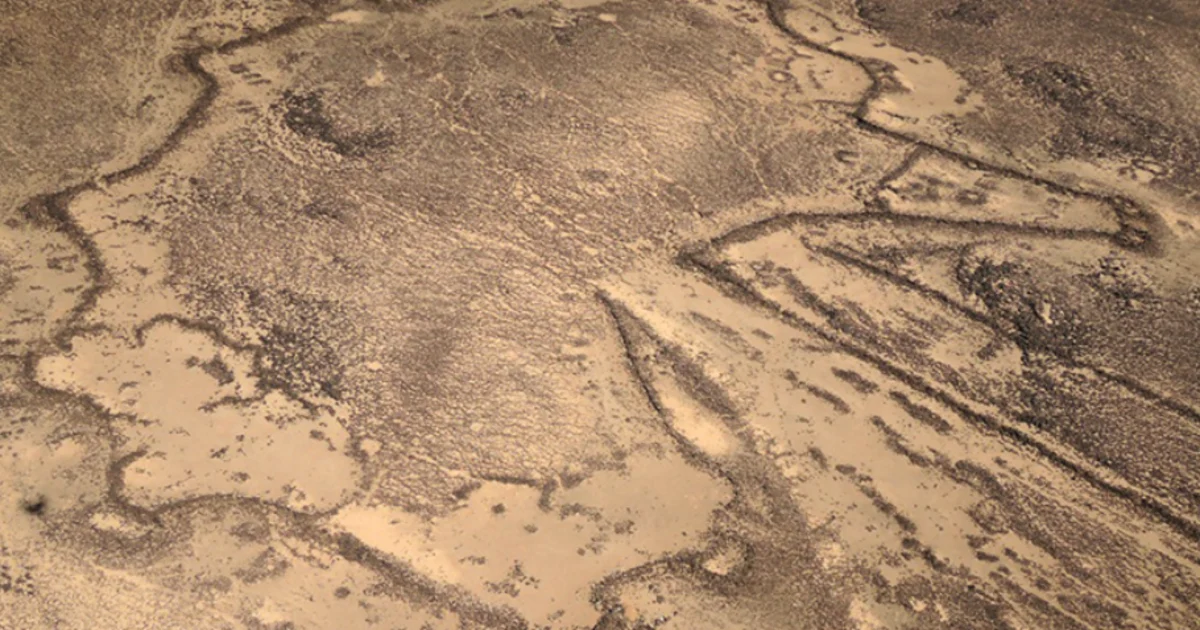
Stone Age Architects: Blueprinting Megastructures in the Desert

Engravings found on two monoliths in Jordan and Saudi Arabia reveal detailed plans for building huge Neolithic structures, including desert kites used to trap wild animals. The precision of the engravings shows a level of skill not previously seen this early in human evolution, and suggests a widely underestimated mental mastery of space perception. The desert kites and their corresponding plans predate Britain's Stonehenge by as much as 4,000 years and were likely built across the Middle East and Central Asia, suggesting a sophisticated hunting strategy.