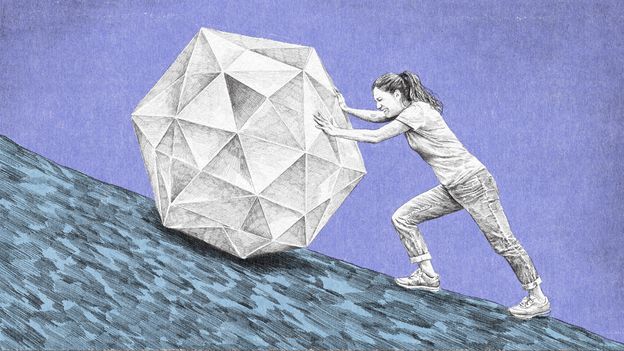
Laurie Clarke experimented with targeted activities over six weeks to modify her personality traits based on recent psychological research, resulting in measurable improvements in neuroticism, extraversion, and agreeableness, demonstrating that personality can be somewhat malleable through conscious effort.
A large study found that personality traits like neuroticism increase the risk of early death, while traits like conscientiousness and extraversion are linked to longer lifespan, highlighting personality as a significant factor in health and longevity.
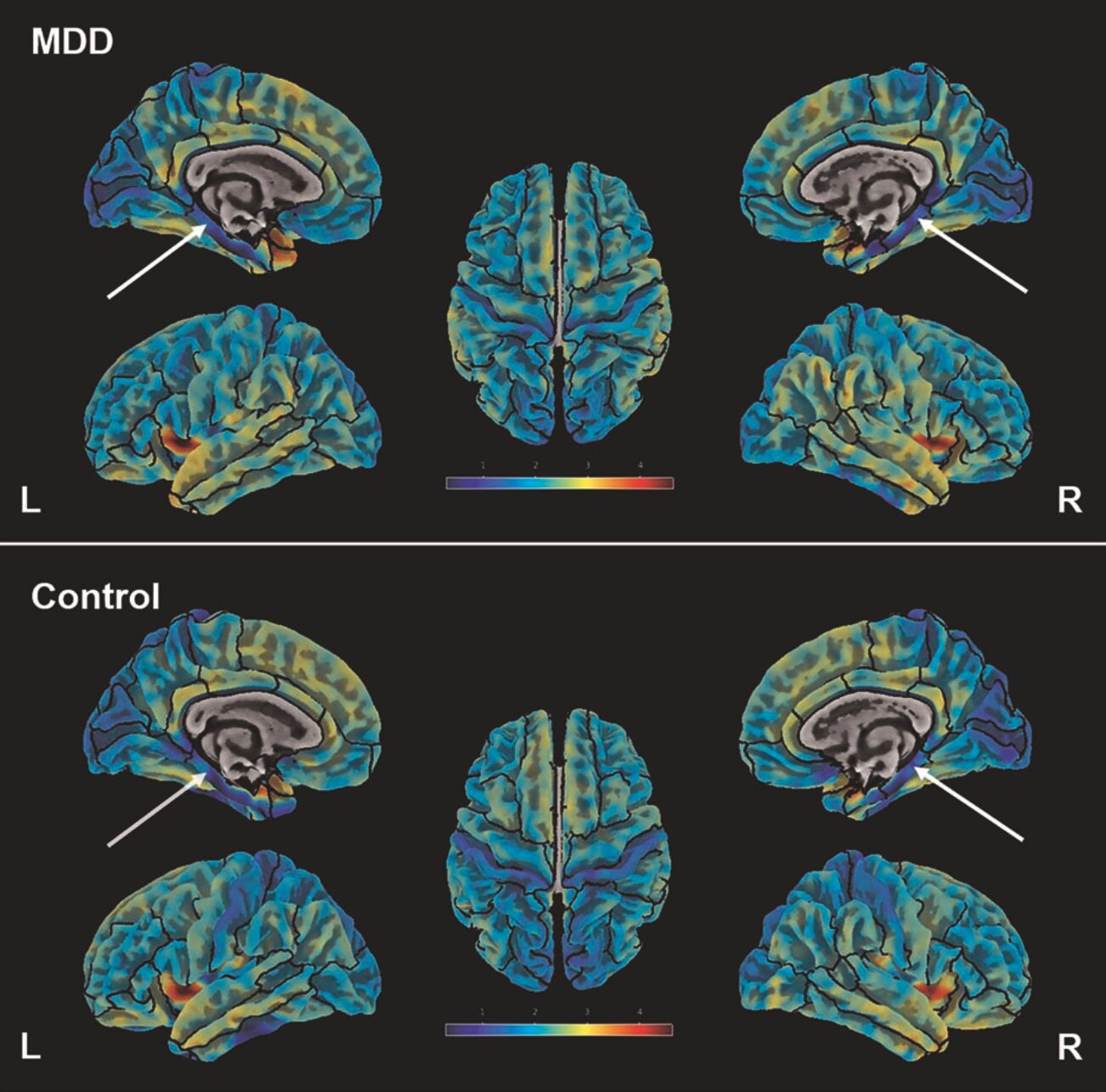
A study using ultra-high field MRI found that individuals with major depressive disorder and higher neuroticism scores have a thinner parahippocampal cortex, suggesting this brain region could serve as a biomarker for depression and related traits.
A recent study found that neurotic robots, like C-3PO, are perceived as more relatable and human-like than extroverted or bland robots, suggesting that neurotic traits could have a role in human-robot interactions, especially in contexts requiring emotional understanding.
A study from University College London found that personality traits influence exercise preferences and habits, with neurotics preferring light, private workouts and extroverts enjoying high-intensity group activities. Matching exercise types to personality may improve adherence and reduce stress, especially for neurotics.
A study by researchers at the University of California, Davis, and Northwestern University suggests that personality traits such as conscientiousness and extraversion may reduce the risk of dementia, while neuroticism increases it. The findings indicate that personality influences dementia management rather than being directly linked to brain tissue damage. The study analyzed data from over 44,000 people and found that certain personality traits were associated with a higher risk of dementia diagnosis but not with actual neuropathology in the brain. This research could lead to interventions targeting personality traits to reduce dementia risk in the long term.
A new study suggests that specific personality traits may influence the risk of developing dementia. People who are extroverted, conscientious, and have a positive outlook may have a lower risk, while those who score high in neuroticism and have a negative outlook may be at increased risk. The study, which analyzed data from eight longitudinal studies with over 44,000 adults, found that high neuroticism, negative affect, and low conscientiousness were risk factors for dementia, while conscientiousness, extraversion, and positive affect were protective. The findings highlight the potential role of personality traits in early identification and dementia-care planning strategies.
A recent meta-analysis of eight smaller studies found a connection between certain personality traits and the risk of dementia. People with high levels of neuroticism and negative affect had a higher risk of developing dementia, while those with low levels of conscientiousness, extroversion, and positive affect were also at an increased risk. However, the study did not find a direct causation between personality and evidence of underlying disease. Lifestyle modifications such as regular exercise, a healthy diet, sufficient sleep, managing heart and blood vessel health, having a social support system, engaging in mentally stimulating activities, and wearing a helmet during activities that carry a risk of head injury can help decrease the risk of dementia.
A recent meta-analysis of eight studies involving over 44,000 participants found a link between certain personality traits and the risk of developing dementia. Individuals with high levels of neuroticism and negative affect had a higher risk of dementia, while those with low levels of conscientiousness, extroversion, and positive affect also had an increased risk. However, the study did not find a direct causation between personality and evidence of underlying disease. Lifestyle modifications such as regular exercise, a healthy diet, sufficient sleep, managing heart health, having a social support system, engaging in mentally stimulating activities, and wearing a helmet during activities that carry a risk of head injury can help decrease the risk of dementia.
A recent meta-analysis of eight studies involving over 44,000 participants found a link between certain personality traits and the risk of developing dementia. Individuals with high levels of neuroticism and negative affect had a higher risk of dementia, while those with low levels of conscientiousness, extroversion, and positive affect also had an increased risk. However, the study did not find a direct causation between personality and evidence of underlying disease. Lifestyle modifications such as regular exercise, a healthy diet, sufficient sleep, managing heart health, having a social support system, engaging in mentally stimulating activities, and wearing a helmet during activities that carry a risk of head injury can help decrease the risk of dementia.
A study published in Alzheimer's & Dementia suggests that personality traits can impact the risk of developing dementia. The research found that individuals with high levels of conscientiousness and positive affect are less likely to be diagnosed with dementia, while those with high levels of neuroticism and negative affect have a higher risk. The study highlights the potential for psychosocial and lifestyle interventions to reduce the risk of dementia, as there is currently no cure for the disease. Certain personality traits, such as conscientiousness and extraversion, may reduce the risk of dementia through behaviors associated with these traits, such as taking care of one's health and maintaining social connections. It is recommended to focus on practicing positive behaviors linked to these traits rather than trying to change one's personality.
A neuroimaging study found that women with high levels of neuroticism, a personality trait associated with negative emotions, showed increased activity in the brain's default mode network when processing criticism, but not praise. This heightened activity, particularly in the medial prefrontal cortex and inferior parietal lobule, suggests a tendency towards rumination, which can contribute to the onset or exacerbation of mental disorders such as depression. The default mode network is involved in various cognitive functions and its dysregulation has been linked to neurological and psychiatric conditions. The study highlights the potential for targeted interventions in individuals at risk for depression. However, the study's small sample size and limited demographic representation warrant further research.
This week's top five neuroscience breakthroughs include a potential cure for baldness, a link between childhood maltreatment and alexithymia, the impact of neuroticism on negative emotions and mood fluctuations, the beneficial impact of meditation on memory, and a new discovery that COVID-19 can cause brain cells to fuse, leading to chronic neurological symptoms.
People with higher neuroticism, a personality trait linked to mental health risks, experience amplified negative emotions and higher mood variability, according to a study by psychologists at Leipzig University. The researchers used a novel approach from Bayesian statistics to analyze 13 longitudinal datasets and found that neurotic people exhibit more frequent mood swings and often experience stronger self-critical feelings or responses to external criticism. Neuroticism levels are typically highest in late adolescence, after which they decrease and stabilize as individuals reach adulthood. Women and individuals with lower socio-economic status have been found to have higher neuroticism scores than others.
A study published in Dreaming has found that people with more pronounced openness to experience tend to experience nightmares more frequently, while individuals with higher levels of neuroticism are more distressed by them. The study also found that participants with more pronounced extraversion and agreeableness reported having nightmares less often, while those with more pronounced conscientiousness tended to report being more distressed by nightmares. The study sheds light on the links between personality and dreaming, but has limitations as all participants were students from the same city and close in age.