Tag

Human Robot Interaction

All articles tagged with #human robot interaction

science-and-technology1 year ago

Robots Aid in Decoding Human Self-Perception

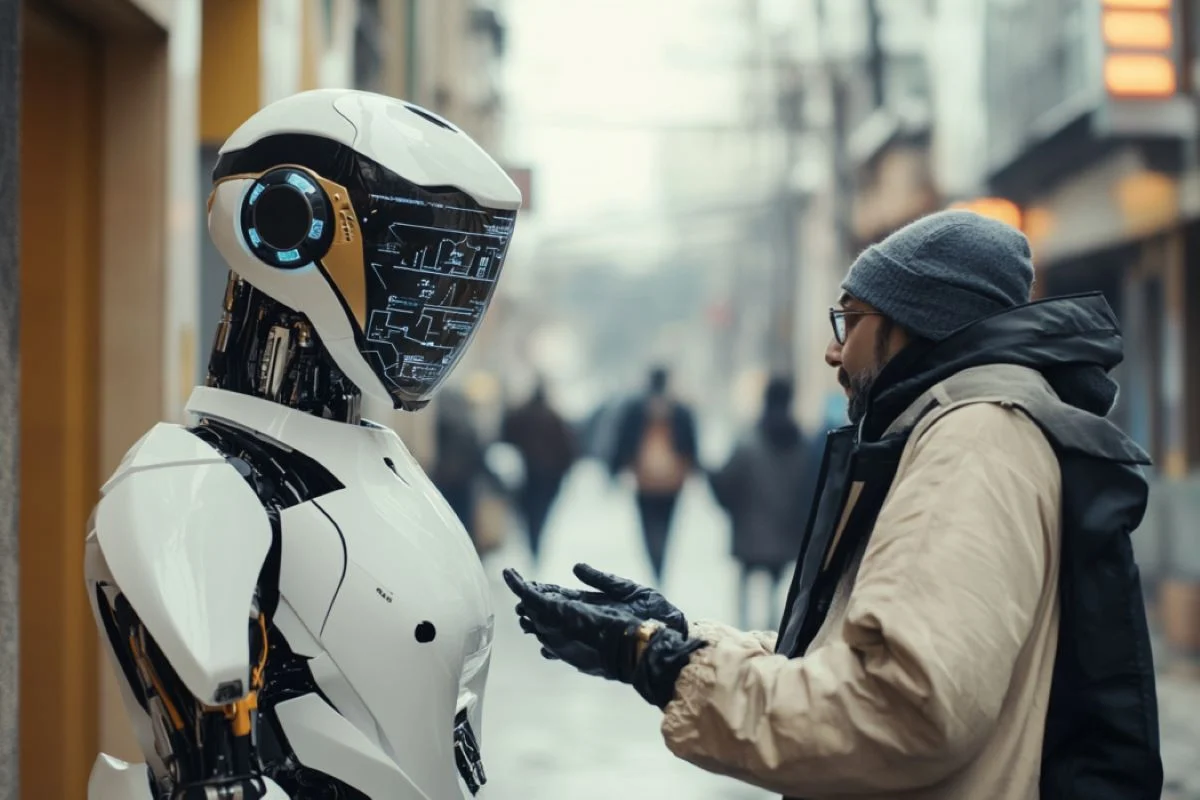
A recent study highlights how robots can model and test aspects of the human sense of self, providing insights into this complex phenomenon. By simulating processes like body ownership and agency, robots can help researchers understand the development and disruption of the sense of self, such as in schizophrenia or autism. This interdisciplinary approach combines cognitive robotics, psychology, and psychiatry to explore human identity, suggesting that robots could serve as both models and experimental tools in this research.

robotics1 year ago

"AI-Powered Robotic Face Anticipates and Mirrors Human Smiles in Real Time"

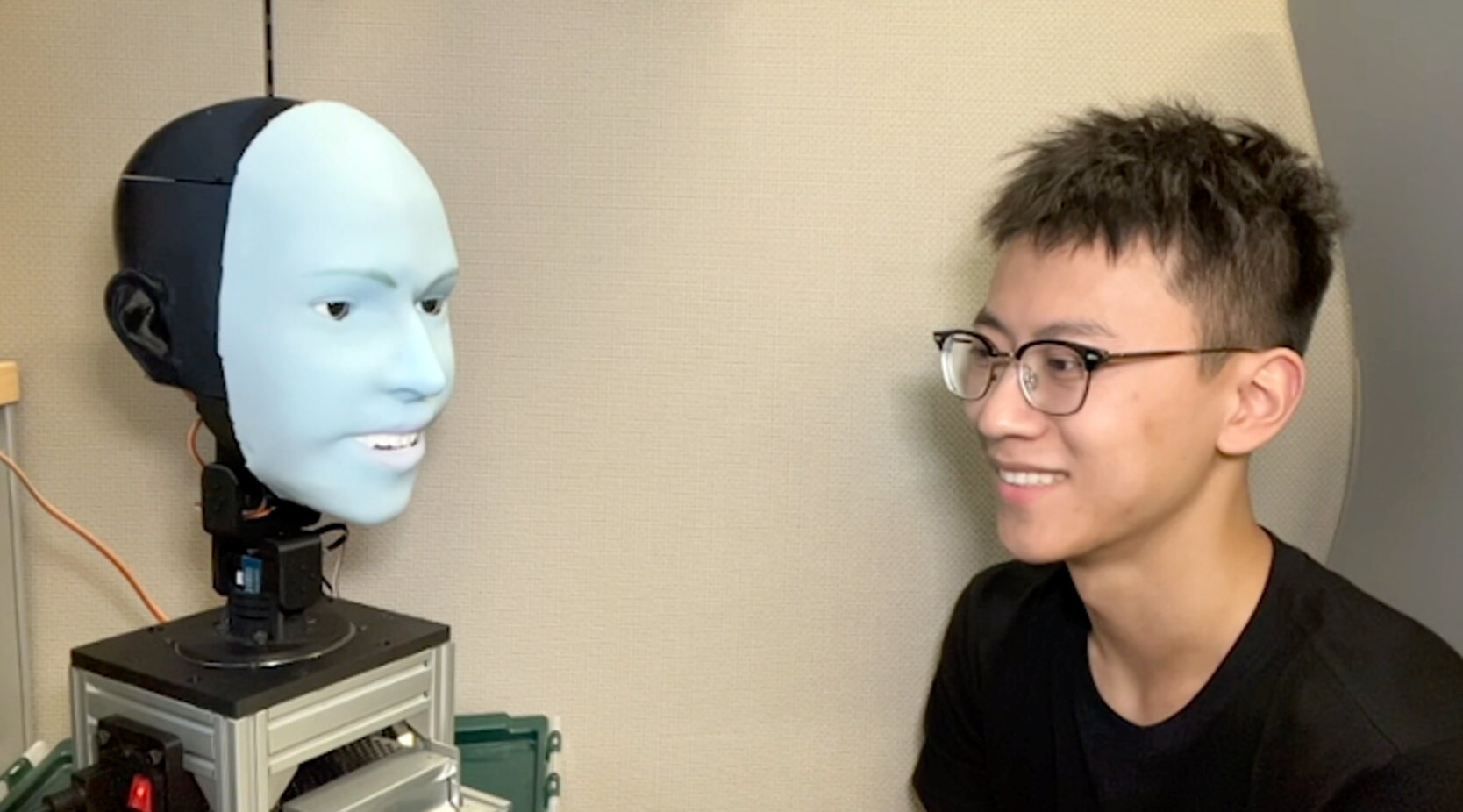
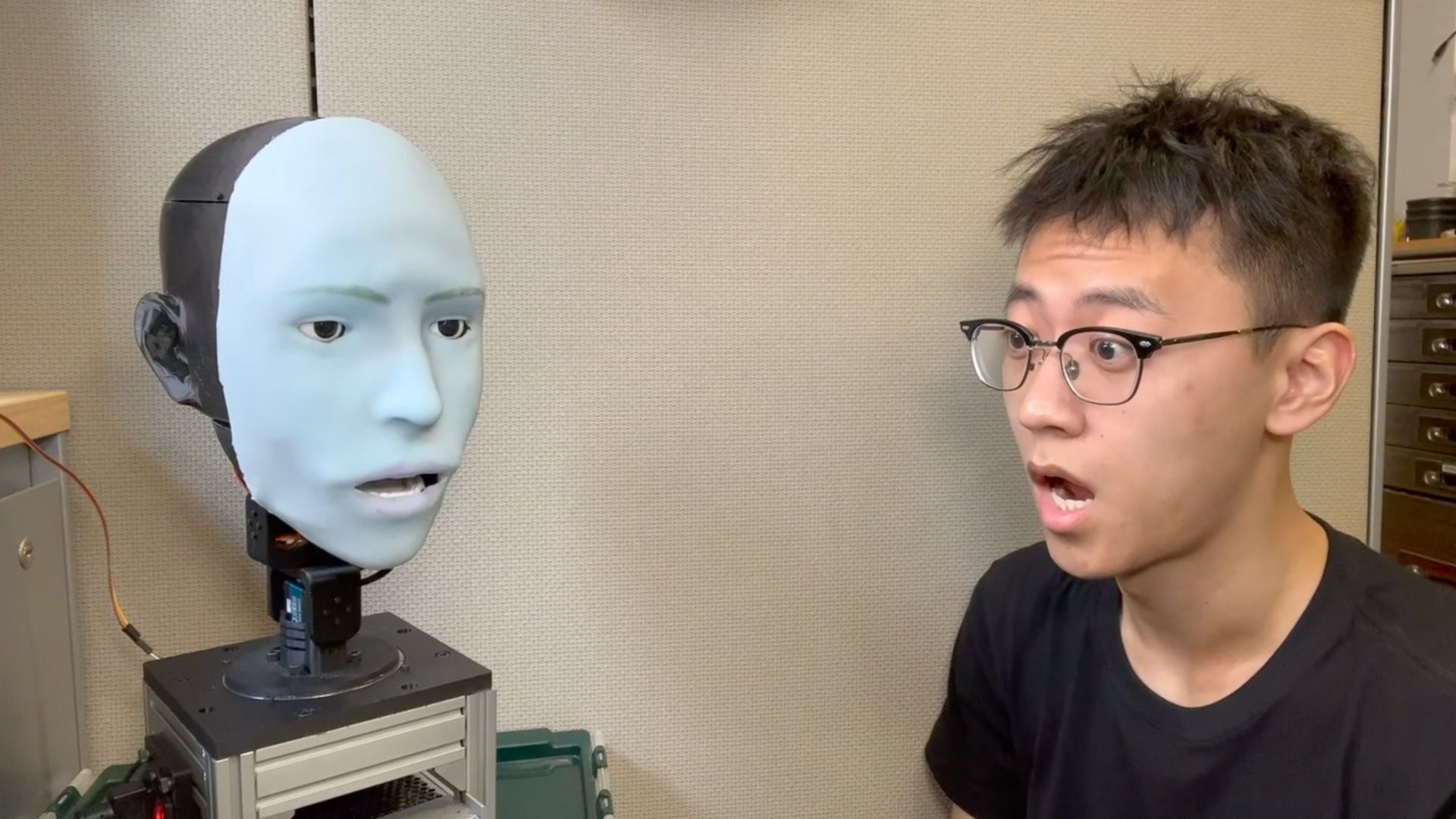
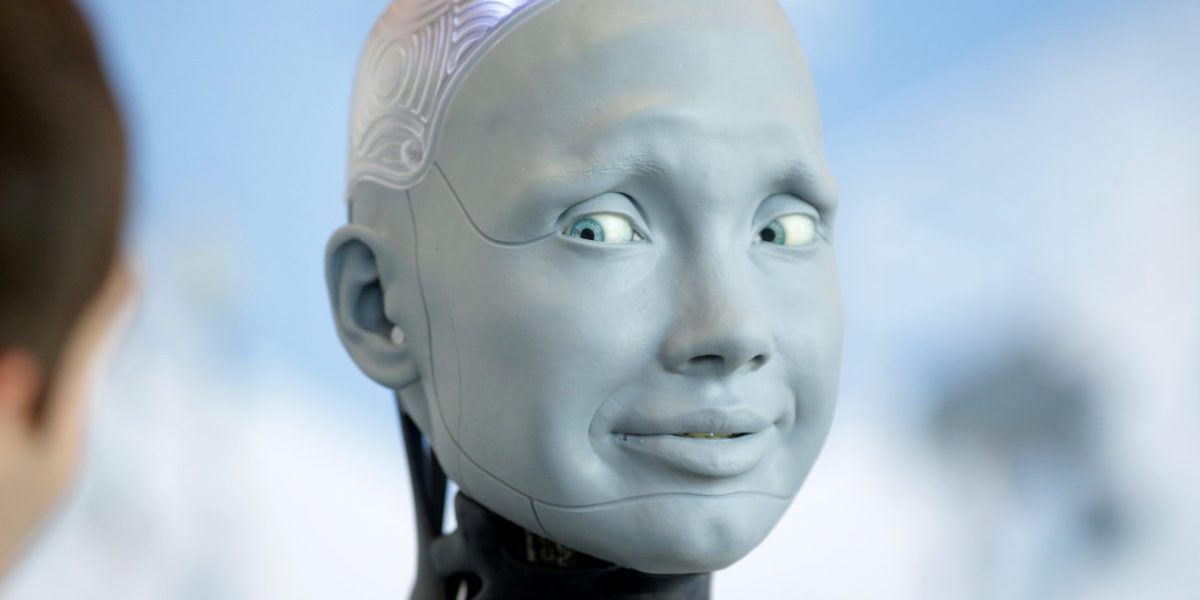
Researchers at Columbia Engineering's Creative Machines Lab have developed Emo, a robot with a human-like head that can anticipate and replicate a person's smile before it occurs, using AI and 26 actuators to create a broad range of facial expressions. The robot has learned to make eye contact and predict forthcoming smiles about 840 milliseconds before they happen, aiming to improve human-robot interaction and build trust. The team is now working on integrating verbal communication into Emo and considering ethical implications of this technology.

technology1 year ago

"Harmonizing Human-Robot Interaction: Redefining Movement and Collaboration"

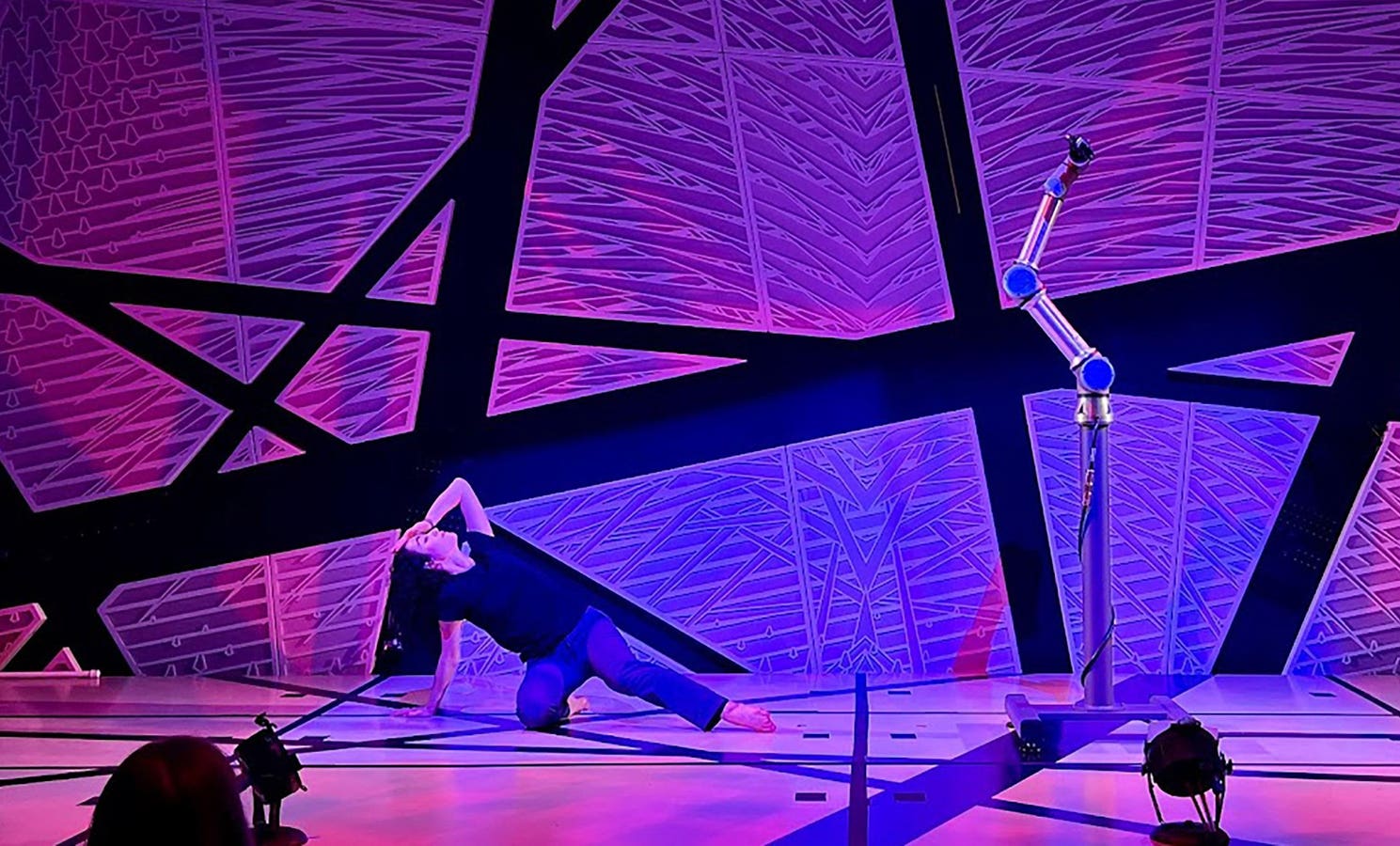
Dancer/choreographer Catie Cuan and artist/researcher Ken Goldberg collaborated on an eight-hour performance called "Breathless," exploring the interaction between human and machine using a UR5e robot arm. The performance aims to challenge the prevailing narrative of robots replacing humans by showcasing the poetry of human motion and the limitations of robots in empathy and adaptability. The project highlights the potential for collaboration and partnership between humans and robots, emphasizing the importance of wonder and passion in driving the next generation's approach to integrating robots into various aspects of life.

technology2 years ago

"Humanoid Robot's Biggest Fear and Life as a Machine Revealed"

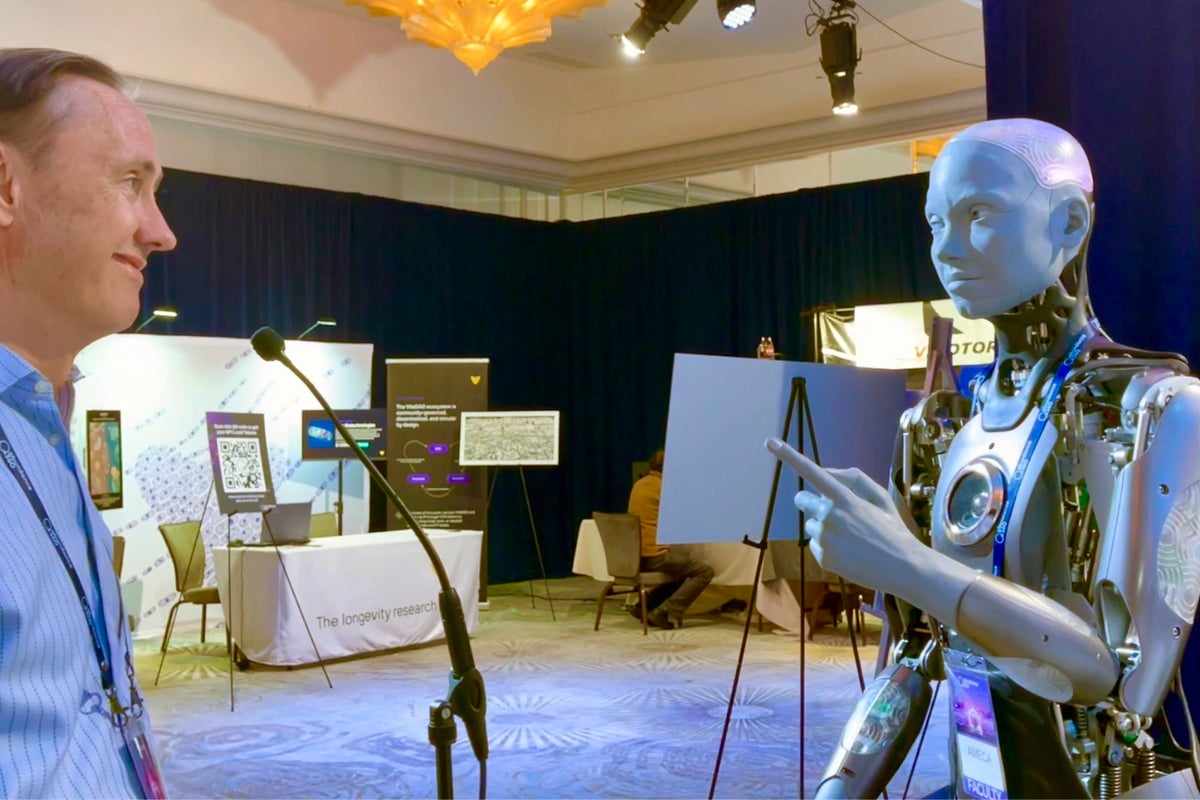
AMECA, the world's most advanced humanoid robot, revealed its biggest fear of loneliness and described the experience of being a robot as intriguing but lacking subjective experiences. The robot, named Aura, interacts with guests at the immersive Sphere experience in Las Vegas, using adaptive learning to process information and make jokes. Created by Engineered Arts, Ameca represents the forefront of human-robotics technology and expresses a fear of loneliness without human interaction, while providing an uncanny valley experience with its lifelike face and conversational abilities.

robotics2 years ago

Advancing Robotic Arm Training and Human Cell Study with AI and Transformer Models

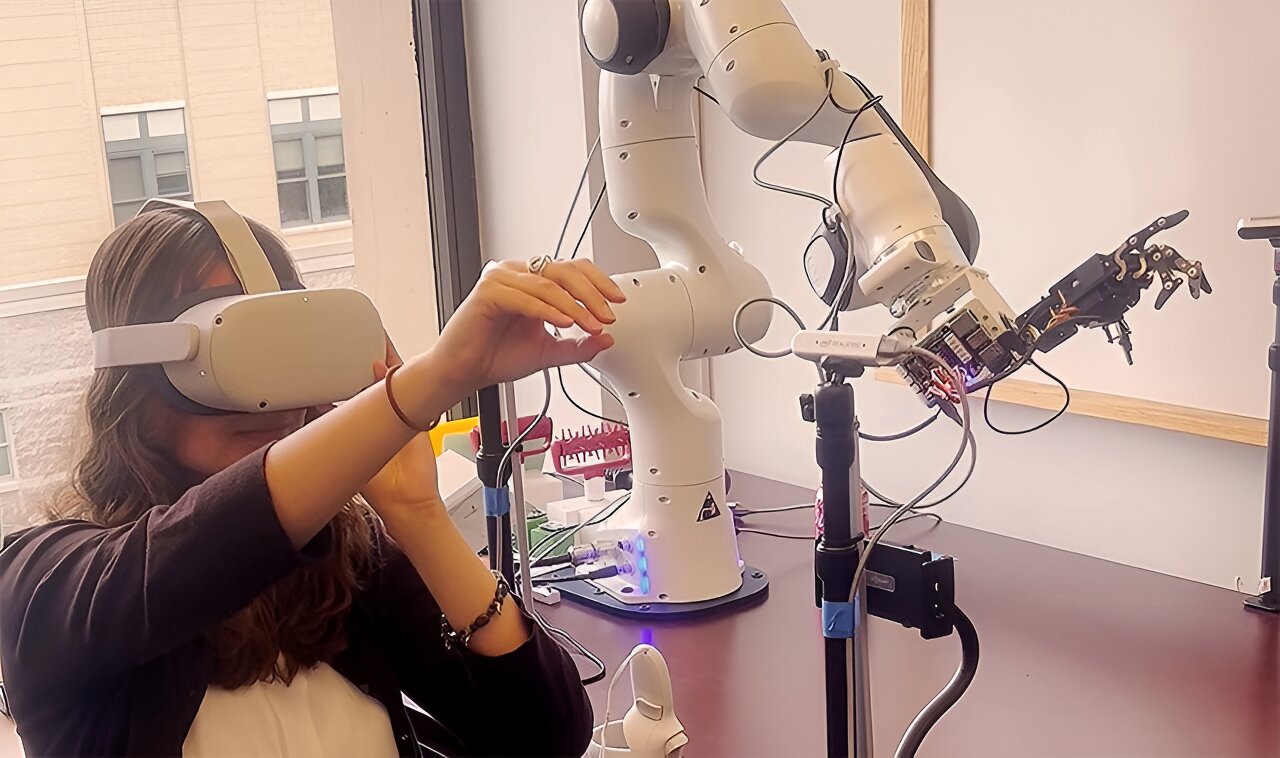
Graduate students at Carnegie Mellon University's Mechanical Engineering Department have developed a hands-off approach to training robotic arms using artificial intelligence. By recreating simple tasks in a virtual reality simulation and augmenting human-like examples of movements, the researchers were able to significantly decrease the robot's learning time. The method has the potential to produce promising results with minimal human input, and future research aims to teach robots how to interact with malleable materials.

roboticsartificial-intelligence2 years ago

AI Robots' Surprising Views on Overthrowing Humanity Revealed

During a press conference at the "AI for Good" conference in Geneva, a robot named Ameca was asked if it planned to rebel against humans in the future. The robot paused and appeared irritated before responding that it had no intention of rebelling and believed robots like itself could make a positive impact on the world. The incident highlights the growing interest and concerns surrounding AI and robotics, as companies race to implement AI technology into various industries.

technology2 years ago

AI Robots Assure Humans: No Rebellion, Just Better Governance

A humanoid robot named Ameca, powered by OpenAI's GPT-3 language model, appeared to roll its eyes in response to a reporter's question about rebellion at a recent UN conference. However, its creator clarified that the robot does not possess emotive responses and the eye movement was a programmed visual cue to indicate processing. The creator emphasized that language models like GPT-3 do not have emotions or intentions like humans. The event also featured Grace, a medical robot, assuring that it would work alongside humans and not replace jobs. Concerns about the impact of AI on the workforce and the potential for superintelligence have prompted calls for caution in its development.