A large study found that personality traits like neuroticism increase the risk of early death, while traits like conscientiousness and extraversion are linked to longer lifespan, highlighting personality as a significant factor in health and longevity.
A study warns that frequent consumption of ramen, especially drinking the high-salt broth, may increase health risks such as high blood pressure, diabetes, and gastric cancer, potentially leading to early death, particularly for men under 70. The researchers recommend eating ramen only occasionally and avoiding drinking the soup to reduce health hazards.
A study links later breakfast times in older adults to increased health issues and a higher risk of early death, suggesting that maintaining consistent meal schedules may promote healthier aging.
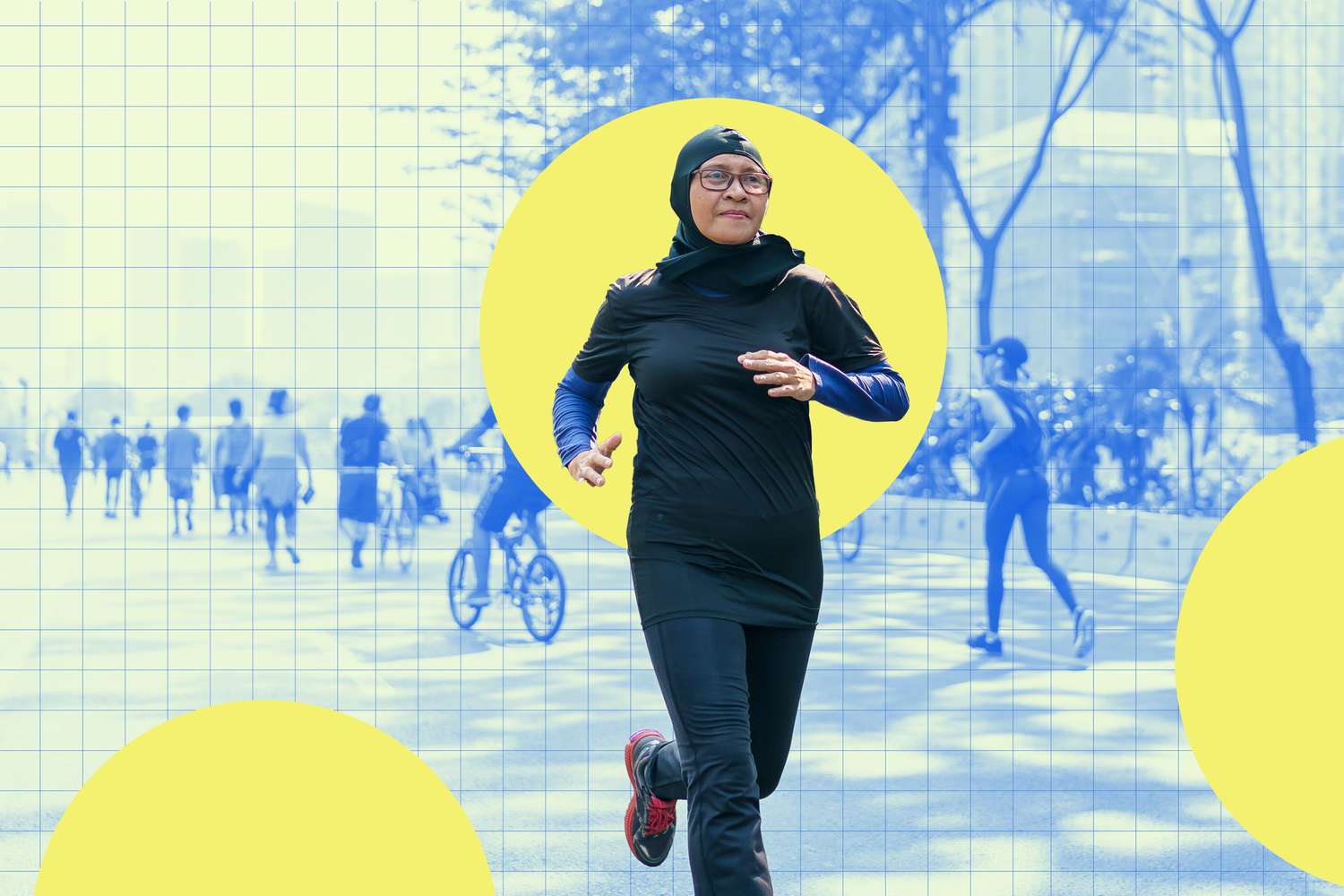
A study from Vanderbilt University found that walking fast for just 15 minutes daily can reduce the risk of early death by 20%, with additional benefits from slow walking, emphasizing the importance of incorporating more intense physical activity into routines for better health outcomes.
A large study suggests that regular daytime napping, especially in the early afternoon, may be linked to a higher risk of early death, with irregular and longer naps potentially indicating underlying health issues. Experts recommend doctors inquire about patients' napping habits as part of health assessments, as these patterns could serve as early signs of declining health or underlying conditions like heart disease or dementia.
A study by the American Heart Association warns that microplastics pollution along US coastlines is linked to higher rates of diabetes, heart disease, and strokes, potentially leading to early death for millions living near polluted waters, with the highest risks observed in Gulf and East Coast counties.
A large study suggests that napping longer than half an hour, especially in the early afternoon, may be linked to an increased risk of early death, possibly indicating underlying health issues or disrupting natural rhythms, though causality is not confirmed.
A recent study shows that managing eight key health factors—such as blood pressure, cholesterol, smoking, and physical activity—can significantly reduce the risk of early death in people with hypertension, emphasizing the importance of holistic health management for better outcomes.
A new study published in the British Medical Journal suggests that women with a history of endometriosis have a 31% higher risk of early death, primarily due to gynaecological cancers, compared to those without the condition. The study, which analyzed data from over 110,000 women in the Nurses’ Health Study II, also found that fibroids are linked to an increased risk of death from gynaecological cancers, though not overall early mortality. The findings highlight the importance of considering gynaecological diseases in broader women's health management and call for further research on the impact of evolving diagnoses and treatments.
A study by Soochow University in China suggests that people who sit for more than six hours a day can reduce their risk of early death by drinking coffee. The research, which analyzed data from over 10,000 individuals in the US, found that coffee drinkers are 1.58 times less likely to die from any cause compared to non-coffee drinkers. The protective effects of coffee, which include reducing risks of diabetes and heart disease, were observed even with moderate consumption of one to three cups a day.
A study by the University of California, San Diego suggests that prolonged sitting can lead to a 57% higher risk of early death, even with moderate-to-vigorous exercise. Sitting for over 30 minutes at a time can increase blood sugar levels and blood pressure, and some suggest that sitting for 11 or seven hours per day is too much. To combat this, using a sit-stand desk, taking breaks during TV ads or household tasks, and incorporating small bursts of arm exercise can help reduce the health risks associated with prolonged sitting.
A recent study published in the Journal of the American Medical Association (JAMA) has found that individuals with untreated ADHD are at a significantly higher risk of early death, particularly from unnatural causes such as accidents, drug overdoses, and suicide. The research underscores the importance of ADHD medication in reducing this risk and highlights the need for greater awareness and healthcare support for individuals living with ADHD globally.
Men with enlarged breast tissue, known as gynaecomastia, may be at greater risk of early death, with a 37% increased risk compared to those without the condition, according to a study from the University of Copenhagen. The condition, caused by hormone imbalance, affects a significant portion of males and is different from pseudo gynaecomastia, which is linked to being overweight or obese. Men with pre-existing conditions are 75% more likely to develop gynaecomastia, with the greatest risks associated with certain diseases. Treatment options include medication to adjust hormone imbalance and surgery to remove excess breast tissue. If concerned, individuals should contact their GP for evaluation and potential treatment.
Researchers from the University of Cambridge found that short bouts of moderate exercise, such as mowing the lawn for 11 minutes a day, can reduce the risk of early death, heart disease, and cancer. They estimated that one in ten early deaths could be prevented if inactive individuals engaged in at least 75 minutes of moderate exercise per week. The study also revealed that more than 2.5 hours of exercise per week provided only small additional gains, and there was little extra benefit from more than five hours a week.
A meta-analysis of 90 studies that had examined the links between loneliness, social isolation and early death among more than 2 million adults found that people who experienced social isolation had a 32% higher risk of dying early from any cause compared with those who weren’t socially isolated. Participants who reported feeling lonely were 14% more likely to die early than those who did not. Being socially isolated or lonely can be considered a form of stress, which can adversely affect the body. Public health strategies to address loneliness and social isolation, including raising awareness, are also needed.