Tag

Lifestyle Modifications

All articles tagged with #lifestyle modifications

health-and-wellness1 year ago

"Top 9 Natural Ways to Lower High Blood Pressure"

Heart experts recommend natural ways to lower blood pressure, including reducing sodium intake, increasing potassium-rich foods, choosing whole grains, engaging in regular physical activity, and consuming calcium, nuts, seeds, magnesium, and berries. Other tips include limiting alcohol, staying hydrated, and following heart-healthy diets like DASH and Mediterranean. While lifestyle changes are crucial for long-term management, medications may be necessary for immediate blood pressure reduction.


health2 years ago

"Managing Night Sweats: When to Seek Medical Help"

Night sweats, often associated with menopause, can be caused by hormonal changes, medications, hormone disorders, and infections. Lifestyle modifications such as avoiding triggers, staying hydrated, and creating a favorable sleeping environment can help manage night sweats. Medical advice should be sought if night sweats significantly impact quality of life, are accompanied by other symptoms, or are caused by underlying conditions, with treatment options including supplements, hormone replacement, and medication adjustments.

health2 years ago

Personality Traits Linked to Dementia Risk and Memory Retention in Old Age

A recent meta-analysis of eight smaller studies found a connection between certain personality traits and the risk of dementia. People with high levels of neuroticism and negative affect had a higher risk of developing dementia, while those with low levels of conscientiousness, extroversion, and positive affect were also at an increased risk. However, the study did not find a direct causation between personality and evidence of underlying disease. Lifestyle modifications such as regular exercise, a healthy diet, sufficient sleep, managing heart and blood vessel health, having a social support system, engaging in mentally stimulating activities, and wearing a helmet during activities that carry a risk of head injury can help decrease the risk of dementia.

health2 years ago

"8 Heart-Healthy Habits Linked to Slowing Aging by 6 Years, New Study Finds"

Good cardiovascular health, as measured by the American Heart Association's Life's Essential 8 checklist, may slow the rate of biological aging, according to a study presented at the American Heart Association's Scientific Sessions 2023. Participants with good cardiovascular health had a younger biological age compared to their chronological age, while those with poor cardiovascular health had an older biological age. The study highlights the importance of lifestyle modifications such as maintaining a healthy diet, engaging in regular physical activity, quitting tobacco, getting sufficient sleep, maintaining a healthy weight, managing cholesterol and blood sugar levels, and controlling blood pressure to improve heart health and potentially slow down biological aging.

health2 years ago

"Caffeine's Potential in Reducing Parkinson's Disease Risk"

A new study suggests that consuming caffeine, particularly in the form of tea and coffee, can significantly reduce the risk of developing Parkinson's disease in individuals who are genetically at higher risk. The study focused on Asian populations with specific gene variants associated with Parkinson's disease. Researchers found that regular caffeine consumption was associated with a four to eight times lower risk of developing the disease compared to those who did not consume caffeine. Lifestyle modifications, including diet, physical activity, stress management, social engagement, and quality sleep, were also highlighted as important factors in reducing the risk of Parkinson's disease.

health2 years ago

Demystifying High Cholesterol: Myths, Management, and Natural Solutions

High cholesterol is often caused by unhealthy lifestyle choices, such as consuming foods high in saturated fats and lack of exercise. Genetic predisposition, smoking, alcohol, and stress can also contribute to high cholesterol levels. It is important to understand the dangers associated with high cholesterol, as it can lead to plaque buildup in blood vessels, increasing the risk of heart disease, diabetes, and circulation issues. Unfortunately, high cholesterol often goes unnoticed as there are usually no obvious symptoms. Regular monitoring of cholesterol levels through blood tests is recommended to identify and manage high cholesterol. Adopting healthy lifestyle modifications, such as a balanced diet, weight loss, exercise, and sufficient sleep, can help lower cholesterol levels.

health2 years ago

Understanding Heart Failure: Symptoms, Diagnosis, and Treatment.

Heart failure occurs when the heart's pumping function is not working properly, leading to symptoms such as breathing difficulty, rapid heartbeats, swelling, cough, fatigue, chest discomfort, pain in upper body, sweating, and palpitations. Risk factors include diabetes, hypertension, obesity, sleep apnea, and tobacco use. Lifestyle modifications such as weight management, sleep evaluation, and salt restriction can help prevent heart failure. Treatment options include medications, surgical procedures, and cardiac transplantation.

health2 years ago

The Dangers of High Blood Pressure: Understanding and Prevention.

Hypertension, also known as high blood pressure, affects millions of people worldwide and is a major cause of premature death. Regular blood pressure monitoring is crucial for diagnosing hypertension, which can lead to several complications such as heart attacks, strokes, kidney failure, vision problems, and cognitive decline. Lifestyle modifications such as adopting a healthy diet, regular physical activity, weight management, smoking cessation, and limiting alcohol consumption can help prevent hypertension. World Hypertension Day is on May 17.

health2 years ago

"Expert-Recommended Tips for Lowering Blood Pressure"

High blood pressure, or hypertension, can lead to serious health conditions including heart disease, kidney disease, and blindness. Fortunately, you can lower your blood pressure and help prevent it with lifestyle modifications like eating well, exercising, and prioritizing sleep. Additionally, taking any prescription medications and working with a healthcare provider can help keep your blood pressure within a healthy range.

health2 years ago

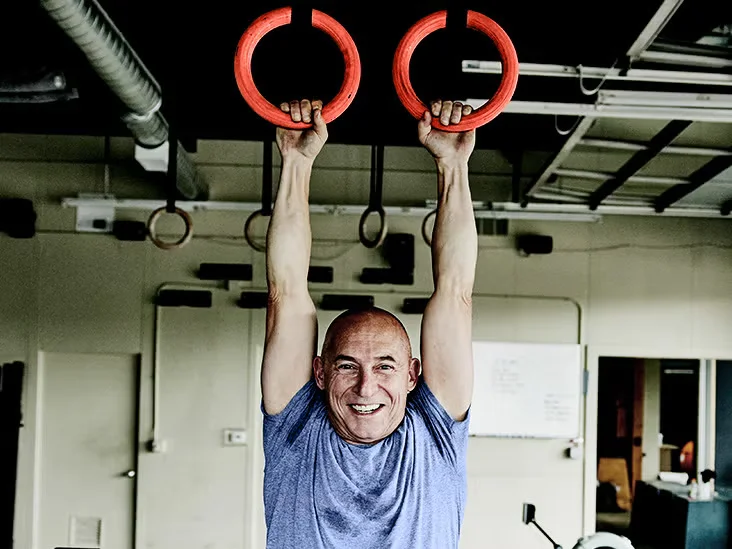
Strength Training for Managing Hypertension.

A systematic review and meta-analysis found that strength training may be an effective non-medication option for the management of high blood pressure. Researchers noted that strength training appears most effective when it involves training at least twice a week with moderate to vigorous intensity over at least two months. High blood pressure can lead to severe complications, including stroke, heart attack, or kidney failure. Lifestyle modifications may include losing weight, quitting smoking, and exercising. People with high blood pressure can work with their doctors to develop individualized treatment plans.