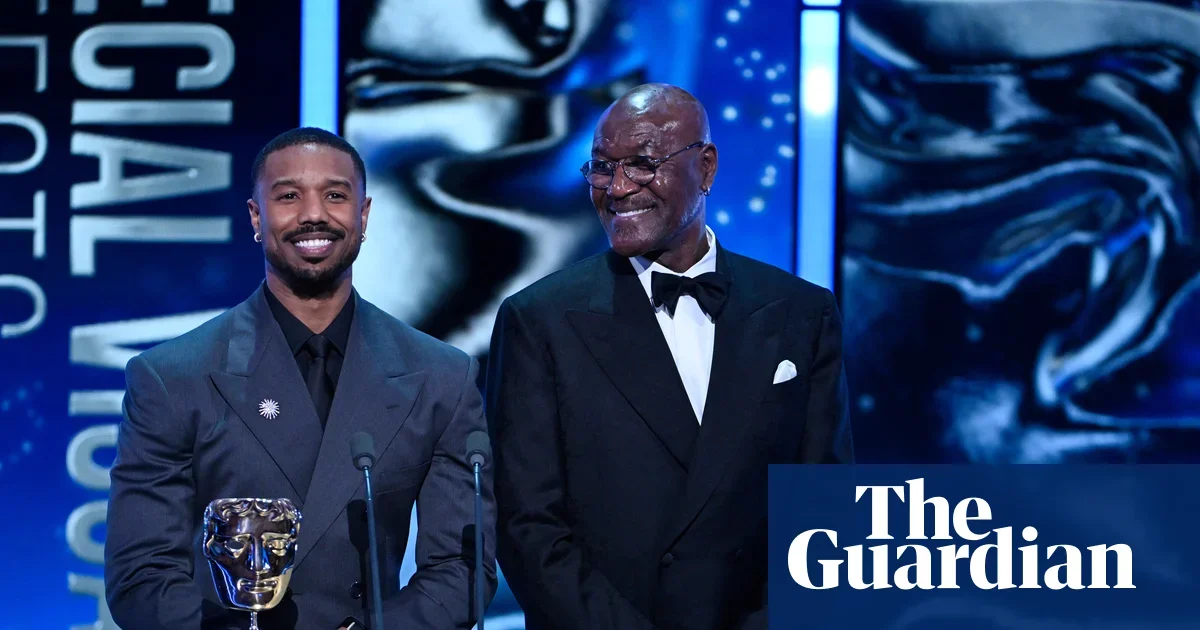
The Canadian TV series Heated Rivalry features Shane Hollander, a character who is subtly portrayed as autistic, with the actor Hudson Williams and author Rachel Reid confirming the character's neurodivergence. The show is praised for its nuanced and authentic depiction of autism, integrating it naturally into the character's personality without making it a plot point, contributing positively to representation and awareness.
Jeff Bezos and Lauren Sánchez Bezos awarded $5 million to David Flink of the Neurodiversity Alliance, recognizing efforts to support neurodivergent students and promote inclusive education, as part of the Bezos Courage & Civility Award.
A UK survey of over 900 neurodivergent adults reveals mixed feelings about the term 'neurodiversity' and related language, highlighting the importance of correct usage and the need for nuanced understanding to foster inclusion and reduce stigma.
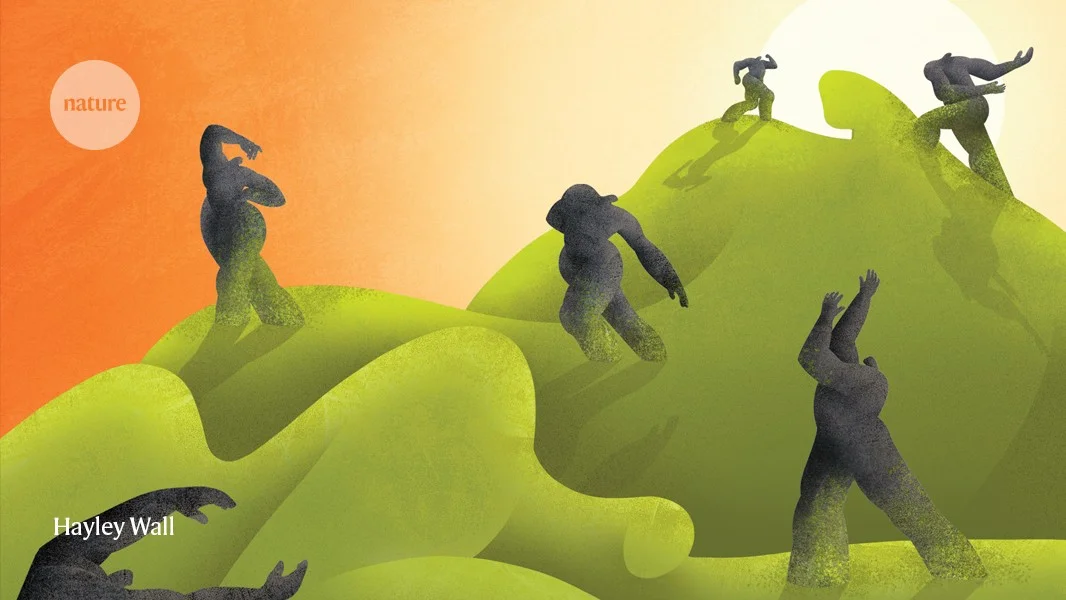
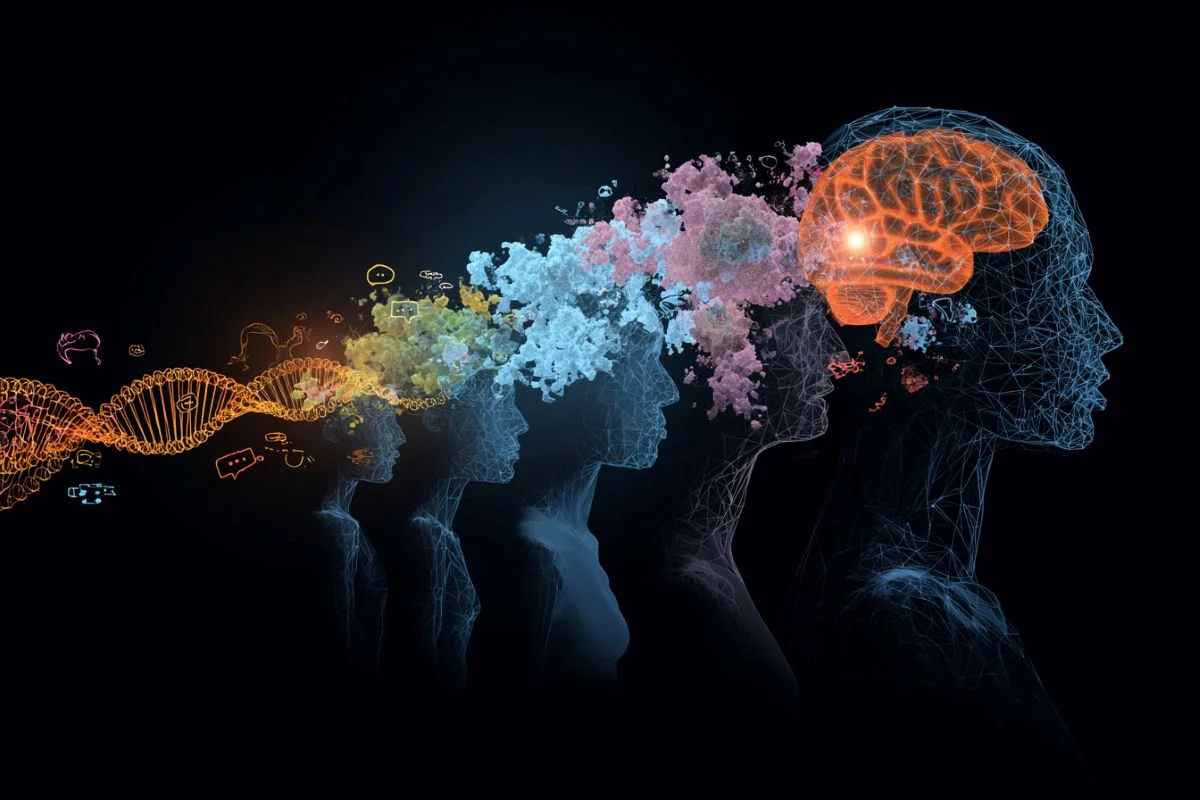
A new study suggests that the rapid evolution of the human brain, especially certain cell types and gene expressions, may be linked to the prevalence of autism, viewing it as a neurodevelopmental variation connected to our unique cognitive abilities.
Originally Published 3 months ago — by Hacker News
The article discusses a detailed autism simulation game that aims to promote empathy by mimicking the daily challenges faced by autistic individuals, including masking behaviors, sensory sensitivities, and social interactions. It highlights the complexity of autism, the misconceptions around masking, and the importance of understanding individual experiences, while also touching on broader issues of neurodiversity and societal support.
A study suggests that the high prevalence of autism in humans may be an evolutionary trade-off, with rapid genetic changes in brain-related genes potentially contributing to unique human traits like language and prolonged brain development, which also increase neurodiversity.
A study suggests that rapid evolution of specific brain neurons and autism-related genes in humans may have contributed to cognitive traits like language and neurodiversity, with natural selection favoring these genetic shifts despite their association with autism.
A study suggests that the unique wiring of the human brain, especially fast-evolving neurons linked to language and abstract thought, may explain the high prevalence of autism, as these genetic changes that made us human also increased neurodiversity and susceptibility to conditions like ASD and schizophrenia.
A UK government study reveals that AI tools like chatbots significantly benefit neurodiverse employees and those with disabilities by bridging workplace accessibility gaps, potentially transforming support for individuals with dyslexia, ADHD, and other conditions, though concerns about accuracy and dependence remain.
Originally Published 5 months ago — by Hacker News
Research suggests that certain gait patterns, such as toe-walking or specific arm movements, could be indicators of autism, but these are not definitive and may be influenced by various factors. The article discusses the complexity of diagnosing autism based on physical behaviors and emphasizes the importance of tolerance and understanding of neurodiversity.
The article discusses the significant rise in autism diagnoses, attributing it mainly to increased awareness and broader diagnostic criteria rather than an actual increase in prevalence. Dr. Rebecca Ker emphasizes that autism is a spectrum of differences, not a disease needing cure, and highlights the challenges in accessing timely support and diagnosis. She advocates for creating more inclusive environments and understanding neurodiversity, warning against fear-mongering and misinformation that can harm autistic individuals.
The article discusses the rising rates of adult ADHD diagnoses, exploring whether this reflects an actual increase, greater inclusivity in diagnostic criteria, or societal and cultural shifts such as the neurodiversity movement and pandemic-related stress. It highlights the complexities of diagnosing ADHD in adults, especially those with mild or subclinical symptoms, and considers the implications of expanding diagnostic boundaries, including risks of overdiagnosis and misdiagnosis. The piece advocates for a nuanced understanding of ADHD's diverse presentations and suggests that future diagnostic frameworks may need to better capture its many faces.
The article discusses how adults with ADHD can manage their condition at work by finding community support, using organizational tools like lists and body doubling, requesting workplace accommodations, and embracing their unique strengths such as creativity and hyper-focus to turn ADHD into a potential advantage.
U2 drummer Larry Mullen Jr. has revealed his recent diagnosis with dyscalculia, a learning disability affecting numerical comprehension, which he likens to the challenge of climbing Everest when counting bars of music. Despite struggling with this condition throughout his career, Mullen was only recently diagnosed. He discussed his experience in an interview about a documentary on dyslexia, a condition his son also has. Mullen joins other musicians like Cher and Florence Welch in speaking openly about dyscalculia.
The podcast discusses the rising diagnoses of ADHD and challenges the traditional view of it as a brain dysfunction requiring treatment. Instead, some experts suggest ADHD may be part of the neurodiversity spectrum, representing a different way of being normal. The episode explores the scientific basis for this perspective and its potential implications for managing ADHD.