Adobe rebrands Premiere Pro to Premiere 26 and adds AI-powered Object Mask for one-click masking, faster 20x tracking improvements, redesigned Shape Masks with live previews, and deeper Frame.io and stock integrations, all available to Creative Cloud subscribers.
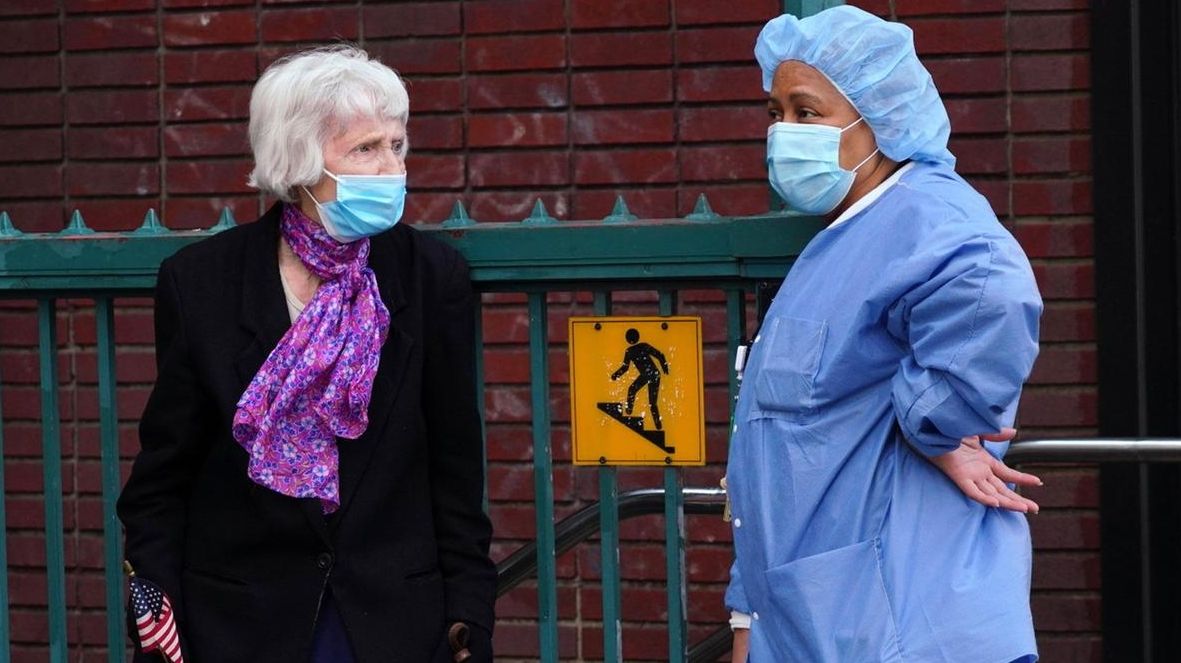
Sonoma County has mandated masking for healthcare workers in certain facilities caring for vulnerable populations through March to reduce the spread of influenza, COVID-19, and other respiratory viruses, focusing on areas where patients and staff interact, with the order being reissued annually based on surveillance data.
The article discusses a detailed autism simulation game that aims to promote empathy by mimicking the daily challenges faced by autistic individuals, including masking behaviors, sensory sensitivities, and social interactions. It highlights the complexity of autism, the misconceptions around masking, and the importance of understanding individual experiences, while also touching on broader issues of neurodiversity and societal support.
A woman plans to rent a hotel room to avoid conflict over masking at a family festival, choosing honesty and strategic lying to maintain her comfort and safety, amid concerns about her family's masking compliance and safety during COVID.
A summer COVID wave is impacting California with rising cases, hospitalizations, and wastewater viral levels, prompting health officials to recommend indoor masking and vaccination, amid debates over vaccination rules and ongoing public health measures.
A study using EEG reveals that autistic teens who mask their traits to appear non-autistic show faster facial recognition and reduced emotional responses, indicating a hidden cognitive toll and suggesting many may pass unnoticed in social settings, highlighting the need for better support and understanding of masked autism.
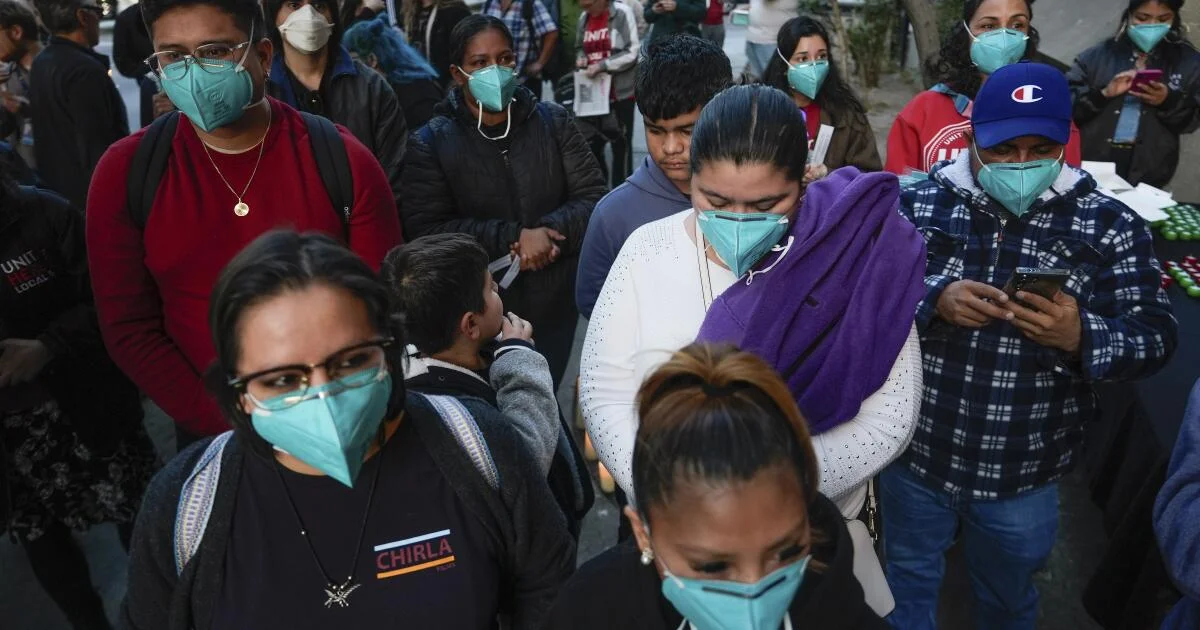
The article discusses the controversy surrounding federal immigration agents in Los Angeles wearing masks during raids, highlighting concerns about safety, accountability, and community impact, while defenders cite security reasons and legal allowances for masking.
The author argues that wearing masks should be seen as a gift to oneself rather than a dreary obligation, emphasizing the importance of public health tools like air filtration and mucosal vaccines in fighting the pandemic. They discuss the discomfort and societal implications of mask-wearing, advocating for the use of effective respirator masks. The author shares their personal experience with Covid-19 and highlights the lack of public mourning for Covid deaths and the struggles of those with Long Covid. They call for a collective movement to prioritize public health and advocate for necessary measures to combat the pandemic.
A high-risk individual with a neuromuscular disability and respiratory failure expresses fear and frustration over the rising COVID-19 cases, lack of protection for vulnerable populations, and the dismissive attitudes of public officials and policymakers. The author emphasizes the ongoing threat of the pandemic for high-risk individuals and advocates for continued mask-wearing, vaccination, and collective action to protect vulnerable communities, while calling for greater representation of disabled people in public service and health professions.
New York health officials are urging hospitals, health facilities, and nursing homes to reinstate masking as COVID-19 and flu cases surge in the state, with over 3,000 COVID-related hospitalizations reported for three consecutive weeks and more than 30,000 flu cases recorded. The state's health department is recommending the use of masks to prevent transmission and protect patients and healthcare workers, as both COVID and flu hospitalizations are on the rise.
As respiratory illnesses, including COVID-19, influenza, and RSV, surge on Long Island, health officials continue to recommend masking and vaccination as key protective measures, particularly for the immunocompromised. Despite this, public adherence to masking has waned, with many indoor settings no longer mandating their use. Medical professionals emphasize the effectiveness of well-fitting N95 masks but acknowledge the challenge of combating masking fatigue. Mask mandates remain largely absent except in specific health and hospital settings, where some institutions have implemented requirements for staff and visitors to wear masks, especially around vulnerable populations.
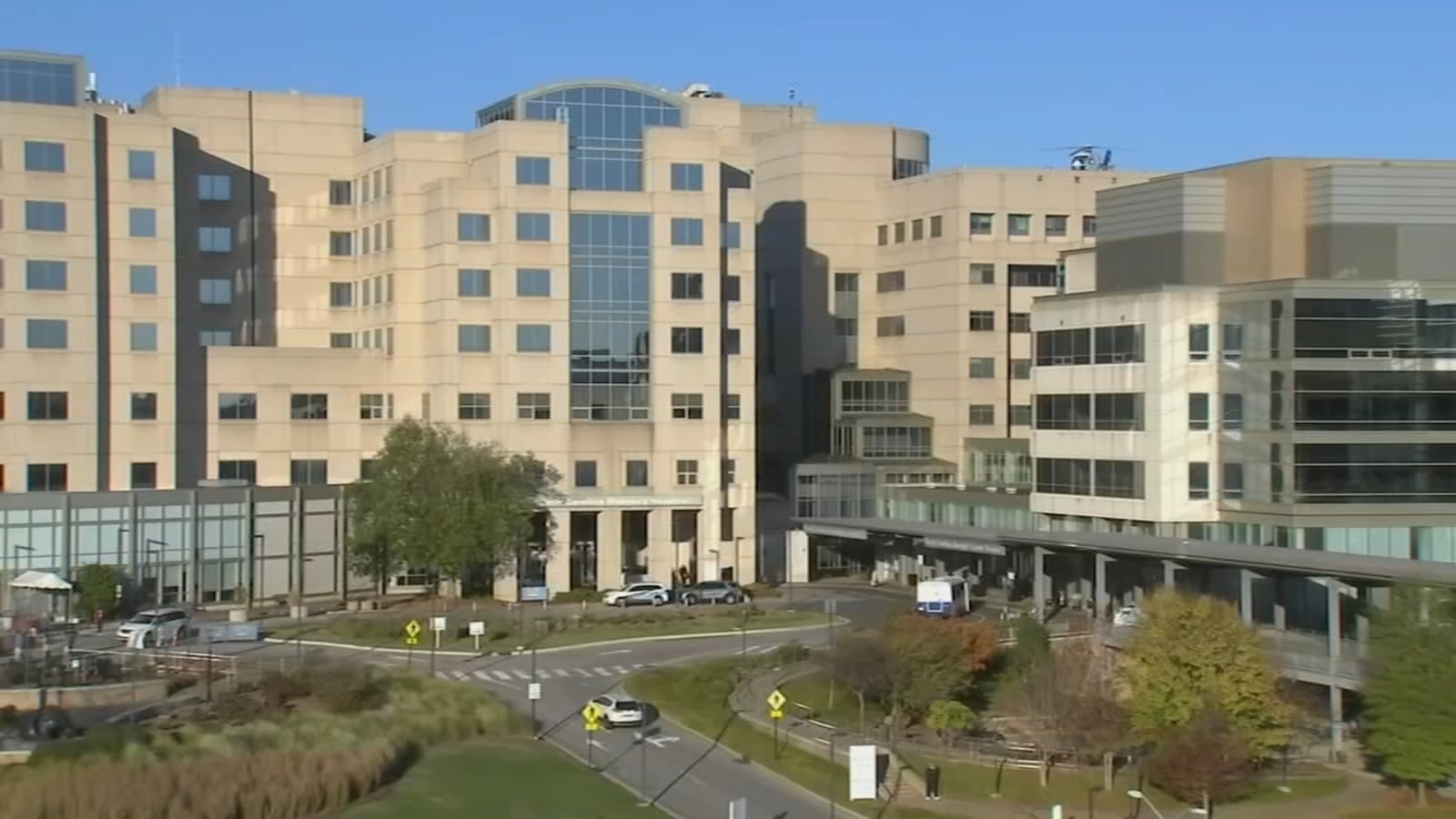
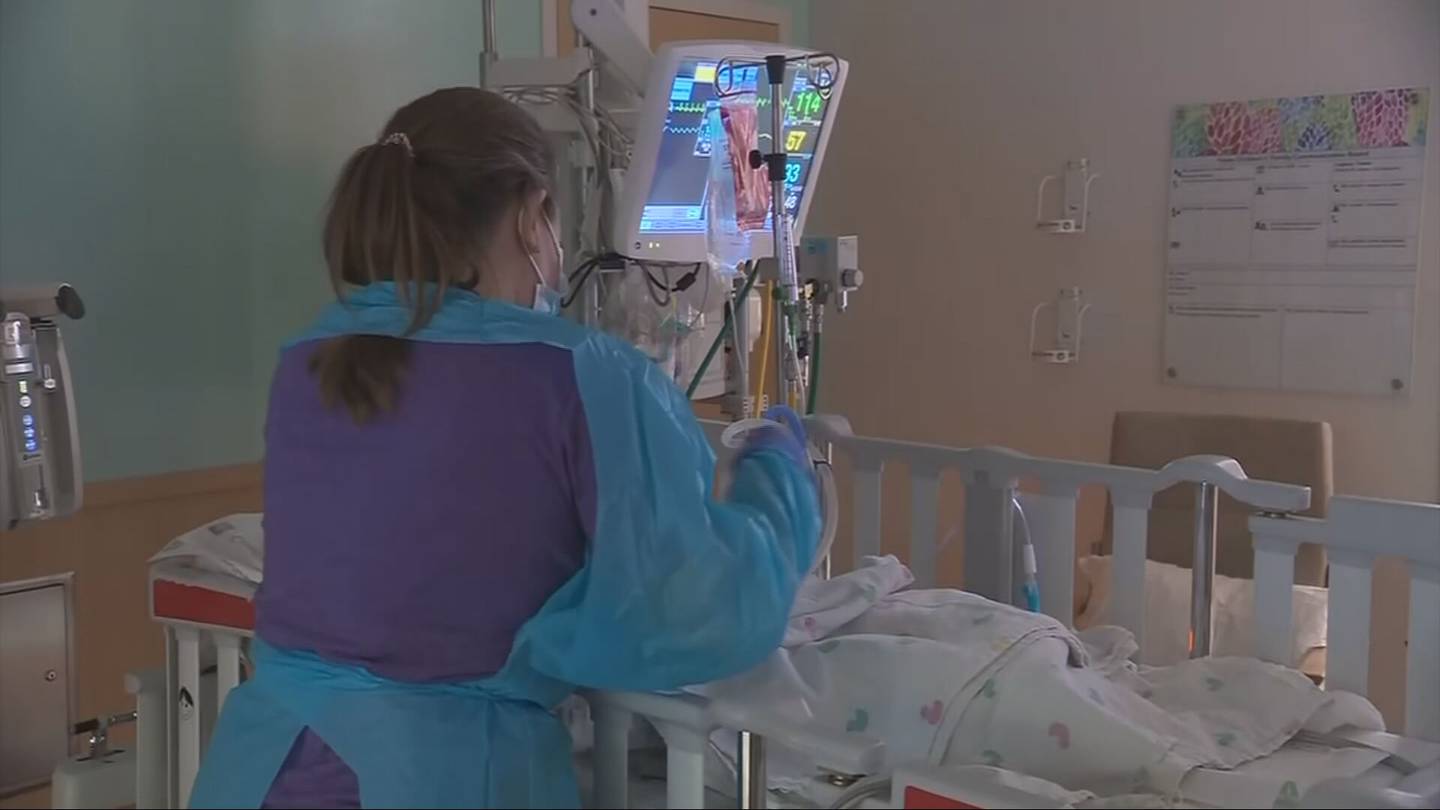
In response to a rise in respiratory illnesses, hospitals in the Triangle area of North Carolina, including UNC Health, WakeMed, and Duke Health, are implementing new policies such as restricting young visitors, requiring masks during patient care, and limiting patients to two visitors at a time. Cape Fear Valley Health is mandating masks for all patients and visitors. These measures are part of a broader trend across at least six states where hospitals have reinstated masking policies due to an increase in respiratory virus cases, including COVID-19 and flu.
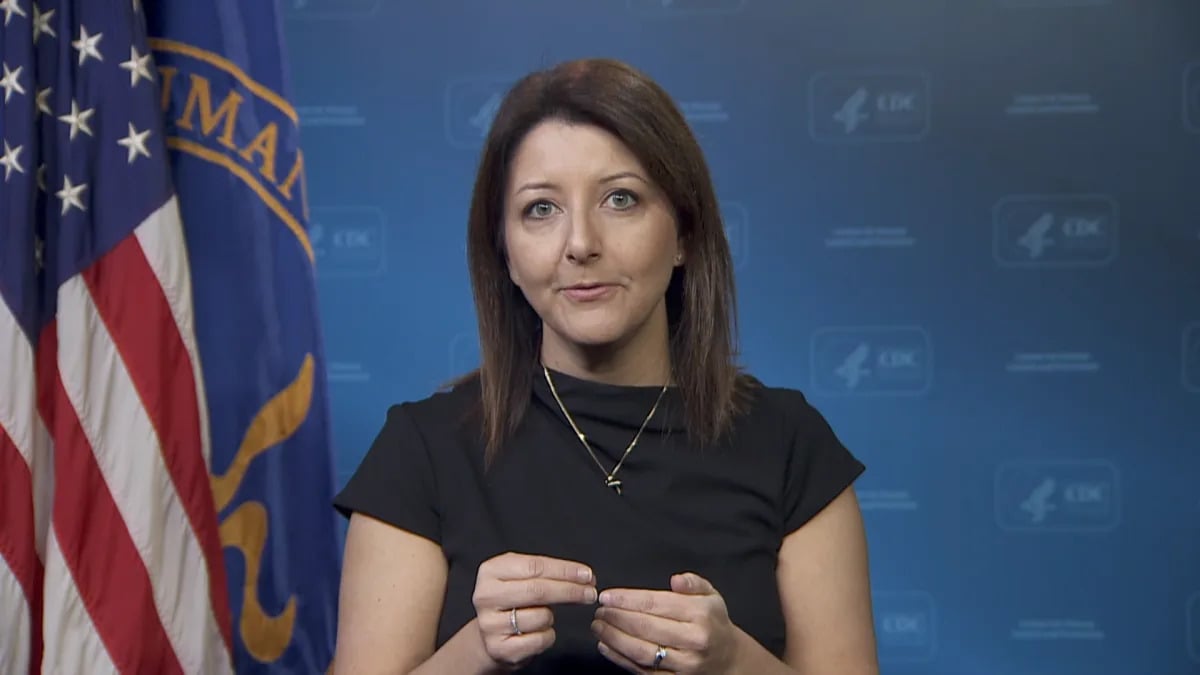
Dr. Mandy Cohen, director of the CDC, provides guidance on what to do if you fall ill during the holiday season. She advises getting tested to determine the illness and potential contagious period, seeking treatment early, and staying home to avoid spreading germs. Cohen clarifies that wearing masks is an additional protective measure, not a mandate, and encourages individuals to assess their personal risk and the risk of those they interact with. While cases of respiratory viruses are increasing, it is still too early to determine if this season is worse than previous years. Cohen reassures that COVID variants are not more severe and current vaccines provide good coverage. To stay healthy, she recommends handwashing, improving ventilation, maintaining a healthy lifestyle, and getting vaccinated against COVID, flu, and RSV.
Snohomish County in Washington is experiencing a rise in cases of respiratory syncytial virus (RSV), prompting health officials to recommend wearing masks in healthcare settings. The county has reached its threshold number of cases, and experts note that RSV season is occurring earlier than usual. RSV is a severe respiratory disease that can cause fever, coughing, wheezing, difficulty breathing, and bluish skin. Parents are concerned about the increased risk for their children, particularly those attending daycare. Masking is advised as an effective measure to prevent the spread of the disease.
Infectious diseases expert Dr. Thomas Russo has noticed a rise in positive Covid-19 cases in Western New York, referring to it as a "Covid creep." While hospitalizations have increased, they remain low compared to previous years, and fewer people are getting severely ill. Some hospitals, like Roswell Park Comprehensive Cancer Center, have reinstated mask requirements in anticipation of the colder months and the typical respiratory virus season. Other hospitals are monitoring the situation but have not implemented mandatory masking. Experts recommend getting vaccinated, getting the flu vaccine, and taking precautions in poorly ventilated indoor settings.