A study suggests that rapid evolution of specific brain neurons and autism-related genes in humans may have contributed to cognitive traits like language and neurodiversity, with natural selection favoring these genetic shifts despite their association with autism.
A study led by scientists at Pennsylvania State University has found a potential link between the bubonic plague and modern cases of gum disease. The research, based on genetic analysis of ancient dental samples from individuals in Great Britain, revealed a shift in the oral microbiome composition after the arrival of the second plague pandemic in London in 1348. The modern microbial community showed lower bacterial diversity and was dominated by Streptococcus, a genus associated with periodontal disease. The study suggests that the origins of gum disease may be linked to these Streptococcus-associated communities, and that factors such as disease selection, susceptibility, changes in diet, and genetic changes following the plague could have contributed to the shift in oral microbiomes. Further research is needed to fully understand the connections between respiratory diseases, immune issues, and oral health.
Certain bacteria can mutate and reproduce more quickly when exposed to microgravity, as observed in a study on Escherichia coli cells. These bacteria picked up at least 16 genetic mutations and grew about three times as many colonies as unmodified bacteria. Even when removed from microgravity conditions, the growth advantage was retained, suggesting permanent genomic changes. While the reasons for this response are unclear, scientists are studying ways to protect astronauts and mitigate potential damage from space-modified bacteria. The mutated bacteria were found to be susceptible to antibiotics, providing temporary relief from a potential supercharged bacteria invasion.
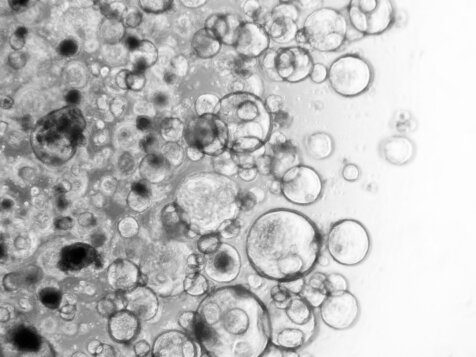
Researchers at Stanford Medicine have discovered that cancer cells accumulate specific genetic changes in a predictable and sequential manner years before they become pre-malignancies. These changes affect pathways controlling cell division, structure, and internal messaging, indicating that cells are poised to become cancerous long before visible signs or symptoms appear. Identifying these early genetic alterations could lead to earlier diagnosis and potential interventions to stop cancer progression. The study focused on human gastric organoids and found reproducible patterns of genetic changes that occur in biological pathways related to cell division, signaling networks, and cell structure. The researchers plan to expand their study to other cell types and initiating events to better understand the early genetic events in different organs.
Octopuses can rapidly recode key proteins in their nerve cells by editing their RNA on the fly, an ability found in some species of octopuses, squids, and cuttlefish. Scientists believe that it may be widely adopted throughout the world of cephalopods. The editing seemed to be in response to acclimating to cold, rather than warm water, affecting neural proteins that are sensitive to cold temperatures. The changes occur very quickly, within less than a day, and within four days, they were at the new steady-state levels that you find them in after a month.
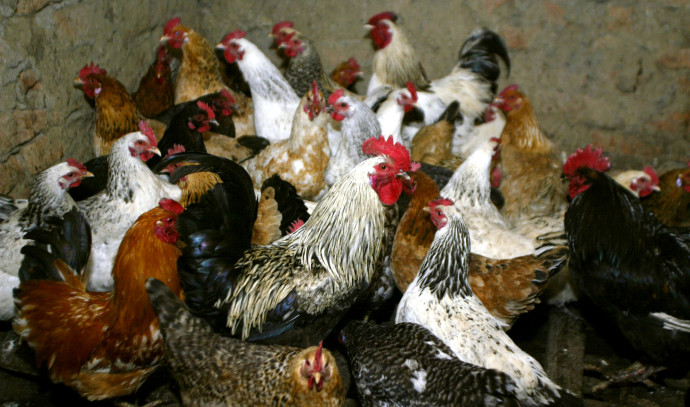
A new study published in Nature Communications found that the ongoing outbreak of avian influenza has been marked by rapid genetic changes and highly increased virulence in both birds and mammals. The virus gained a different version of a viral protein called neuraminidase, which increased its ability to transmit between birds, before arriving in Canada and then spreading to the rest of the Americas. The virus also became more severe since it spread to the Americas, with ferrets infected with samples of the virus experiencing rapid weight loss, lethargy and severe neurologic symptoms such as paralysis and impaired muscle control. While the virus is still low-risk to humans, the scientists stressed that the increased pathogenicity of the virus is "of significant concern."