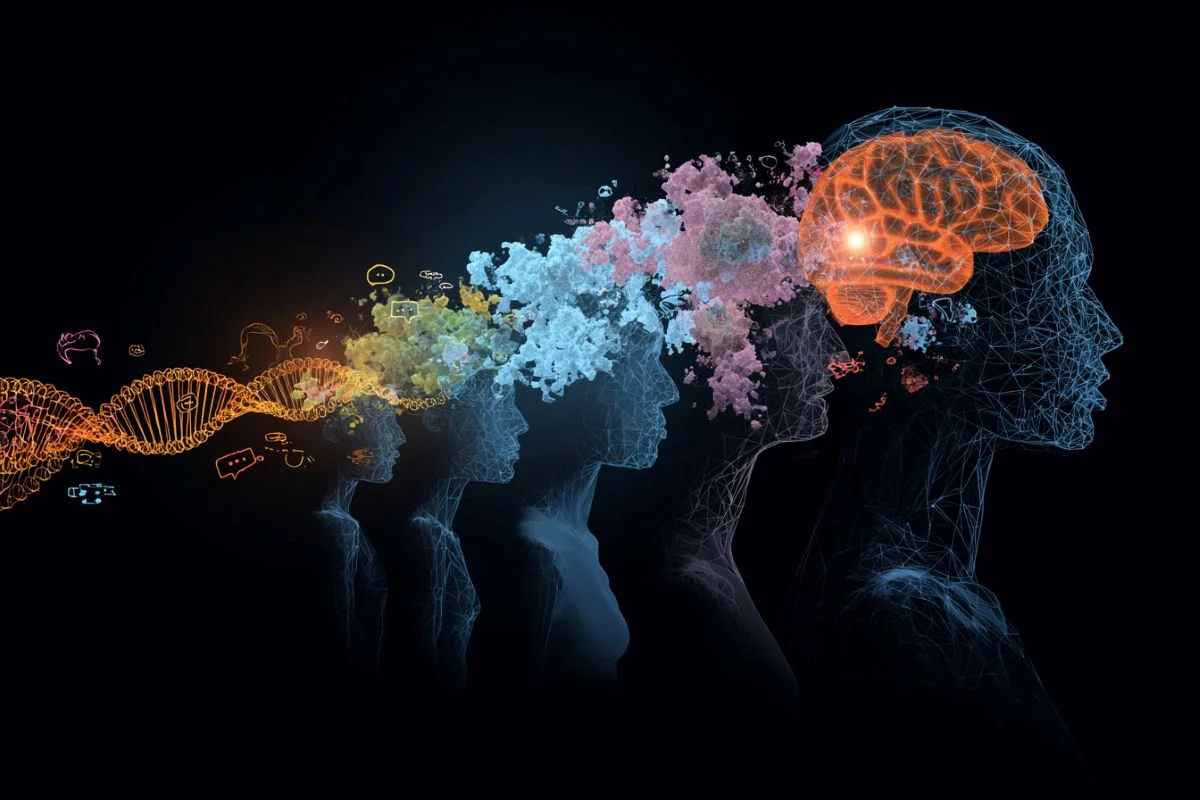
A study suggests that rapid evolution of specific brain neurons and autism-related genes in humans may have contributed to cognitive traits like language and neurodiversity, with natural selection favoring these genetic shifts despite their association with autism.
A study by UT Southwestern found that the human CLOCK gene, known for regulating circadian rhythms, also enhances neural connectivity and cognitive flexibility in mice by promoting more intricate neural networks, suggesting a role in human brain evolution.
Researchers have identified epiregulin as a key factor in the expansion of the human neocortex, using 3D brain organoids to compare brain development between mice and humans. The study suggests that the quantity of epiregulin distinguishes human brain development from other species, including primates like gorillas, shedding light on what makes the human brain unique and emphasizing the value of innovative methodologies in understanding evolutionary processes.
A new study suggests that the evolution of the human brain's increased size may be attributed to the consumption of fermented foods, offering an alternative to the theory that cooking was the key driver. The study hypothesizes that 'pre-digested' foods contributed to the development of larger brains, with implications for future research in human health and evolution. This hypothesis is supported by the fact that the human large intestine is proportionally smaller than that of other primates, suggesting that we adapted to food that was already broken down by the chemical process of fermentation.
Recent research suggests that fermentation, rather than cooking, played a crucial role in driving the evolution of the human brain. The consumption of pre-digested, fermented foods provided more accessible nourishment, bridging the gap between the growth of larger brains and the later advent of cooking. This hypothesis is supported by evidence such as the smaller large intestine in humans compared to other primates, indicating adaptation to easier-to-digest foods. Exploring the impact of fermented foods on human health and the gut microbiome could potentially link it to both physical and mental well-being.
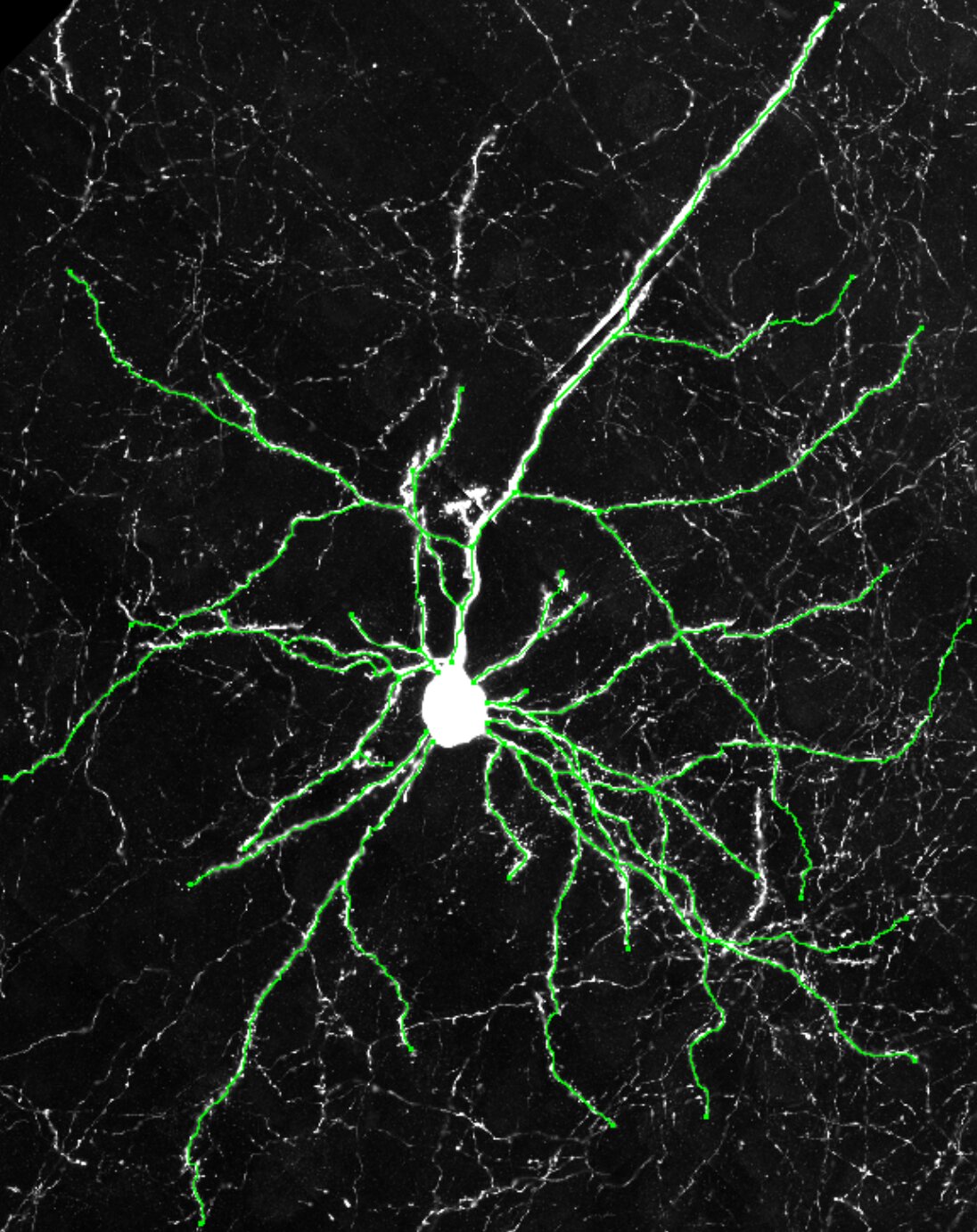
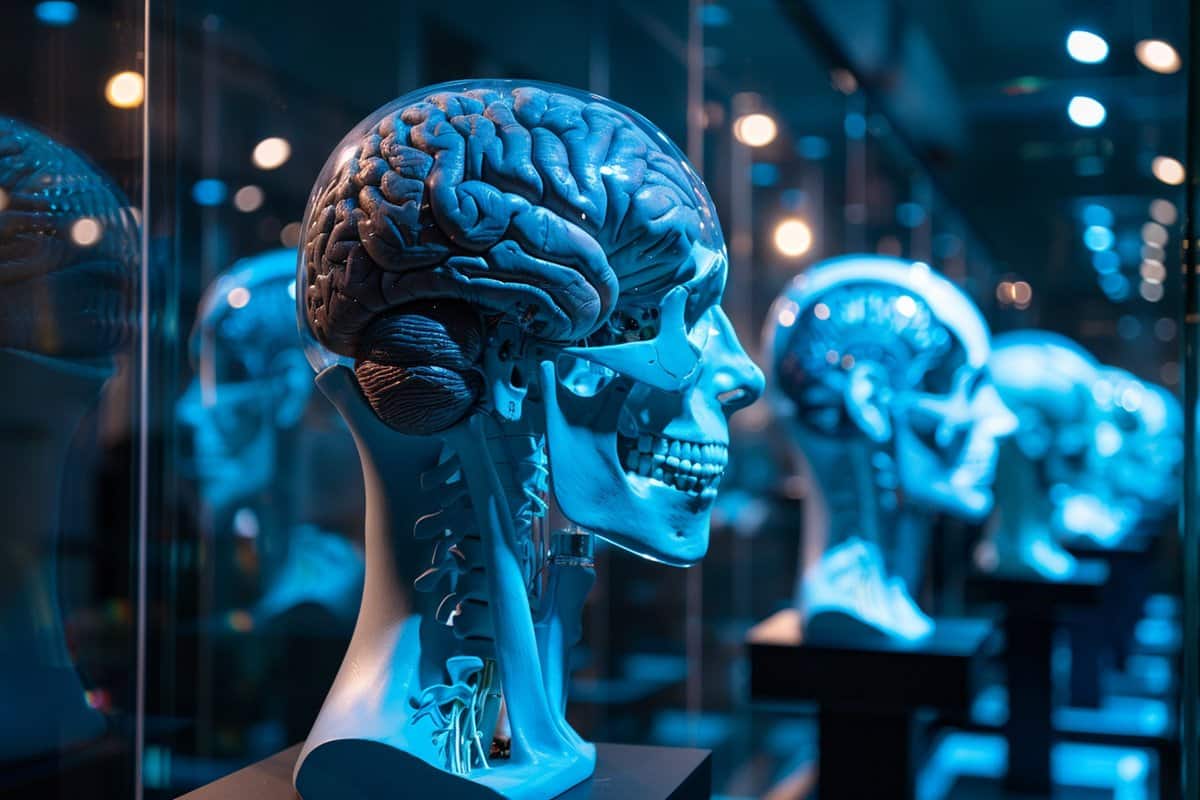
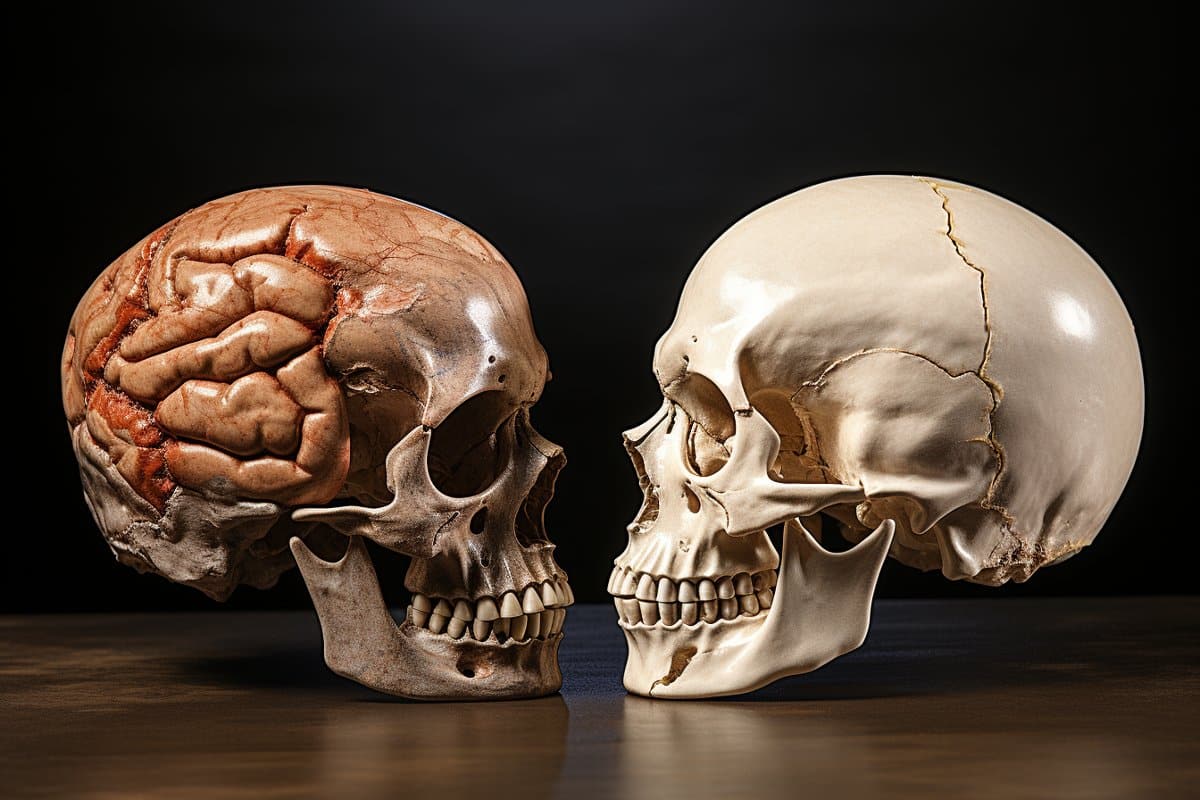
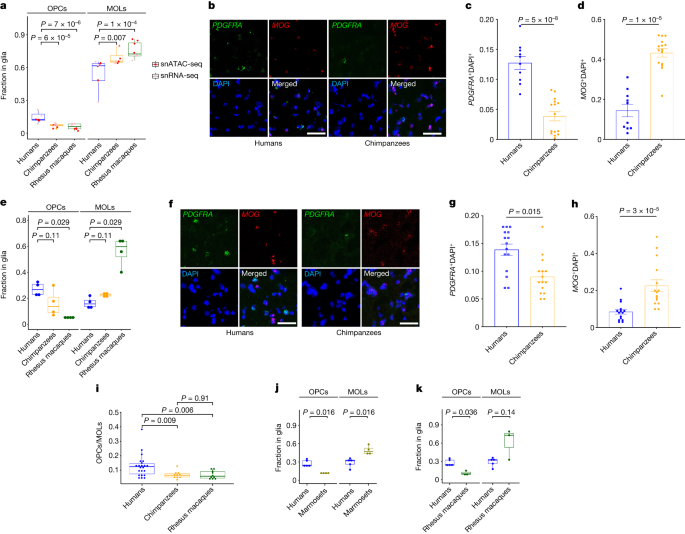
A comprehensive review of scientific studies on human brain evolution highlights the molecular features and cellular complexity that distinguish the human brain from other primates. The research, which includes comparative analysis of gene expression, epigenetic regulation, and cellular composition, reveals unique transcriptional networks, synaptic development, myelination patterns, and cell type diversity in the human brain. These findings shed light on the genetic and molecular mechanisms underlying the evolution of human cognitive abilities and provide insights into neurological disorders.
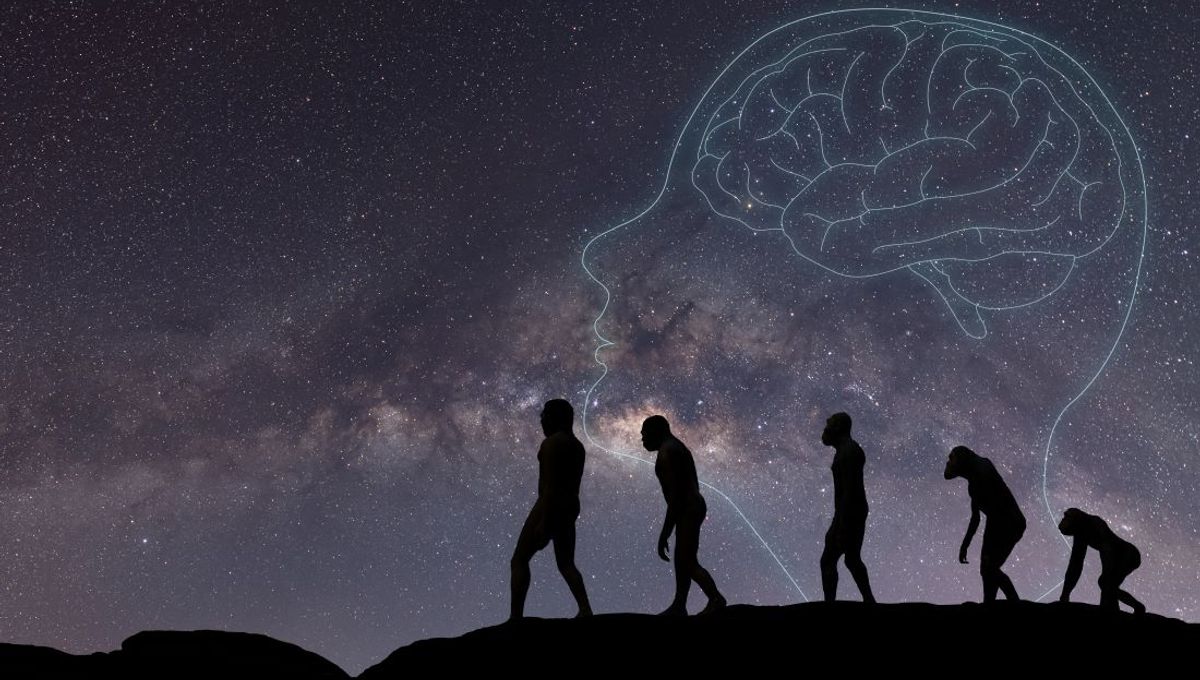
A chance rearrangement of the human genome over a million years ago probably kick-started the evolution of modern humans from our primate ancestors. These stretches of human-specific DNA are called human accelerated regions (HARs). The physical structure of a section of DNA can be an important indicator of its function. The researchers analyzed 241 different mammalian genomes and found that HARs tend to arise in parts of the human genome that are structurally very different to their counterparts in other mammalian genomes. The team then used a machine-learning approach to compare human and chimpanzee DNA sequences, and concluded that almost 30 percent of HARs were in genomic regions that were folded differently in humans than in chimpanzees.