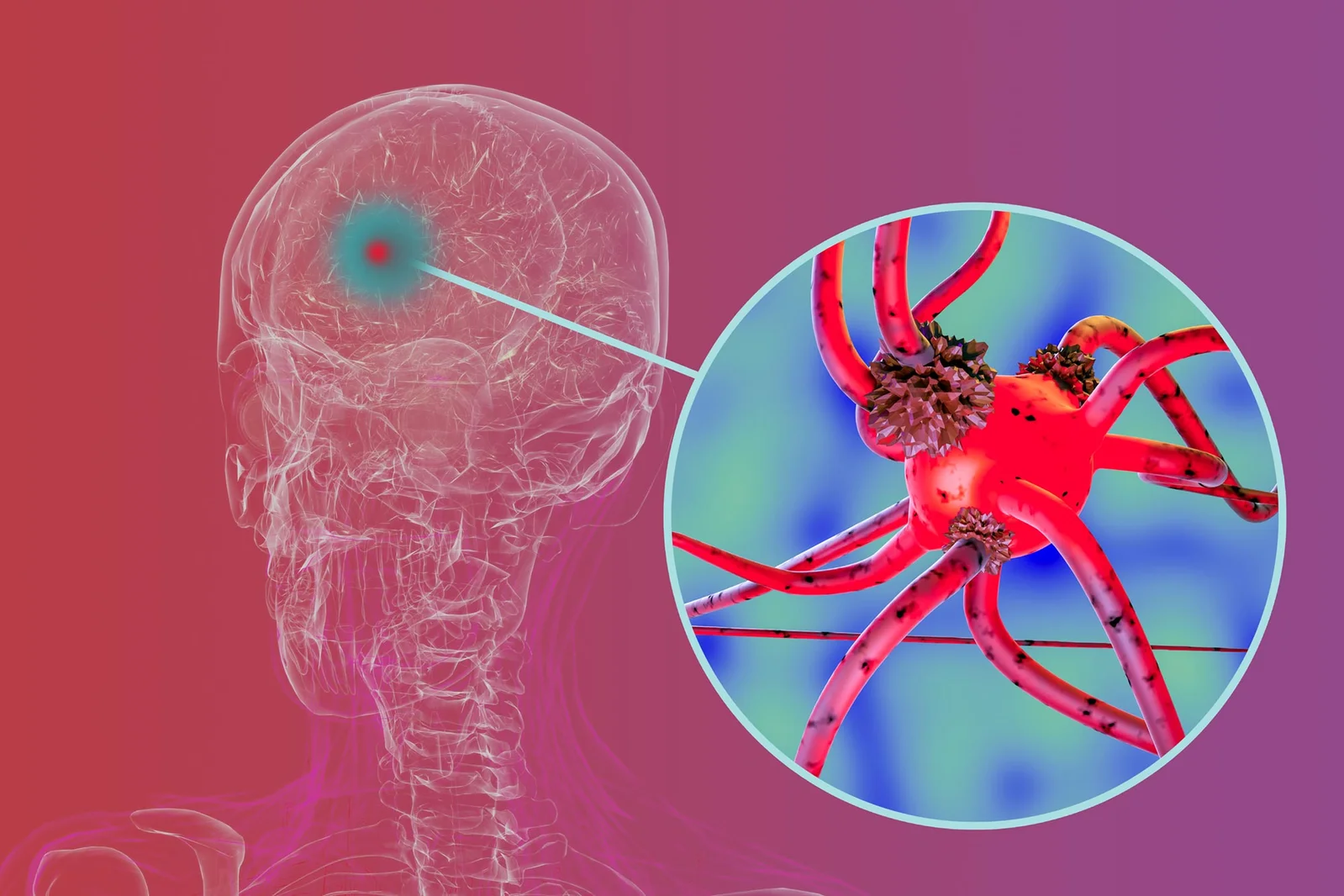
A UCLA Health study links long-term residential exposure to the pesticide chlorpyrifos with more than a 2.5-fold increase in Parkinson’s disease risk. Animal tests show chlorpyrifos damages dopamine neurons and triggers brain inflammation via autophagy disruption, suggesting autophagy restoration as a potential therapeutic angle. Despite declines in the U.S., past exposure and ongoing use elsewhere mean monitoring and further research on pesticide-related neurodegeneration are warranted.
Research links the pesticide chlorpyrifos to increased Parkinson’s risk by damaging brain cell recycling systems, leading to neuron death and protein accumulation, with evidence from human data, animal models, and cellular studies highlighting the importance of environmental factors in neurodegenerative diseases.
A study links prenatal exposure to the pesticide chlorpyrifos with lasting brain structure abnormalities and reduced motor skills in children, highlighting ongoing risks from agricultural use despite bans on household applications.
A US study links prenatal exposure to the pesticide chlorpyrifos with widespread and lasting brain abnormalities and motor issues in children and adolescents, highlighting potential health risks and the need for stricter regulation and further research.
A study links prenatal exposure to the pesticide chlorpyrifos with lasting brain abnormalities and motor function issues in children and adolescents, highlighting ongoing risks from agricultural and residential use of the chemical.