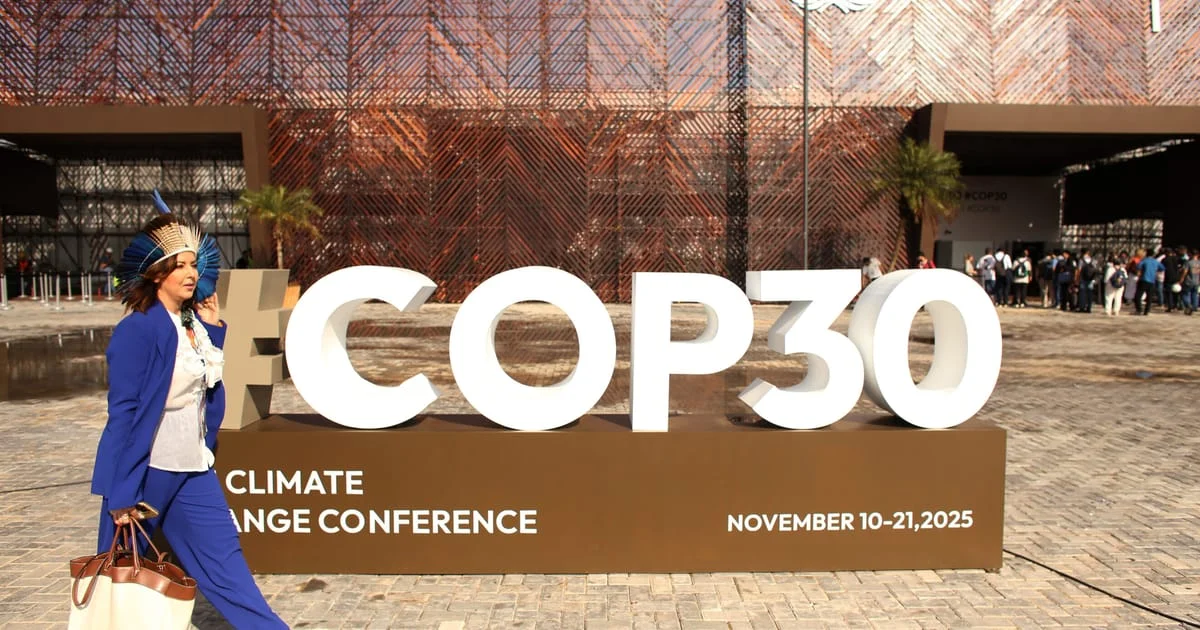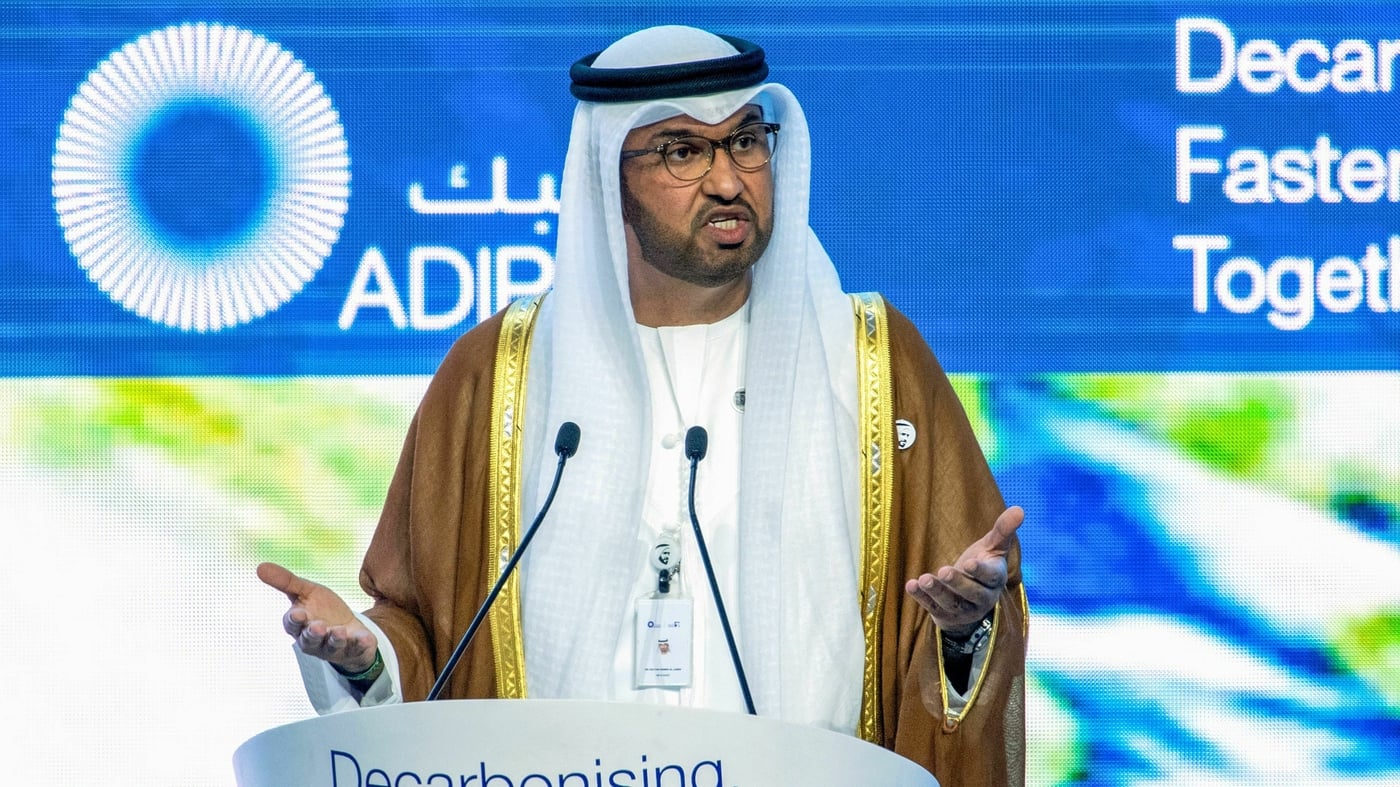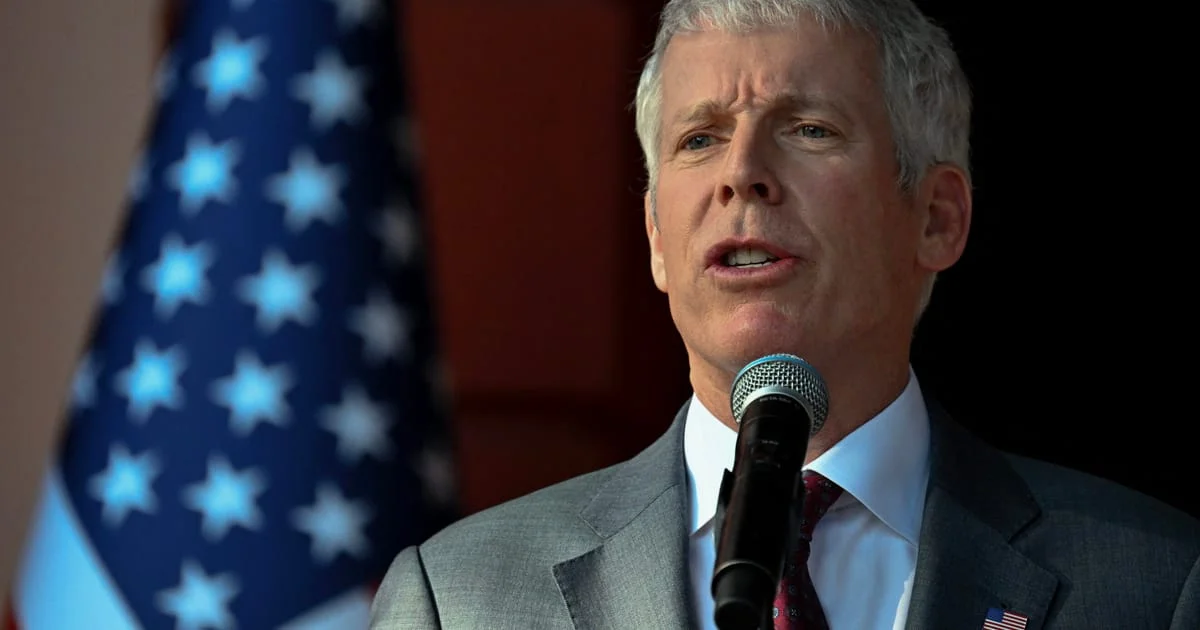
The European Union is facing challenges in its climate policy, with weakened targets and internal disagreements ahead of the COP30 summit, risking its ability to meet net-zero goals, especially after the US's snub of the event.
Scientists warn that relying on natural carbon sinks like forests and oceans to offset fossil fuel emissions could allow countries to "cheat" on net zero targets, as these sinks were not part of the original net zero definition. The study emphasizes the need for "geological net zero," where emissions are counteracted by permanent removal methods. Current rules allow countries to claim carbon removals from managed lands, potentially misrepresenting progress towards climate goals. The study calls for clearer definitions at Cop29 to prevent catastrophic climate breakdown.
New York Attorney General Letitia James is suing JBS, the world's largest meat producer, for allegedly engaging in "greenwashing" by making false claims about plans to become more environmentally friendly, including a "net zero by 2040" campaign. The lawsuit states that JBS hasn't developed a feasible plan to achieve this goal and accuses the company of using misleading statements to capitalize on consumers' desire for environmentally friendly choices. The lawsuit seeks to halt the campaign and recover profits from deceptive practices, posing a setback to JBS's pursuit of a New York Stock Exchange listing.
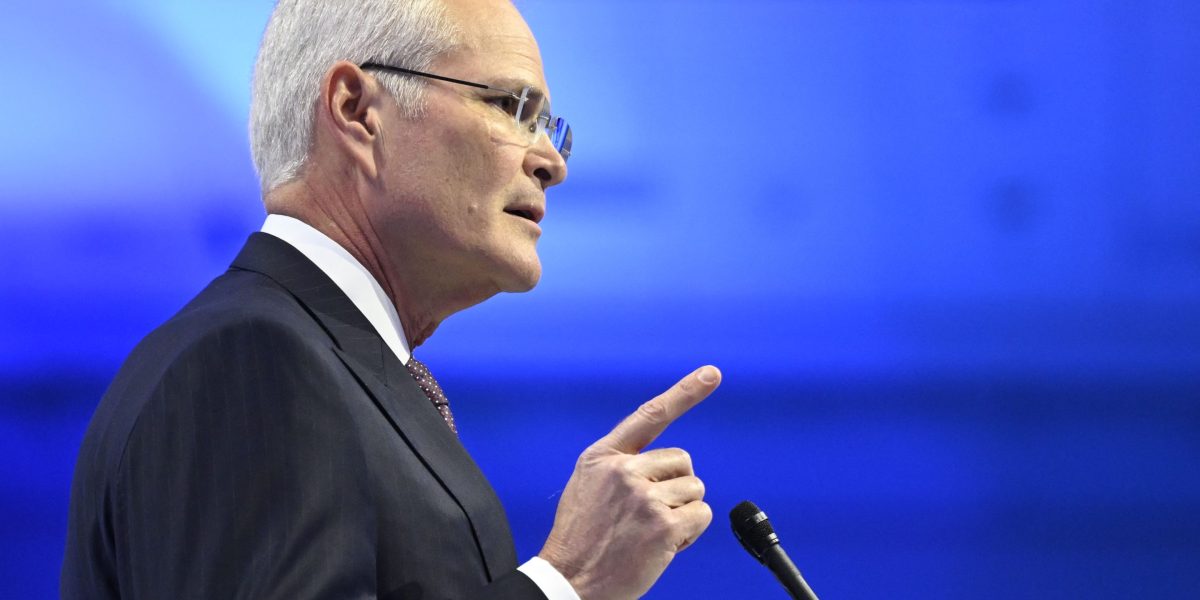
Exxon Mobil CEO Darren Woods highlights the cost and responsibility associated with achieving net-zero emissions by 2050, emphasizing the need for transparency and willingness to pay for carbon reduction. Despite the company's investments in lower-emission initiatives, Woods believes that current policies are not aggressive enough and that both individuals and businesses need to bear the cost burden. He acknowledges the challenges in making clean energy solutions more affordable and advocates for a shift towards market forces and regulation to drive the transition.
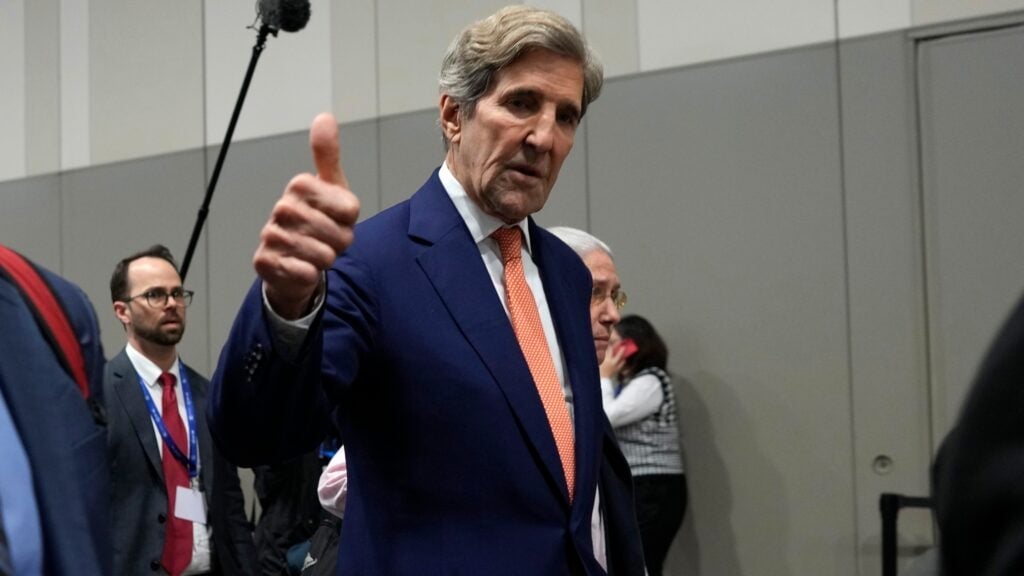
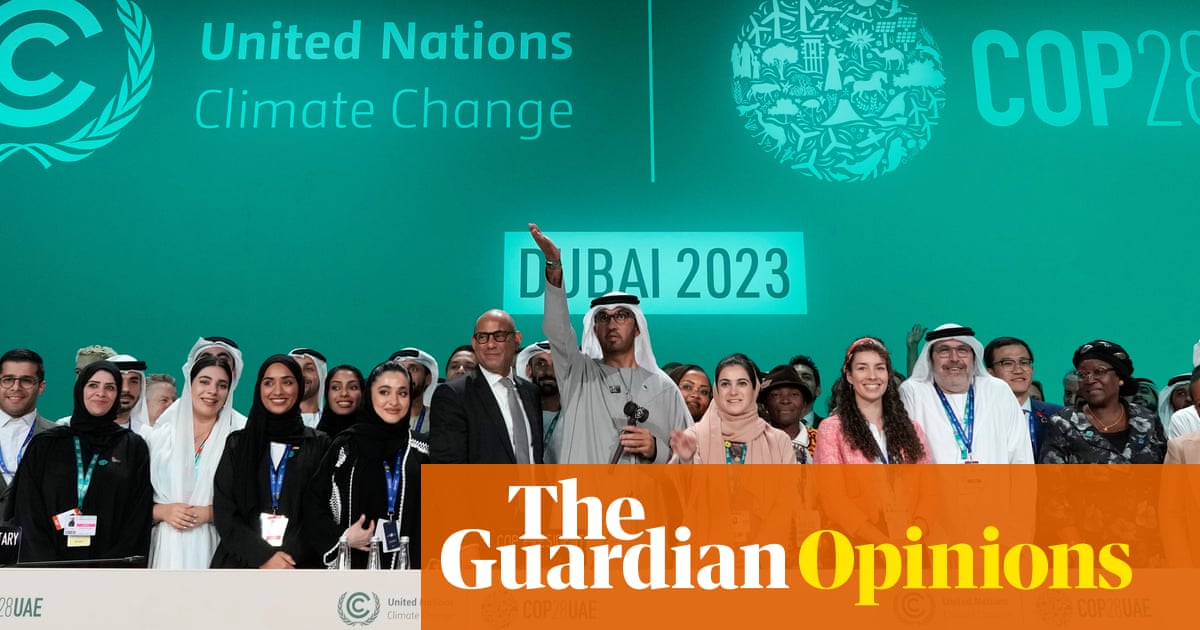
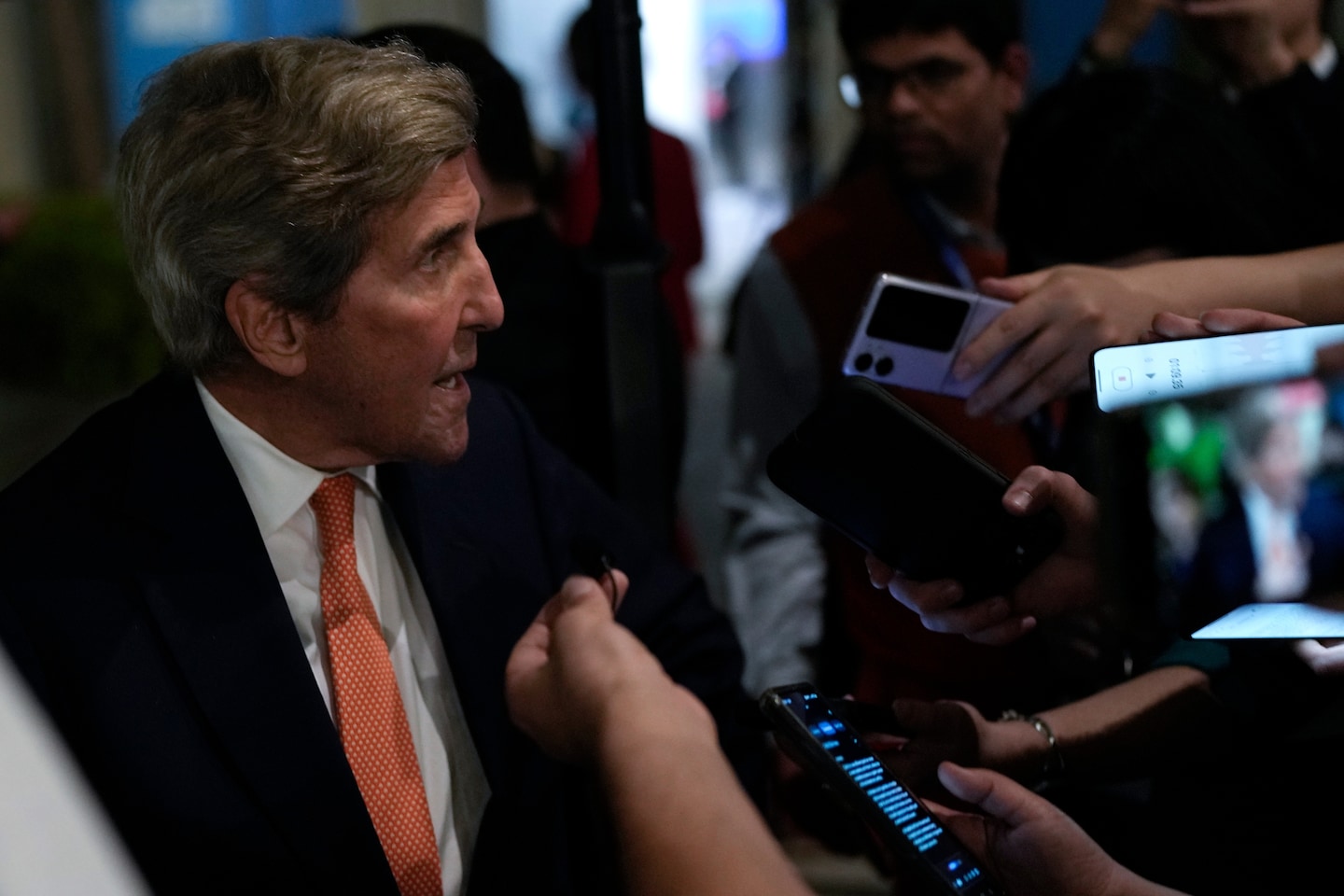
Representatives from nearly 200 countries at the United Nations Climate Change Conference, COP28, have agreed to "phase out" fossil fuel production and use by 2050, marking a significant step towards addressing the climate crisis. While the agreement is non-binding and allows for interpretation by each nation, it establishes a goal of achieving net-zero carbon emissions and outlines a path to get there. Former US Secretary of State John Kerry, who represented the US in the negotiations, expressed optimism about the agreement, highlighting the urgency of the climate crisis and the need for public pressure and policy incentives to ensure its implementation.
The COP28 agreement marks progress in acknowledging the need for the decline of coal, oil, and gas, and calls on all countries to work towards transitioning away from fossil fuels to achieve net zero emissions by 2050. However, the agreement leaves room for interpretation and lacks stronger language on fossil fuel phase-out. The decision recognizes the importance of equity and differentiated responsibilities among nations but falls short in providing sufficient climate finance. The interests of fossil fuel-producing countries, fossil fuel users, and the climate continue to clash, highlighting the challenges in achieving a low-carbon future.
Nations at COP28 in Dubai have reached a historic climate agreement, calling for a transition away from fossil fuels in order to combat global warming. This is the first global climate deal to specifically target the reduction of fossil fuel use. Countries have agreed to transition in a just and equitable manner, aiming to achieve net zero emissions by 2050. The agreement was reached after intense negotiations between oil-dependent nations and low-lying islands threatened by rising greenhouse gas emissions.
Canada plans to implement a cap-and-trade system to impose greenhouse gas emission limits on its oil-and-gas industry, becoming one of the first major global oil producers to do so. The government aims to issue emissions allowances to producers, capping them between 35% and 38% below 2019 levels by 2030. These allowances will be gradually reduced until the industry achieves net zero emissions by 2050.
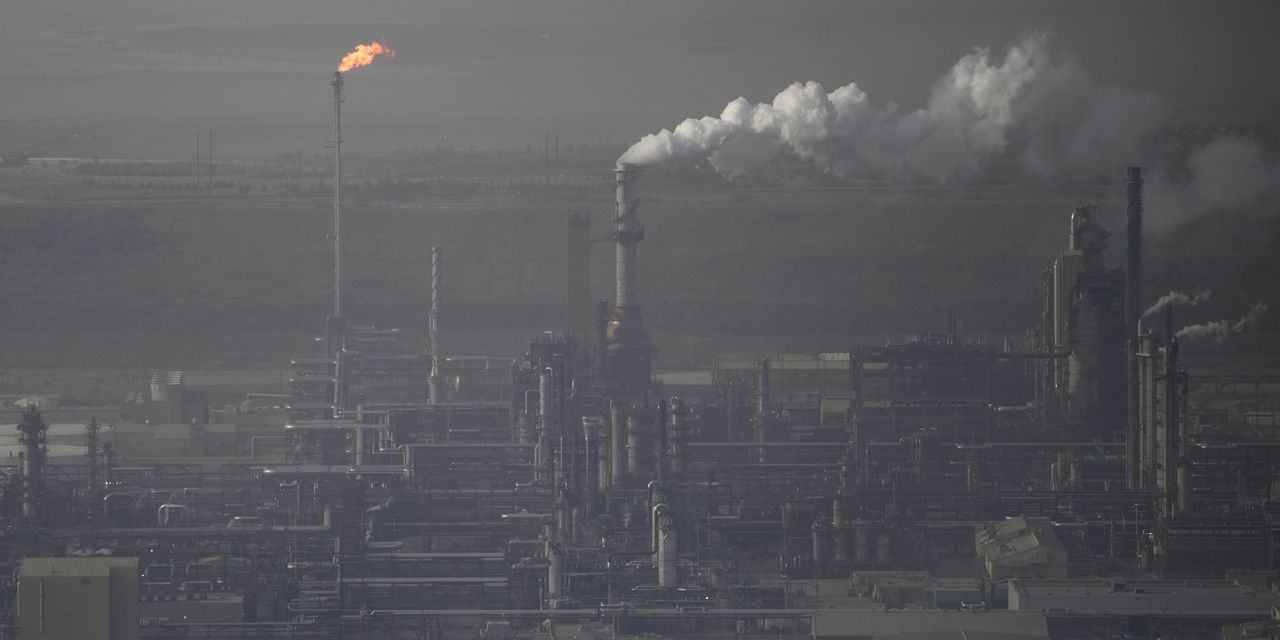
Oil companies have a significant presence at the climate talks, and their language is crucial as it can influence policy decisions. While most oil companies acknowledge climate change, they advocate for continued use of fossil fuels, albeit with cleaner extraction and processing methods. Key phrases used by oil companies, such as "low carbon" and "net zero," can be misleading, as they often refer only to emissions from their operations and not the emissions from the oil they sell. The industry also emphasizes the importance of reliable and affordable energy, which is often seen as a dig at renewable energy sources. The world is currently grappling with how to meet the Paris Agreement goals, and the oil industry argues against a complete transition away from oil and gas.
Suzanne DiBianca, Chief Impact Officer and EVP of Salesforce, discusses the company's journey towards becoming a net zero company and its commitment to sustainability. Salesforce has achieved 100% renewable energy across its operations and is now focused on empowering other organizations to reach net zero and meet the goals of the Paris Agreement. DiBianca emphasizes the importance of collaboration, regulation, and hard work in achieving these goals. She also highlights the role of data-driven sustainability in making informed decisions and driving positive change. Salesforce involves its employees in sustainability efforts and provides resources for upskilling in sustainability. DiBianca encourages small business leaders to see sustainability as a win-win, as it can lead to cost savings. The company's leadership decisions are guided by its values and the responsibility to serve all stakeholders, including the planet.
The global warming threshold of 1.5 degrees Celsius agreed upon in the Paris Agreement is still within reach, but only if there is a strong focus on phasing out fossil fuel emissions. The upcoming COP28 climate talks in the UAE will be a crucial platform for debating this approach, as failure to reach an agreement on reducing fossil fuel usage could result in the death of the 1.5-degree target.
The International Atomic Energy Agency (IAEA) has issued a landmark statement at COP28, supported by dozens of countries, emphasizing the need for nuclear power to combat climate change. The statement highlights the role of nuclear power in providing clean energy, contributing to energy security, and facilitating the adoption of renewable sources like solar and wind power. It also emphasizes the importance of innovations in the nuclear sector, such as small modular reactors, and the ongoing safety and reliability of existing nuclear power plants. The IAEA states that achieving global net zero carbon emissions by 2050 will require significant investment in nuclear energy. The statement further highlights the potential of nuclear power in decarbonizing various sectors beyond electricity generation.
Virgin Atlantic has embarked on a historic test flight, aiming to become the first commercial airline to complete a transatlantic journey using 100% sustainable aviation fuel (SAF). The non-commercial flight, operated by a Boeing 787 aircraft, seeks to demonstrate the viability of SAF as a safe alternative to fossil-derived jet fuel for long-haul flights. Sustainable aviation fuel, which currently accounts for less than 0.1% of global jet fuel volumes, offers up to a 70% reduction in CO2 emissions compared to traditional jet fuel. However, the industry still faces challenges in scaling up production due to limited supply and the need for regulatory support and investment.
A new study warns that climate tipping points, such as the melting of ice sheets and loss of the Amazon rainforest, could be triggered by "committed warming," where global warming continues even after greenhouse gas emissions are held constant. The study presents three scenarios for rising global temperatures, including increased fossil fuel use, reaching net zero emissions, and the current trajectory. Without swift adoption of net zero policies and emission cuts, temperatures may climb by about 2.7°C by 2100, crossing six tipping points. The researchers emphasize the need to limit global warming and avoid catastrophic consequences for ecosystems and human populations.
The EU has taken a significant step towards committing to a 90 percent reduction in greenhouse gas emissions by 2040, close to achieving net zero emissions. Dutchman Wopke Hoekstra and Slovak Maroš Šefčovič, who were confirmed in their posts at the European Commission, pledged to defend the 90 percent cut. The target, recommended by the European Scientific Advisory Board on Climate Change, would set a benchmark for other developed countries. Achieving the goal would require significant changes, including a shift to renewables for power generation, reduced meat consumption, and decreased oil imports. The proposal will undergo further assessment and negotiation before becoming law.