The article argues that the era of corporate social responsibility is over, highlighting how major companies like Ben & Jerry's are silencing their activism due to political pressures and corporate interests, exemplified by conflicts with Unilever and the broader trend of corporations avoiding controversial issues amid rising authoritarianism.
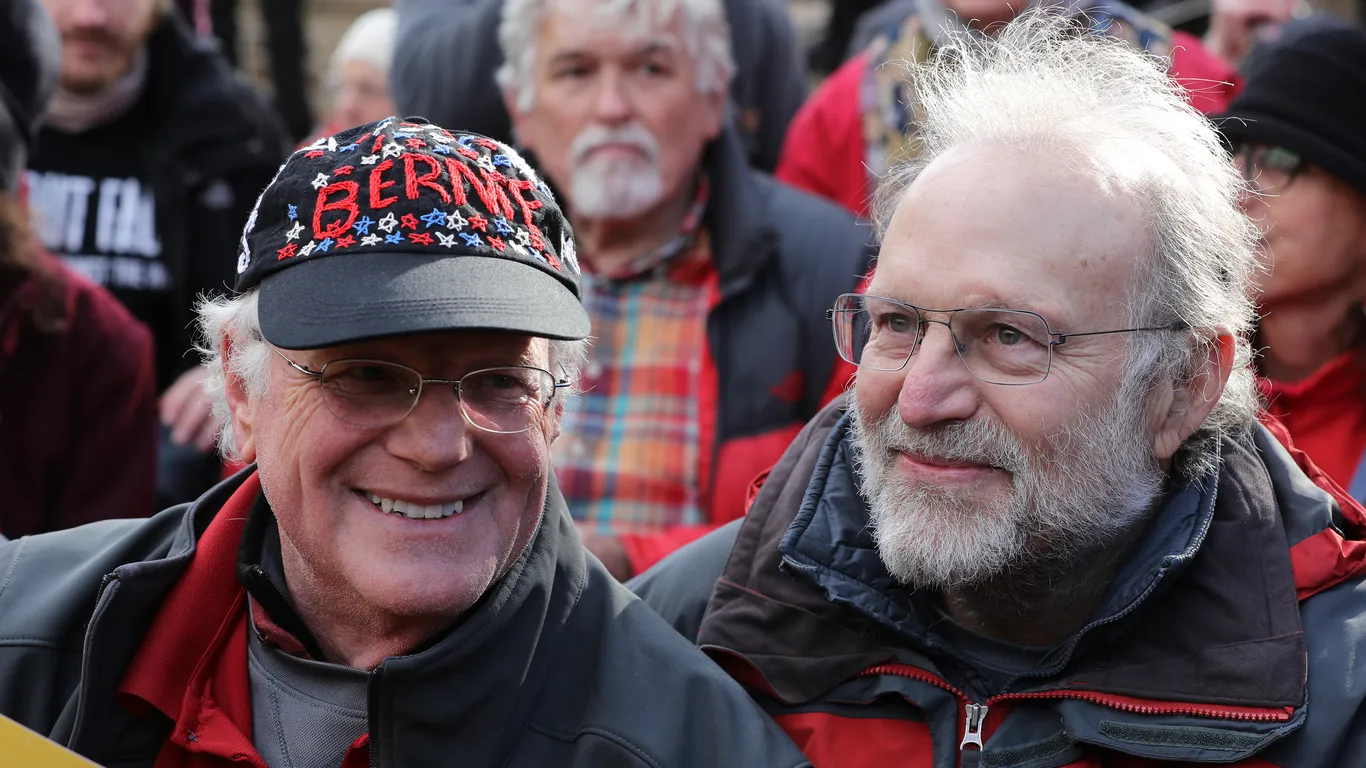
Ben & Jerry's co-founder Jerry Greenfield resigned after 47 years, accusing Unilever of silencing their activism and undermining the brand's social justice values, highlighting tensions between the company's social mission and corporate interests.
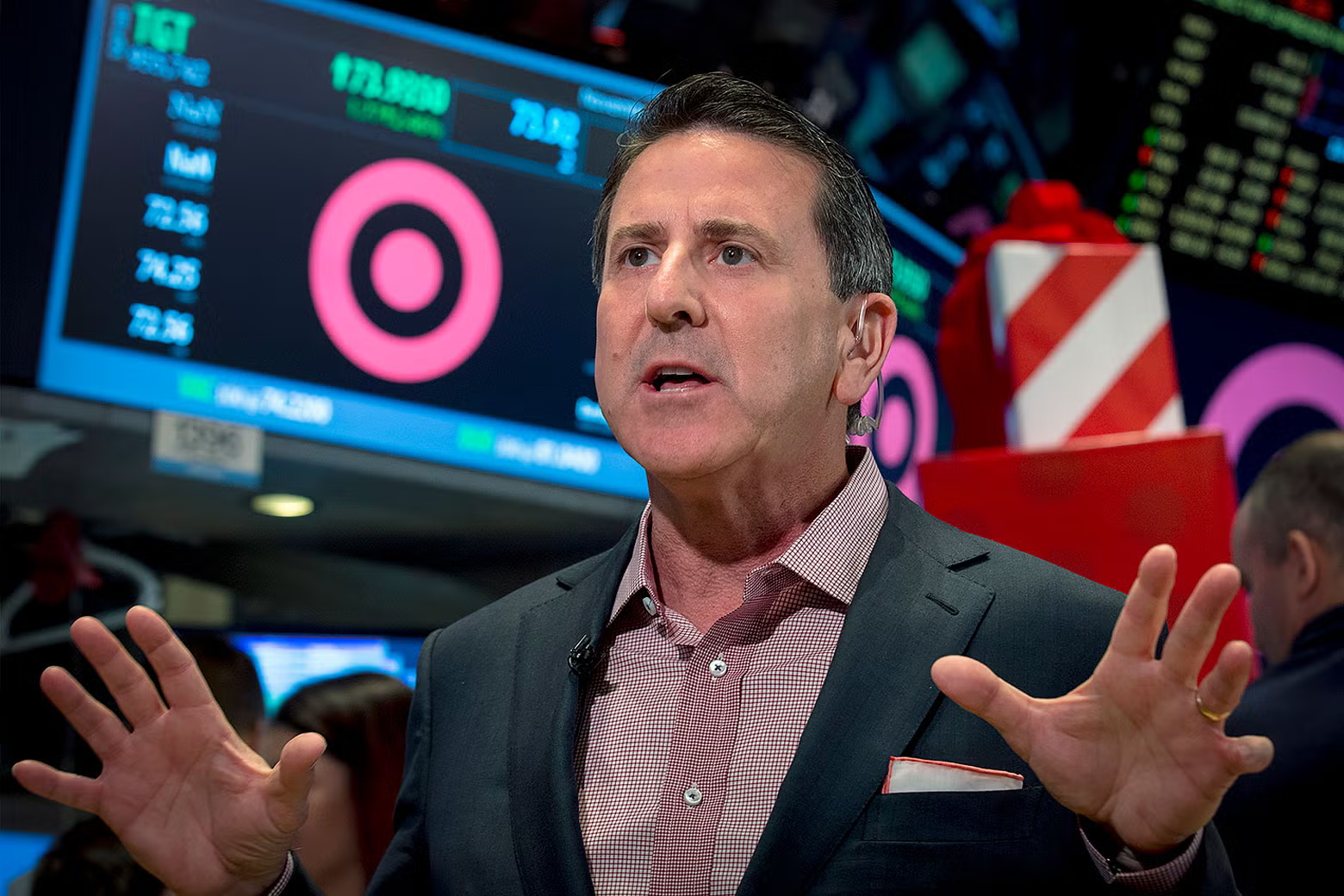
Target's recent leadership change and declining sales highlight the backlash against its previous diversity, equity, and inclusion (DEI) initiatives, which were once credited for its growth but have faced significant conservative opposition, leading to a broader discussion on the impact of anti-DEI campaigns on corporate success and consumer behavior.
Capcom has launched its first-ever Capcom Games Competition for students in Japan, focusing on game development using its RE ENGINE. The competition allows student teams to create games with support from Capcom professionals, with the potential for commercialization of winning projects. Applications are open from December 9, 2024, to January 17, 2025, for students aged 18 and over enrolled in Japanese educational institutions. The initiative aims to bolster the video game industry and reflects Capcom's commitment to corporate social responsibility.
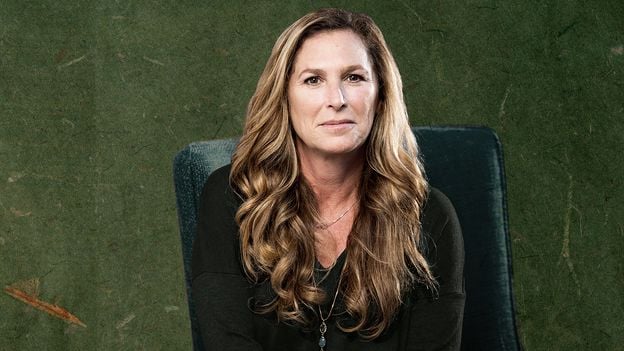
Suzanne DiBianca, Chief Impact Officer and EVP of Salesforce, discusses the company's journey towards becoming a net zero company and its commitment to sustainability. Salesforce has achieved 100% renewable energy across its operations and is now focused on empowering other organizations to reach net zero and meet the goals of the Paris Agreement. DiBianca emphasizes the importance of collaboration, regulation, and hard work in achieving these goals. She also highlights the role of data-driven sustainability in making informed decisions and driving positive change. Salesforce involves its employees in sustainability efforts and provides resources for upskilling in sustainability. DiBianca encourages small business leaders to see sustainability as a win-win, as it can lead to cost savings. The company's leadership decisions are guided by its values and the responsibility to serve all stakeholders, including the planet.
EcoVadis, a platform that rates companies on their environmental, labor, human rights, ethics, and sustainable procurement practices, is helping global corporations align their business goals with sustainability. With over 125,000 companies being rated or rating themselves, including Johnson & Johnson, L'Oréal, Unilever, and Salesforce, EcoVadis provides valuable insights to help businesses reduce risks and navigate the complexities of sustainable practices. Valérie Busser-Touchon, the chief impact officer of EcoVadis, emphasizes the importance of corporate social responsibility and the need for leaders to consider sustainability as a mandatory aspect for a company's health and the health of the world. She also highlights the challenges leaders face in balancing corporate sustainability goals with financial targets and offers guidance on managing this complex issue.
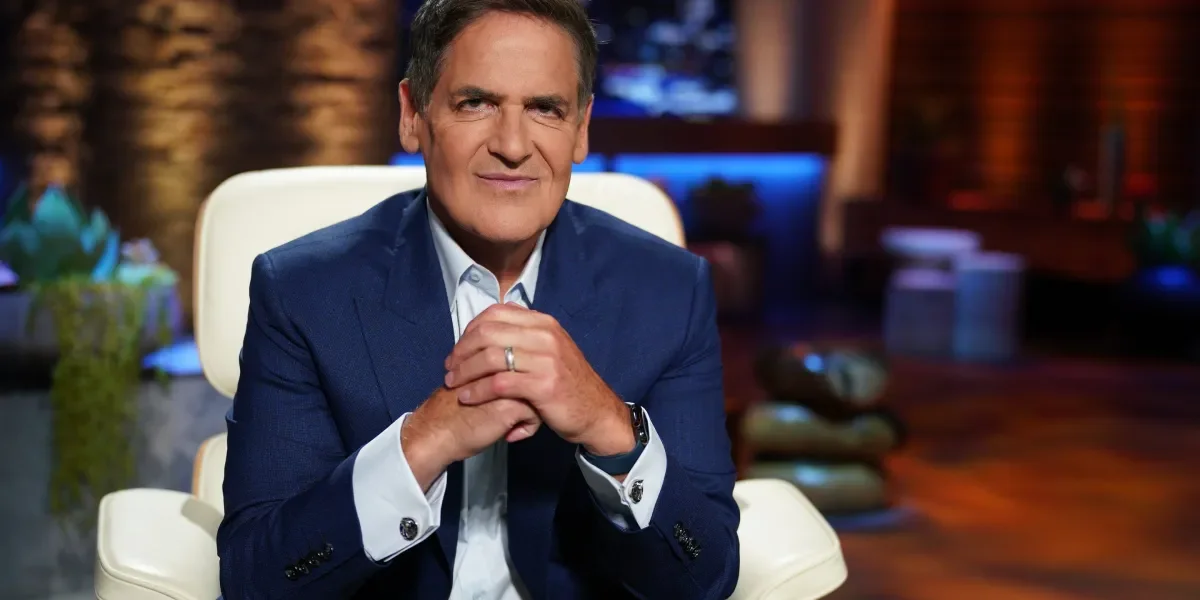
Billionaire Mark Cuban has defended Bud Light's brief partnership with transgender social media star Dylan Mulvaney, arguing that embracing social causes is good for business. However, the backlash against the beer brand has led to a boycott and a 17% fall in parent company AB InBev's shares. Cuban advises corporate boards to wait out the storm, but fellow Shark Tank star Kevin O'Leary warns that the risk posed by social media platforms needs to be carefully analyzed by directors.
Despite the anti-woke backlash from the political right, major brands that align themselves with liberal or progressive values have not gone broke. Companies like Keurig, United Airlines, Carhartt, Disney, Nike, Kellogg's, and the NFL have all weathered the storm and continue to be profitable. In fact, some have even seen an increase in profits since their "woke" initiatives. This suggests that being socially responsible and inclusive may actually be good for business.