In 2025, significant legal victories have been achieved worldwide in climate justice, including rulings against fossil fuel projects, greenwashing lawsuits, landmark international court opinions, and policy changes aimed at reducing emissions and protecting the climate, marking a decade of evolving legal efforts to combat climate change.
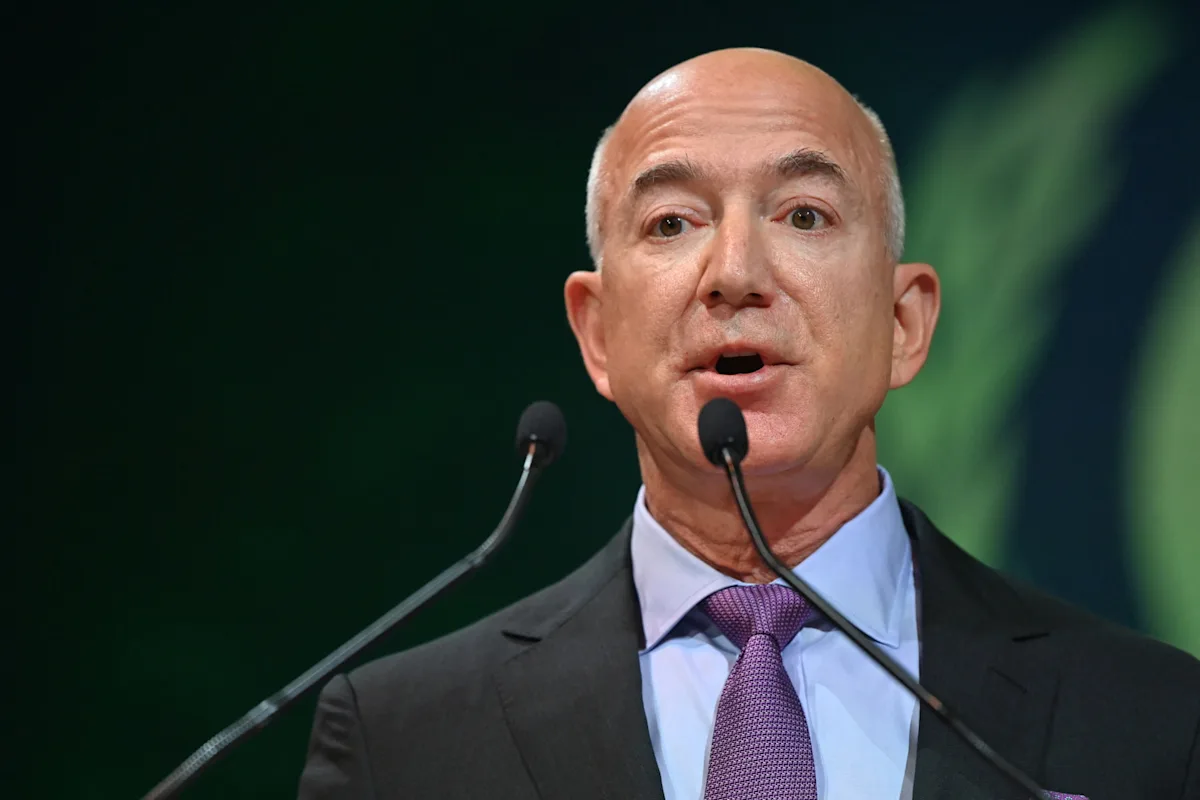
Jeff Bezos faces criticism after purchasing a new private jet costing $80 million, raising concerns about environmental impact and potential greenwashing, especially as Amazon promotes sustainability efforts. Reddit users highlight the contradiction between Bezos' private jet use and Amazon's climate commitments, fueling debate on corporate responsibility and eco-friendliness.
The EU's proposed budget plan threatens to significantly harm environmental protections, including efforts to regulate hazardous chemicals and uphold ethical supply chains, amid political disagreements involving France and Germany.
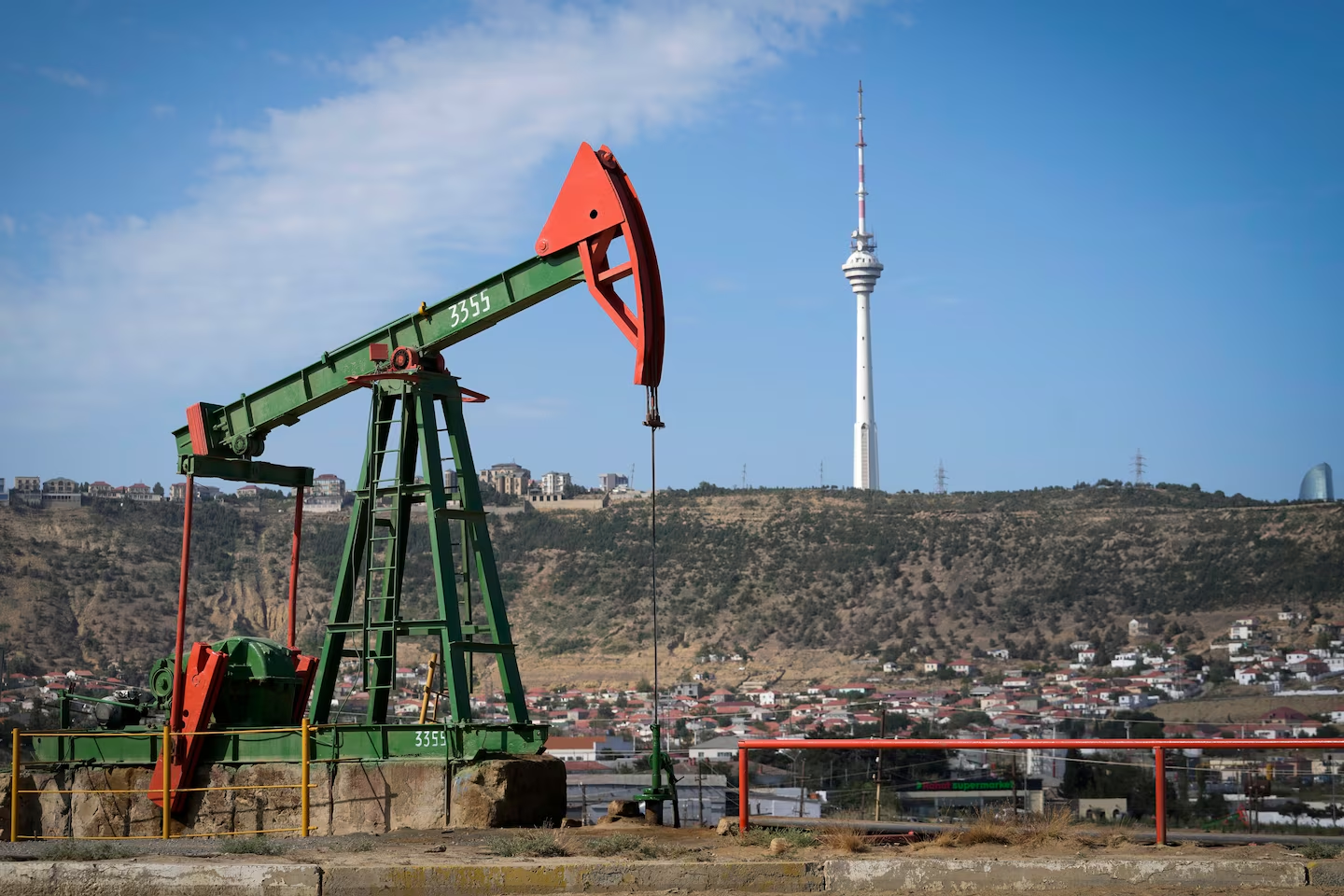
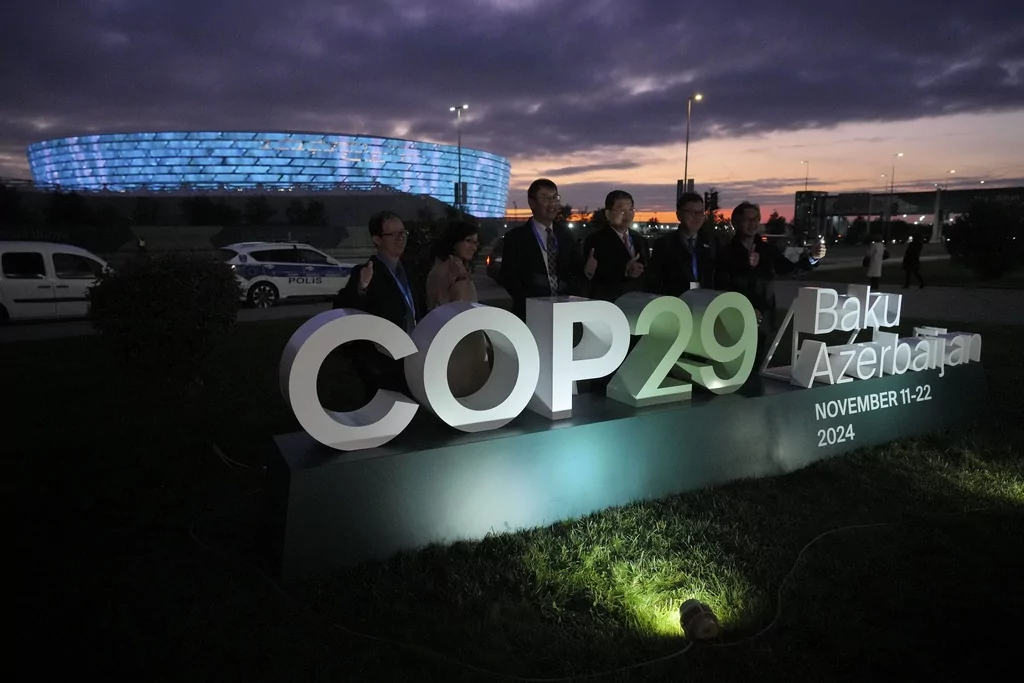
Azerbaijan, hosting the COP29 climate conference, faces criticism for promoting fossil fuels and suppressing dissent. Rights groups accuse the government of cracking down on activists and journalists critical of its oil and gas dependency. President Ilham Aliyev defends fossil fuel use, calling it a necessity, while critics argue the conference is being used for 'greenwashing.' An open letter from climate experts suggests excluding countries not committed to phasing out fossil fuels from hosting future COP events. Azerbaijan's human rights record and its geopolitical maneuvering to host the event have also drawn scrutiny.
The COP29 climate summit in Baku, Azerbaijan, faces criticism for being ineffective and accused of greenwashing and supporting fossil fuel interests. Notable leaders, including President Biden, skipped the event, raising questions about its relevance. Critics argue the conference has become a platform for unrealistic expectations and corporate influence, particularly from the fossil fuel industry. Calls for reform include smaller, more frequent meetings and a focus on policy implementation. The summit's integrity is further threatened by allegations of corruption and human rights concerns in host countries.
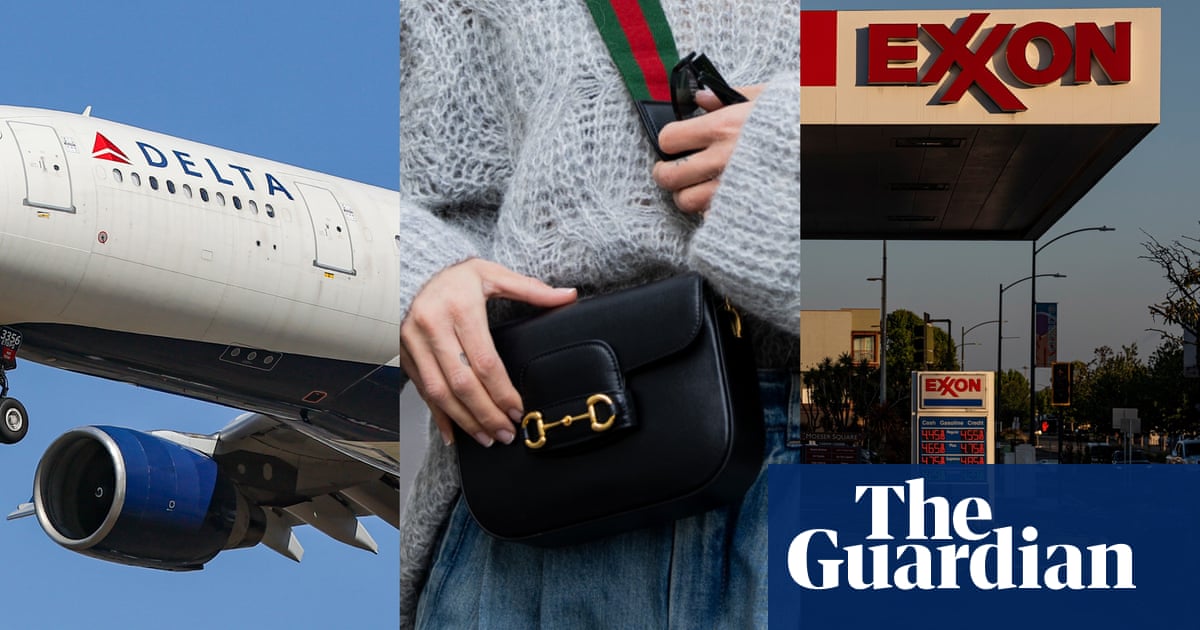
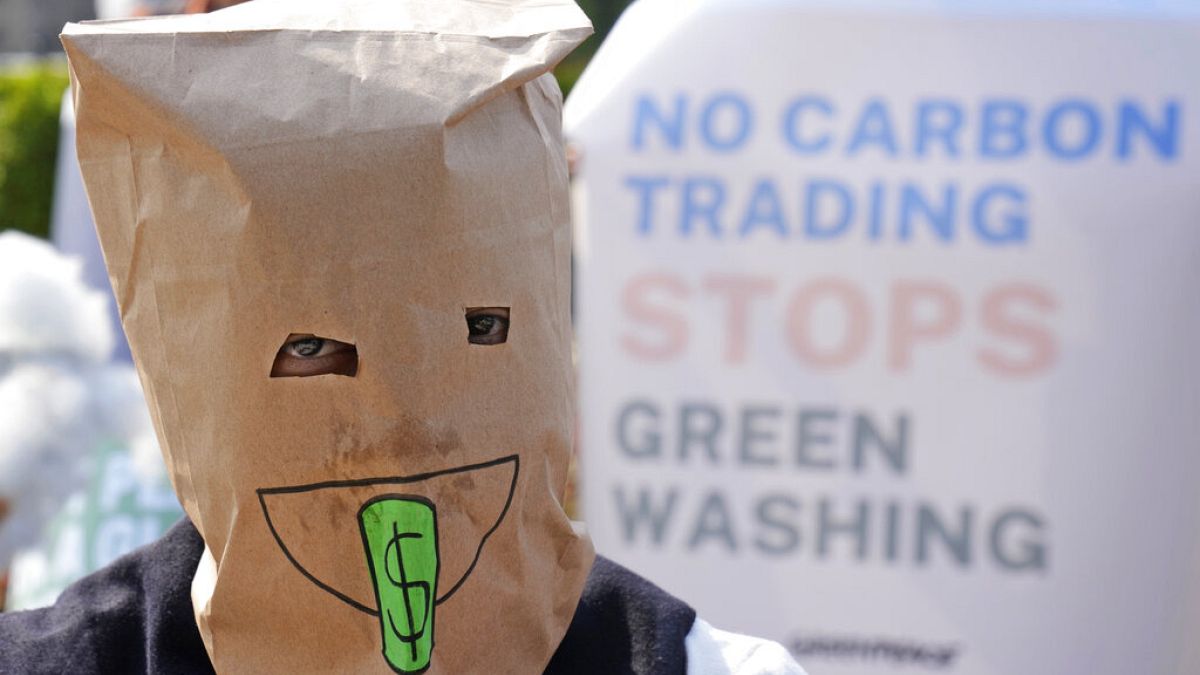
A new analysis by Corporate Accountability reveals that many major corporations, including Delta, Gucci, Volkswagen, ExxonMobil, Disney, easyJet, and Nestlé, have invested in carbon offset projects that are fundamentally flawed and likely ineffective, casting doubt on their claims of greenhouse gas reductions. The study found that a significant portion of the carbon credits purchased by these companies are "likely junk," suggesting that the voluntary carbon market may be overvalued and not delivering the promised environmental benefits. Critics argue that reliance on such offsets distracts from the urgent need for real, lasting climate action.
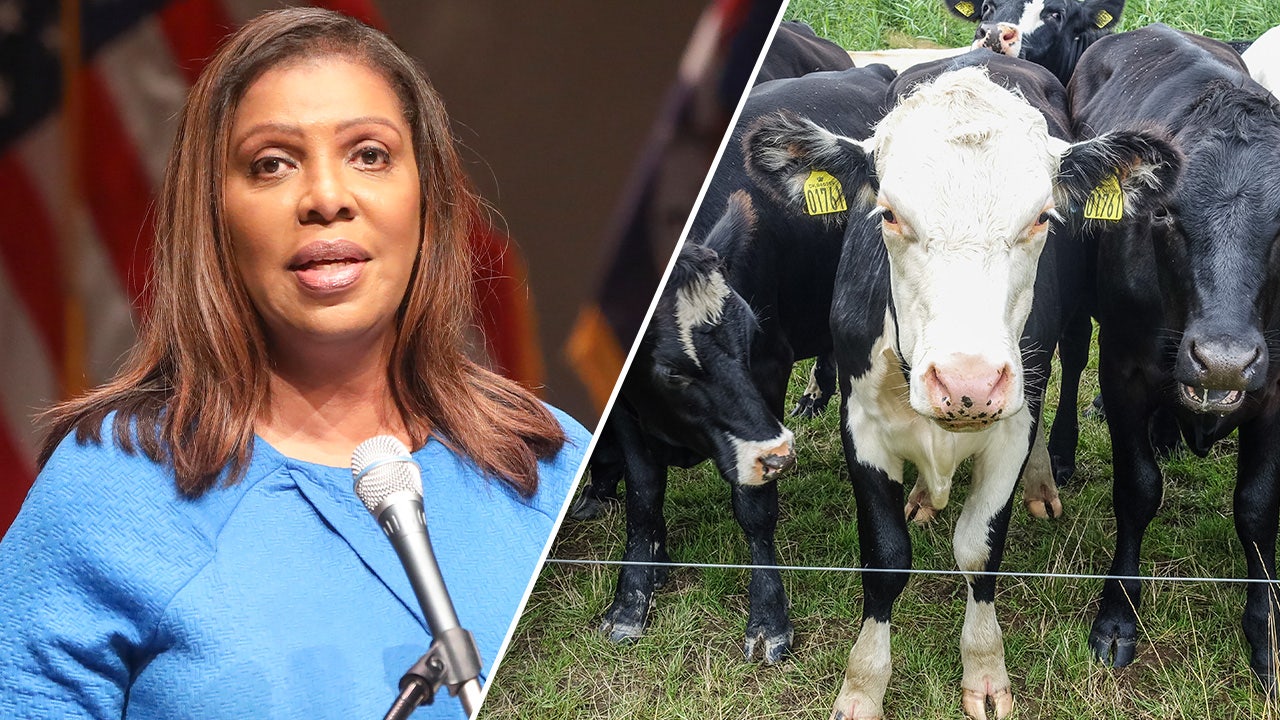
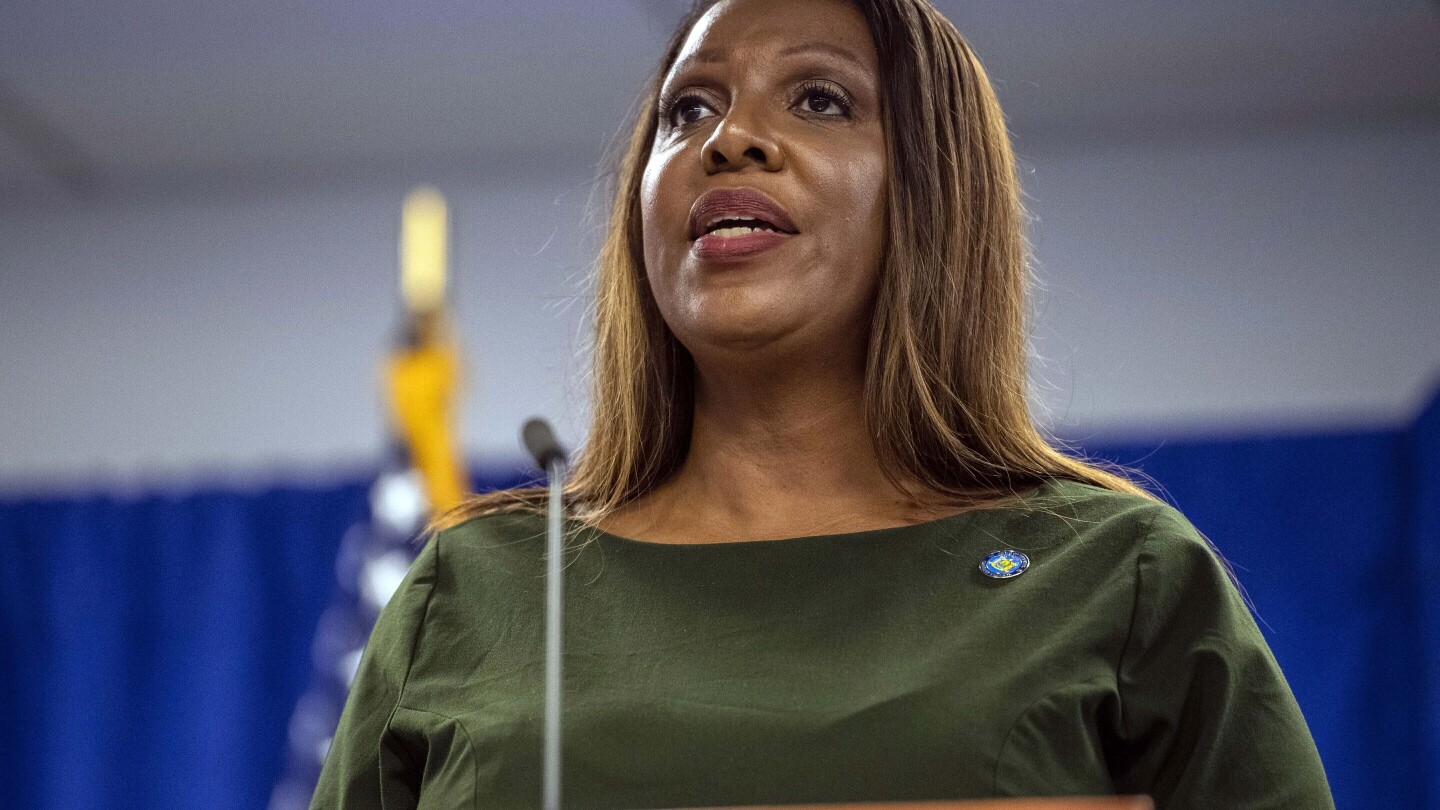
New York Attorney General Letitia James is suing JBS, the world's largest meat producer, for allegedly engaging in "greenwashing" by making false claims about plans to become more environmentally friendly, including a "net zero by 2040" campaign. The lawsuit states that JBS hasn't developed a feasible plan to achieve this goal and accuses the company of using misleading statements to capitalize on consumers' desire for environmentally friendly choices. The lawsuit seeks to halt the campaign and recover profits from deceptive practices, posing a setback to JBS's pursuit of a New York Stock Exchange listing.
New York Attorney General Letitia James is suing JBS USA, the world's largest beef producer, for allegedly misleading the public about its environmental impact and making "not feasible" net-zero pledges for 2030 and 2040, given the scale of its worldwide beef production operations. The lawsuit has been applauded by state Democrats and national climate advocacy organizations, while JBS USA has expressed disagreement with the action. This comes as environmental groups and lawmakers worldwide increasingly focus on the agriculture industry's impact on greenhouse gas emissions.
New York Attorney General Letitia James filed a lawsuit against meat producer JBS, alleging that the company made misleading environmental claims to boost sales, including falsely advertising its commitment to achieving net zero greenhouse gas emissions by 2040. The lawsuit seeks to end JBS's "Net Zero by 2040" campaign, return profits from deceptive practices, and impose civil penalties. JBS has disagreed with the action, stating its commitment to sustainability, while lawmakers in the US and UK have raised concerns about the company's environmental impact and deforestation in the Amazon rainforest.
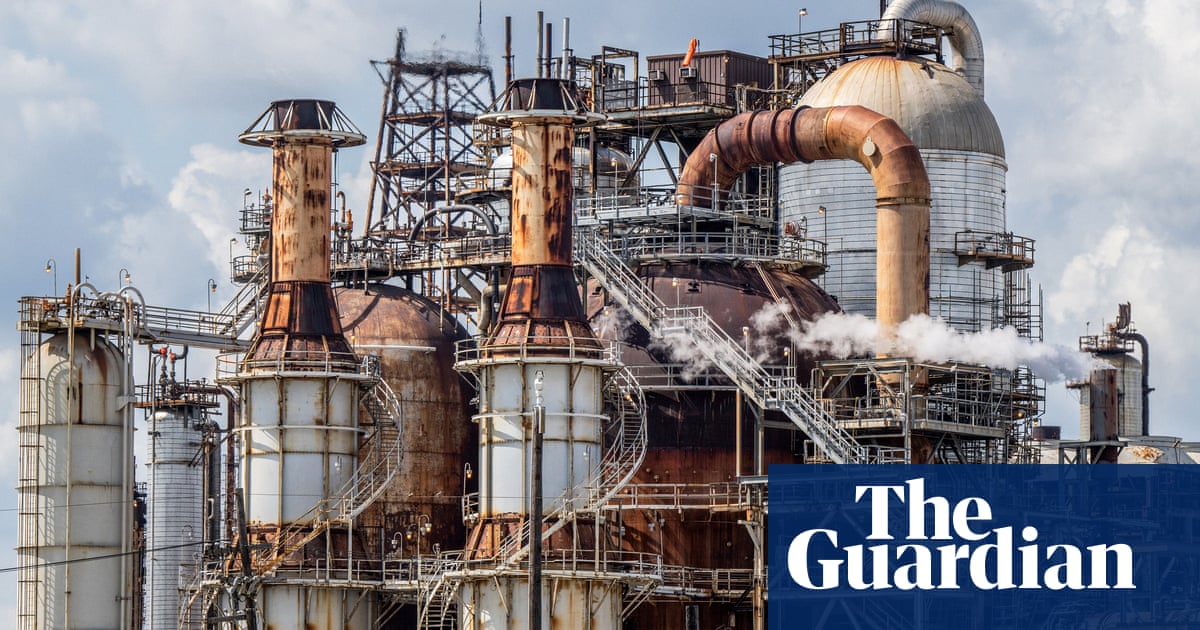
A group of progressive US senators has labeled certified natural gas as a "dangerous greenwashing scheme" and called for an investigation by the Federal Trade Commission (FTC). They argue that gas certification programs allow the oil and gas industry to justify the expansion of methane gas use and undermine efforts towards renewable energy. The senators are urging the FTC to crack down on these claims and issue guidance for third-party natural gas certification regimes to prevent misleading consumers and hindering progress on climate change. Environmental advocates have also raised concerns about the lack of robustness in gas certification processes.
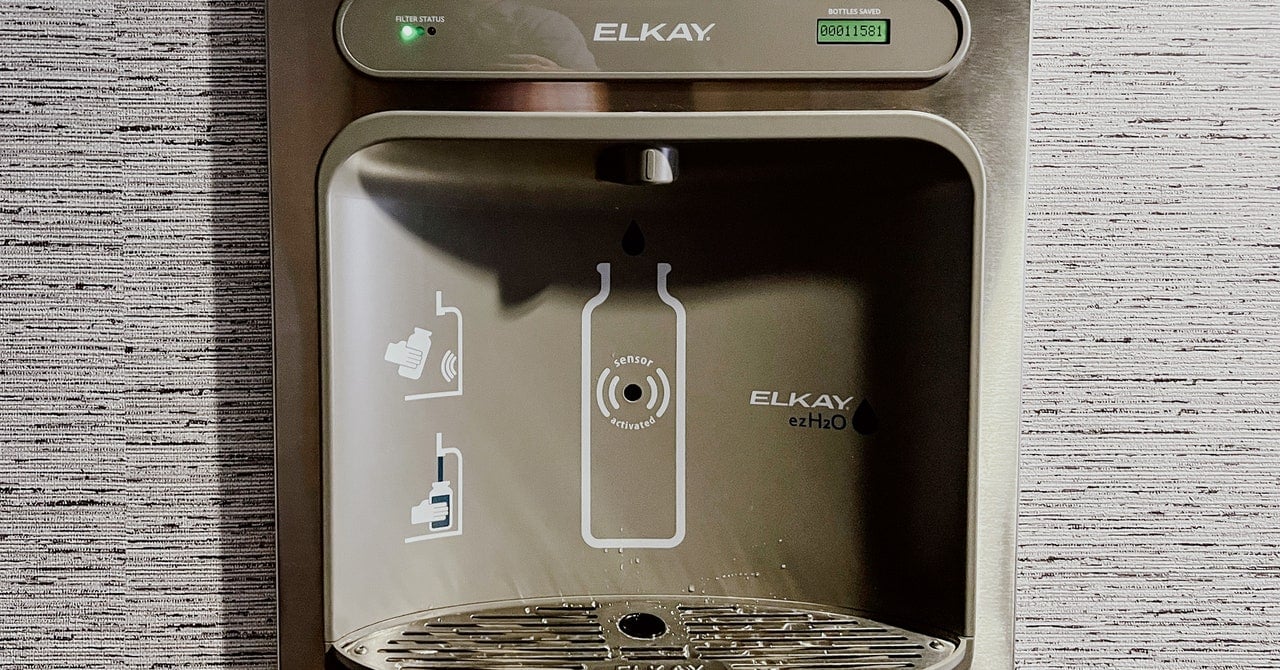
The accuracy of the "Bottles Saved" counters on Elkay water filling stations has been called into question, with evidence suggesting inflated numbers due to factors such as filter maintenance and flawed estimation methods. While some argue that any reduction in plastic waste is beneficial, others emphasize the importance of accurate reporting. Despite discrepancies, the overall impact of reducing plastic bottle usage remains significant, providing a positive environmental contribution.
The European Parliament has approved a directive aimed at banning misleading environment claims on products and improving labeling, with terms like "environmentally friendly" and "biodegradable" requiring concrete evidence. Only sustainability labels based on official certification schemes will be allowed, and claims of "climate-neutral" impact due to CO2 emissions offsetting schemes will be banned. The directive also aims to make producers and consumers focus more on the durability of goods, with guarantee information becoming more visible and a new, harmonized label created for goods with extended guarantee periods. Member states have two years to introduce the new rules.
Ecologist Thomas Crowther, who sparked a global tree-planting craze in 2019, is now urging environmental leaders to halt mass tree planting. Crowther highlighted the drawbacks of tree planting, including stifling biodiversity and its ineffectiveness as a carbon capture solution. He warned that tree planting is often used as an excuse to avoid cutting emissions. Crowther believes the focus should shift to preserving existing forests, as they can offset around 50% more carbon in the long run. He also called for proper distribution of wealth to Indigenous populations, farmers, and communities living with biodiversity.
Ecologist Thomas Crowther, who previously advocated for planting a trillion trees to offset carbon emissions, is now urging environmental leaders to halt mass tree planting. Crowther highlighted the drawbacks of tree planting, including stifling biodiversity and its ineffectiveness as a carbon capture method. He warned that tree planting is being used as an excuse to avoid cutting emissions. Crowther believes the focus should shift to preserving existing forests, as they can offset around 50% more carbon in the long run. He also called for proper distribution of wealth to Indigenous populations, farmers, and communities living with biodiversity.
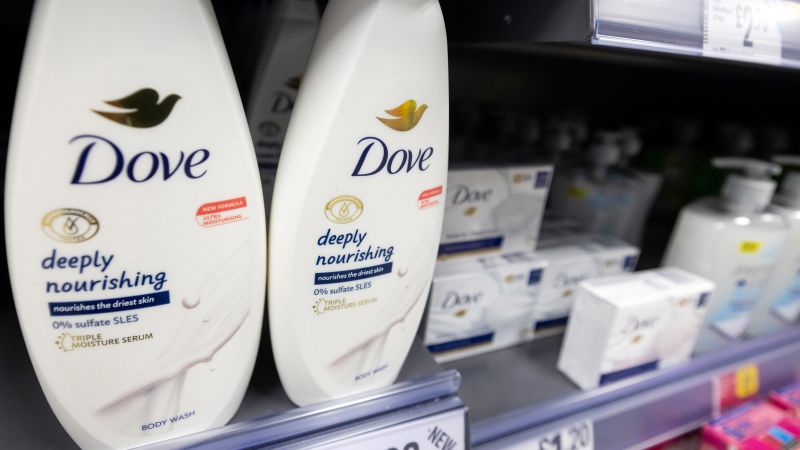
Unilever, the maker of Dove soap and Cif floor cleaner, is under investigation by the UK antitrust regulator over concerns of misleading consumers with "green" claims about its products. The Competition and Markets Authority (CMA) has launched a formal probe into Unilever's marketing tactics, citing vague and broad claims, unclear statements on recyclability, and misleading imagery. This investigation is part of a broader review by the CMA into greenwashing by consumer goods companies. Unilever, known for its sustainability efforts, has expressed surprise and disappointment at the investigation and stated its commitment to responsible claims. Possible outcomes of the investigation include changes in Unilever's operations, legal action, or closure of the case.