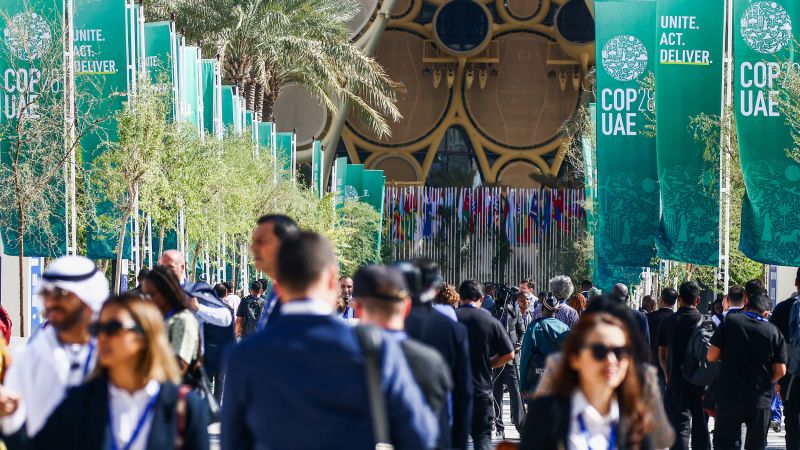
COP30 in Brazil emphasizes immediate implementation of climate commitments over negotiations, focusing on issues like deforestation, fossil fuel phase-out, and climate justice, amid global challenges and geopolitical tensions.
The article discusses the absence of the United States at recent climate talks, which has been met with both regret and relief, and highlights France's push to delay the EU's next climate milestone, potentially weakening the bloc's green ambitions. It also covers other EU climate developments, including Denmark's urgency to reach emissions targets and debates over carbon offsetting.
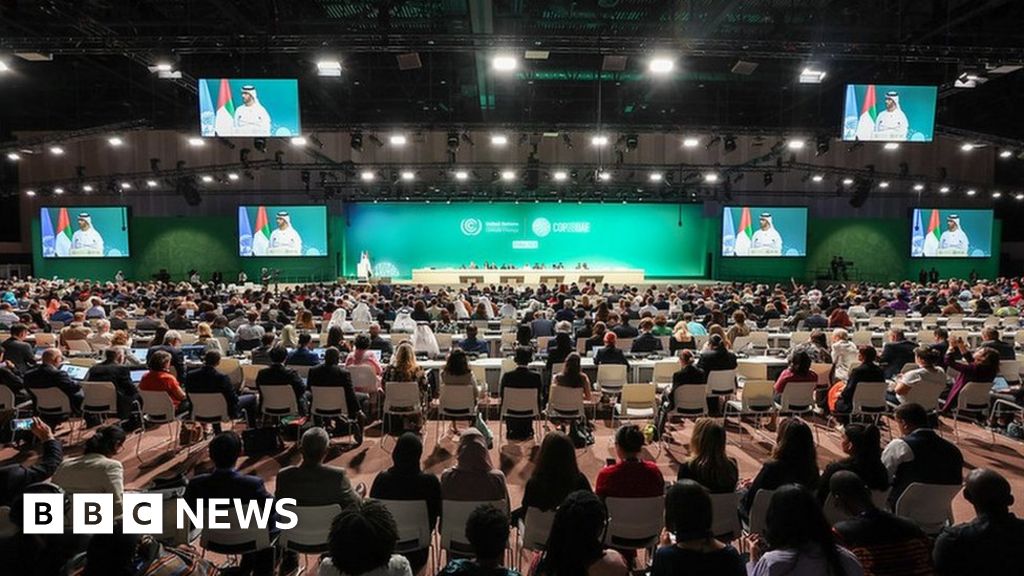
The COP28 climate talks have entered overtime as countries engage in shuttle diplomacy and clash over the wording of a potential agreement on fossil fuels. A draft text released on Monday received criticism for not calling for a complete phase-out of oil, gas, and coal. Negotiations have continued, with countries like Australia, Canada, Chile, Norway, and the United States deeming the draft too weak. Meanwhile, small island nations, heavily impacted by rising sea levels, refuse to accept a deal they consider a "death warrant." OPEC countries, led by Saudi Arabia, are resisting any mention of a fossil fuel phase-out in the final agreement.
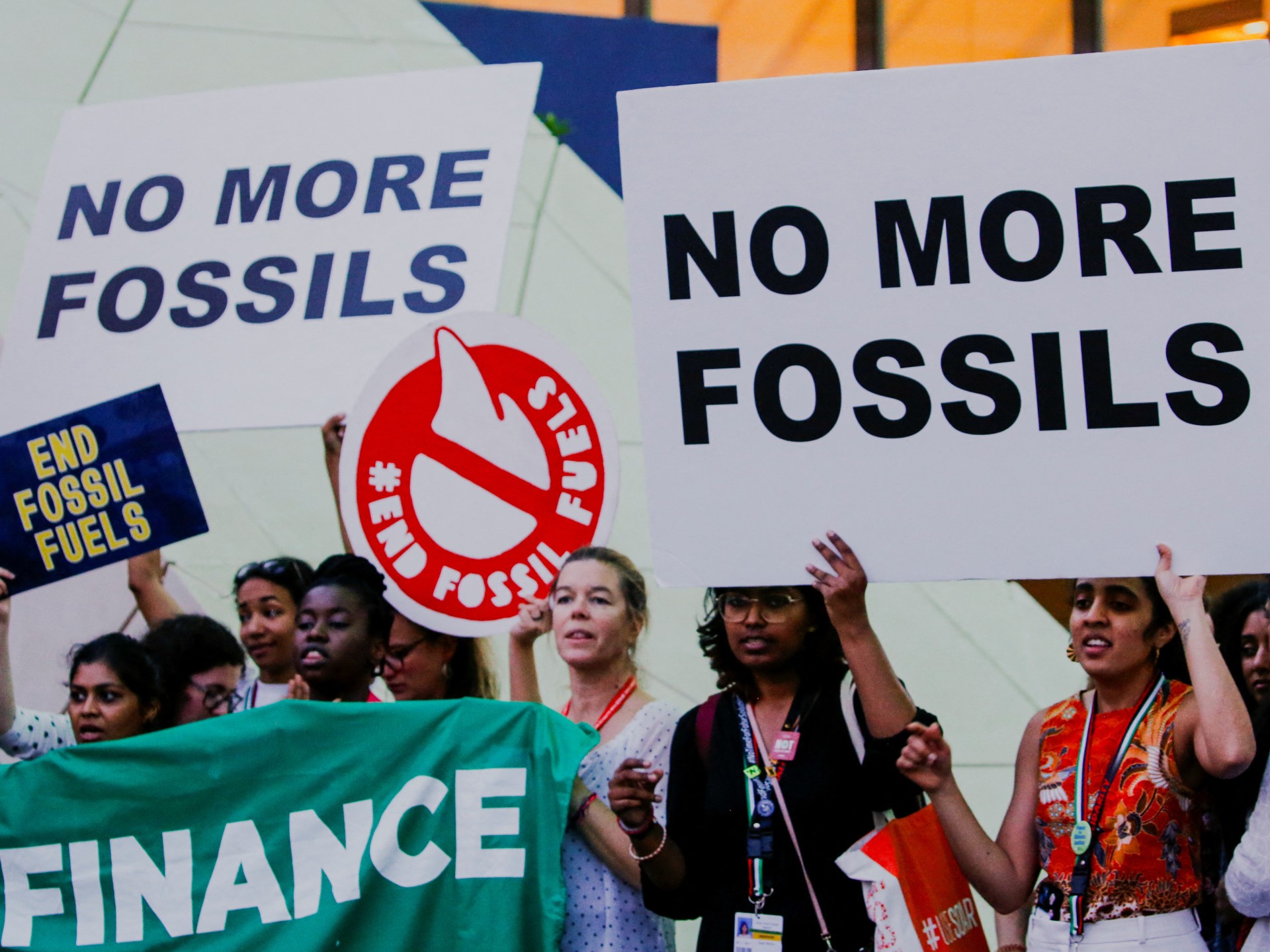
Special counsel Jack Smith has asked the Supreme Court to expedite the case regarding Trump's alleged election interference, as Trump and his lawyers seek to postpone the trial until after the 2024 election. In Texas, a woman named Kate Cox has left the state to get an abortion after the state's Supreme Court ruled that her circumstances did not meet the state's requirements. Ukrainian President Volodymyr Zelenskyy is in Washington, D.C., seeking more aid, but negotiations have stalled due to Republican demands on immigration policy. Activists at the United Nations COP28 climate talks in the United Arab Emirates are facing restrictions on protests, but managed to hold rallies demanding a cease-fire in the Gaza Strip. Additionally, etiquette expert Elaine Swann provides advice on surviving office holiday parties without making professional mistakes.
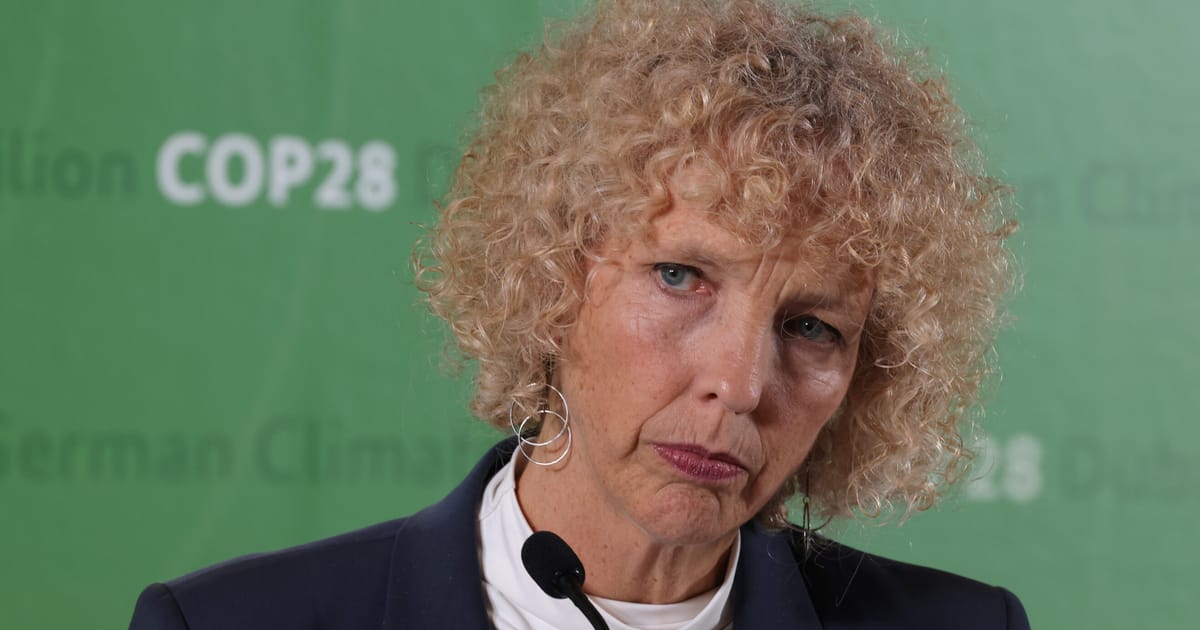
Germany's climate envoy, Jennifer Morgan, describes the resistance from oil-exporting countries, particularly Saudi Arabia, against a COP28 deal to end fossil fuel use as a sign of panic and an admission that these climate talks pose an existential threat to the oil industry's business model. The push to phase out fossil fuels has become a contentious issue at COP28, with Saudi Arabia and the Arab group of negotiators resisting language that calls for a phaseout. As the talks near their end, officials are working to find consensus on language that can get support from the nearly 200 participating countries.
The US officials at COP28 are facing skepticism from other nations due to concerns about the potential return of former President Donald Trump and the possibility of Republicans gaining power in Congress. Even if President Joe Biden remains in office after the 2024 elections, Republican gains could jeopardize clean energy incentives and hinder the delivery of promised climate finance. This threatens the US's credibility in the climate talks, as financial support and carbon cuts from the world's second-largest emitter are crucial for ambitious global efforts to phase out fossil fuels and scale up renewable alternatives. The risk of policy reversals and the fear of Trump damaging the credibility of the Paris Agreement loom over the negotiations. However, US officials argue that the private sector's investments in clean energy will continue regardless of political shifts.
Observers at the COP28 climate talks noted that the oil industry, particularly OPEC, is panicking as the push to phase out fossil fuels gains momentum. OPEC's leader wrote to member countries urging them to block any language that would phase out or phase down fossil fuels, sparking concern among environmental activists. While some developing countries expressed concerns about ending fossil fuel use, many small island nations and vulnerable countries emphasized the urgent need for action to prevent the life-threatening impacts of climate change. The controversy surrounding OPEC's letter has fueled protests and discussions at the conference, which is focusing on the crucial issue of a speedy phase-out of fossil fuels.
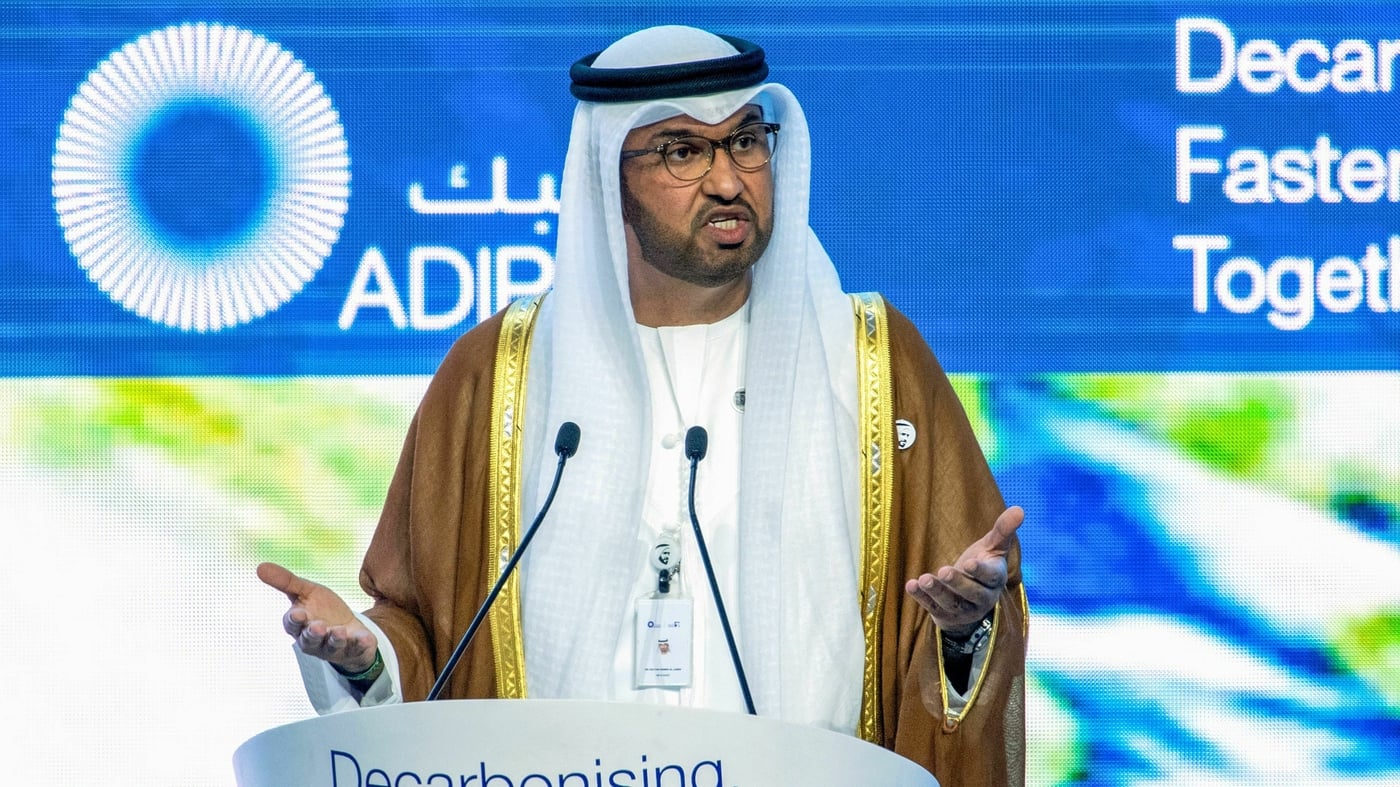
As the first week of the COP28 climate talks comes to an end, concerns are growing over whether countries will take action on the main cause of the climate crisis: fossil fuels. Controversy surrounds the summit's president, Sultan Al Jaber, who recently made remarks questioning the science behind phasing out fossil fuels. The comments have raised doubts about the negotiations and their focus on addressing the urgent need for climate action. The latest draft of the summit's key agreement includes options for a phase-out, phase-down, or omission of language on fossil fuels. Countries are deeply divided on the issue, with the US, China, and Saudi Arabia requesting numerous changes to the draft. The controversy may shed light on the influence of Al Jaber and could potentially lead to positive outcomes by putting the spotlight on the fossil fuel industry.
The number of delegates at the UN climate talks with ties to fossil fuel producers has quadrupled since last year, reaching a record high of around 2,400 attendees. This surpasses the total number of delegates from the ten countries most vulnerable to climate change. The increase is partly due to new registration requirements that demand transparency about attendees' employment. Campaigners argue that the presence of fossil fuel-linked delegates undermines the integrity of the talks, which are expected to address the future of fossil fuels.
Oil companies have a significant presence at the climate talks, and their language is crucial as it can influence policy decisions. While most oil companies acknowledge climate change, they advocate for continued use of fossil fuels, albeit with cleaner extraction and processing methods. Key phrases used by oil companies, such as "low carbon" and "net zero," can be misleading, as they often refer only to emissions from their operations and not the emissions from the oil they sell. The industry also emphasizes the importance of reliable and affordable energy, which is often seen as a dig at renewable energy sources. The world is currently grappling with how to meet the Paris Agreement goals, and the oil industry argues against a complete transition away from oil and gas.
A record number of nearly 2,500 fossil fuel lobbyists have been granted access to the COP28 climate conference in Dubai, according to advocacy groups. This sharp increase in attendance reflects a growing fight over the future of fossil fuels. Campaigners argue that the high number of lobbyists attending the talks is "beyond justification" and suggests that polluting industries are pushing a fossil fuel agenda at the expense of frontline communities. However, some, including former U.S. energy secretary Ernest Moniz, believe that Big Oil's participation should be welcomed. The language of the final agreement at COP28 will be closely monitored, as there is a debate between phasing out or phasing down fossil fuels.
Over 1,300 employees representing fossil fuel interests registered to attend the United Nations climate talks at COP28 in Dubai, more than triple the number from last year, as new disclosure rules required attendees to disclose their employment. The presence of these individuals, who make up a small fraction of the 90,000 registered attendees, has raised concerns among environmentalists who question their role in negotiations aimed at addressing climate change. Fossil fuel companies, including Shell, Chevron, TotalEnergies, and BP, have been regular participants in the talks, citing their commitment to advancing green technologies and achieving net-zero emissions. However, critics argue that their presence diverts attention and resources from proven solutions and the urgent need to reduce greenhouse gas emissions.
Hedge fund manager Jeff Ubben, who recently closed his sustainable investing firm, criticizes the "echo chamber" of traditional climate summitry, expressing concern that entrenched points of view are hindering progress in climate talks. Ubben, an advocate for bringing oil companies to the table, joined Exxon Mobil's board in 2021 and is now on the advisory committee of COP28 in Dubai. The COP28 summit has drawn criticism for potentially becoming a deal-making venue for oil majors and the finance industry. Ubben argues that carbon-emitting companies need to be part of the conversation and that company balance sheets are crucial for driving change. His firm's closure coincides with a challenging year for climate investing, as green stocks have slumped.
The global deal to phase out fossil fuels is facing challenges as major polluters and the oil-rich host country, the United Arab Emirates (UAE), express reluctance to fully commit. The debate at the UN climate talks revolves around whether to phase out or phase down fossil fuels, and whether the language used will have practical implications. The European Union and vulnerable countries are pushing for a phaseout, while the UAE warns that it may be diplomatically impractical. Other countries, including China and the US, question the need for a complete phaseout and emphasize the importance of addressing emissions through alternative means. The discussions highlight the difficulty in reaching a consensus on aggressive fossil fuel elimination, leading to the formation of coalitions with specific aims outside of the COP process.
China has been accused of using "wrecking tactics" at the recent climate talks, hindering global cooperation on climate change. Critics argue that China's actions, including blocking the inclusion of specific language on coal phase-out and carbon pricing, undermine the progress needed to address the climate crisis. The accusations highlight the challenges faced in achieving international consensus and cooperation on climate action.