The article discusses the ongoing global debate over transitioning from fossil fuels to renewable energy, highlighting efforts like the proposed road maps for a just and orderly energy transition, the geopolitical tensions between petro-states and electro-states, and the key developments expected in 2026, including negotiations at COP31 and initiatives by countries like Brazil, Norway, and the EU.
The article discusses the importance and current challenges of multilateralism in global climate efforts, highlighting how US policies under Trump and geopolitical conflicts threaten international cooperation, with recent events like Cop30 and new EU green tariffs illustrating both setbacks and ongoing efforts to foster multilateral solutions for climate change.
At COP30, Al Gore expressed frustration over ongoing global heating and showcased new tools like Climate Trace to map emissions, emphasizing the urgent need for climate action and a fair transition mechanism supported by the Global South, while facing opposition from some developed nations.
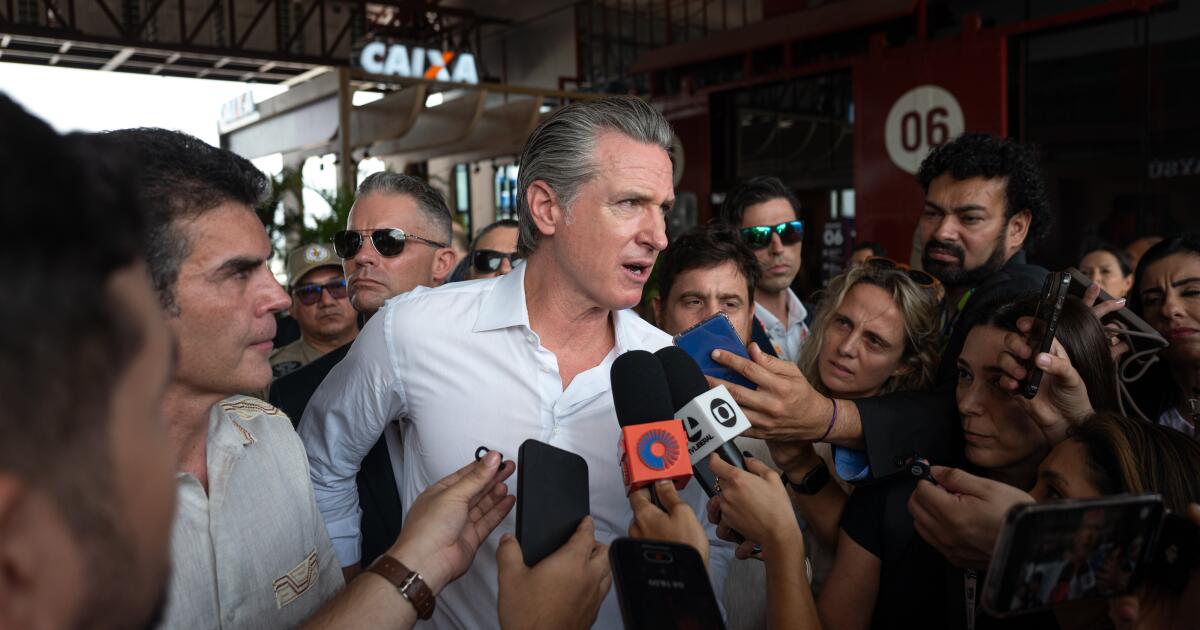
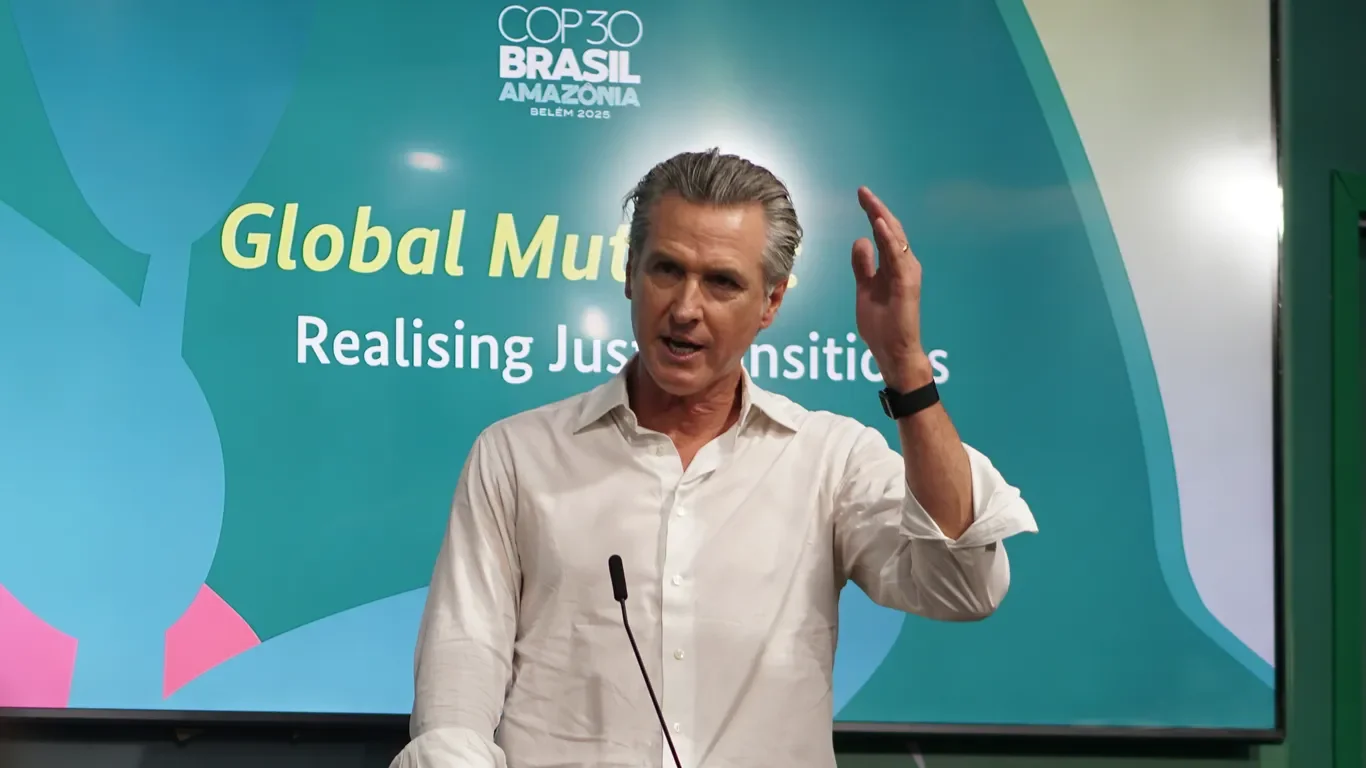
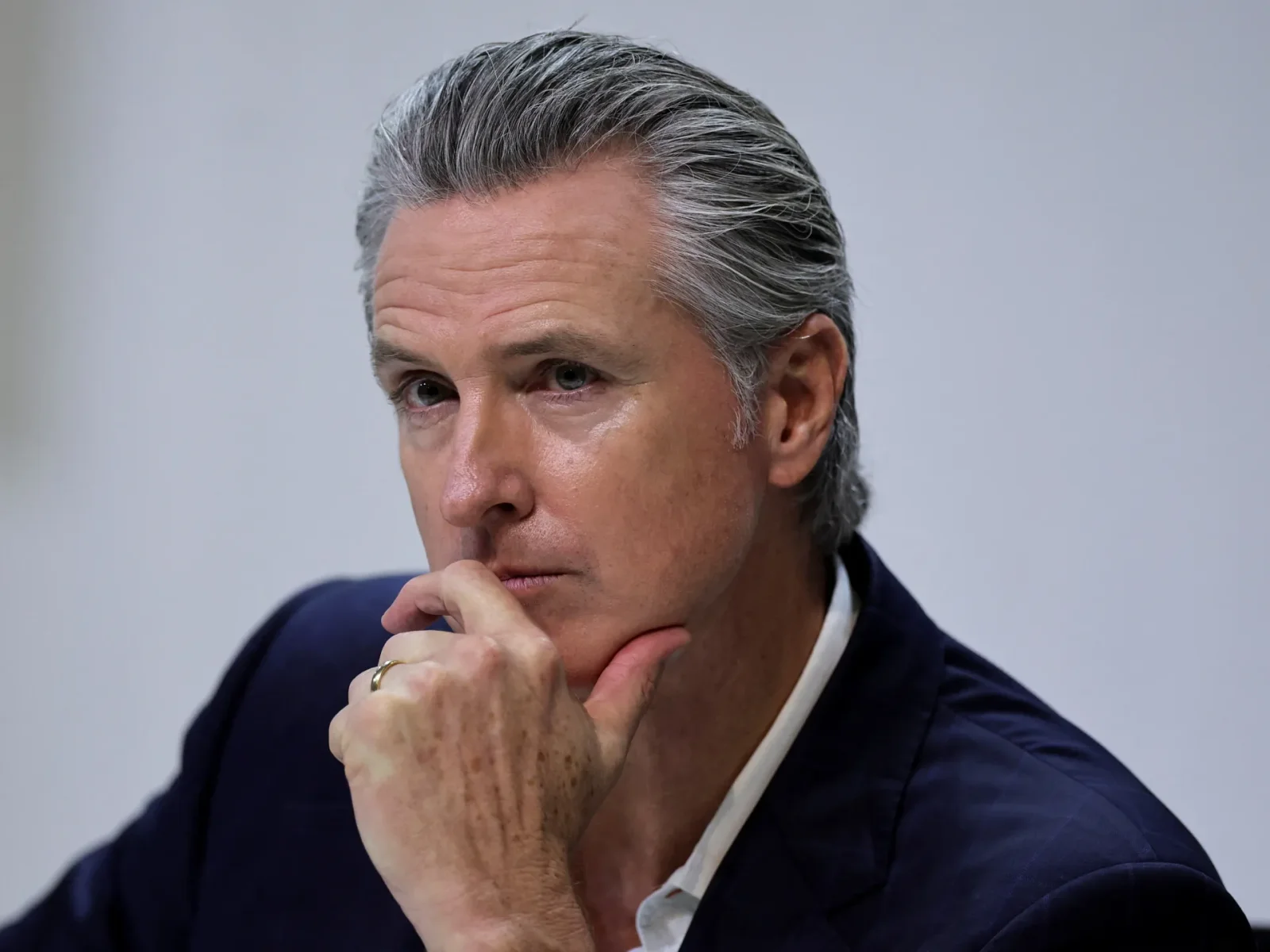
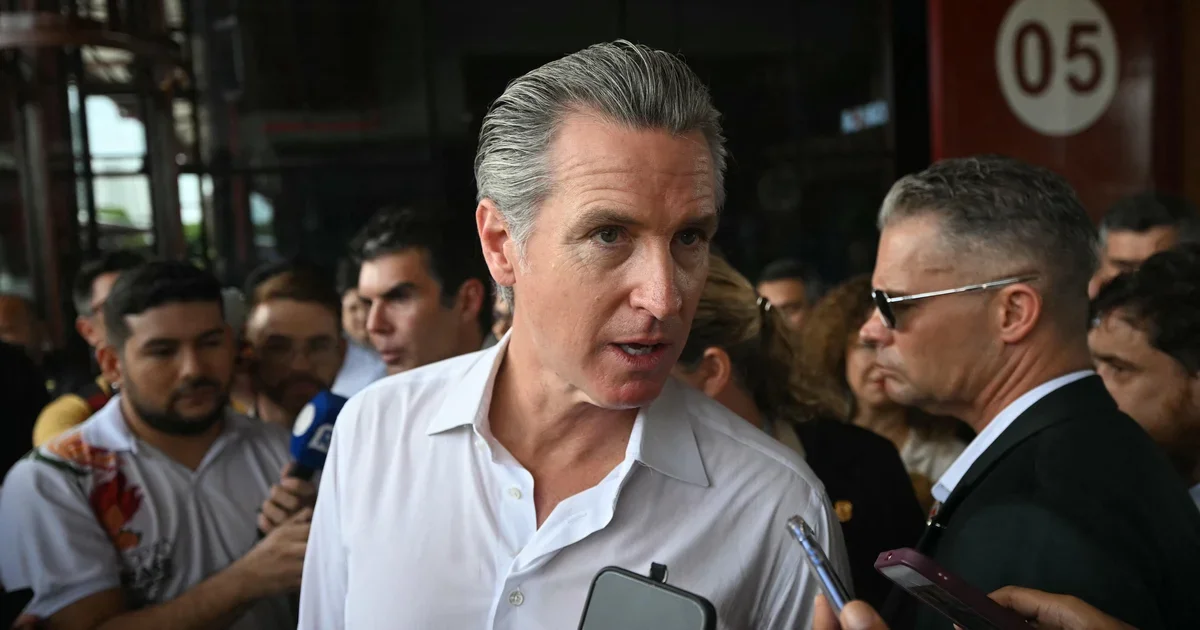
California Governor Gavin Newsom positions the state as a de facto leader for the U.S. at the COP30 climate summit in Brazil, highlighting California's significant climate policies and influence amid the federal government's absence and Trump's rejection of climate science, while also navigating questions about his own political future.
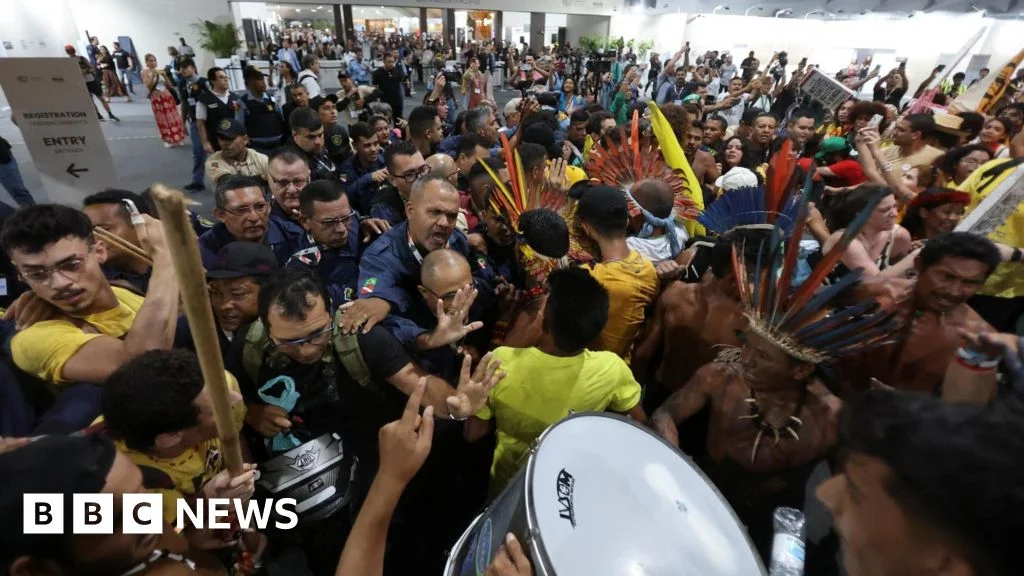
Indigenous protesters stormed the COP30 summit in Belem, Brazil, demanding land rights and opposing agribusiness, oil exploration, and illegal logging, leading to security clashes and highlighting Indigenous concerns in climate negotiations.
Dozens of Indigenous protesters forcibly entered the COP30 climate summit venue in Belém, Brazil, clashing with security to demand land rights and forest protection, highlighting ongoing tensions between Indigenous communities and industry development in the Amazon. Security responded with barricades and injuries, but the summit continued as negotiations persisted.
California Governor Gavin Newsom criticized former President Trump at the COP30 climate summit in Brazil, condemning his absence and rejection of climate policies, while emphasizing California's ongoing commitment to climate action and economic competitiveness against China.
California Governor Gavin Newsom criticized Trump's absence at COP30, highlighting US leadership failures on climate issues, and emphasized California's proactive efforts in clean energy and international climate diplomacy, positioning himself as a potential future leader.
Indigenous protesters forcibly entered the COP30 climate summit venue in Belem, Brazil, demanding greater influence in forest management and climate action, leading to clashes with security and minor damages, while the event continued amidst ongoing negotiations.
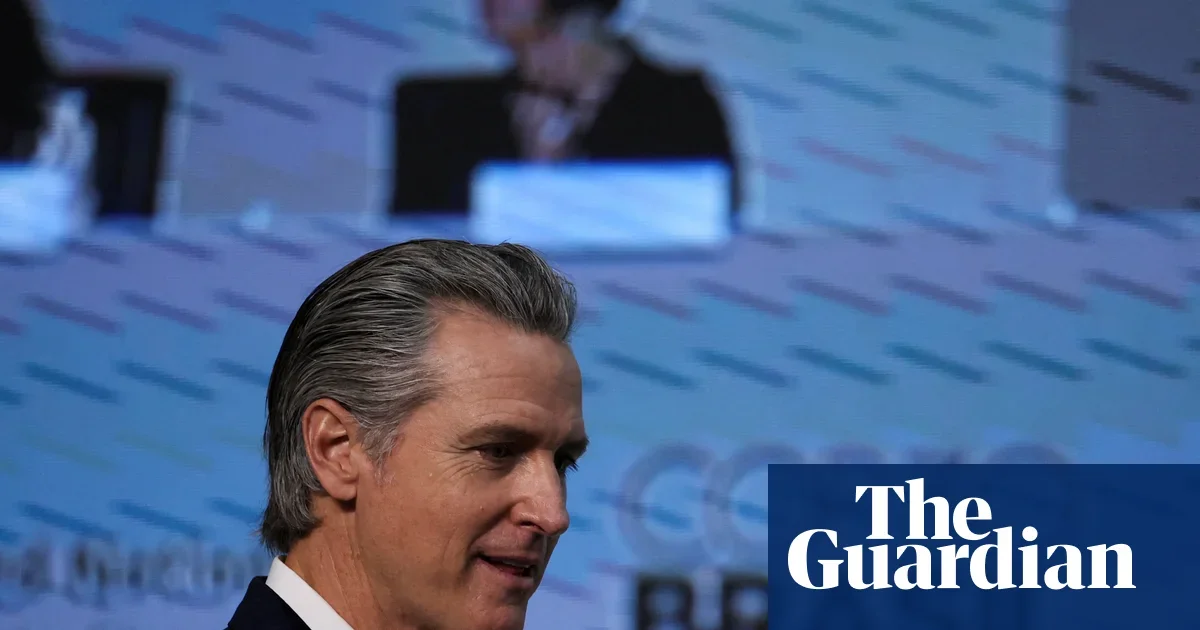
California Governor Gavin Newsom criticized Donald Trump at COP30 for his climate policies, calling him an 'invasive species' and condemning his rollback of environmental protections, while emphasizing the importance of local action and US states' commitment to climate change mitigation.
Protesters, including indigenous groups, stormed the COP30 climate talks venue in Belém, Brazil, highlighting concerns over rainforest development and environmental issues, leading to security breaches and clashes with security personnel during the event.
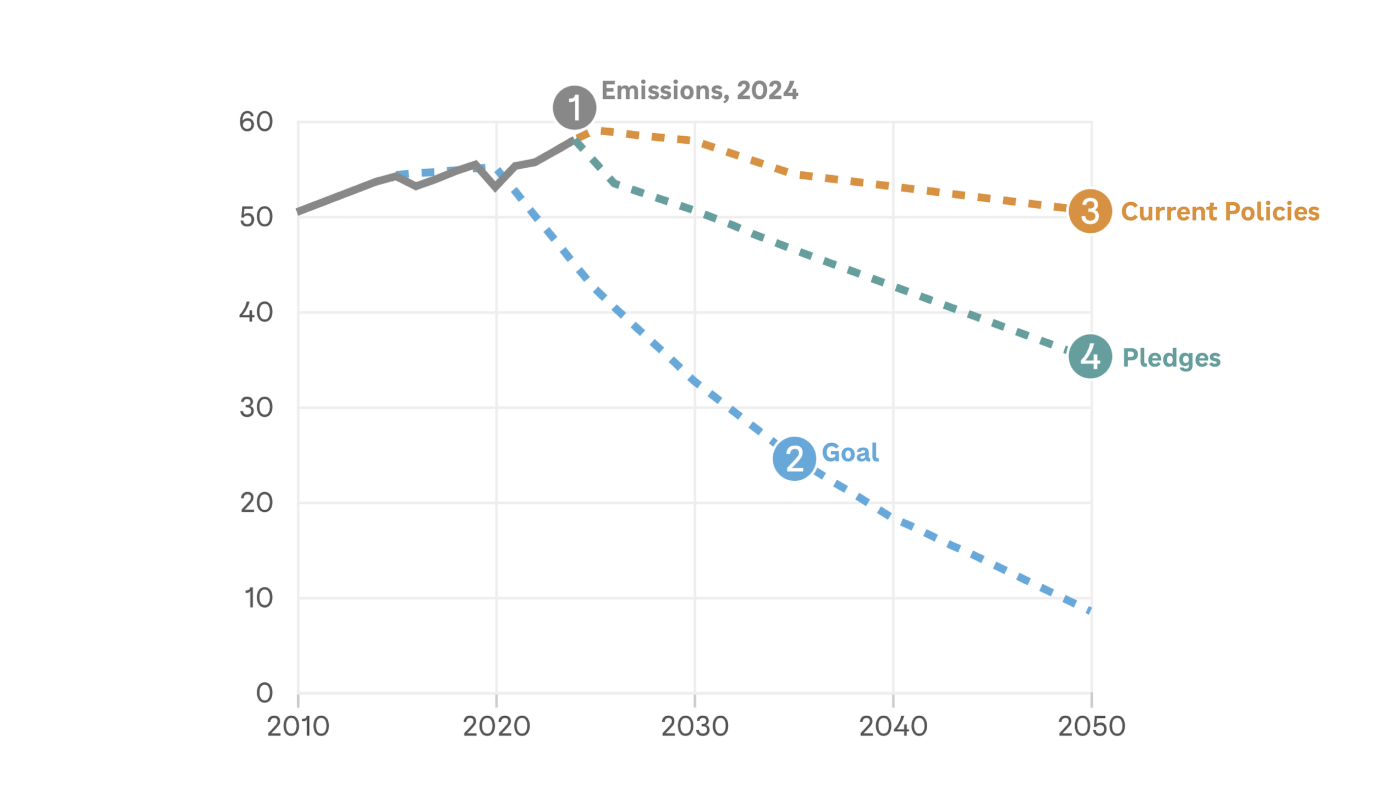
The COP30 climate summit in Brazil sees nearly 200 nations discussing global efforts to combat climate change, but the absence of the US, China, and India’s top leaders casts a shadow. California Governor Gavin Newsom criticizes the US administration's lack of high-level participation, highlighting the ongoing challenges in meeting the Paris Agreement goals, with current commitments falling short of the necessary reductions to limit global warming to 1.5°C. Despite some progress, the summit underscores the need for stronger action and increased climate finance, especially for developing countries.
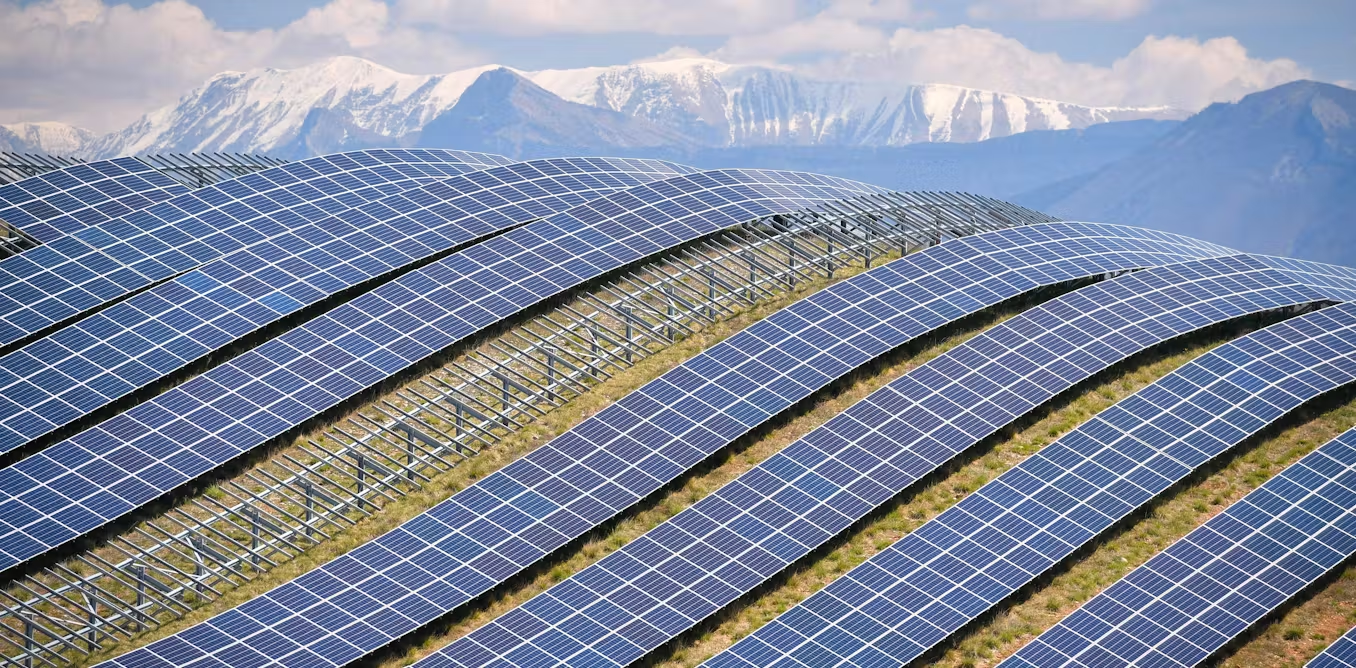
The US Senate approved a measure to end the government shutdown, with ongoing debates on funding and climate change efforts; COP30 negotiations highlight insufficient progress on emission reductions, while global power projects are increasingly renewable. Additionally, U.S. political tensions and social issues continue to unfold.
At COP30, countries are struggling to meet climate goals, with global efforts to cut emissions falling short and the planet on track to warm by about 5°F by century's end. The US, having withdrawn from the Paris Agreement under Trump, is rolling back renewable energy initiatives, which could slow progress. Despite rapid growth in renewable energy worldwide, stronger government action is needed to prevent catastrophic climate impacts.
COP30 in Brazil emphasizes immediate implementation of climate commitments over negotiations, focusing on issues like deforestation, fossil fuel phase-out, and climate justice, amid global challenges and geopolitical tensions.